
What Is the Shelf Life of Your Botanical Oils for Body Care and Cooking?
That moment of doubt when you reach for an oil bottle is so familiar. I keep my most-used oils right on my kitchen counter and apothecary shelf, so I’ve learned to spot freshness at a glance.
Here, I’ll break down oil longevity into simple, practical steps you can use today.
- What actually makes a botanical oil go bad.
- How to read and understand expiration dates.
- My personal storage tips to make oils last longer.
- Clear signs it’s time to replace a bottle.
How Long Can I Keep My Body Care and Cooking Oils?
A good bottle of olive oil for your kitchen might stay fresh for 12 to 24 months before opening. Argan oil for your face, kept in a cool, dark place, often maintains its magic for about 1 to 2 years.
But these timespans are just a starting point. Shelf life varies wildly from oil to oil.
Compare solid, stable coconut oil to delicate rosehip seed oil. Coconut oil can last years without issue, while rosehip seed oil, rich and unsaturated, often has a shorter window of 6 to 12 months once opened. This is why the common question “can cooking oil go bad” has a different answer for a bottle of avocado oil versus a bottle of toasted sesame oil.
People often ask me “can essential oils expire” too. Pure essential oils, like peppermint or lavender, are far more resistant than carrier oils. They can last for many years if stored properly, though some citrus oils are more fragile.
On my own shelf, I jot the open date on every single bottle with a little sticker. It’s the easiest way to track their prime.
Shelf Life or Expiration Date: Which One Matters?
These terms are not the same, and the difference matters for both your skin and your salad.
Think of shelf life as an oil’s peak ripeness, like a perfect, juicy peach. It’s the manufacturer’s best estimate of how long the oil will retain its expected quality, potency, and aroma.
An expiration date is a stricter safety endpoint. It’s the point at which that peach is considered spoiled and should not be consumed. For body care oils, you’re usually working with the shelf life concept-monitoring quality rather than a hard safety cut-off.
This distinction is crucial. A cooking oil past its prime won’t fry well and can develop off-flavors. A body oil past its shelf life may not nourish your skin as effectively and could even cause irritation.
Your nose and eyes are your best tools. An oil that has gone rancid will often smell bitter, waxy, or like stale nuts, and its color or clarity may change.
How to Find the Expiration Date on Any Botanical Oil
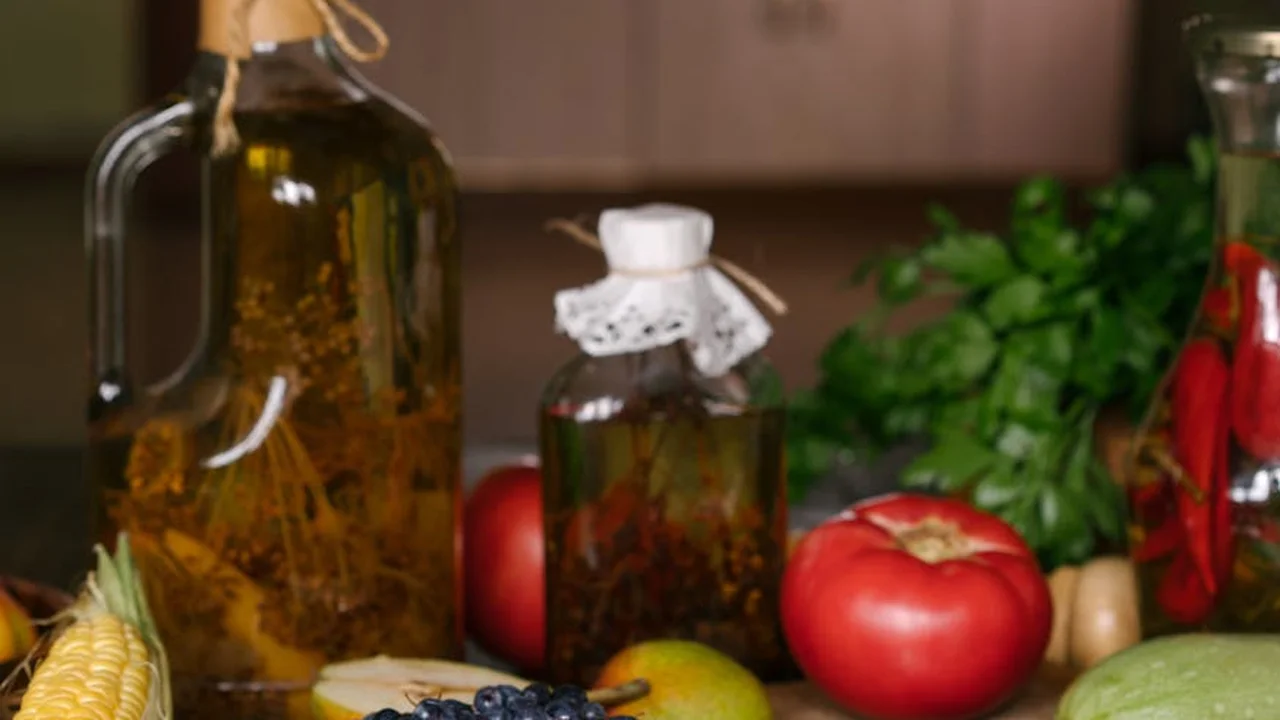
Finding the date on your oil is the first step to using it safely. You will usually find it in one of three places.
- Look for a printed “Best By,” “Use By,” or expiration date directly on the label.
- Check the bottom or shoulder of the bottle for an embossed or printed date.
- Search for a batch or lot code, which you can sometimes enter on the brand’s website for details.
What if your bottle has no date at all? This happens often with small-batch or homemade items. Your best move is to write the day you opened it directly on the bottle with a permanent marker. This becomes your new reference point for tracking its lifespan.
Pay close attention to changes in smell, color, and texture from that day forward.
I always label anything I decant. A simple piece of masking tape on my amber dropper bottles saves me from guessing games later. Always write both the source oil’s details and the date you transferred it. My shelf has a little bottle labeled “Rosehip Seed – Decanted Oct ’23” that I use confidently because I tracked it.
For Store-Bought Oils
Manufacturers do not always make the date easy to find. You need to be a bit of a detective.
Check every surface of the packaging. Run your finger along the crimp of the bottle cap and examine the very top of the label. The date is often in tiny print near the cap or on the back label’s edge. I have found “best by” dates hidden in the decorative border of a label more than once.
Do not forget the box it came in, as the date is sometimes printed only on the outer carton.
For Decanted or Bulk Oils
When you transfer oil to a new container, its history resets for anyone else who might see it. A good labeling system is non-negotiable.
I use a roll of colorful washi tape and a fine-tip permanent marker. It is easy to remove later but stays put in a cabinet.
- Write the oil’s common name (e.g., “Sweet Almond Carrier”).
- Add the date you opened or purchased the bulk container.
- For infused oils, note the herb and infusion date (e.g., “Lemon Balm Infusion, June ’23”).
This tiny habit builds so much confidence. You will never have to sniff-test a mystery oil wondering, “Is this still good?” You will know.
What Makes Oils Go Rancid? The Enemies of Freshness
Think of your favorite oil as a living thing. It wants to stay fresh, but a few common kitchen and bathroom villains are always trying to spoil it.
Rancidity is just a chemical change-fat molecules breaking down. This creates those “off” smells and tastes, and it saps the oil’s wellness benefits for your skin and body.
The Four Main Culprits
- Light: Sunlight and even bright indoor light speed up breakdown. This is why I keep my precious oils in dark amber or cobalt blue glass bottles on a shelf away from the window.
- Heat: Warmth is an oil’s enemy. Never store oils on top of the fridge or next to the stove. A cool, dark cupboard is best.
- Air (Oxygen): Every time you open the bottle, air gets in. Oxygen molecules react with the oil, starting a slow process of decay.
- The Oil’s Own Profile: An oil’s fatty acid makeup is its destiny. Oils high in polyunsaturated fats are fragile and spoil fastest, while those with more saturated fats are stable and last longer.
How Different Oils Resist Spoilage
All oils are not created equal when it comes to shelf life. The key is their saturation level.
| Oil Type (Examples) | Fatty Acid Profile | Shelf Life & Stability |
| Saturated (Coconut, Babassu) | Very high in stable saturated fats. | These are the long-distance runners. They can last 2+ years, resist heat fairly well, and are solid at room temp in my apothecary. |
| Monounsaturated (Olive, Almond, Avocado) | High in oleic acid, a stable monounsaturated fat. | These are reliable and steady. Good for 1-2 years when stored properly. My olive oil for body balms stays in a cool pantry. |
| Polyunsaturated (Flaxseed, Rosehip, Hemp Seed) | Very high in fragile polyunsaturated fats (like Omega-3s). | These are the sprinters-potent but perishable. They require extra care and have the shortest shelf life, often just 3-6 months after opening. |
Why “Can Flaxseed Oil Go Bad?” is a Common Question
You see that bottom row in the table? That’s why people ask about flaxseed oil.
Flaxseed oil is incredibly rich in omega-3 fatty acids. These are wonderful for internal wellness and skin health, but they are highly unstable. They react quickly with light and oxygen. In skincare, the fatty-acid profile of carrier oils largely determines the benefits they offer to the skin. Understanding this chemistry helps explain why flaxseed oil can be beneficial, but also why stabilization and formulation matter.
If you use flaxseed oil, buy small bottles, keep it tightly capped, and always refrigerate it. A fresh, high-quality flaxseed oil has a mild, nutty aroma. When it’s gone bad, it will smell sharply like old fish or wet paint. Trust your nose-it knows.
A Note on Infused Oils
Oils you make at home with herbs, garlic, or chilies add another layer to consider. That beautiful chili oil on your counter has two spoilage risks: the oil itself and the organic matter (like garlic or herbs) steeping in it.
Moisture from fresh ingredients can introduce bacteria. For safety, I only make infused oils with completely dried herbs or spices. I also store my homemade infused oils in the refrigerator and use them within a month. It keeps their vibrant color and flavor perfect for drizzling.
The Right Way to Store Oils for Lasting Freshness
Storing your oils correctly is the single most important thing you can do to protect your investment. I keep all my precious bottles, from delicate rosehip seed to robust oregano, on a dedicated shelf in my cool, dark pantry.
Follow these simple rules and your oils will thank you.
- Keep them cool. Heat is the enemy. It accelerates the chemical breakdown that leads to rancidity.
- Keep them dark. Light, especially sunlight, degrades oils just as quickly. This is why quality oils come in colored glass.
- Keep them sealed. Oxygen exposure causes oxidation. Always tighten caps and lids immediately after use.
- Choose the right container. Dark amber or cobalt blue glass bottles are best. I avoid clear glass or plastic for anything I plan to keep for more than a few weeks.
Body Care Oils vs. Kitchen Oils: A Storage Difference
While the core rules are the same, where you keep your body oils and your cooking oils often differs in practice.
For body oils, serums, and blends, think “medicine cabinet,” not “bathroom counter.” The steam from your shower creates heat and humidity. I store my daily face serum and body oil in my bedroom dresser, far from that damp warmth. The one exception might be a small, frequently used bottle in a cool, dark corner of a vanity.
For culinary oils, the pantry is your safest bet. It’s tempting to leave that beautiful bottle of olive oil by the stove for easy access. I used to do it, too. But the consistent heat from cooking is a surefire way to shorten its vibrant, peppery life. Now, my everyday bottle stays in the pantry, and I use a small, attractive decanter for the countertop, refilling it weekly.
Your Hands Know Best: A Simple Sensory Test
Your sense of touch is a powerful tool. If your oil feels warm to the touch where you store it, it’s time to move it. That warmth is a direct signal that the environment is too hot.
Make a habit of cupping the bottle in your palm for a moment. It should feel neutral, even slightly cool. This simple check has saved many of my citrus and mint essential oils from losing their bright, cheerful spark.
Has My Body Oil Spoiled? Signs to Sense and See
Your nose, eyes, and fingers are your best guides here. I trust my senses over any printed date when I’m selecting an oil from my apothecary shelf.
The Sensory Red Flags You Can’t Ignore
A change in smell is the most reliable warning sign. Fresh oils have a distinct, pleasant aroma. A spoiled oil will smell rancid, sour, or just “wrong.” If you want a quick check beyond smell, look for color or viscosity changes. You can learn how to tell if your botanical oils have gone bad or turned rancid in the next steps.
Think of the difference between fresh nuts and stale ones. That sharp, unpleasant odor means the oil has oxidized.
Look closely at the color and clarity. Many oils are naturally golden or green, but new cloudiness or a dramatic color shift is a visual red flag.
Feel the texture between your fingers. A good oil should feel smooth and lubricating. If it feels sticky, unusually thick, or leaves a tacky residue, its structure has broken down.
Answering Your Specific Oil Questions
People often ask me, “can argan oil go bad?” The answer is yes, and your nose will know. Fresh argan oil has a deep, nutty aroma. When it spoils, that beautiful scent vanishes, replaced by a flat or faintly fishy smell.
“Can baby oil expire?” is a different story. Mineral oil is very stable, but the bottle can degrade. If you see separation or detect a chemical, plastic-like smell, it’s best not to use it on sensitive skin.
A Quick Sniff Test for Your Cabinet
When in doubt, do this simple check. Compare the oil’s current scent to your memory of it when new.
For carrier oils:
- Jojoba Oil: Fresh smells clean and slightly nutty. Bad jojoba has a distinct sour or cheesy odor.
- Coconut Oil (Fractionated): Fresh is virtually odorless. Spoiled might smell musty or waxy.
- Rosehip Seed Oil: Fresh has an earthy, grassy scent. Rancid rosehip often smells like old paint or fish oil.
For essential oils:
- Peppermint Essential Oil: Fresh is intensely cool and minty. An old bottle loses its sharpness and can smell dull or medicinal.
- Tea Tree Essential Oil: Fresh is pungent, clean, and camphorous. When it degrades, the scent becomes weak and oddly sweet.
- Frankincense Essential Oil: Fresh is woody, balsamic, and complex. Oxidized frankincense can smell sour or lose its deep resinous character.
I keep a small vial of fresh peppermint oil on my shelf just for comparison. If an oil fails the sniff test for essential oil purity and authenticity, I don’t risk using it on my skin or in my home blends.
Has My Cooking Oil Spoiled? Kitchen Tests and Tells
Your senses are the best tools you have in the kitchen. An oil that’s turned rancid won’t hide it well. Trust your nose and your taste buds.
The Unmistakable Signs of Spoilage
When you suspect an oil is past its prime, start with a smell. Fresh oil should smell neutral or like its source-nutty, fruity, or buttery.
A rancid oil often smells sharply of chemicals, crayons, or stale nuts, and sometimes gives off a fishy or paint-like odor that is immediately off-putting. This is the clearest signal to stop.
Next, consider taste. Use a tiny dab on a spoon. A bitter or unpleasant metallic taste confirms rancidity. Do not swallow it.
Finally, watch it cook. If your oil starts excessively smoking at a low heat—well below its normal smoke point—it’s likely degraded. This oil can impart a bad flavor to your food and create harmful compounds.
A Closer Look at Common Culinary Oils
Different oils have different spoilage profiles. Let’s check on two that often raise questions.
Can Chili Oil Go Bad?
Absolutely, and often faster than plain oil. The added garlic, herbs, or chili flakes introduce moisture and organic material.
You must check infused chili oil for any signs of mold, cloudiness, or odd sediment settling at the bottom of the jar. I make small batches and refrigerate them, using them within a month for safety. A bubbly appearance or a sour smell means it’s time to toss it.
Can Corn Oil Go Bad?
Yes. As a highly refined oil, it has a long shelf life when sealed, but once opened, oxidation begins. It won’t grow mold, but it will turn rancid.
A sharp, almost acrid smell is the biggest clue for corn oil. I keep a small bottle of fresh, high-quality corn oil in my pantry as a reference point. If my opened bottle starts to smell harsh compared to the fresh one, I replace it.
The Simple Paper Towel Test
When in doubt, this quick test can reveal a lot about your oil’s condition. You’ll need a clean, white paper towel or coffee filter.
- Pour about a teaspoon of the oil in question onto the center of the paper.
- Let it sit for a minute to absorb and spread.
- Hold it up to a light source.
Fresh oil will leave a relatively clear, translucent stain that is consistent in color. The stain from a degraded oil often looks unusually dark, cloudy, or has a sticky, gummy residue that doesn’t soak in properly. This change in viscosity and clarity is a visual red flag.
Can I Use an Oil After It Expires? Safety and Smarts
Seeing a date on a bottle doesn’t always mean the oil is instantly bad. It’s a guideline for peak quality.
I keep a few older oils in my apothecary for specific, non-critical uses. The key is knowing the difference between a faded oil and a harmful one.
Your nose and eyes are your best tools for deciding if an oil is still usable.
Let’s break this down by use, because an oil that’s past its prime for your face might still have a purpose in your home.
For Body Care: Proceed with Caution
For skin and hair, a slightly old carrier oil often loses its vibrancy before it becomes dangerous. Its vitamins and antioxidants degrade first.
This means it might not moisturize as deeply or offer the same glow. More importantly, oxidized oils can irritate sensitive skin.
I never use a questionable oil on my face, neck, or any area with sensitive or broken skin.
If the oil smells fine-just a bit flat or nutty-you can sometimes use it on less sensitive areas like elbows, heels, or as a pre-shave oil for legs.
My favorite second acts for faded body oils are around the house.
- Oiling wooden spoon handles or cutting boards.
- Making a simple, scented dusting polish by mixing with a few drops of lemon essential oil.
- Conditioning leather bags or boots (do a spot test first).
- Lubricating squeaky hinges or garden shears.
For Culinary Use: When in Doubt, Throw It Out
This is the one area where I am strict. You should not consume rancid oil.
A rancid oil isn’t just off-tasting. The chemical breakdown creates free radicals, which can be harmful to your body over time, especially when it’s rancid olive oil.
Never use old, foul-smelling, or bitter-tasting oil for cooking, baking, or in salad dressings.
This rule extends to all ingestible oils, including specialty ones like CBD or hemp oil. People often ask, “can expired cbd oil hurt you?” While it may not be toxic, its potency plummets. Worse, its fatty acids can still oxidize, making it unpleasant and potentially unhealthy to ingest.
When to Absolutely Toss Any Oil
Some signs are universal stop signals. If you see any of these, recycle the bottle.
- Visible mold or fuzz floating in the oil or around the cap.
- A sharp, sour, or overwhelmingly bitter smell that makes you recoil.
- A thick, sticky, or cloudy consistency that wasn’t there before.
- If you accidentally ingest some and feel any stomach discomfort.
Trust your senses. They are more reliable than any printed date.
Curating Your Oil Collection: What to Keep and When to Stop
I like to think of my oil shelf like a pantry. You stock staples that last and keep the more perishable items front and center. This mindset saves money and ensures everything you use is potent and fresh.
Your Pantry Staples: Oils That Stand the Test of Time
Some oils are remarkably stable. Having a few long-lasting carriers in your kit means you’ll always have a reliable base for blending. Jojoba oil is actually a liquid wax, which makes it incredibly resistant to rancidity. A bottle can stay good for years if stored properly. On my own shelf, jojoba is my go-to for facial serums and scalp treatments.
For cooking, think about oils with high smoke points and natural stability. Avocado oil is a favorite. Its rich, buttery profile holds up well to heat, and it has a longer shelf life than many nut oils. Refined coconut oil is another kitchen workhorse with a solid lifespan.
Simple Swaps: What to Use Instead
That bottle of sweet almond oil in the back of the cupboard smells a bit like crayons? It is time for a change. You do not need to make a complex new product.
For dry skin, a solid butter like shea or cocoa can step in for an old body oil. They are nourishing and often have a longer shelf life in their raw form. For a cooking oil that has turned, the swap is simple: use a fresh oil. The flavor and health benefits of fresh olive oil or toasted sesame oil are worlds apart from an old, stale bottle.
When a precious oil like rosehip seed goes off, replace it with another high-antioxidant oil, like sea buckthorn, or take a break and use a hydrosol instead.
When to Draw a Firm Line: Safety First
Trust your senses. If something seems off, it usually is. There are times when using an old oil is not worth the risk.
- Do not use expired oils on broken or compromised skin. Rancid oils can introduce free radicals and cause irritation, slowing healing.
- Do not use them for baby care. A baby’s skin is too delicate for any product of questionable freshness.
- Do not put them in your diffuser if the smell is sharp or unpleasant. Off-gassing from rancid oils is not something you want to breathe in.
- Never, ever use a questionable oil for an edible purpose. This includes oil pulling, herbal infusions for consumption, or drizzling on food. Rancidity is not just about taste; it is about chemical breakdown.
Building a Mindful Stock
You do not need a huge collection. I find more joy in a few small, fresh, high-quality bottles than a cabinet full of unknowns. Start with one stable carrier and one cooking oil you love, use them regularly, and replace them when they are gone. This simple rhythm builds confidence and cuts down on waste. Your skin, your food, and your senses will thank you.
Your Curious Questions, Answered
Is the shelf life different for body oils vs. cooking oils?
Yes, but more in how we use them than in the oil itself. A high-quality olive oil can be used for both, but its shelf life for cooking is limited and starts ticking once opened, regardless of purpose. For delicate facial oils like rosehip, we prioritize freshness for maximum skin benefit, so their functional shelf life is often shorter.
Does refrigerating oils make them last longer?
For most oils, a cool, dark cupboard is perfect. However, I strongly recommend refrigerating any oil very high in polyunsaturated fats, like flaxseed or hemp seed oil, as the cold dramatically slows their rancidity. Let the oil come to room temperature before use for easy pouring.
Can I still use an oil if it just passed its “best by” date?
For body care, give it a thorough sensory check-if it looks, smells, and feels normal, it’s often fine for a short while longer, though its antioxidants may be fading. For culinary use, I am much more cautious; if it passes the smell and taste test, use it quickly, but any off-notes mean it’s time to let it go.
Why do some oils last years while others last only months?
It all comes down to their fatty acid profile. Stable saturated fats (like in coconut oil) are fortresses against spoilage, while fragile polyunsaturated fats (like in rosehip oil) are more vulnerable to light and air. Think of it as the oil’s inherent personality-some are hardy, some are delicate.
What’s one clever way to use an oil that’s faded for skin care?
My favorite second life is as a wood conditioner or leather softener! A slightly nutty-smelling almond oil works wonders on dry wooden spoon handles or to nourish a leather bag (always do a spot test first). It’s a beautiful way to honor the oil without waste.
A Final Word on Oil Stewardship
Treat your botanical oils like cherished ingredients in your personal apothecary. Storing them thoughtfully in a cool, dark place and learning to trust your own senses-your nose and eyes-are the most reliable guides to their vitality.
I share these insights from my own shelves to help you build confidence. Return here anytime you need a reference, and trust that with a little practice, you’ll develop an intuitive feel for caring for your oils.
Deep Dive: Further Reading
- Essential Oil Shelf Life | AromaWeb
- Essential Oil Storage Tips for Maximizing EO Shelf Life
- How to Avoid the Dangers of Expired Oils | American College of Healthcare Sciences
Noemi Kamińska
Noemi is an accomplished wellness researcher, nutrition care guide and body care expert. She has years of experience in formulating various oil combinations for full body wellness including face, hair, body care, essential oils and cooking oils. She works as a bio-formulator working with oil chemistry and analyzing the best formulations when it comes to your needs. Feel free to reach out to get your oil needs sorted.