Can Vegetable and Olive Oils Actually Improve Your Hair and Scalp?
If you’re eyeing those bottles in your kitchen, wondering if they can fix dry, limp hair, I’ve been right there with you. From my own shelf, I’ve learned these common oils can offer real moisture, but using them correctly makes all the difference.
The biggest takeaway is that both oils can support scalp health and hydration, but one might suit your hair type much better than the other.
- How vegetable oil and olive oil differ in texture and how your hair absorbs them
- Simple, step-by-step methods for applying oils without leaving hair greasy
- My personal tips for choosing between them based on your hair’s needs
- What to look for on the label to get the most benefit for your scalp
Key Takeaways Before We Begin
Let’s set the stage with some plain truths from my years of blending. These will save you time and set realistic expectations.
- Yes, you can use olive oil and vegetable oil from your kitchen on your hair, but the type in the bottle makes all the difference. A refined oil acts very differently than a raw, cold-pressed one.
- Always reach for extra virgin olive oil over “pure” or “light” cooking olive oil. That first cold press is where the real hair-loving nutrients live.
- Vegetable oil is a generic blend, and that means its effects are unpredictable. It might work one time and feel off the next, depending on what’s actually inside.
- These are superb moisturizing and protective treatments, but they are not magic growth potions. They create health from the scalp out, which is the foundation for good growth.
What’s Really in Your Kitchen Bottle?
Turning a cooking oil into a hair treatment starts with knowing exactly what you’re working with. The label tells a story.
Extra Virgin Olive Oil: Your Best Choice
True extra virgin olive oil (EVOO) is cold-pressed, meaning no heat or chemicals are used to extract it. This gentle process locks in antioxidants like squalene and polyphenols, which soothe a parched scalp and help strengthen hair. The bottle on my shelf has a deep, grassy scent and a viscous, golden-green texture that feels nourishing just to touch.
Pure or Light Olive Oil: The Compromise
If the label just says “olive oil” or “pure olive oil,” it’s likely refined. This processing removes many of the delicate compounds, resulting in a milder oil that’s better suited for the frying pan than your hair routine. It can still provide some slip and moisture, but it won’t offer the same restorative benefits.
Vegetable Oil: The Generic Blend
Vegetable oil is a broad term for a processed blend. It often contains a mix of oils like soybean, corn, or canola, which are refined to be neutral in flavor and have a very light, almost watery feel. Because the formula isn’t specific, it’s hard to predict how it will behave on your unique hair type. Unlike these blends, single-type oils like sunflower oil can have distinct properties.
Give them a sniff test. A quality extra virgin olive oil has a complex, peppery aroma that speaks to its vitality, while vegetable oil typically has little to no scent, feeling more like a utility product. Your senses are a powerful tool for choosing what belongs in your hair care ritual.
Can Extra Virgin Olive Oil Be Used on Hair Safely?
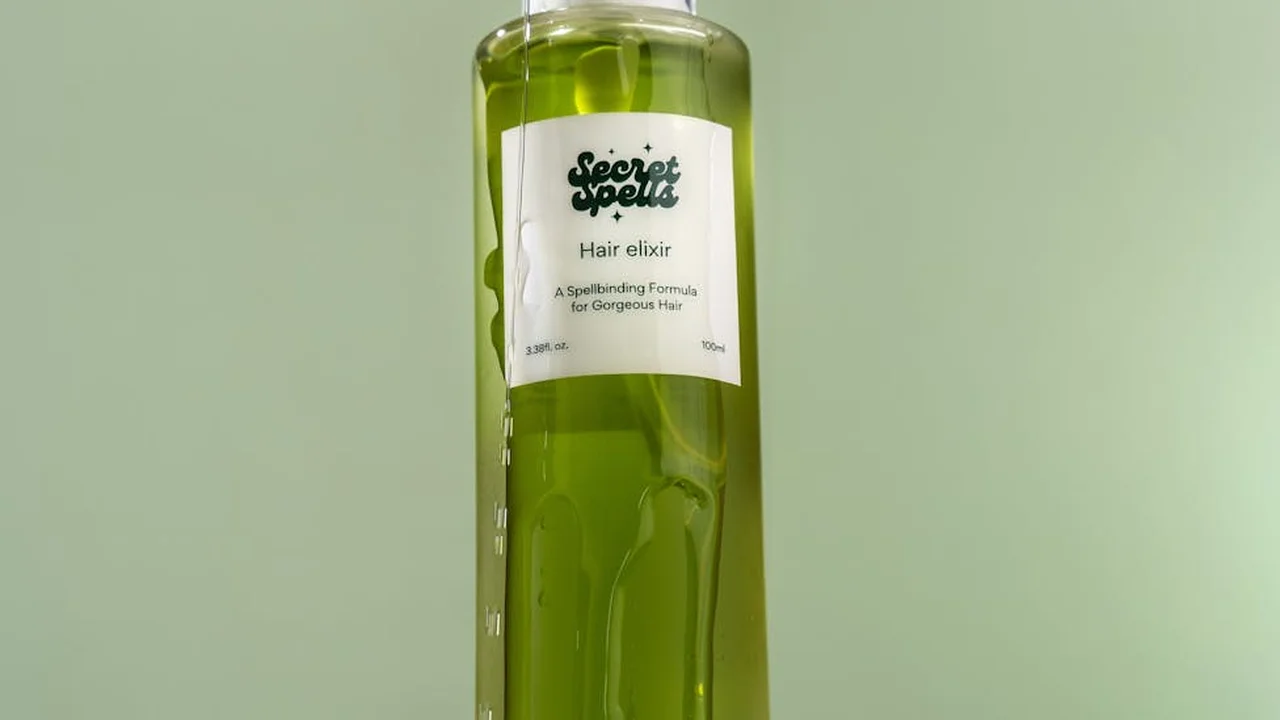
Absolutely, yes. You can use high-quality extra virgin olive oil on your hair and scalp.
It’s a classic, kitchen-apothecary staple for a reason. I keep a small bottle in my bathroom cabinet right next to my specialty oils.
Its primary job is to deliver intense moisture. Think of it like a deep, nourishing drink for dry, brittle, or chemically-treated strands.
The fatty acids in olive oil are similar to those our skin naturally produces, which helps it sink in to smooth and soften each hair shaft.
Beyond that, it offers antioxidant protection. The same compounds that make it heart-healthy for cooking, like squalene and polyphenols, can help shield your hair and scalp from daily environmental stressors.
For the scalp, it has a gentle, soothing quality. A light massage with warmed olive oil can help calm feelings of tightness or minor irritation. A calm scalp is a happy foundation for hair.
This leads to the big question about hair growth. Olive oil isn’t a magic growth serum. What it does is support the overall health of your scalp environment, which is a necessary condition for hair to reach its full, healthy potential. By moisturizing the scalp and providing antioxidant support, you’re removing barriers that might hinder growth.
If your hair is very fine, thin, or gets oily quickly, proceed with a light hand. Use it only on your ends as a pre-wash treatment, not all over. A little goes a very long way.
How to Choose the Right Olive Oil
Reach for the good stuff you’d also use on a salad. The label should say “cold-pressed” and “extra virgin.”
This means it was processed without high heat, preserving more of those beneficial compounds. Look for oil stored in a dark glass bottle, which protects it from light damage.
Please, do not use that old bottle from the back of your pantry that’s been open for a year. Oils can go rancid. Give it a sniff. Fresh, good-quality olive oil should smell grassy, peppery, or like green olives-not waxy, sour, or like crayons. Rancid oil won’t help your hair and could cause irritation. Some guidelines cover whether expired olive oil is safe for skin or hair care. For cooking or topical uses, always opt for fresh oil.
I check the harvest or “best by” date. Fresher is always better for both your food and your hair care.
Before you slather it on your head, do a simple patch test. Apply a dime-sized amount to the skin on your inner arm, wait 24 hours, and check for any redness or itch.
This small step gives you confidence and keeps your self-care routine feeling good.
Can I Put Vegetable Oil in My Hair?
You can, but I have some big notes before you do. This is one of those “in a real pinch” ideas, not a regular part of a hair care ritual.
Most vegetable oil from the grocery aisle, like soybean or canola, does contain moisturizing fatty acids. These can temporarily coat the hair strand to seal in a bit of moisture.
The main issue is that these oils are highly processed and refined, which makes them much more likely to create a stubborn, greasy buildup on your hair and scalp. They don’t absorb well. Your hair might feel slick and look dull even after washing.
Texture-wise, it feels lighter and thinner than something like olive oil. But don’t let that fool you. Olive oil, while richer and denser, is a simpler, less processed fat that many hair types can actually benefit from when used correctly.
When Vegetable Oil Might Be Okay
I keep a tiny bottle in my workshop for other uses, but I have used it once on my own hair. I was out of my usual oils and my ends felt like straw. It was a true emergency.
If you’re in that spot, you could use a tiny amount as a one-time, ends-only treatment for severe dryness. Apply just to the last two inches, leave it on for 20 minutes max, and then wash it out.
You must wash it out thoroughly with a clarifying shampoo, sometimes twice, to prevent that heavy residue. Your regular gentle shampoo likely won’t cut through it.
My real advice? If you’re looking for a kitchen oil, skip the vegetable blend. Reach for a simple, cold-pressed oil instead. The big bottle of avocado oil or sunflower oil on my shelf is a far better choice for hair. They are nourishing, less processed, and easier for your hair to handle. Curious whether these oils are among the best natural oils for hair growth and health? This is a topic worth exploring as you plan your routine.
Olive Oil vs. Vegetable Oil: Which is Better for Your Hair Goals?
Looking at the bottles in your kitchen, you might wonder if they are interchangeable for your hair. In my experience, they are not.
For consistent, gentle care that truly improves your hair’s condition, extra virgin olive oil is the clear choice. It is a single-ingredient, minimally processed oil with a reliable profile of vitamins and antioxidants. Extra virgin quality ensures higher purity and potency.
Vegetable oil, like canola or soybean blend, falls short because it was never designed for hair care. It is a processed blend, and its exact makeup can vary from bottle to bottle.
Think of it this way: a high-quality olive oil is like a nourishing, home-cooked meal for your hair. A generic vegetable oil is more like a processed snack-it might fill space, but it does not offer the same targeted benefits, whether in cooking or for your health.
For Growth and Scalp Health
Hair grows best from a calm, well-moisturized scalp. Think of your scalp as the soil for your hair.
Olive oil can help soothe that “soil.” Its natural anti-inflammatory properties, like oleocanthal, may help calm minor irritation. This creates a happier environment for follicles.
Vegetable oil lacks these targeted, skin-soothing nutrients. It can moisturize by forming a barrier, but it does not actively support scalp health in the same way.
A calm scalp is a foundation for healthy growth, and olive oil’s composition is uniquely suited to support that.
For Shine and Moisture
The shine we love comes from light reflecting off smooth, sealed hair shafts.
Olive oil molecules are small enough to penetrate the hair cuticle slightly. This helps smooth and seal the shaft from within, leading to deep moisture and that lasting, healthy glow.
In contrast, vegetable oil often has larger, heavier molecules. Instead of sinking in, it tends to sit on top of the hair. This can leave a greasy film that looks oily, not shiny, and can attract dust.
For true shine that comes from health, not just coating, olive oil is the more effective option. The bottle from my own shelf has a permanent spot in my hair care routine for this reason.
How to Use These Oils: Simple, Safe Application
Getting the application right makes all the difference between a great hair day and a greasy one.
Always apply oil to damp, towel-dried hair, never to hair that is sopping wet or completely dry. Think of your hair strands like a sponge. A damp sponge absorbs oil evenly. A dry sponge just gets coated on the outside.
Start with a tiny amount. A teaspoon is plenty for most shoulder-length hair. You can always add another half-teaspoon if you need it, but you can’t take it away.
Focus on your ends first. Rub the oil between your palms and gently smooth it over the driest parts of your hair. Only if your scalp feels tight or flaky should you use a fingertip to massage a tiny, pea-sized amount directly onto the scalp.
Your Basic Olive Oil Hair Mask Recipe
This is my go-to treatment for when my hair feels like straw. I keep a small bottle of organic olive oil on my shelf just for this.
- Measure 1 to 2 tablespoons of olive oil into a small glass dish or jar.
- Place the dish in a bowl of very warm water for a few minutes. You want the oil to be warm to the touch, not hot. Warm oil spreads more easily and feels wonderful.
- Apply the warm oil to your damp hair, concentrating on the mid-lengths and ends. If your scalp is dry, you can massage a little there too.
- Twist your hair up and cover it with a shower cap. The cap creates gentle warmth, helping the oil sink in.
- Leave it on for 20 to 30 minutes. I sometimes wrap a towel over the cap for extra warmth.
- Shampoo it out thoroughly. You may need to shampoo twice to remove all the oil and get that wonderful, soft feeling.
For a lovely scent and a calming scalp boost, I often stir in a single drop of lavender essential oil into the warmed olive oil. This simple mask can be the base for a light leave-in treatment. Mix a teaspoon of the mask with two teaspoons of plain aloe vera gel in your palm. It makes a smoothing cream perfect for taming flyaways after washing.
Using Vegetable Oil if You Choose To
If you decide to try vegetable oil from your kitchen, a very cautious approach is best. Treat it strictly as a heavy-duty, rinse-out treatment.
Use it sparingly and only on your ends. Apply a tiny amount, about half a teaspoon, to the last few inches of damp hair before you shampoo. Do not apply it to your roots or scalp.
You must follow this with a double shampoo using a clarifying formula to remove every trace of oil. Vegetable oil is formulated to cling, and leftover residue will leave your hair limp and attract dust. I keep a bottle of clarifying shampoo for just this type of occasional deep clean.
Addressing Common Questions and Mixes
Let’s get into some of the specific ideas you might be curious about.
Does Olive Oil Relax Hair?
I hear this question often. Pure olive oil will not chemically relax your hair’s natural structure. What it does beautifully is soften and tame your texture, making curls and waves more manageable and defined. It’s a physical smoothing, not a permanent change.
Can I Put Avocado Oil in My Hair?
Absolutely, and I often recommend it. Avocado oil is a fantastic, lighter alternative to olive oil, especially for fine or low-porosity hair that feels weighed down easily. It sinks in a bit quicker and leaves a lovely, soft sheen without as much heaviness. I keep both on my own shelves for different needs.
How to Make an Olive Oil Hair Spray
This is a simple trick for light conditioning and detangling. In a small spray bottle, mix:
- 1 cup of water (distilled is best)
- 1 teaspoon of olive oil
- A drop or two of your favorite essential oil for scent (lavender is lovely)
Shake vigorously before each use to combine the oil and water. Spritz lightly on damp or dry hair for a touch of moisture and control.
What About Olive Oil Hair Gel?
If you make homemade flaxseed gel, adding a bit of olive oil can be a game-changer. Stirring a teaspoon of olive oil into your cooled flaxseed gel adds moisture and helps prevent crispiness in curl definitions. It creates a more conditioning, homemade styler.
When to Blend Oils
Blending lets you customize the texture for your hair. If you love the idea of olive oil but have finer hair, try blending it half-and-half with a lighter oil like avocado or grapeseed. This gives you the benefits without the potential for a heavy, greasy feel.
I generally advise against routinely mixing olive oil and generic vegetable oil. Since vegetable oil is often lighter and less nutrient-dense, the blend doesn’t add a significant benefit you can’t get from using a quality oil on its own. Some cooks also experiment by blending olive oil with other oils for specific frying tasks to optimize flavor and heat tolerance. When chosen thoughtfully, these blends can sometimes yield better results than a single oil, but they’re not universally superior.
Important Safety and Clean-Up Tips
Using these oils is simple, but a few mindful habits make all the difference. I keep my favorite bottle of olive oil right on my apothecary shelf, and these are the rules I follow myself.
More oil is not more effective, and leaving it on for days can invite problems. A heavy, greasy layer can clog hair follicles and create a sticky buildup on your scalp that attracts dirt. Think of it like overwatering a plant. A light, consistent treatment is always better than a flood.
Always check your oil before you use it. Over time, oils can turn rancid. If your vegetable or olive oil smells sharp, crayon-like, or just “off,” it’s time to let it go. Using rancid oil on your scalp can cause irritation and won’t provide any of the benefits you’re looking for.
Washing the oil out completely is key. Start with warm water to help loosen the oil. Then, apply your shampoo directly to your dry or damp scalp before adding water. Massage it in thoroughly to create a lather that can grab onto and lift away the oil. You might need to shampoo twice for a really thorough cleanse, especially when trying to wash out heavy oils like coconut oil.
After shampooing, you likely only need conditioner on your mid-lengths and ends. Your scalp has just been treated with a moisturizing oil, so it may not need more hydration. A light conditioner on just the ends will detangle and soften your hair without weighing down the roots.
Beyond the Kitchen Cabinet: Other Oils to Consider
Over on my own crowded apothecary shelf, olive oil shares space with other trusted bottles. Each one has its own personality and purpose for hair care.
Olive oil is a reliable, heavy hitter for deep moisture. For growth and scalp focus, other oils can be more targeted. Lighter oils often absorb better, making them easier to use regularly.
Avocado Oil: A Lightweight Favorite
I reach for avocado oil when I want nourishment without the weight. It has a silky, green-tinged texture that feels lush but never sticky.
Avocado oil is a superb choice for finer hair types because it moisturizes deeply without that dreaded greasy residue. It sinks in quietly, leaving hair soft and full of shine.
The Daily Shine Specialists: Jojoba & Argan
For a non-greasy gleam, I keep jojoba and argan oils front and center. Jojoba feels almost dry, closely matching our scalp’s own natural oil. This aligns with the science of sebum, hair oils, and how natural oils balance scalp production. Maintaining that balance helps keep hair healthy without heaviness.
Jojoba oil is a specialized ally for scalp health, helping to balance moisture without clogging pores. Argan oil has a warm, nutty scent and gives hair a smooth, polished finish. A single drop rubbed between your palms is all you need for frizz-free shine.
Mixing a few drops into your conditioner is a simple way to start. Finding your hair’s favorite oil is a personal journey. Part of the fun is experimenting safely with small amounts to see what your hair loves most.
Your Questions, Answered
How often should I use a homemade olive oil hair mask?
Once a week is perfect for most hair types to boost moisture without buildup. If your hair is very fine or oily, try a lighter application every other week instead.
Can I use olive oil as a daily leave-in treatment?
For daily use, I recommend diluting a single drop in your palms with water or a leave-in conditioner. Applying pure oil daily can weigh fine hair down, so a little truly goes a long way.
Why do some store-bought hair products contain vegetable oil if it’s not ideal?
Vegetable oil is often used as a low-cost ingredient to create a smooth texture. Note that ‘vegetable oil’ can refer to different types of vegetable oil, each with unique properties. Each type brings its own texture and nutritional profile, so the choice matters. For a more nutrient-rich product, check the label for oils like argan or jojoba listed higher than generic “vegetable oil.”
What’s the best way to add olive oil to a homemade hair cream?
Gently stir a small amount of olive oil into your cooled cream base to preserve its antioxidants. This adds a moisturizing boost, perfect for sealing ends and enhancing your formula’s natural benefits.
A Greener Way to Nourish Your Hair
Your kitchen oils are gentle allies for moisture and scalp care. Think of them as a supportive base layer, perfect for sealing in hydration and creating your own targeted treatments when paired with the right essential oils.
I keep both oils on my own shelf for simple, effective hair masks. Trust your hands and your senses as you blend, and pay attention to how your hair and scalp feel over time-it’s the best guide you have.
Sources and Additional Information
- Benefits of vegetable oils for hair – The Organic Republic
- Does Vegetable Oil Help Hair Growth? Natural Remedies Explored – Scandinavianbiolabs.com
- Plant oils and hair: Natural solutions for healthy, shiny hair – Karamat Cosmetics
- Using Vegetable Oil-Based Elixirs for Hair and Scalp – Botanica Africa
- Is Vegetable Oil Good For Hair Growth? How To Use It
- Will Vegetable Oil Help My Dry Scalp & Hair?
Noemi Kamińska
Noemi is an accomplished wellness researcher, nutrition care guide and body care expert. She has years of experience in formulating various oil combinations for full body wellness including face, hair, body care, essential oils and cooking oils. She works as a bio-formulator working with oil chemistry and analyzing the best formulations when it comes to your needs. Feel free to reach out to get your oil needs sorted.