
How Do You Safely Dispose of Used Cooking Oil, Linseed Oil, and Fats at Home?
That slick, leftover grease in the pan or that half-empty can of linseed oil from your workshop doesn’t have to be a headache. I handle botanical oils every day in my practice, and with a few reliable methods, you can manage this cleanup easily and responsibly.
You can properly manage these materials by treating each type with a specific, simple routine.
- Cooling and containing used cooking oil
- Solidifying fats for safe trash disposal
- The crucial steps for linseed oil and drying oils
- Local recycling and disposal options
Quick Snapshot: Handling Different Household Oils
Let’s break this down simply. Whether it’s from your kitchen or craft bench, each oil type needs a specific approach. Pouring any oil down the sink drain is a sure path to plumbing problems, no exceptions. This table gives you a clear starting point for what you’re dealing with.
I keep an old coffee can under my sink just for cooled bacon grease and frying oil. It fills up slowly, and I never worry about my drains.
The Big Rule: What Never to Do With Any Leftover Oil
Can you pour oil down the sink? My answer is a firm and friendly no. I say this from hard-won experience. Your kitchen sink is not a shortcut for oil disposal, not for a teaspoon of olive oil or a cup of frying fat.
Think of your pipes like arteries. Pouring liquid fat down them is like introducing cholesterol. As the oil travels, it cools and sticks to the pipe walls. Other bits of food and soap scum cling to it. Over time, this builds a thick, greasy blockage that water cannot pass.
This causes trouble far beyond your home. That fatberg can clog the main sewer lines for your whole neighborhood. It also burdens water treatment plants and can pollute local rivers and soil.
I learned this lesson after a lazy cleanup from making herb-infused oils. A glossy pour of leftover olive oil went down the drain. A month later, my sink drained slower than molasses in January. The plumber pulled out a wad of congealed fat and parsley bits. Now, I am much more careful.
Why Your Drains and Soil Disagree
The science is simple but important. Fats, oils, and greases solidify at different temperatures. Your home’s pipes, especially in the walls and underground, are much cooler than your kitchen. What goes down liquid will almost always become a solid, stubborn mass somewhere in your plumbing system.
Your backyard is not a safe alternative. Dumping oil in the yard or into a compost bin smothers the soil. It creates a water-resistant barrier that starves plant roots and beneficial microbes of air and moisture. The soil becomes greasy and lifeless. I’ve seen it turn a patch of earth sour and hard.
Your Step-by-Step Guide for Used Cooking Oil & Fats
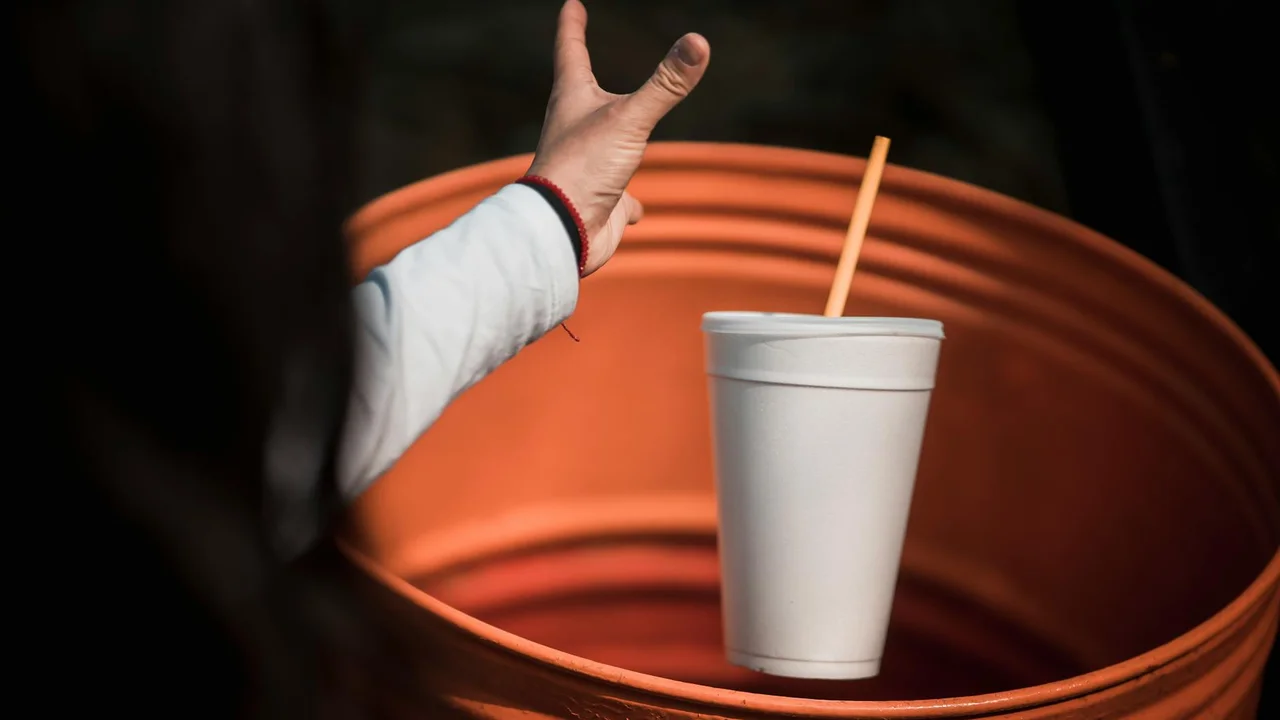
Once your fryer cools or the roasting pan comes out, follow this golden cleanup routine. It turns a messy chore into a simple, safe habit. I keep a designated jar under my sink just for this purpose, and it makes all the difference.
Cool, Contain, and Toss (or Recycle)
This method is my daily driver for bacon grease, frying oil, and pan drippings. Treat hot oil with the same respect you would a simmering pot of herbal infusion.
- Let the oil cool completely in the pan or pot. Never pour hot oil. It’s a safety must to prevent painful burns and container damage.
- Strain the cooled oil through a fine-mesh sieve or a coffee filter. This catches food bits that can spoil and cause odors in your trash. I use a funnel over an old, clean pasta sauce jar.
- Solidify the oil for easy, non-drip trash disposal. Pour the strained oil into a bowl of used cat litter, coffee grounds, or crumpled paper towels. It will soak right up.
- Securely cap the full container and place it in your regular trash. A tight lid on that jar prevents leaks and keeps pests away from your outdoor bin.
Finding a Greener Path for Your Used Oil
If you have a larger quantity, like from a big holiday fry, recycling is a wonderful option. This keeps it out of landfills and can be turned into biofuel.
Your local waste management authority holds the key. A quick phone call or website visit clarifies their rules. Whether you’re looking for used oil disposal in Louisville, KY or near Katy, TX, your city’s website is the best first stop for properly disposing of leftover oil.
Resources like Earth911’s recycling locator are fantastic for finding nearby drop-off centers. Some restaurants or automotive shops that collect their own oil may also accept clean, homemade cooking oil if you ask politely. You can also use specialized directories for disposing of used cooking oils and essential oils.
I check my local household hazardous waste (HHW) collection schedule twice a year for linseed oil and any questionable fats. It’s a small effort for a much greener result.
Handling Linseed Oil: A Different Kind of Residue
Let’s talk about linseed oil separately. This one’s from my woodworking shelf, not the kitchen counter.
Linseed oil, pressed from flax seeds, is a “drying oil” used to seal and protect wood. It cures into a hard film as it reacts with air. For applications on skin or food, make sure to use food-grade linseed oil.
That curing reaction creates a serious and unique hazard: rags or paper towels soaked in linseed oil can spontaneously combust. The heat builds up as the oil dries, and bunched-up fabric can get hot enough to ignite itself.
Disposing of Oily Rags Safely
Treating these materials with respect prevents a dangerous situation. Here’s my workshop routine.
Step 1: Lay rags flat and individually to dry completely outdoors, away from structures.
After applying oil, I take rags directly outside. I spread each one out singly on a concrete patio slab or hang it over a metal railing. This allows maximum air flow and prevents heat buildup.
Step 2: Once they are crispy and dry, they can be disposed of in the trash.
Don’t just assume they’re dry in an hour. It can take a day or more. The rag should feel stiff and brittle, like old parchment, with no oily spots. Only then is it safe for your household trash can.
Step 3: For liquid linseed oil, mix with cat litter or a commercial oil solidifier in a can, then trash it.
If you have leftover raw oil, solidify it first. I keep an old metal coffee can for this. Pour in the oil, stir in a generous amount of clay-based cat litter or a commercial solidifier, and let it set into a solid mass. Dispose of the sealed can in the trash.
Never, ever put these rags in a laundry hamper or closed bin. The confined space traps heat, creating the perfect conditions for a fire. I keep a dedicated, lidded metal can just for *dry*, cured rags before they go to the outside bin.
What About Oils from Your Wellness Routine?
Your care routine uses a different kind of oil. I see bottles of jojoba for skin and sweet almond for hair on my own shelf. Jojoba works well on the face, hair, and scalp. It’s worth exploring its best uses across these areas.
These are not for cooking or wood finishing. Their disposal needs a separate, gentle approach.
Treating body and hair oils with care at the end of their life is just as important as using them well.
Massage Oils, Makeup Removers, and Spoiled Carrier Oils
For a small puddle of blended oil, like leftover massage mix on your palms, grab a paper towel.
Soak it up thoroughly and put the paper in your regular trash can.
This is my go-to method for daily clean-up and it keeps every drop out of the drain.
Larger amounts, like a whole bottle of rancid rosehip seed oil, require more steps.
If it has turned thick and smells sour, solidify it in an old container in the freezer.
You can then pop the solid block into the trash, sealed in a bag.
Just like with kitchen grease, pouring these oils down any drain invites a clog.
A Special Note on Essential Oils
Pure essential oils are potent. A single bottle holds the essence of hundreds of plants.
Never pour undiluted lavender or tea tree oil directly into your sink or trash bin.
Their concentrated nature means they need a buffer before disposal.
For a few last drops, I always absorb them.
Mix the oil into a tablespoon of baking soda or used coffee grounds until it’s dry.
Then, seal this mixture in a small bag before placing it in your household trash.
This neutralizes the oil and makes it safe for regular disposal.
If you have a large quantity of expired essential oil, your local hazardous waste facility is the best resource.
They have the right systems to handle concentrated botanical substances safely.
When to Seek Professional Disposal Help
Home methods work beautifully for the cup of oil from your skillet or a small jar of linseed from a craft project. I keep my own “oily shelf” for such things. For much larger quantities, you need a different plan.
If you have more than a gallon of used oil or fat, it’s time to look for professional disposal. This isn’t from your Sunday roast. Think about the volume from a catering business, a restaurant-style kitchen cleanup, or a major woodworking project where you’ve used linseed oil as a finish.
For those significant amounts, commercial used oil disposal services are your best bet. Many companies will collect large containers of used cooking oil, often for free, because they can recycle it into biodiesel or other products. For smaller amounts, proper disposal methods for home cooks ensure environmental safety.
Check with your local hazardous waste facility for anything beyond basic kitchen oils. This is crucial for oil-based paints, paint thinners, or large containers of boiled linseed oil, which can be flammable as they cure. Historically, linseed oil has been valued not only in paints but also as a traditional health supplement. This long history underscores why proper handling and disposal practices matter. Your local facility has the expertise and permits to handle these materials safely, preventing harm to the environment.
Rules change from one town to the next. I always encourage folks to call their local waste management office or visit their website before loading up the car. A quick call confirms exactly what they accept, their hours, and any container requirements. It saves a trip.
Your Simple, Safe Home Oil Habit
Managing oil waste well comes down to a simple three-part mindset.
Cool it, contain it, and never, ever pour it.
Make Your System Second Nature
This is not about a complicated routine. I keep a dedicated, old glass pickle jar under my kitchen sink. It has a tight lid.
After frying, I let the oil cool completely in the pan. Then, I pour it straight into that jar. When the jar is about three-quarters full, I take it to my utility shelf.
My favorite method for solidifying this oil is to mix it with an absorbent, plant-based material. You can use unused cat litter, but I prefer sawdust from my husband’s workshop or old coffee grounds I’ve saved and dried.
Sprinkle the absorbent material slowly into the oil jar until all the liquid is soaked up. It will become a solid, manageable mass. Now you can screw the lid on tight and place the whole jar in your regular trash.
A Gentle Touch for Your Local Environment
This small habit does more than keep your pipes clear. It is a direct act of care for the soil and water right outside your door.
When oil goes down the drain, it eventually reaches waterways. It can coat plants and alter the environment for local wildlife. By containing it, you are protecting the botanical life in your own community, especially when dealing with cooking, essential, or massage oils.
Just as we choose pure oils for our skin and homes, choosing careful disposal protects the natural world those oils come from. It connects the care we show inside our homes to the wellness of the wider, living world.
Your Local Disposal Questions, Answered
How do I find a used oil drop-off location near me?
Your city or county’s waste management website is the most reliable resource. A quick search for “household hazardous waste” and your city name will provide local drop-off schedules and accepted materials.
What if I have a large quantity of used cooking oil to dispose of?
For volumes over a gallon, search for a local “used oil disposal service” or “cooking oil recycling.” Many companies and some municipal facilities will accept larger amounts for conversion into biofuel.
My local facility accepts “used oil.” Does that include linseed oil?
Always call and confirm. Many “used oil” collections are for automotive oil, but your local Household Hazardous Waste (HHW) program is typically the proper channel for linseed oil and other drying oils.
What’s the difference between municipal disposal and a private service?
Your municipal HHW program is designed for safe, periodic disposal of household project waste. Private services are often geared toward consistent, larger-volume collection, such as from a restaurant or business.
Caring for Your Home and Habitat
From my shelf to yours, the most important step is to always let oils cool and solidify before you handle them, as this simple practice prevents mess and protects your home. Giving used fats this moment of patience turns disposal from a chore into a safe, mindful part of your routine.
I share more practical guides like this one right here on the blog for your journey with oils for body, skin, hair, and home. From face to scalp, you’ll discover how to tailor oil cleansing with specific oils for skin and hair. Stay tuned for practical tips that quietly weave oil cleansing into your routines. Trust the wisdom you are building in your own hands as you create a space that feels well and truly yours.
Related Guides and Information
- How To Properly Dispose Of Used Cooking Oil
- How To Dispose of Cooking Oil Properly
- Fats, Oils, and Grease Clog Pipes – Utilities | seattle.gov
- r/Cooking on Reddit: How do you dispose of cooking oil?
- Used Cooking Oil Disposal in Seattle, WA | NW Biofuel
- Used Cooking Oil Pick Up & Recycling Service in Seattle WA – Mahoney Oil Recycler
Noemi Kamińska
Noemi is an accomplished wellness researcher, nutrition care guide and body care expert. She has years of experience in formulating various oil combinations for full body wellness including face, hair, body care, essential oils and cooking oils. She works as a bio-formulator working with oil chemistry and analyzing the best formulations when it comes to your needs. Feel free to reach out to get your oil needs sorted.