
Can Coconut Oil Soothe Eczema, Psoriasis, and Dry Skin?
Dealing with stubborn dryness or irritated patches can leave your skin feeling raw and uncomfortable. I keep a jar of virgin coconut oil in my apothecary for moments like these, as its creamy texture offers a simple, comforting touch.
Let’s look at how this common kitchen staple can hydrate and protect your skin’s delicate barrier.
- Why coconut oil’s fats are uniquely good for parched or angry skin
- Direct ways to apply it for eczema and psoriasis relief
- How to choose between refined and unrefined coconut oil
- Mixing it with other soothing ingredients for better results
Why a Kitchen Staple Belongs in Your Skin Care
You might know coconut oil for cooking, but its magic for your skin comes from its unique fatty acid profile.
Over half of coconut oil is lauric acid, a medium-chain fatty acid that’s a real hero for your skin barrier.
These fatty acids are smaller and can be absorbed more easily than others, helping to reinforce your skin’s natural defenses.
The Skin Barrier Repair Crew
Think of your skin’s outer layer like a brick wall.
The skin cells are the bricks, and the lipids (fats) are the mortar that holds it all together and keeps moisture in.
When skin is dry or compromised, that “mortar” gets cracked, and coconut oil’s fatty acids can help patch it up.
The main crew includes lauric acid for its comforting properties, along with caprylic and capric acids which are known for their gentle, moisturizing support.
Together, they work to soothe and soften.
More Than Just Moisture
Research has looked into coconut oil’s natural ability to calm irritation and manage microbes on the skin.
This means it can help create a calmer, healthier environment for your skin to heal itself, which is valuable for reactive conditions.
I think of it as a supportive friend for my skin’s microbiome, not a harsh disinfectant.
Soothing the Itch: Eczema and Severe Dryness
So, how does coconut oil benefit eczema-prone skin?
For me, its best role is in daily maintenance and preventing that tight, itchy feeling before it starts.
It is fantastic for managing the persistent dryness between flare-ups, but I don’t reach for it during an intense, weeping episode.
My own trick is keeping a tiny jar of virgin coconut oil on my nightstand.
Right before bed, I warm a dab between my palms and massage it into my hands and cuticles. It’s my simple overnight therapy for winter dryness.
Application for Calming Eczema Patches
For the best results on dry, eczema-prone patches, timing is everything.
- After a lukewarm bath or shower, gently pat your skin until it’s just damp.
- Scoop a small amount of coconut oil and rub it between your clean palms to melt it.
- Apply the oil in gentle, downward strokes over the dry areas, letting it absorb for a minute.
- Follow with your regular moisturizer if needed, or let the oil do its work alone.
Applying to damp skin helps lock that water in. This same method can offer temporary, soothing relief from the itch of hives, too.
When to Pause and Consult
Listen to your skin. If an area feels hotter, looks significantly redder, or seems more irritated after applying coconut oil, stop using it there.
Every person’s skin is unique, and sometimes an ingredient just doesn’t agree with a particular flare.
Most importantly, if you see signs of infection like oozing, yellow crust, or streaking redness, it’s time to see your doctor. An oil cannot treat an infection.
Gentle on Scales: Supporting Psoriasis Skin

Many people ask me, what makes a simple oil like this effective for psoriasis?
Psoriasis plaques are like a hardened paste of skin cells stuck together.
Coconut oil acts as a supremely effective emollient, meaning it softens and smooths that rough, built-up texture.
Its fatty acids work to gently loosen the bonds between those excess skin cells, much like slowly warming and softening that paste makes it easier to spread.
Beyond softening, its supportive anti-inflammatory action can help calm the angry, reddened skin underneath the scales.
It’s a one-two punch of comfort for skin that feels both tight and irritated.
The Soak and Soften Method
This is my go-to method for stubborn plaques. It requires a bit of patience, but the gentleness is worth it.
Start with a generous scoop of solid coconut oil.
Warm it between your palms until it melts into a clear, slick liquid.
Apply a thick, occlusive layer directly onto the psoriasis plaques, massaging it in gently.
Let it soak in for about 10-15 minutes before you get into a warm (not hot) bath or shower.
The steam and moisture work with the oil, allowing it to penetrate even deeper into the scale.
As you bathe, you might notice the edges of the plaques start to soften and lift.
Never force or pick. After patting your skin dry, you can use a soft washcloth to make very gentle, circular motions.
This process helps the scale release with minimal trauma to the delicate skin below, reducing the risk of triggering more inflammation.
I keep a dedicated jar in my bathroom just for this pre-bath ritual. Follow up with a light, all-over moisturizer after if your skin feels like it needs it.
From Head to Toe: Addressing Dryness and Flakiness
Can coconut oil reduce skin dryness and flakiness? My answer is a strong, but contextual, yes.
It works beautifully for general dryness caused by weather, environment, or harsh soaps. The fatty acids in it are very similar to those in our own skin’s sebum, so they slip right in to patch up a cracked moisture barrier.
I find it excels at sealing in hydration on damp skin, creating a soft, smooth surface that lasts for hours.
I make a careful distinction here. If your dryness is linked to a specific condition like seborrheic dermatitis (a kind of dandruff) or a fungal issue, coconut oil might sometimes feed the problem. For general, thirsty skin, it’s a wonderful first-line helper.
For a Parched Body
My favorite way to use it is as a post-shower body oil. The trick is in the timing.
Step out of the shower and just pat your skin until it’s damp, not bone-dry. Scoop a small amount of coconut oil and warm it between your palms.
Apply it to your limbs and torso while your skin is still damp, using gentle, upward strokes.
It absorbs surprisingly fast for such a rich oil. You’re left with a soft, satiny feel, not a greasy one. I keep a jar of fractionated coconut oil (which stays liquid) on my bathroom shelf for exactly this.
For a Thirsty Scalp
Can coconut oil help with a dry, itchy scalp? Often, it can. Its moisturizing properties soothe that tight, flaky feeling.
Let’s compare it to another kitchen staple. Olive oil is heavier and can be harder to wash out. Coconut oil has a different fatty acid profile that allows it to penetrate the hair shaft more easily, and its natural antimicrobial properties can help maintain a balanced scalp environment.
Do hot oil treatments help a dry scalp? They can, by increasing circulation and aiding penetration. Coconut oil is a great choice for this.
Here’s a simple treatment: gently warm a tablespoon of oil. Section your hair and massage it into your scalp with your fingertips for 5 minutes. Leave it on for 30 minutes, then shampoo twice to remove it. Only do this on a calm scalp. Avoid it if you have open sores, severe redness, or active irritation.
For Delicate Areas (Like Diaper Rash)
Can you use coconut oil for diaper rash? Yes, but with very specific rules. It works best as a protectant on clean, intact skin.
After cleaning and drying the area thoroughly, apply a thin layer of coconut oil to create a moisture barrier between the skin and the diaper. This can help soothe mild redness and prevent chafing.
My crucial safety rule: never use it on broken skin or if you suspect a yeast infection (which often looks like bright red dots). Coconut oil’s sugars can potentially feed yeast. In those cases, you need a dedicated barrier cream or a doctor’s advice. Always patch test first and watch for any reaction.
I used a tiny jar of virgin coconut oil in my diaper bag for this purpose, applying it at every change when my little one’s skin was just starting to look a bit pink.
How to Apply Coconut Oil for Skin Support
You asked how to apply coconut oil for skin conditions. Curious whether coconut oil can benefit dry lips and if you should apply it there? Think of it less like slathering on lotion and more like sealing in comfort. This is your practical guide.
First, choose a high-quality, virgin or extra-virgin coconut oil. The jar on my shelf is unrefined and smells faintly of the tropics. That means its natural goodness is intact.
- Wash the area gently with a mild, fragrance-free cleanser. Pat your skin dry, but leave it slightly damp.
- Scoop a small amount-about the size of a pea for a large area like your arm. Remember, a little goes a long way.
- Warm the oil between your clean palms for a few seconds. It will melt from a solid to a silky liquid.
- Press and smooth the oil onto your skin using gentle, patting motions. Let it sink in before getting dressed.
Consistency is your best friend here; applying a small amount once or twice daily often works better than a heavy dose now and then.
The Golden Rules of Application
These simple rules make all the difference between a so-so experience and a great one.
Always start with clean, slightly damp skin. The light moisture helps the oil spread and improves absorption. I do this right after a shower.
Use a tiny amount because coconut oil is potent and occlusive. Using too much can feel greasy and may not absorb well. You can always add a touch more if needed.
Warm it between your palms first. This transforms the texture, making it easier to apply evenly without tugging at sensitive skin.
Pat or gently smooth it on. Avoid harsh rubbing, which can irritate conditions like eczema or psoriasis. Imagine you are calming the skin, not scrubbing it.
For your face, use even less-a dab the size of a grain of rice. If you are prone to clogged pores, test it on a small patch of your jawline for a week first.
Mixing It Up: Blending for Enhanced Benefits
Plain coconut oil is wonderful, but it also works beautifully as a carrier oil. This means it can safely dilute and carry potent essential oils to your skin.
For extra calming support, especially for eczema or psoriasis flare-ups, try this. To one tablespoon of melted coconut oil, add just one drop of lavender essential oil. Mix it well.
Lavender can help soothe the itch and frustration that comes with irritated skin. The scent alone from my blend helps me take a deeper breath.
For a blend focused on cleansing, some people add a single drop of tea tree oil to a tablespoon of coconut oil. Please be very careful.
Never apply essential oils directly to your skin without diluting them in a carrier oil like coconut oil first. Tea tree is powerful and can cause reactions if used undiluted. If you’re using tea tree oil on your skin or hair at home, do dilute it first.
You might wonder if coconut oil can be used with other treatments. It often can, with a smart approach.
If you use a prescription cream, apply that first to clean, dry skin. Wait at least 15-20 minutes for it to absorb fully. Then, you can layer a thin film of coconut oil over the top to lock in moisture. When in doubt, a quick chat with your doctor about your specific routine is the safest path.
Coconut Oil vs. Other Soothing Botanicals
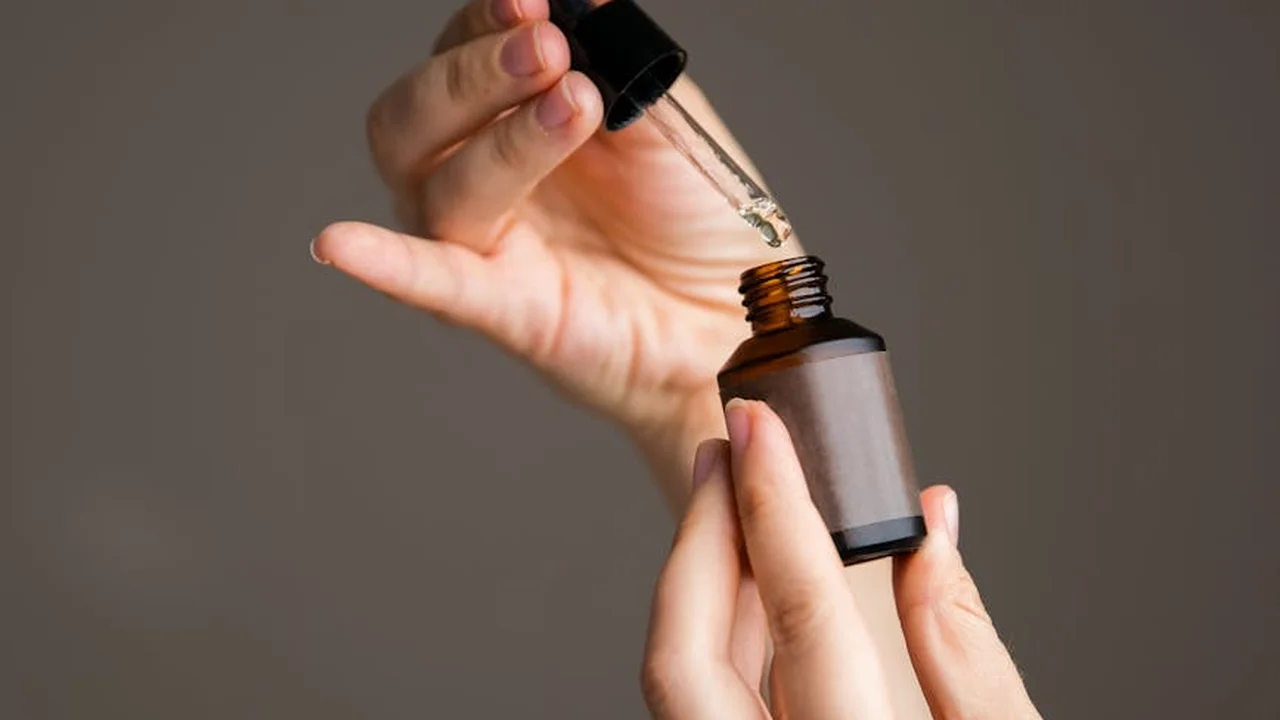
I get this question all the time. People find something that feels good, then wonder if there’s something better. My answer is always personal. What works for your skin on a Tuesday might not be right on a flare-up Friday. Let’s look at how coconut oil fits in.
No single oil is a magic cure. Coconut oil is a fantastic generalist, but sometimes your skin needs a specialist. Think of your shelf like a toolkit. You might grab a different tool for a quick moisturize versus calming angry, inflamed skin.
The best botanical for you is the one that feels right on your skin and fits the moment.
Side-by-Side Feel and Function
Texture and weight matter so much for skin that’s sensitive or painful. Here’s how a few favorites in my own apothecary stack up.
Shea Butter is heavier and richer than coconut oil. I reach for raw, unrefined shea when skin feels like cracked leather, especially on elbows or heels. It forms a more occlusive, protective barrier. Coconut oil sinks in faster, while shea butter sits on top a bit longer to really seal in moisture.
Jojoba Oil is lighter and feels more like our skin’s own sebum. If coconut oil ever feels a bit greasy or sits on your skin, try jojoba. It’s my go-to for facial dryness or for mixing with essential oils because it’s so gentle and absorbs so quickly.
Oat Oil is the specialist for intense flares. It has compounds that are specifically calming for that fiery, itchy feeling. Coconut oil is great for daily maintenance moisture, but during a psoriasis or eczema flare, I’ll often blend a few drops of oat oil into my coconut oil for extra soothing power.
You might also wonder, does castor oil help? It’s a much thicker, more viscous oil often used for drawing purposes or to support lash and brow health. For widespread dryness or eczema, I find its sticky texture less comfortable than coconut oil’s smoother glide.
Coconut oil is usually the most accessible and cost-effective place to start your journey with botanical skin care. You can find a good jar almost anywhere. In retail stores, check the cooking-oil aisle or the natural/organic section of supermarkets and drugstores. This makes it easy to compare brands and qualities. From there, you can explore and blend based on what your skin tells you it needs each day.
Navigating Safety and Choosing Your Jar
Before you scoop that oil, let’s talk safety and selection. Getting this right makes all the difference.
Who Should Tread Carefully?
Coconut oil is a friend to many, but not every skin type welcomes it with open arms.
If your skin is very oily, acne-prone, or sensitive, a patch test is your new best friend. Coconut oil has a comedogenic rating, which means it can clog pores for some people, unlike non-comedogenic oils that are safer for acne-prone skin.
Performing a patch test is simple and non-negotiable for a new product.
Smear a small dab on your inner arm or behind your ear. Leave it for 24 hours. Watch for redness, itching, or new bumps.
I always do this. It saved my neck from a reaction to a lovely but too-rich butter last winter.
Also, coconut is a tree nut. Allergic reactions through the skin are rare, but if you have a known nut allergy, please be extra mindful and consult your doctor.
Virgin vs. Refined: What’s on Your Shelf?
Not all coconut oils are created equal for your skin. Let’s look in the cupboard.
For skin care, virgin (or unrefined) coconut oil is the clear winner.
Virgin oil is pressed from fresh coconut meat without high heat or chemicals. It retains its light, tropical scent and, more importantly, more of its natural antioxidants and nutrients.
This is the jar I keep in my bathroom. It feels nourishing in a deeper way.
Refined coconut oil is processed further. It’s often odorless and has a higher smoke point for cooking.
You can use refined oil on your skin if it’s all you have. It will still moisturize. Think of it as a basic hydrator, while virgin oil is a nutrient-rich treatment.
Go check your kitchen jar right now. What does the label say? Knowing what you’re working with is the first step to using it well.
Quick Answers
Is coconut oil suitable for all skin types, including sensitive skin?
While many find it soothing, coconut oil can be comedogenic and may clog pores for oily or acne-prone skin. Always perform a 24-hour patch test on a small area, especially if you have sensitive or reactive skin.
How does coconut oil compare to other moisturizers for eczema and psoriasis?
Coconut oil is an excellent, accessible emollient that softens scales and seals in moisture. For intense flare-ups, some may find specialized oils like oat oil or heavier balms like shea butter provide more targeted calming.
Can coconut oil be used with other treatments for skin conditions?
Yes, it often can. Apply any prescribed medication first to clean, dry skin and allow it to absorb fully. Then, a thin layer of coconut oil can be used over the top to lock in hydration and provide an extra soothing barrier.
What type of coconut oil is best for skin care?
Always choose virgin or extra-virgin (unrefined) coconut oil for skin care. This type is processed without high heat or chemicals, preserving the natural antioxidants and nutrients that make it so nourishing. Exploring the key differences and benefits between virgin and refined coconut oil can guide your choices for skin, hair, or cooking.
Caring for Your Skin with Coconut Oil
The single most important practice is to use pure, virgin coconut oil consistently and gently on clean, damp skin. This simple, nurturing routine helps soothe dryness and support your skin’s own barrier function.
I share more from my own apothecary shelf on the Botanical Oils blog, and I hope you’ll follow along for further guidance. Trust your experience as you explore these oils for your body, skin, hair, wellness, and home.
Sources and Additional Information
- Can Coconut Oil Help Psoriasis Symptoms?
- Complementary and alternative medicine treatments for common skin diseases: A systematic review and meta-analysis – PMC
- Coconut Oil for Eczema: Does it Work? | National Eczema Association
- Coconut oil for eczema: How it works, benefits, and uses
Noemi Kamińska
Noemi is an accomplished wellness researcher, nutrition care guide and body care expert. She has years of experience in formulating various oil combinations for full body wellness including face, hair, body care, essential oils and cooking oils. She works as a bio-formulator working with oil chemistry and analyzing the best formulations when it comes to your needs. Feel free to reach out to get your oil needs sorted.