
How Do I Choose the Best Quality Castor Oil for Hair Growth and Skin Care?
Staring at rows of nearly identical bottles, you might feel stuck trying to pick a castor oil that actually works. After testing dozens in my practice, I can tell you that a truly effective oil comes down to two simple things: how it’s made and what’s left out.
I’ll walk you through the exact steps I use to select a pure, potent castor oil every time.
- Why the extraction method (cold-pressed vs. chemical) matters most for your skin and hair
- The real story behind different colors, like Jamaican Black versus clear castor oil
- How to read a label to spot fillers and poor-quality oil instantly
- The one type I always have on my own shelf for thick lashes and soft skin
Are All Castor Oils the Same?
No, they are not all the same. The processing method changes everything about the oil.
You will mainly find three types: cold-pressed, Jamaican Black Castor Oil (JBCO), and hydrogenated or pomace oil.
Cold-pressed castor oil is a pale, sun-bleached yellow. It has a thick, sticky texture, like warm honey. This oil is made by mechanically pressing the seeds without heat, which saves all the good stuff inside. I keep a bottle of this on my shelf for any recipe where I want a pure, gentle touch, like for my eyelashes or cuticles.
Jamaican Black Castor Oil is a different story. It’s a deep, rich brown with a warm, smoky aroma that reminds me of toasted nuts. It gets its color and scent from roasting the seeds before pressing, often with ash added. This makes it thicker. This is the one I use for my weekly scalp massage; its robust feel seems to really nourish my roots and deliver all the benefits castor oil has to offer.
Hydrogenated or pomace castor oil is usually much lighter in color and thinner. It is often processed with chemical solvents to get every last bit of oil from the seed cake. This can leave residues and make it less kind to your skin and hair.
The “best” oil simply depends on what you want to do with it. For a thick, penetrating treatment on your scalp, JBCO is a classic choice. For something lighter on delicate facial skin or eyebrows, cold-pressed is the way to go.
What Makes a Castor Oil “High Quality”?
Quality is a combination of factors you can check before you even open the bottle.
First, look for “cold-pressed” on the label. This is the biggest clue. It means the oil was squeezed out without harsh chemical solvents like hexane. To know if your castor oil is hexane free, the words “cold-pressed” or “expeller-pressed” are the only guarantees you need. Solvent-extracted oils can have traces left behind.
Your oil should live in a dark glass bottle. Amber or cobalt blue glass shields it from light, which slowly breaks down the oil and makes it less potent. The clear bottle in the discount bin is not a friend to quality.
Read the ingredient list. It should say one thing: 100% castor oil (Ricinus communis seed oil). For serious hair growth or skin care attempts, avoid blends that have other oils mixed in; you want the full strength of pure castor oil.
Finally, peek at the sourcing. A label that shares its origin, like “India” or “Brazil,” or one with an organic certification, shows the company cares about the journey from plant to you. It is a sign of transparency I always appreciate.
Choosing the Best Castor Oil for Your Hair
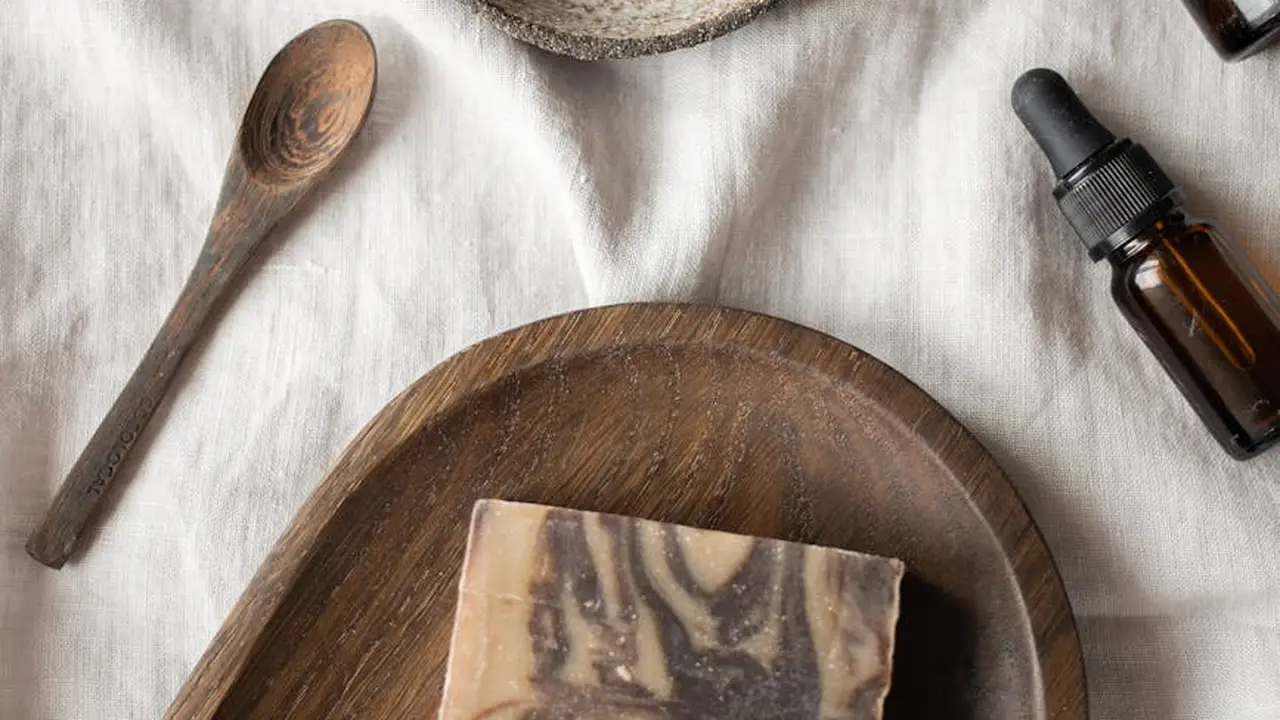
You’re here because you want stronger, thicker hair. I get it. My own journey with thinning edges led me to the castor oil shelf in my apothecary. The right castor oil can be a game-changer for your hair growth routine, but the choice matters.
Cold-Pressed vs. Jamaican Black Castor Oil: A Texture and Tradition Tale
Let’s talk about your two main choices. They come from the same bean but are processed differently, giving you distinct textures and benefits.
Cold-pressed castor oil is pale yellow and has a lighter, smoother feel. It’s extracted without heat, which preserves its natural ricinoleic acid content. Think of it like a high-quality, pure olive oil for your hair.
Jamaican Black Castor Oil (JBCO) is a different story. It’s dark amber, almost molasses-colored, and famously thick. The traditional method involves roasting the beans first. This creates the characteristic “ash” you might hear about. This ash isn’t dirt; it’s a byproduct of the roasting that many believe adds to the oil’s stimulating, thickening power on the scalp.
JBCO has a richer, smokier scent and a viscosity like warm honey. I keep a bottle of each on my shelf for different needs.
Which One is Right for Your Hair Goals?
For direct scalp stimulation and promoting thickness, my hands-down preference is Jamaican Black Castor Oil. Its thicker consistency gives you a satisfying, grippy feel when you massage it in. This helps increase circulation to those precious hair follicles. It’s my go-to for targeted treatments on edges and areas where I want more density.
Cold-pressed castor oil is a brilliant all-rounder. If you have finer hair that gets weighed down easily, cold-pressed is your friend because it’s much easier to work through strands without causing buildup. It’s also perfect for mixing into your favorite conditioner or a lighter carrier oil like jojoba for an all-over treatment.
Finding the Best Quality for Growth
So, what is the best quality castor oil for hair growth? Honestly, both high-quality versions can support growth. The “best” one depends on your hair’s texture and your personal preference for application. Beyond castor oil, you might wonder whether the best natural oils support hair growth health. Understanding how these oils impact growth and scalp health can help you decide which to try.
Look for oils that are 100% pure, hexane-free, and ideally organic. For Jamaican Black, seek out brands that use traditional pot-roasting methods. For my readers searching for the best quality castor oil in the UK for hair growth, the same rules apply. Check labels carefully. Many excellent UK-based suppliers import authentic JBCO and produce their own cold-pressed oils.
Remember, consistency is key. Whichever you choose, use it regularly. Start with a patch test. Massage a small amount into your scalp once or twice a week. Be patient. Your hair’s growth cycle takes time. Pair your oiling routine with a healthy diet and gentle handling for the best results.
Choosing the Best Castor Oil for Your Face and Skin
Moving from your scalp to your face is a different story. The skin here is more delicate, and a heavy oil can feel suffocating. Your choice needs to shift towards gentleness and purity.
On my own shelf, the bottle I reach for my nighttime facial routine is always cold-pressed. The process matters even more here.
Why Cold-Pressed Wins for Your Face
For your face, I strongly recommend 100% pure, cold-pressed castor oil. The cold-pressing method preserves the oil’s natural integrity and results in a slightly lighter, cleaner-feeling texture. Avoid any oil that feels sticky or smells harsh; that’s a sign of high heat or chemical processing your skin doesn’t need.
Think of it like choosing a facial serum versus a heavy-duty mechanic’s hand cream. You want the pure, gentle version.
Your Skin’s Protective Blanket
Castor oil acts as an excellent occlusive moisturizer. This means it forms a protective, breathable layer on top of your skin to seal in moisture. It doesn’t deeply hydrate on its own, but it locks in the benefits of the other products in your routine.
I find it incredibly soothing for areas that feel tight or rough. Used consistently, this sealing action can help smooth fine lines and support the skin’s natural softening over time, which may improve the appearance of scars. Patience is key; it’s a gentle caretaker, not an overnight miracle.
FAQs: Castor Oil for Skin, Face, and Eyes
Let’s address some common questions I hear in my practice.
What is the best quality castor oil for skin?
Look for a clear, pale yellow oil labeled “100% Pure,” “Cold-Pressed,” and preferably “Hexane-Free.” Jamaican Black castor oil is too thick and astringent for most facial skin. The gold standard is a simple, cold-pressed, organic oil.
Can I use castor oil for my face every day?
Yes, but listen to your skin. A drop or two mixed with a lighter oil like jojoba or argan is perfect for nightly use. If you feel any clogging, scale back to a few times a week.
Is castor oil safe for the under-eye area?
This requires great care. The skin here is the thinnest on your body. Never apply pure castor oil directly to your eyelids or too close to your lash line, as it can migrate into the eye and cause irritation. My method is to blend one drop of castor oil with three drops of a very light carrier oil like rosehip seed. I gently pat the tiniest amount on the orbital bone, not the mobile eyelid itself. Always do a patch test first.
Your At-Home Castor Oil Quality Checklist
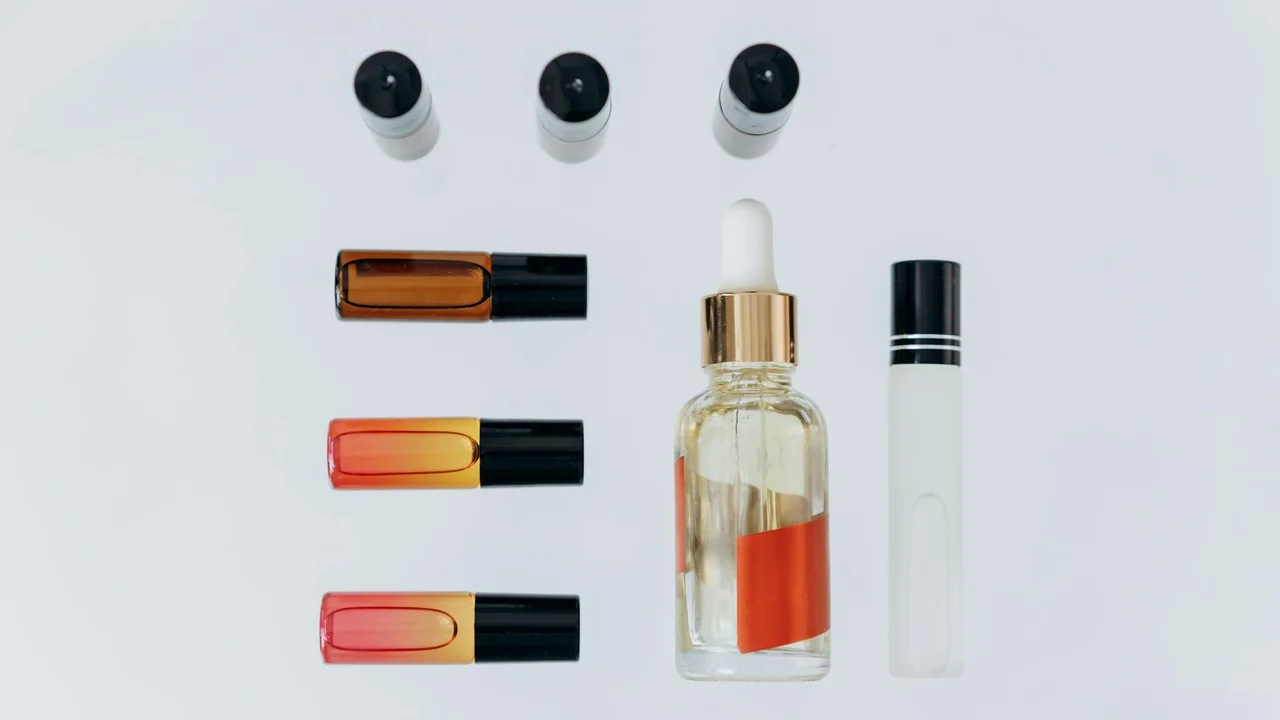
I keep this list taped inside my own pantry door. Use it to quickly sort the good oils from the rest, whether you’re scrolling online or standing in the store aisle.
-
Look for ‘100% Cold-Pressed’ on the label. This means the oil was squeezed from the castor bean without high heat or harsh chemicals. Cold-pressed oil retains more of its natural fatty acids, which is what your hair and skin crave. The texture should be richly viscous, like warm honey.
-
Always choose oil in a dark glass bottle, usually amber or cobalt blue. Light degrades oil over time, stealing its potency. A dark bottle is a simple sign the producer cares about preserving the oil’s benefits from their shelf to yours.
-
Verify it is hexane-free. Some manufacturers use hexane, a chemical solvent, to extract every last drop of oil from the seeds. I avoid these for body care. A “hexane-free” mention on the label or product website means a cleaner, gentler oil for your skin and scalp.
-
Find clear sourcing information. Trustworthy brands tell you where their castor beans grow. I look for specifics like “sourced from India” or “organic cultivation.” This transparency builds confidence in the oil’s quality and the ethics behind it.
How to Use Castor Oil Safely and Effectively
For Your Hair: A Simple Ritual
Think of this as a weekly treatment, not a daily product.
Start with dry or slightly damp hair. Part it into four sections. I use clips from my bathroom shelf to manage this.
Pour a very small amount, about a teaspoon total, into a small dish. Dip your fingertips in and massage it directly onto your scalp along each part line.
The goal is to nourish the scalp, not saturate the hair strands.
Its thickness means a little truly goes a long way. Using too much will make it very difficult to wash out later.
For much easier application, I almost always dilute it. Mix one part castor oil with two parts of a lighter oil like jojoba or sweet almond.
This blend spreads smoothly and feels less sticky.
Once applied, you can leave it on for at least 30 minutes or overnight. Just wear a old scarf or use a towel on your pillow.
Wash it out with a gentle shampoo. You might need two shampoos to remove all the oil and reveal soft, shiny hair.
For Your Skin: A Gentle Touch
Your skin can love castor oil, but always check first.
Do a patch test. Apply a dime sized amount to the inside of your elbow or behind your ear. Wait 24 hours. If you see no redness or itch, you are likely good to go.
For your face, apply it to clean, slightly damp skin. This helps the oil absorb better.
Warm three drops between your palms and gently press it onto your skin. You do not need to rub it in hard.
A tiny amount is perfect for sealing in moisture without feeling greasy.
For eyelashes and brows, precision is key. Never apply the oil directly from the bottle to your eye area.
Instead, put a drop on a clean surface. Use a clean, disposable mascara wand or spoolie to pick up a microscopic amount.
Lightly brush it along the lash line and brows before bed, as you would a clear gel. Be careful to avoid getting any in your eyes.
Common Mistakes and How to Avoid Them
Using too much oil, leading to a heavy, greasy result.
Castor oil has a dense, viscous texture that can feel like warm syrup. Pouring out too much creates a sticky film that weighs hair down and can clog pores on skin.
Begin with less than you think you need-just a pea sized drop for your scalp or a single drop for your face. I warm it between my palms first to make it easier to spread. On my shelf, a small bottle with a dropper prevents over pouring every time.
Applying it to dirty hair or skin, which can trap debris.
Oil acts like a seal. If your hair has product buildup or your skin has sweat and dirt, the oil will lock it all in place.
Make sure your hair and skin are completely clean and slightly damp before you apply any castor oil. I use it on my face right after washing, and on my hair ends right after a shower. This helps it absorb into a fresh surface instead of sitting on top of grime.
Expecting overnight miracles; emphasize consistency over time.
I see people try castor oil once and get discouraged when their hair doesn’t grow an inch by morning. Botanical oils work slowly by nourishing from within, especially compared to peppermint oil.
Real change comes from regular, patient use over weeks and months, not from a single application. For my eyelashes, I applied a tiny bit each night for two full months before I noticed a real difference in thickness. Consistency is your best tool.
Choosing the wrong type for the task (e.g., using thick JBCO directly on facial skin).
Jamaican Black Castor Oil (JBCO) is thicker and has a robust, smoky aroma from its roasting process. It’s wonderful for coarse hair but much too heavy for the delicate skin on your face.
Select a cold pressed, hexane free castor oil for facial or body skin care, as it is lighter and far less likely to cause irritation. For my own facial routine, I mix one drop of clear castor oil with a light carrier oil like jojoba. This gives the benefits without the greasy residue. Curious about the benefits and uses of castor oil for facial skin? It’s commonly cited for hydration and gentle skin support.
What Helped Me: A Note from My Shelf

On my bathroom shelf, you’ll find two different bottles of castor oil. This wasn’t always the case, but it made all the difference for my routine.
I keep a clear, cold-pressed bottle by the sink for my nightly ritual. Its light texture is perfect for applying to lashes, brows, and cuticles without feeling heavy. Thick, dark Jamaican Black Castor Oil (JBCO) lives in the shower caddy for weekend scalp treatments. The warmth helps it spread easily through my roots.
Their scents tell you everything about their process. The cold-pressed oil is nearly odorless, just a faintly earthy note. The JBCO has a distinct, smoky aroma that reminds me of toasted seeds or warm leather. Neither is unpleasant, but they are different.
Choosing a quality oil feels complex with all the labels, but it becomes simple when you focus on just a few key terms. Your goal isn’t to find the one perfect oil, but the right one for your specific need. Start with that, and you’re already on the right path.
Your Castor Oil Questions, Answered
What is the best quality castor oil for hair growth?
For stimulating the scalp, a high-quality, traditionally made Jamaican Black Castor Oil is often preferred for its thick texture. For finer hair or easier application, a pure, cold-pressed castor oil diluted with a lighter carrier oil works beautifully.
What is the best quality castor oil for my face?
Always choose a 100% pure, cold-pressed (hexane-free) castor oil for facial skin. Its lighter texture and clean processing make it gentle enough for delicate skin without clogging pores.
How do I find the best quality castor oil in the UK?
Apply the same quality checklist: seek out UK suppliers who specify “cold-pressed,” use dark glass bottles, and offer clear sourcing, often from India or Brazil. Many reputable brands import authentic, high-quality oils.
Is it safe to use castor oil on my eyelashes?
Yes, but with extreme care. Use only a minuscule amount of pure, cold-pressed oil and apply it with a clean spoolie, avoiding the lash line to prevent migration into the eye. A patch test is essential first. Even then, it may not work as just a remedy for eyelash growth.
Why does the bottle color matter for quality?
Dark amber or cobalt blue glass protects the oil’s potency by shielding it from light degradation. This simple choice shows the producer prioritizes preserving the oil’s benefits from their shelf to yours.
Your Botanical Apothecary Awaits
The single most important step is choosing a cold-pressed, hexane-free oil from a source you trust. This foundational quality ensures the oil’s natural vitamins and fatty acids remain intact, ready to support your hair and skin. Everything else builds from that solid starting point.
I encourage you to follow along here as we explore more oils for body, skin, hair, wellness and home. Trust the process, start simple, and always listen to what your own body tells you-that’s the true secret my own shelf has taught me.
Research and Related Sources
- Does Castor Oil Make Your Hair Grow?
- Castor Oil for Hair Growth: The Truth, According to Experts in 2024 | Allure
- Should You Try Castor Oil for Thicker Hair?
- Amazon.com: 4oz Organic Cold Pressed Jamaican Black Castor Oil for Hair Growth and Damaged, Dry Scalp – Unscented, Hexane-Free : Beauty & Personal Care
Noemi is an accomplished wellness researcher, nutrition care guide and body care expert. She has years of experience in formulating various oil combinations for full body wellness including face, hair, body care, essential oils and cooking oils. She works as a bio-formulator working with oil chemistry and analyzing the best formulations when it comes to your needs. Feel free to reach out to get your oil needs sorted.