
Can Coconut Oil Really Help Your Hair Grow, and Is It Safe to Use?
If you’re staring at a jar of coconut oil and wondering if it can fix thinning hair, I’ve been there with my own clients. From my home apothecary, I can tell you that coconut oil is a powerful ally for hair, but using it correctly makes all the difference.
This guide will walk you through the safe, effective ways I use coconut oil to support healthy hair.
- How coconut oil actually works on your hair and scalp
- Clear safety tips for different hair types and conditions
- My personal, step-by-step treatment routine
- Choosing the best type of coconut oil for your goals
Key Takeaways: Your Quick Guide
Let’s start with what you really need to know.
- Coconut oil works by reducing protein loss in your hair strands, which can prevent breakage and help you retain length, but it does not make hair follicles produce new growth.
- It is generally safe, but using too much or the wrong type for your hair can lead to buildup, dryness, or a stiff feel, which is why some people worry it causes hair loss.
- You must use pure, unrefined virgin coconut oil for your hair, not the processed cooking oil from your kitchen cabinet.
- Your results will depend entirely on your hair’s texture and how you apply the oil. What works for my thick, wavy hair may not suit your fine, straight strands.
Can Coconut Oil Actually Make Your Hair Grow?
This is the big question. I see it all the time in forums and comments.
Here is the honest truth from my shelf and the science. Coconut oil is fantastic for hair health. Its unique structure, rich in medium-chain fatty acids like lauric acid, allows it to penetrate the hair shaft deeply. This penetration helps fill gaps in the hair’s protein structure, reducing the amount of protein that washes out during shampooing. There are key differences between virgin and refined coconut oil, affecting their benefits for skin, hair, and cooking. Choosing the right type lets you tailor its use from scalp to skillet.
Less protein loss means each individual hair strand is stronger and more flexible. It is less likely to snap when you brush or style it.
So, while coconut oil won’t wake up dormant follicles or speed up your scalp’s growth cycle, it is a brilliant protector. It helps you keep the hair you grow. Healthier hair that breaks less often looks and feels fuller, giving you the appearance of faster, thicker growth over time. Some readers also wonder if these benefits apply to beards. We’ll explore whether coconut oil can promote beard growth, how to use it, and the results you might see.
This isn’t a new idea. For generations in tropical coastal regions, people have used coconut oil as a shield against sun, salt, and wind. They knew it kept hair looking and feeling resilient long before we had the studies to explain why. In many coastal communities, it was also applied to the skin as a natural sunscreen. It provided lightweight protection as part of daily sun care.
The Protein Myth and Moisture Reality
Let’s clear up a common mix-up. I’ve heard many folks call coconut oil a “protein treatment.”
It is not. The oil itself contains no keratin or hair protein. Think of it instead as a superior moisture sealant. It locks the water and goodness from your conditioner or hair mask *inside* the hair shaft.
Imagine your hair is like a sponge. A dry sponge is brittle and cracks easily. A damp sponge is flexible. Coconut oil acts like a light coating around that damp sponge, slowing down how quickly the water evaporates.
The sensory experience is part of its charm. In my apothe cupboard, it’s a solid, creamy white mass in the jar. Scoop a little into your palms, and the warmth of your skin melts it instantly into a silky, almost clear liquid. That transformation from solid to liquid is your clue that a little goes a very long way. You are working with a potent, concentrated botanical, not a lightweight leave-in conditioner.
Is Coconut Oil Safe, or Can It Cause Hair Problems?
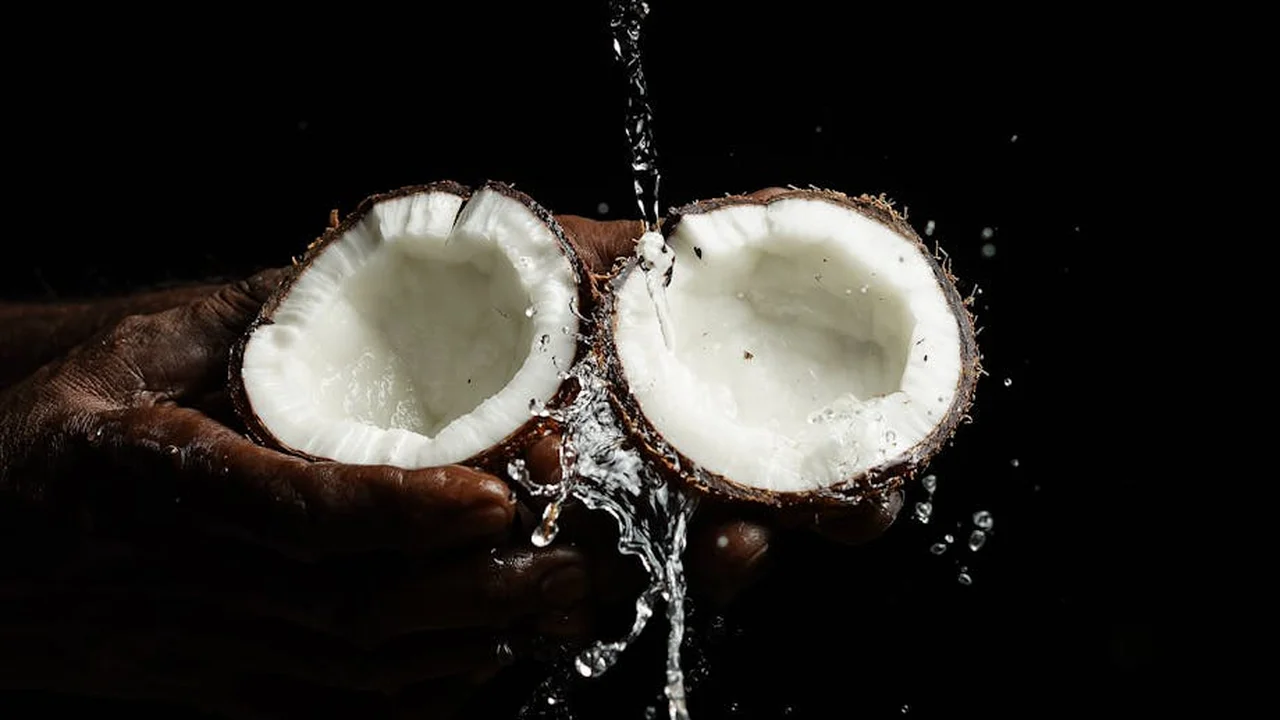
Let’s tackle the worry head-on. The short answer is no, pure coconut oil does not make your hair fall out from the root. True hair loss happens at the follicle level, and coconut oil doesn’t penetrate that deeply to cause it.
What it can cause is breakage. If you use too much, or if your hair simply doesn’t agree with it, the oil can build up. This makes strands stiff and brittle. They snap off more easily, which can look like thinning hair. A rare allergic reaction on the scalp could also cause temporary shedding.
Hair Types That Should Tread Carefully
Not every head of hair will sing praises for coconut oil. Even the most reliable sources sometimes overstate its benefits. I keep a different oil on my shelf for these specific cases.
- Low-porosity hair: Your hair cuticles are tight and lie flat. Thick coconut oil often sits on top like a waxy coat instead of sinking in, leaving hair feeling heavy and greasy.
- Very fine or thin hair: The weight of the oil can easily overwhelm delicate strands, flattening volume and making hair look stringy.
- Naturally very straight, silky hair: This hair type often has lower porosity too. Coconut oil can slide right off, failing to moisturize and just adding oiliness.
The Non-Negotiable First Step: Patch Test
Never skip this. Your scalp is skin, and it can react.
- Apply a dime-sized amount of melted coconut oil to a small area on your inner arm.
- Cover it with a bandage and leave it for 24 hours.
- Check for any redness, itching, or bumps. If your skin is clear, it’s likely safe for your scalp.
I always patch test, even with oils I’ve used for years, because skin sensitivity can change. If you have sensitive skin, consider starting with refined coconut oil, which has less of the proteins that sometimes cause reactions. For more options, look into best oils for sensitive skin and hypoallergenic picks. And as always, patch test safely before use.
Avoiding Buildup and Clogged Follicles
Think of your scalp like the skin on your face. Smothering it in thick oil every day without proper cleansing can clog pores, or hair follicles. This can lead to scalp acne or inflammation that isn’t ideal for healthy growth.
The key is moderation and thorough cleansing. If you use coconut oil as a pre-wash treatment, follow it with a gentle, clarifying shampoo. Consider whether to apply oil before or after washing, depending on your hair type. Look for formulas that mention cutting through buildup. Best practices vary: dry or curly hair may benefit from post-wash sealing, while oily scalps may respond better to a lighter pre-wash application. Sometimes, I do a simple apple cider vinegar rinse after an oil treatment to make sure my scalp is residue-free and balanced.
How to Use Coconut Oil on Hair: A Practical, Step-by-Step Guide
Should you apply coconut oil to wet or dry hair? I always recommend applying it to slightly damp, towel-dried hair for the best results. The little bit of moisture helps the oil sink in more evenly without just sitting on top—but not all oils are the same.
You can use coconut oil in a few simple ways. As a pre-shampoo treatment, it coats the hair shaft to prevent stripping during washing. For direct care, use it for a scalp massage or as a tiny leave-in conditioner just for dry ends. Remember to wash it out properly afterward to avoid any oil buildup, especially if used for longer periods.
Start with a small scoop, about the size of a pea. Rub it firmly between your palms until it melts from your body heat, turning from a solid white into a clear, slick liquid. This makes application much easier.
Treatment time is flexible. A quick 30-minute treatment is perfect for a moisture boost, while leaving it on overnight allows for deep conditioning. Just know that overnight treatments require a bit more setup to avoid a mess.
Your Coconut Oil Treatment Checklist
Here is my go-to routine for a weekly treatment. Follow these steps in order for a simple, effective session.
- Begin with dry, detangled hair. This stops you from tugging and breaking strands later.
- Section your hair into two or four parts. I use basic clips from my kit to keep things manageable.
- Melt about one teaspoon of coconut oil in your hands. Massage it onto your scalp using gentle circular motions with your fingertips.
- Work the remaining oil down the length of your hair to the ends, coating strands lightly.
- Cover your hair completely with a plastic shower cap. This traps your natural warmth and helps the oil penetrate.
- Wash it out with a gentle, sulfate-free shampoo. You may need to shampoo twice to fully remove the oil.
If you choose an overnight treatment, lay an old t-shirt over your pillowcase first. It absorbs any oil that seeps out and is much easier to wash than a pillow.
For Scalp Health: Addressing Dandruff and Ingrown Hairs
Can coconut oil help ingrown hairs? It can, especially when used to create a gentle physical exfoliant. Mix a tablespoon of coconut oil with a teaspoon of fine sugar to make a paste.
Gently massage this scrub onto the skin where ingrown hairs are. The sugar helps slough away dead skin, while the oil lubricates and soothes, allowing the hair to surface. I use this on my legs after shaving.
For a flaky scalp, coconut oil’s mild antifungal properties can offer some relief. A light scalp massage with pure oil may calm mild, dry flakiness. But if your dandruff is severe or feels oily, coconut oil might make it worse by adding to the buildup.
Choosing the Right Approach for Your Hair Type
Yes, coconut oil absolutely can help frizzy hair.
It works as a fantastic anti-humectant. This means it creates a light, waxy seal over your hair shaft that blocks excess moisture from the humid air from getting in and puffing up the cuticle.
That sealing action is what makes it such a reliable frizz-tamer, especially on damp days.
I keep a small jar of fractionated coconut oil on my bathroom shelf just for smoothing a single drop over my ends when the weather turns muggy.
Working with Curls and Coils
Coconut oil hair care facts for curly hair are a bit of a balancing act.
The oil is brilliant for defining curls because it coats each strand, helping clumps form and reducing breakage from tangles.
Used pure, it can be too heavy for many curls, leading to a limp or greasy look instead of springy definition.
My favorite trick is to mix it with lighter oils.
This gives you the benefits without the weight.
- Try blending one part melted coconut oil with two parts argan or grapeseed oil.
- Apply this mix only to the mid-lengths and ends of your damp hair, scrunching it in.
- You get shine, definition, and less frizz without the oil overload.
Tailoring It to Your Texture
Your hair’s thickness and history change the game.
For Thick, Coarse Hair
You can use more coconut oil, and use it more often.
This hair type often soaks it up, craving that deep moisture. A weekly pre-wash treatment is a great habit.
For Fine, Thin Hair
Use coconut oil very sparingly.
A pea-sized amount, warmed between your palms, is often enough for your entire head.
Focus it on the very ends only. I recommend a light, overnight pre-wash treatment on just your ends instead of a full scalp mask.
For Chemically Treated or Damaged Hair
Coconut oil is excellent here.
Its structure lets it penetrate deep into damaged areas, filling in gaps and temporarily patching up the hair shaft.
This makes hair feel stronger, smoother, and look shinier almost immediately.
A Note on Cultural Hair Care Contexts
In many Black hair care traditions, coconut oil is a cherished staple.
You’ll often see it within richer creams and butters, blended with shea or cocoa butter, to provide intense moisture and sealant properties for coils and kinks that need it.
In this context, it’s valued as a key component of a layered moisture strategy, not always a standalone product.
The preference for these richer formulations makes perfect sense for very textured hair that benefits from heavier sealing to retain hydration.
Coconut Oil vs. Other Popular Hair Oils
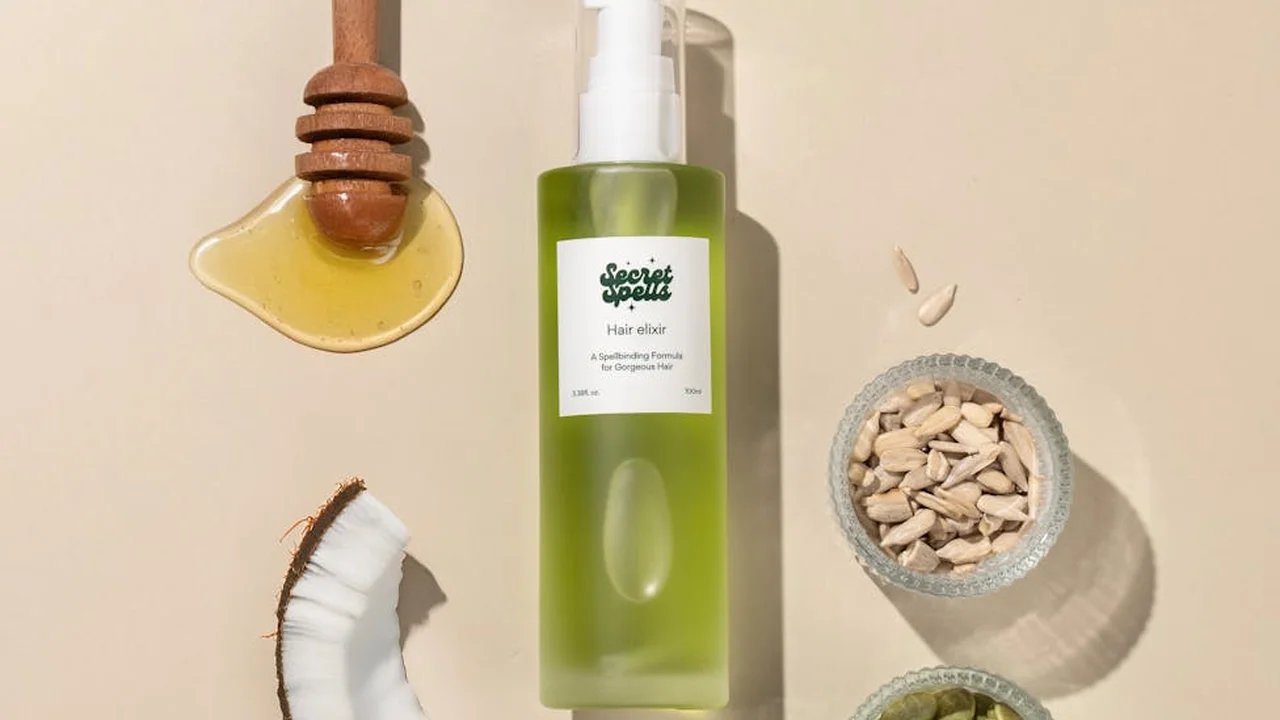
Choosing a hair oil can feel overwhelming with so many jars on the shelf. I keep several in my own cabinet, each for a different purpose. Knowing how oils differ in feel and function helps you pick the right one for your hair’s specific needs.
This quick comparison looks at four common choices, focusing on what you’ll notice when you use them.
| Oil | Texture | Scent | Best Use for Hair |
|---|---|---|---|
| Coconut Oil | Firm and solid at cool room temperature. It melts into a rich, medium-to-heavy oil. | A warm, distinctly nutty, and sweet aroma. | Its unique structure allows it to penetrate deep into the hair shaft to prevent protein loss and add internal strength. |
| Jojoba Oil | Light, liquid, and non-greasy. It feels very similar to our skin’s natural oils. | Extremely mild and neutral, with almost no detectable scent. | An excellent surface moisturizer that mimics scalp sebum, ideal for balancing oil production without weighing hair down. |
| Argan Oil | Light to medium weight with a silky, smooth texture that absorbs fairly quickly. | A soft, nutty fragrance, but much more subtle and refined than coconut oil. | Brilliant for adding luminous shine and smoothing the hair’s outer cuticle to control frizz and flyaways. |
| Almond Oil | Lightweight and very spreadable, leaving a soft feel without heaviness. | A faint, sweet, barely-there scent that often goes unnoticed. | Gentle surface conditioning for both hair and scalp, a wonderful choice for sensitive skin or fine hair types. |
Creating Your Own Balanced Blends
You do not have to choose just one. Blending lets you combine the deep treatment of coconut oil with the lighter benefits of others.
In my routine, I often scoop a little solid coconut oil into a palm and mix it with a few drops of a lighter oil right before applying. To maximize effectiveness of natural hair growth oils, I target the scalp with this blend and keep a consistent routine. Regular use helps ensure you’re getting the most out of the oils. This custom blend tailors the treatment to your hair’s texture and your personal preference for feel.
Simple Blend Ideas to Try
- For Dry, Thick Hair: Mix 1 part melted coconut oil with 1 part argan oil. This gives deep moisture plus a beautiful, silken finish.
- For Fine or Oily Hair: Combine 1 part coconut oil with 2 parts jojoba oil. The jojoba lightens the blend and helps regulate your scalp.
- For a Soothing Scalp Treatment: Blend coconut oil with an equal amount of almond oil for gentle, moisturizing relief that is not too heavy.
Always start with a small test patch on your skin, like your inner arm, to check for any reaction. For the best results and safety, I recommend using organic, cold-pressed oils whenever you can find them. They retain more of their natural goodness.
From My Shelf: A Simple Coconut Oil Hair Cream Recipe
What helped me was creating a simple cream. I found pure coconut oil a bit heavy for my fine hair, especially during the day. I wanted something I could use for a touch of softness and frizz control without that classic, slicked-back oil look.
This is my go-to coconut oil hair cream recipe. It’s a whipped blend that feels luxurious but is incredibly simple.
What You’ll Need
- Virgin coconut oil: ½ cup. This is our star, packed with those lauric acid benefits.
- A lighter carrier oil: ¼ cup. I use grapeseed oil for its thin, almost dry texture. Sweet almond or jojoba oil work beautifully too.
- Essential oils (optional): 10-15 drops total. For hair, I love rosemary for its fresh, herbaceous scent. Lavender or cedarwood are also lovely choices.
How to Make It
Make sure your coconut oil is at room temperature and soft, not liquid or rock solid. If you’ll be using it for cooking or as a body oil, you might melt it to liquify before use. Scoop it into a mixing bowl.
- Add the lighter carrier oil and your chosen essential oils to the bowl with the coconut oil.
- Using a hand mixer or a sturdy whisk, whip the oils together for 2-4 minutes. You’ll see it transform from a lumpy mixture into a light, fluffy, pale cream.
- Scoop the finished cream into a clean, dry jar. It stays solid at cool room temperature but will melt if it gets too warm.
The whipping process incorporates air, creating a texture that’s much easier to scoop and apply than solid oil.
Why a Cream Works Better
Using a whipped cream instead of pure oil was a game-changer for me. The lighter oil cuts through the density of the coconut oil, making it less likely to weigh hair down.
Application becomes precise. You can take a tiny dab, rub it between your palms, and smooth it over ends or flyaways. You get all the conditioning benefits without that heavy, greasy feel, which makes it suitable for more hair types.
A Key Tip Before You Begin
Hair is personal. I always recommend testing a small batch first. Whip up a tablespoon of each oil to see if your hair likes the blend. This way, you can adjust the ratio for your hair’s thickness and texture before making a full jar.
Your Questions, Answered
Why is coconut oil such a staple in many Black hair care traditions?
Its unique ability to penetrate and seal moisture is especially beneficial for coils and kinks that are prone to dryness. In these traditions, it’s often expertly blended into richer creams and butters as part of a layered, protective moisture strategy.
What’s the advantage of using a coconut oil hair cream over pure oil?
A whipped cream blends coconut oil with lighter oils, making it much easier to apply without overloading your hair. You get the deep conditioning benefits in a texture that’s less likely to feel greasy or heavy on finer or denser curls.
Does coconut oil have a long history in hair care, or is it a new trend?
Its use is deeply traditional, especially in tropical regions where it served as a natural shield for hair against sun, salt, and wind for generations. Modern science has simply helped us understand *why* it works so well as a protective sealant.
My curly hair feels weighed down by pure coconut oil. What can I do?
Try using it as a pre-wash treatment instead of a leave-in, or blend it with a lighter oil like argan. Applying the mixture only to your damp mid-lengths and ends can provide definition and reduce frizz without the heaviness.
Can I make an effective coconut oil hair cream at home?
Absolutely. Whipping room-temperature virgin coconut oil with a lighter carrier oil, like grapeseed or jojoba, creates a fluffy cream that’s easier to use. Always test a small batch first to perfect the ratio for your specific hair texture.
Nurturing Your Hair’s Natural Journey
From my own apothecary shelf, the most reliable advice is to use virgin coconut oil as a gentle, weekly pre-wash treatment. This consistent practice protects your hair strands and supports a healthy scalp, which is the true foundation for growth.
I write about these simple rituals often on the blog. Trust your hands and your hair’s response as you explore; that personal wisdom is just as valuable.
Further Reading & Sources
- Coconut Oil for Hair Growth: Research, Efficacy, and More
- r/HaircareScience on Reddit: How good is coconut oil for hair growth?
- Coconut Oil for Hair Growth: 6 Reasons Why Your Hair Deserves It – Lucy Bee
- Mix this oil with coconut oil to grow hair on bald patches
Noemi Kamińska
Noemi is an accomplished wellness researcher, nutrition care guide and body care expert. She has years of experience in formulating various oil combinations for full body wellness including face, hair, body care, essential oils and cooking oils. She works as a bio-formulator working with oil chemistry and analyzing the best formulations when it comes to your needs. Feel free to reach out to get your oil needs sorted.