How Do Natural Tanning Oils Work for a Safe, Dark Tan?
You’re looking for a sun-kissed glow without the harshness of synthetic tanners, and I understand that search. From my shelf, I’ve learned that natural oils can gently coax your skin to darken while offering a layer of care under the sun.
This guide will show you how specific plant oils interact with sunlight and your skin to promote a deeper, healthier-looking tan.
- The simple science behind oil-enhanced tanning
- Which carrier and essential oils are most effective for darkening
- Practical steps for safe application and sun care
- My personal favorite oil blends from my own apothecary
The Simple Truth: How Natural Oils Interact with Sunlight
First, let’s clear something up from my own shelf. The dark amber bottle in my cabinet labeled “tanning blend” contains no dihydroxyacetone (DHA), the active ingredient in sunless tanners. It’s just a mix of nurturing plant oils and a few drops of carrot seed essential oil for its reputed properties. Natural tanning oils do not contain chemicals that dye your skin; they work by creating a relationship between your skin and the sun.
When you apply a thin, even layer of oil, you’re giving your skin a sheer, hydrating veil. I think of it like preparing a canvas. Dry, flaky skin can tan in a patchy, uneven way. A well-moisturized canvas accepts color more uniformly. The oil film helps your skin retain its own moisture under the sun’s heat, which can prevent that tight, parched feeling that leads to peeling.
This hydrated, smooth surface may allow UV rays to penetrate more evenly. Some oils, like raspberry seed or carrot seed oil, are also celebrated in herbal traditions for their natural antioxidant profiles. They are not a sunscreen, but they might offer a whisper of support against environmental stressors. The core function is to condition your skin so it can develop its natural pigment, melanin, as effectively as possible.
So, do they work? They can support your skin’s own tanning process. They are not a magic bullet. If your skin doesn’t produce much melanin, an oil won’t change that. What it will do is ensure your skin is nourished during the process, which often leads to a richer, longer-lasting glow. It’s about working with your biology, not tricking it.
Tanning Oil or Self-Tanner? Knowing Your Tools
This is the most important distinction for setting safe, realistic expectations. I see them as completely different tools for different jobs. Confusing them can lead to disappointment or even sunburn.
A self-tanner is a cosmetic dye. It uses ingredients like DHA to create a color change on the very top layer of your skin cells. It’s a surface treatment. Natural tanning oil is a skin conditioner that requires the sun’s UV rays to activate your body’s melanin production deep in the skin.
Think of it this way: a self-tanner is like applying a tinted stain to wood. A natural tanning oil is like feeding the wood a nourishing polish before letting the sun naturally darken its hue. One creates an immediate, external result. The other supports a slower, internal process.
Choosing the right tool comes down to your goal and your commitment to sun safety. If you want color today without a single UV ray, a self-tanner is your only option. If you enjoy being in the sun and want to cultivate a gradual, natural glow while caring for your skin, a well-formulated natural oil can be a beautiful companion. Always, always pair it with conscious sun exposure-short, regular sessions, avoiding peak hours-and never consider it a replacement for sunscreen when you plan to be out for extended time.
Your Skin’s Tanning Partners: A Guide to Effective Oils

Think of choosing a tanning oil like finding a good partner. The goal is compatibility, not just picking the “best” one.
Your skin type, your scent preferences, and even the fabrics of your beach towel all matter. I have a few trusted bottles on my own shelf for different moods and needs.
Coconut Oil: The Classic Beach Companion
That tropical, slightly sweet scent is summer in a jar. It starts solid but melts quickly on warm skin into a silky liquid.
It’s a favorite for a reason-its fatty acids are superb at locking in your skin’s own moisture, which can help prevent a dry, flaky tan. I reach for it when my skin feels resilient.
If your skin is prone to clogged pores or breakouts, you might find it a bit too rich. For everyone else, it’s a reliable, hydrating companion.
Olive Oil: The Kitchen Cabinet Contender
Can you use olive oil to tan? Yes. Will olive oil give you a tan? No faster than any other oil, but its rich texture can support the process for certain skin types.
It has a distinct, green, earthy aroma and a thicker, more viscous feel than coconut or jojoba.
I consider it a specialist-it works wonders on very dry, tough patches like elbows, knees, and heels that often refuse to tan evenly.
The heavy feel isn’t for everyone, and it can leave a slight stain on light-colored fabrics, so choose your beach towel with that in mind.
Jojoba Oil: The Skin-Mimicking Balancer
Jojoba is technically a liquid wax, and its structure is remarkably similar to our skin’s own sebum. This makes it a brilliant communicator with your body.
It has a very light, barely-there texture and almost no scent.
Because it so closely matches what your skin produces, it’s a gentle, non-greasy option that balances both oily and dry skin types beautifully. It’s my go-back-to base for most custom blends.
Sesame Oil: The Ancient Sun Shield
This oil has a warm, nutty aroma that reminds me of toasted seeds. It’s been used for centuries in Ayurvedic traditions for body care in the sun.
Sesame oil contains a compound called sesamol, which is believed to offer minimal, natural protection against UV rays. Think of it as a very light, natural buffer, not a shield.
It is absolutely not a substitute for proper SPF sunscreen, but it carries a lovely historical wisdom for sun care routines.
Carrot Seed Oil: The Potent Accelerant
This one requires a major safety note first. Carrot seed oil is a powerful essential oil, not a carrier oil you slather on.
It must be heavily diluted in a carrier oil like jojoba or coconut before it touches your skin. I keep a small amber bottle of it for blending. Proper dilution is crucial when using essential oils for body treatments.
It has a deep, earthy, root-like scent and a reputation in herbalism for encouraging healthy melanin production. For a safe and effective blend, I never use more than 1 drop of carrot seed essential oil per tablespoon of carrier oil. This tiny amount is potent enough to support your tan without irritating your skin.
Oils to Approach with Caution or Avoid
This is where a little knowledge makes a big difference. Some oils you might think of can do more harm than good when it comes to sun exposure, like coconut oil.
Can You Use Cooking Oil to Tan?
I get this question a lot. The short answer is yes, but you really shouldn’t. Using canola, vegetable, or corn oil from your kitchen cabinet is a common temptation, but it’s not a great idea for your skin.
These oils are processed for cooking, not for skin care. They’re often highly refined, which strips away any natural antioxidants that could be beneficial. On your skin, they tend to sit in a thick, greasy layer, unlike specialized botanical oils used in skincare.
This greasy film can actually cook onto your skin in the sun, potentially leading to clogged pores and irritation. They offer zero natural sun protection and don’t nourish your skin like a dedicated carrier oil would. For a safe glow, skip the kitchen bottle.
The Serious Risk of Phototoxic Oils
This is the most critical safety point I share with anyone using oils before sun exposure. Some essential oils, primarily from the citrus family, are phototoxic.
Phototoxicity means a chemical reaction occurs when the oil on your skin is exposed to UV light. It doesn’t give you a tan. It causes a severe burn, blistering, or dark, patchy staining that can last for months.
Oils like bergamot (unless labeled “FCF” or bergapten-free), lime, lemon, bitter orange, and angelica root are the main culprits. I keep my bergamot strictly for evening diffuser blends or well-diluted perfumes worn under clothing.
Never apply these phototoxic essential oils, even when diluted, to skin that will see the sun within 12-24 hours. Always check for this warning with any new citrus oil. It’s a mistake you only make once, and the results are painfully memorable.
How to Apply Oil for an Even, Golden Glow
Getting that smooth, streak-free color starts well before you step into the sun. The right prep and technique make all the difference.
Your Pre-Tan Prep: A Simple Routine
Think of your skin like a canvas. You want it smooth and receptive for the best results.
About 24 hours before you plan to tan, gently exfoliate your skin. I use a simple scrub made from sugar and a bit of jojoba oil from my shelf.
This removes dead skin cells that can create a patchy, flaky tan.
Follow with a light, non-greasy moisturizer to soothe, but skip heavy creams on the day you tan.
Step-by-Step Application for Perfection
When it’s time, follow these steps. They’re simple but effective.
- Start with Slightly Damp Skin. Pat your skin dry after a shower, leaving it a tiny bit moist. This helps the oil spread like a dream and absorbs evenly.
- Warm the Oil in Your Palms. Pour a generous amount into your hands and rub them together for a moment. This wakes up the botanicals and makes application smoother.
- Use Long, Generous Strokes. Apply in sweeping motions following your body’s contours. Don’t rub vigorously in circles. You’re coating the skin, not scrubbing it.
- Massage Until Just Absorbed. Gently massage the oil in until your skin has a soft, radiant sheen. It should not feel thick or sticky.
The Pro Tip for Tricky Spots
Pay extra attention to dry areas like your ankles, knees, and elbows.
These spots have thicker skin and tend to drink up oil faster, which can lead to darker, uneven patches.
I apply a very thin layer of my plain moisturizer to these areas first, then go over them lightly with the tanning oil. It acts as a subtle buffer.
How Long Until You See Color?
This is a common question, and the answer is key. The oil itself doesn’t “tan” you.
Natural tanning oils work by enhancing your skin’s exposure to UV rays. The time it takes to see color depends entirely on your skin’s own melanin response.
You might notice a warm glow after one session, but building a deeper tan typically requires repeated, short exposures over several days.
Always, always pair your oil with mindful sun habits. Start with 15-20 minutes maximum, and never stay out long enough to burn.
The Non-Negotiable: Sun Care and Safety First
Let’s get one thing straight from my apothecary shelf to your beach bag. No natural oil provides reliable, standalone SPF protection against sunburn and skin damage. Some oils, like raspberry seed or carrot seed, have studied SPF properties, but these numbers are low and wildly inconsistent in real-world use. If you’re curious about which natural oils actually provide SPF and how effective they are, that’s the next question we’ll unpack.
Relying on them alone is like trusting a screen door to stop a storm.
Does Tanning Oil Keep You From Burning?
The answer is a gentle, empathetic, but firm no. A tanning oil’s job is to moisturize and potentially help you tan faster by concentrating UV rays, not to block them. Using a natural oil alone for sunbathing will not prevent a burn; it often invites one. Your skin will still absorb the full intensity of UVA and UVB rays, even if you use natural oils like coconut oil for skincare.
I see this confusion a lot. An oil might make your skin feel slick and protected, but that feeling is a sensory trick. True protection is invisible and comes from verified ingredients.
Can You Mix Tanning Oil and Sunscreen?
This is a critical question. I understand the desire to blend your favorite coconut scent with your sunscreen. Please don’t mix them together in your hand before applying. Mixing an oil directly into your sunscreen can dilute and destabilize the SPF formula, creating uneven and unreliable protection. You’re essentially watering down your best defense. Even though coconut oil is often touted as a natural sunscreen, it does not provide adequate sun protection on its own.
There is a safe way to layer them, though.
- Apply your broad-spectrum sunscreen first. Use the recommended amount-about a shot glass full for your body.
- Give it a good 15 minutes to fully absorb and form its protective film on your skin.
- If you want the glisten and aroma of a tanning oil, apply a very thin layer on top. A little goes a long way.
Think of it like getting dressed: sunscreen is your essential base layer, and the oil is a light, optional top coat.
Knowing Your Sun and Your Skin
Timing is everything. The sun’s intensity isn’t constant. I always plan my garden work and outdoor time before 10 a.m. or after 4 p.m. to avoid peak UV hours. This is when the light is golden and gentle, not harsh and direct.
Start with short exposures, maybe 10-15 minutes at first. Know your skin’s Fitzpatrick type. Do you burn in 20 minutes or 60? Listen to those first signals of warmth. Reapply your sunscreen every two hours, or immediately after swimming or sweating. Your skin’s long-term health is worth that small routine.
Beyond the Bottle: Creating Your Own Tanning Blends
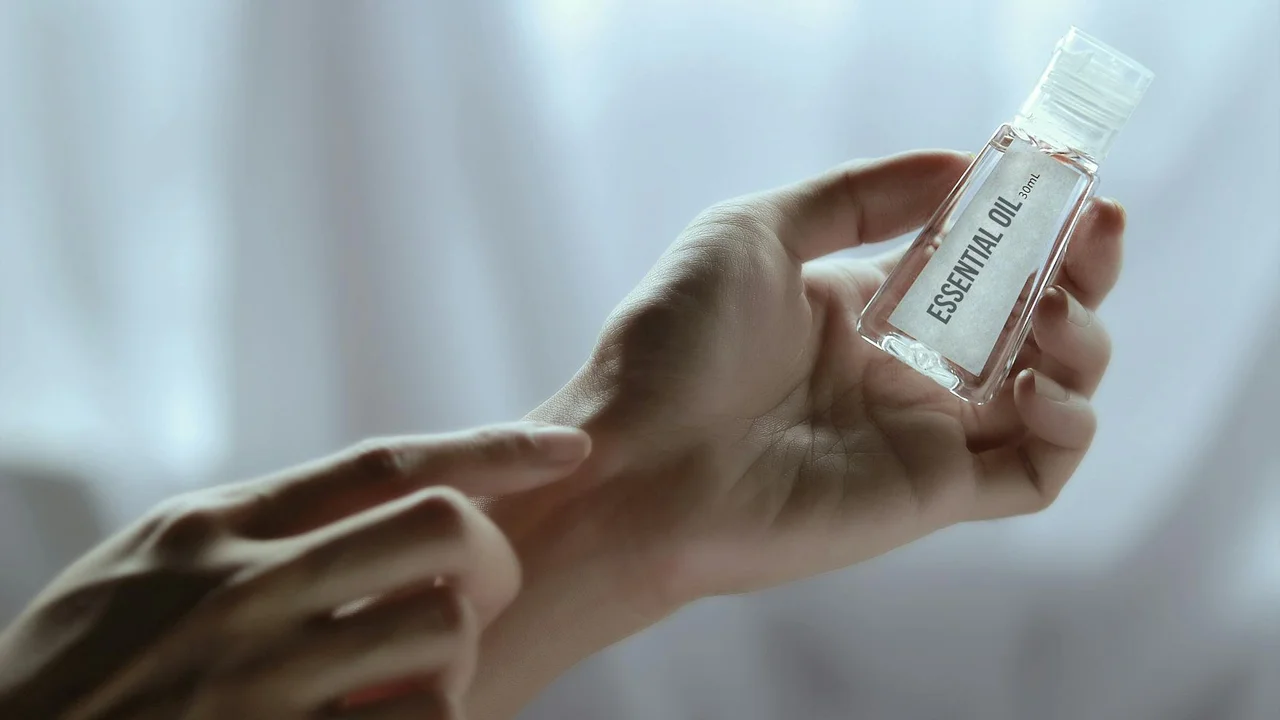
Making your own tanning oil blend is the best way to get exactly what your skin needs. You control the texture, the ingredients, and the level of care. It is simpler than you might think. I often mix up small batches in the summer and keep them right on my shelf next to my sunscreen. I make sure to use carrier oils that are safe for sensitive skin.
Starting Your Signature Blend
Think of your blend in two parts: a base carrier oil and targeted booster oils. A good, simple place to start is with jojoba oil. It feels silky, absorbs well, and mimics our skin’s natural sebum. From there, you can add character and function.
For my basic summer blend, I start with about two ounces of jojoba in a dark glass bottle. I add one teaspoon of sesame oil for its subtle nutty scent and light protective qualities. Then, I include fifteen to twenty drops of carrot seed essential oil. This adds a warm, earthy aroma and is known for its skin-supporting properties.
This combination gives you a light, non-greasy oil that prepares your skin for mindful sun exposure.
Boosting Nourishment and Protection
Once you are comfortable with a basic mix, you can enhance it. Some oils offer incredible extra benefits that are perfect for tanning routines.
Raspberry seed oil is a favorite of mine for this. It has a naturally high SPF rating and is packed with antioxidants. It feels a bit thicker, so I add just half a teaspoon to my two-ounce jojoba base. It adds a layer of nourishment that feels substantial.
For intensely dry skin, a few drops of avocado oil make a difference. It is rich, deeply moisturizing, and has a beautiful green color. Because it is heavier, I use it sparingly-about a quarter teaspoon-so my blend stays light enough for body use.
Adding these skin-loving oils turns a simple tanning aid into a nutrient-rich treatment that cares for your skin on multiple levels.
A Crucial Safety Step: The Patch Test
Whenever you create a new blend, especially with essential oils, you must check how your skin reacts. I do this every single time, even with ingredients I have used before. Combinations can behave differently.
Here is my method. Mix a tiny amount of your new oil blend. Apply a dime-sized patch on the inside of your forearm or behind your ear. Cover it with a bandage and leave it for 24 hours.
Check the area. If you see any redness, itching, swelling, or discomfort, wash the area with soap and water and do not use the blend. This simple test can prevent a lot of discomfort.
Always patch test a new blend to ensure your skin welcomes your custom creation.
After the Sun: Soothing and Prolonging Your Tan
Your skin has worked hard in the sun. Now it’s time to support it. Think of your fresh tan as a delicate layer that needs consistent hydration to stay vibrant and fade gracefully. Good aftercare is the secret to avoiding that patchy, flaky look.
I always head inside and start with something cool. A pure aloe vera gel, kept in the fridge, is my first line of defense. It instantly takes the heat out of the skin. After that initial cool-down, a nourishing oil seals in that hydration.
My Shelf Favorites for Post-Sun Hydration
These are the oils I reach for when my skin feels warm and thirsty. They are gentle, absorb well, and are packed with nutrients.
- Pure Aloe Vera Gel: This isn’t an oil, but it’s non-negotiable. It provides immediate cooling relief and deep hydration. Look for a gel that lists aloe barbadensis leaf juice first.
- Unrefined Coconut Oil: It feels so comforting when massaged onto warm skin. It’s solid at room temperature but melts on contact, creating a protective, moisturizing layer. Its lauric acid is wonderfully soothing.
- Avocado Oil: This is a richer, thicker oil, ideal for very dry areas like elbows and knees. Its deep green color comes from chlorophyll and a massive dose of vitamins E and C, which help repair and protect your skin cells.
Your Simple After-Sun Routine
A quick, consistent routine makes all the difference. Here is what I do.
- Cool your skin with a gentle shower or a cool, damp cloth. Pat dry.
- Apply a generous layer of pure aloe vera gel. Let it absorb fully.
- Follow with a few drops of your chosen carrier oil. Massage it in using gentle, upward strokes.
- Repeat this daily, especially after bathing, while your tan remains.
This final step is not an optional extra; it is the key to maintaining both your skin’s health and the beautiful glow you’ve cultivated. Well-moisturized skin holds color better and lets it fade evenly, giving you more time to enjoy your sun-kissed look.
Your Questions, Plant-Based Answers
Can I mix my tanning oil with sunscreen for easier application?
Please don’t mix them together in your palms, as this dilutes your sunscreen’s protective film. For safe layering, apply your broad-spectrum SPF first, let it absorb for 15 minutes, then add a very thin coat of your tanning oil. Think of it as layering for sun protection, not mixing: SPF first, then a tiny amount of tanning oil for a natural glow.
Are there phototoxic oils beyond citrus I should avoid before sun exposure?
Yes, always be cautious with bergamot (unless certified bergapten-free), lime, and certain herbs like angelica root. The safest rule is to research any essential oil thoroughly and perform a patch test before widespread use in the sun.
Will these oils work if I have very fair, sun-sensitive skin?
They can excel as skin conditioners, but they won’t increase your melanin production if it’s naturally low. For you, I’d prioritize oils like jojoba or aloe vera for hydration and pair them meticulously with a high-SPF sunscreen for any outdoor time.
What’s the single most important step for making my tan last?
Consistent hydration is the key. Immediately after sun exposure, cool and soothe your skin with pure aloe vera gel, then lock in that moisture daily with a light, nourishing oil like coconut or avocado.
Your Path to a Sun-Kissed Glow
The most important lesson is this: a botanical tanning oil is a companion, not a shield. For a deeper, richer color, you must pair nurturing plant oils with vigilant sun timing and dedicated aftercare, just like you would when using botanical face oils in your skincare routine. This approach respects your skin’s health while helping you achieve the glow you want.
I encourage you to experiment with the oils that call to you and observe how your own skin responds. Trust the wisdom of plants and your own experience as you blend them into your routine for body, skin, and holistic wellness.
Further Reading & Sources
- 11 Natural Tanning Oils to Protect Your Skin and Give It a Glow
- Chemical free Tanning Oils – Ao Organics Hawaii
- Homemade Sandalwood Tanning Oil
Noemi Kamińska
Noemi is an accomplished wellness researcher, nutrition care guide and body care expert. She has years of experience in formulating various oil combinations for full body wellness including face, hair, body care, essential oils and cooking oils. She works as a bio-formulator working with oil chemistry and analyzing the best formulations when it comes to your needs. Feel free to reach out to get your oil needs sorted.