
How Do You Use Essential Oils in Diffusers, Reeds, and Sticks?
You have the bottles of essential oils, but figuring out the diffusers and reeds feels confusing. I keep a few different diffusers on my shelf for good reason, and I’m here to share the straightforward ways I use them every day.
By the end of this, you’ll know exactly how to fill your space with scent using the right method for you.
- Using essential oils in electric diffusers
- Setting up reed diffusers for a steady fragrance
- How diffuser sticks work and when to choose them
- Using tea tree oil safely in any diffuser
- Simple alternative methods for when you’re moving around
Choosing Your First Diffuser: What to Look For
Picking your first diffuser can feel exciting. Think of it like finding the right pair of shoes for your home. You want it to fit your space and your routine.
Start by considering where you’ll place it and what you need it to do. A small bedroom needs a different machine than a great room.
Listen for a quiet hum or better yet, a silent mist. Some models have a soft hum, which I find soothing, but a nursery or office might need complete silence. Check how long it runs on one fill. A good starter model will last 4-6 hours, enough for a full night’s sleep or a work session.
Look for helpful features that prevent worry. Auto-shutoff is a must for safety when the water runs low. I use the dimmable light on mine as a soft nightlight. Intermittent mist modes help your oils last longer by cycling on and off.
My advice is to keep it simple at first. A basic ultrasonic diffuser from a brand you recognize is often the perfect, worry-free way to begin. I still have my first one on a shelf in the study.
Your Main Diffuser Options: A Simple Guide
Let’s break down the three main types you’ll see. Each has a different way of getting that beautiful scent into your air.
Ultrasonic diffusers use water and a vibrating disk to create a fine, cool mist. This mist carries the oil into the room. The big bonus here is added humidity. My skin thanks me for using one in the dry winter months. It’s like a small, scented humidifier.
Heat diffusers use gentle, low warmth to evaporate the oils without any water. They are completely silent and won’t add moisture to your air. I think of mine like a candle warmer for oils. It’s perfect for a cozy, scent-focused corner.
Evaporative or fan diffusers use a small fan to blow air over a pad soaked in oil. They are usually compact and plug right into a USB port. No water, no heat, just a tiny fan speeding up natural evaporation. It’s a simple and portable choice.
How to Use Essential Oils in Any Diffuser: Step-by-Step
Once you have your diffuser, using it is simple. Follow these steps for a perfect, safe scent every time.
- Place your diffuser on a stable, level surface away from direct sunlight or electronics.
- Fill the reservoir to the marked line with cool, room-temperature water. Do not overfill.
- Add your essential oils. Here is the key part: start with just 3 to 5 drops total. This is plenty for most rooms. I see people pour in 20 drops, and it’s overwhelming. Less is truly more.
- Secure the lid, turn on your diffuser, and enjoy.
Match your diffuser’s power to your room size. A small diffuser in a large space will barely be noticed. A powerful one in a tiny room can be too strong. For most bedrooms or offices, diffuse for 30 minutes to an hour, then give the air a 30-minute break. This is called intermittent diffusion and it keeps your senses responsive.
Oils like thick tea tree need a little care. If using it in an ultrasonic diffuser, I always blend it with a lighter oil like lemon or lavender first. This helps it disperse evenly in the water instead of sticking to the sides.
My non-negotiable pro tip is about cleaning. Once a week, clean your diffuser with white vinegar to prevent oily buildup and keep scents pure. I run a cycle with a half-cup of water and a tablespoon of vinegar, then wipe it dry. It takes two minutes and makes everything last longer. It’s one of the best ways to clean and maintain your essential oil diffuser for maximum scent.
Can You Diffuse Tea Tree Oil? A Clear Guide

Yes, you can diffuse tea tree oil. You can absolutely use it in your diffuser.
The most important rule is to always dilute it, even in a diffuser. I never add any essential oil directly to my water tank. I first mix my oils with a spoonful of a light carrier oil, like fractionated coconut oil, before adding the blend to the water. This helps protect your diffuser and prevents any potential irritation from concentrated vapors. Water alone won’t carry essential oils evenly or safely, since they don’t dissolve in water. That’s why proper dilution with a carrier oil (or another suitable method) is recommended before adding the blend to the diffuser.
Tea tree oil has a sharp, clean, and distinctly medicinal scent. Some people find it bracing, while others find it deeply clarifying. Its power to cleanse the air is why a small bottle is a permanent resident on my apothecary shelf. It’s a workhorse for creating a fresher environment.
Tea Tree Oil Diffuser Blends for a Fresh Home
Here are two of my favorite ways to blend it. Remember to use your pre-mixed drops with a carrier oil.
For a Clean & Calming Atmosphere: This is my go-to after a long day. It cuts through stuffiness without being too harsh.
- 2 drops Tea Tree Oil
- 3 drops Lemon Oil
- 2 drops Lavender Oil
For an Invigorating Morning Boost: This blend wakes up a room. It smells like a sunny, just-cleaned kitchen.
- 3 drops Tea Tree Oil
- 2 drops Rosemary Oil
- 2 drops Wild Orange or Sweet Orange Oil
I find tea tree oil particularly useful to diffuse during the colder months or while I’m cleaning the house. Its purifying properties make the air feel renewed. Start with a short diffusion cycle, about 30 minutes, to see how you enjoy the aroma.
The Gentle Art of Reed and Stick Diffusers
Think of a reed diffuser as a quiet, constant whisper of scent. It uses simple parts to work its magic.
You have a slim glass bottle, a light carrier oil as a base, your chosen essential oils, and a bundle of porous reeds or sticks. The reeds act like tiny straws, slowly pulling the fragrant oil mixture up so the scent can drift into your room.
This setup gives you a steady, gentle fragrance that never needs a plug or a timer.
How does this compare to an electric ultrasonic diffuser? An electric diffuser creates a visible mist and fills a space quickly. It is perfect for a concentrated aromatherapy session. A reed diffuser works in the background. Its scent is subtler and more constant, like a soft linen spray that lingers all day.
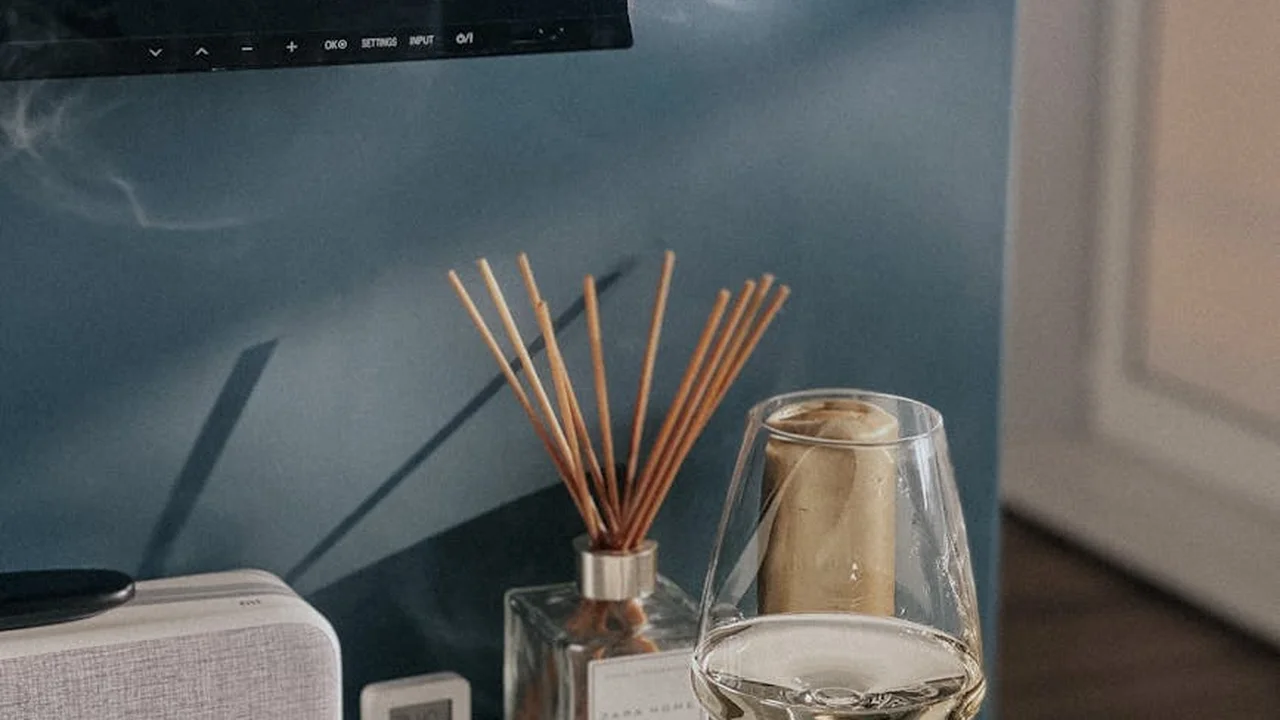
You often see these referred to as essential oil diffuser sticks, and they are the same thing. The “sticks” are usually rattan reeds, bamboo, or even decorative fiber sticks designed to wick the oil. For essential oil diffuser scents, I lean towards simple blends. A bright citrus for the kitchen, a calm lavender for the bedroom, or a clean tea tree and lemon for a bathroom. However, it’s important to choose the right oils for diffusers to ensure safety and effectiveness.
How to Make and Use a Reed Diffuser at Home
Making your own is satisfying. You control the ingredients and the strength. Here is what you need from your apothecary shelf.
- A tall, slim glass bottle or vase.
- A lightweight carrier oil, like fractionated coconut oil or safflower oil. These are thin and wick up the reeds easily.
- 6 to 10 rattan diffuser reeds.
- Your selected essential oils.
A good starting ratio is about 15 to 20 percent essential oil to carrier oil. For a small 2-ounce bottle, that is roughly 30 drops of essential oil. Always dilute essential oils in a carrier for reed diffusers to protect your surfaces and create a lasting, balanced scent. Note that water-based diffusers require different water-to-oil ratios and dosage than reed diffusers.
If you are using tea tree oil, know it has a potent, medicinal aroma. I often pair it with just one other oil, like eucalyptus or sweet orange, to soften its edge.
Now, for the simple steps.
- Pour your chosen carrier oil into the clean, dry glass bottle.
- Add your essential oil drops. Swirl the bottle gently to mix. Do not shake it vigorously.
- Insert the dry reeds. They will start soaking up the oil.
- Wait about an hour, then flip the reeds over. The saturated ends will now be in the air, releasing your scent.
Flipping the reeds every few days, or when the scent fades, refreshes the room. Place your diffuser on a coaster, as the oil mixture can sometimes seep onto surfaces.
Essential Oil Safety and Dilution: Non-Negotiables
My most important rule sits right on my blending table, written on a little chalkboard. Never use essential oils straight from the bottle, whether on your skin, in a reed diffuser, or in the bath.
Think of an essential oil as a powerful plant extract. It needs to be blended with a gentle carrier oil, like sweet almond or fractionated coconut oil, to be safe and effective for home diffusion. Applied to the skin for body treatments, the right dilution keeps skin safe and the aroma effective. That’s why mixing essential oils with carrier oils is essential for safe, effective body treatments.
For a standard room diffuser or a homemade reed blend, I stick to a simple dilution. It keeps the scent pleasant and avoids overwhelming the senses.
- For a light, background aroma: A 1% dilution. That’s about 6 drops of essential oil per 1 ounce (30ml) of carrier oil.
- For a standard, noticeable scent: A 2-3% dilution. That’s 12 to 18 drops per 1 ounce of carrier oil.
- For a strong scent in a large space: A 5% dilution maximum. That’s 30 drops per 1 ounce of carrier oil.
I keep a small amber bottle on my shelf pre-mixed with jojoba oil and lavender at a 2% dilution. It’s my go-to for quick reed diffuser refills.
Please do not drink essential oils. Also, never add them directly to your bath water. They will float on top and can cause serious skin irritation. Always mix them with a dispersant like full-fat milk or a tablespoon of carrier oil first.
Special Considerations: Pets, Kids, and Sensitive Spaces
Our homes are shared spaces. What smells wonderful to us can be problematic for smaller family members.
Cats are especially sensitive. Their bodies process oils differently. I avoid diffusing tea tree, citrus, peppermint, eucalyptus, and pine oils in any home with cats.
Good ventilation is your best friend. If you have pets, infants, or are pregnant, open a window in the diffuser room. I also recommend using half the normal dilution strength. A little scent goes a long way.
For a peaceful, family-safe atmosphere, I lean on gentle giants. Lavender, sweet orange, frankincense, and cedarwood (atlas) are usually well-tolerated. They create a warm, welcoming scent without being overpowering.
What Helped Me: My Go-To Diffuser Setups
My house has different scent zones, just like it has different rooms for different moods.
In my home office, a small ultrasonic diffuser sits on the shelf. I add three drops of peppermint and two drops of rosemary to the water. That crisp, herbal aroma cuts through brain fog and helps me focus on writing for hours. It feels like a mental refresh button.
Over in the living room, I wanted a constant, gentle welcome. I use a simple glass bottle with diffuser reeds and a base of fractionated coconut oil. My blend there is four drops of cedarwood and six drops of sweet orange. It’s a warm, grounding scent that never feels overpowering.
My Cleaning Day Power Blend
Tea tree oil is a powerhouse for freshening the air while you clean. I never diffuse it alone, as the medicinal scent can be quite strong.
My favorite combo for the ultrasonic diffuser on cleaning days is two drops of tea tree, three drops of lemon, and one drop of peppermint. This blend creates an uplifting, purifying atmosphere that makes the whole house smell like you’ve achieved something. I run it in the kitchen or bathroom for about 30 minutes.
The Beauty of a Single Note
You don’t always need a complex recipe. Sometimes, one oil is perfect.
On my bedside table, I often just use pure lavender. A few drops in a diffuser as I wind down for the night signals to my body that it’s time to rest. A single, high-quality oil can be profoundly effective and simplifies your routine. The lavender on my shelf is from a trusted grower, and its floral, soft scent is all I need.
When NOT to Try This: Limitations and Cautions
Even my favorite tools have their place, and pushing their limits can do more harm than good.
I would never run a powerful ultrasonic diffuser in my tiny, enclosed car. Stick to milder options like a personal inhaler or a drop on a cotton pad tucked in a vent for brief car journeys. A small, sealed space amplifies the intensity and can quickly lead to headache or nausea instead of clarity.
Be extra mindful of the air you share. If someone in your home has severe asthma, COPD, or known scent sensitivities, please talk with their doctor before you diffuse. What feels clearing to one person can be a potent irritant to another’s respiratory system. My rule is to always ask first and start with very short, low-intensity sessions in a separate, well-ventilated room.
Keep your expectations grounded in reality. While the aroma of tea tree oil may help purify the air and create a sense of cleanliness, it is not a sterilizing agent or a replacement for medical care. It’s not effective for treating mold or mites on household surfaces. Do not rely on any diffused oil to treat a fungal infection, cure illness, or disinfect surfaces-that’s not how aromatherapy works. It’s a wonderful companion for your mood and environment, not a substitute for professional medicine.
Other Options: How to Use Essential Oils Without a Diffuser
You can absolutely use essential oils without a fancy diffuser.
Sometimes, you just need a quick aromatic lift or want to target one small corner of a room. I often turn to these simple methods myself.
The Steam Bowl
This is my go-to for quick relief when I feel a stuffy nose coming on.
Simply fill a medium bowl with very hot water from the kettle. Add just one or two drops of your chosen oil.
Eucalyptus or peppermint work wonderfully here. Lean over the bowl, close your eyes, and breathe in the rising steam.
Keep your face at a comfortable distance to avoid steam burns, and always supervise this method if children are nearby.
A Clay Diffuser Stone
These little porous stones are perfect for a subtle, constant scent in a small space.
I keep one on my nightstand and another on my office bookshelf. Place a few drops of oil directly onto the stone.
The clay soaks it up and releases the aroma slowly over several hours.
Reapply oil as the scent fades, but remember the oil is still undiluted, so handle the stone carefully and keep it out of reach of pets.
A DIY Room & Linen Spray
Making your own spray is easy and lets you control the scent.
In a small glass spray bottle, combine about 1/2 cup of distilled water with 1 tablespoon of vodka. The vodka helps the oils mix with the water.
Add 15-20 drops total of your favorite essential oils. Shake the bottle vigorously before every use to blend the oils, especially when mixing with carrier oils. Make sure to use the proper dilution ratios for essential oils when applying to hair or skin.
Always test a spray on a small, hidden area of fabric first, and avoid spraying directly on wood surfaces or silk.
A fresh blend I like for this is 10 drops tea tree and 10 drops lemon.
A Wool Dryer Ball
This is a fantastic way to scent your laundry naturally and reduce static.
Take a clean wool dryer ball and add 2-4 drops of essential oil directly onto it. Toss it into the dryer with your damp clothes.
The heat will help diffuse the scent through your laundry. Lavender is a classic, calming choice for bedding.
Use only 100% wool dryer balls, as synthetic ones can melt, and be cautious with oils that might stain, like blue tansy.
Common Questions
What’s the real difference between reed diffusers and diffuser sticks?
They are different names for the same gentle method! Both use porous sticks or reeds to wick a scented oil blend from a bottle, offering a constant, plug-free fragrance for spaces like entryways or bathrooms.
How do I pick a good diffuser from the thousands on Amazon?
Look past the ratings and focus on key features: auto-shutoff for safety, a mist timer (like 1hr on/1hr off), and a water tank size that matches your room. A simple, well-reviewed ultrasonic model from a known brand is often the wisest first choice.
Can I use diffuser scents to create specific moods?
Absolutely. For focus, try rosemary and peppermint; for calm, lavender and cedarwood; and for a fresh clean scent, lemon and tea tree. Always start with 3-5 total drops to find your perfect strength.
Is a clay diffuser stone a safe alternative?
Yes, for small, personal spaces like a desk or car. Remember, you apply oils directly to the porous stone, so place it on a coaster and keep it away from pets and children, as the oils remain undiluted.
Are discussions on Reddit about the “best” diffuser reliable?
Reddit is great for real-user experiences on noise levels or durability, but preferences are highly personal. Use the insights to inform your choice, but always cross-check safety features and buy from reputable sources.
Creating Your Personal Atmosphere
The most effective approach begins with less. Starting with a low concentration and adjusting based on your senses is the foundation of safe, enjoyable aromatherapy. This simple habit protects your well-being and helps every bottle last longer.
I hope you feel ready to blend scents that resonate with you. You can always come back here for more ideas on using oils for your body, skin, hair, wellness, and home as you grow your practice.
Industry References
- Reed Diffusers | Luxury Refillable Reed Diffusers With Sticks | NEOM Wellbeing
- Homemade Reed Diffusers with Essential Oils – Nature’s Nurture
- How to Make DIY Reed Diffusers (+ Essential Oils Recipes!) | Apartment Therapy
- Reed Diffuser | Essential Oil Diffusers | Edens Garden
Noemi Kamińska
Noemi is an accomplished wellness researcher, nutrition care guide and body care expert. She has years of experience in formulating various oil combinations for full body wellness including face, hair, body care, essential oils and cooking oils. She works as a bio-formulator working with oil chemistry and analyzing the best formulations when it comes to your needs. Feel free to reach out to get your oil needs sorted.