
How Often Should You Oil Your Wooden or Bamboo Cutting Board and What’s the Best Method?
That dry, pale look or rough feel on your favorite board is a common kitchen worry. With a little know-how and the right oil, you can easily bring back its rich glow and keep it safe for your food.
I will show you a simple, effective routine that protects your board from cracks and stains.
- Spotting the signs your board is thirsty for oil
- Picking the perfect food-safe oil from my shelf
- My step-by-step method for a flawless finish
- The exact frequency that works for most homes
Why Your Cutting Board Thirsts for Oil
Think of wood and bamboo like a kitchen sponge. They are full of tiny holes. When you wash your board, it soaks up water. Over time, heat and dry air pull that moisture back out.
Without oil to fill those spaces, the material shrinks and stresses. An unoiled board becomes a sad board-it can crack along the grain, warp into a wobbly shape, or let bacteria settle deep into dried-out grooves.
Caring for it changes everything. I love the moment a well-oiled board comes off my counter. It has a warm, honeyed luster and feels satiny under your palm. It’s not just protected; it’s beautiful.
And yes, bamboo needs this care too. While it’s harder than some woods, it’s just as porous. A bamboo board will dry out, splinter, and become brittle without regular oiling.
The Simple Rhythm of Oiling: How Often is Just Right?
Start with a simple rule. A new or freshly sanded board is parched and needs a lot of attention upfront. I oil mine every other day for a week, letting it drink deeply.
After that, you find a maintenance rhythm. For most home kitchens, oiling once a month keeps a board happy. In a dry, heated house or arid climate, you might need to do it every two to three weeks.
Compare your boards. My big maple chopping block gets used daily for everything. It sees oil every two weeks. The smaller acacia board I use just for bread gets a light coat only at the start of each season.
The best schedule is the one your board tells you. How often you oil depends entirely on the signs it shows you, which we’ll look at next. A short guide on how often to oil pull for best results and the most effective methods will follow, helping you tailor the routine to your signs.
Choosing Your Elixir: What Oil Is Safe and Best?
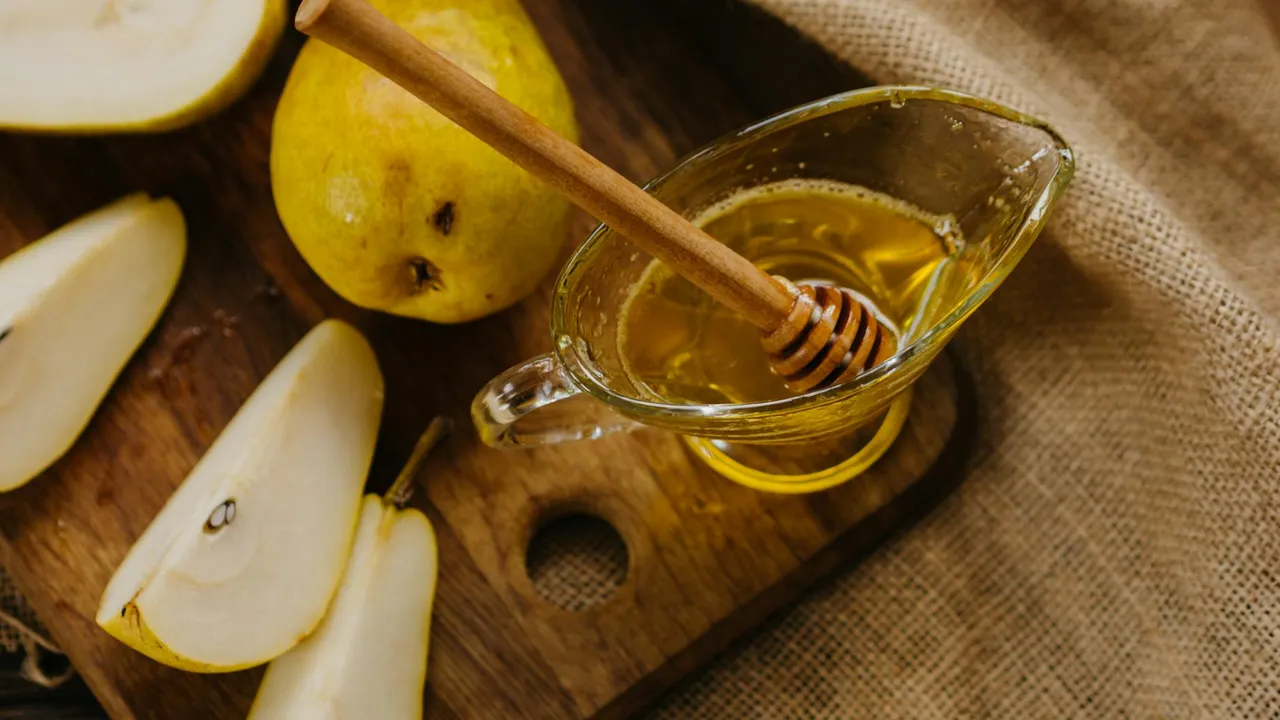
My first and most important piece of advice comes from years in my own kitchen.
The golden rule is to only use food-safe oils that will not turn rancid on your board.
Rancid oil doesn’t just smell bad. It can leave a stale, unpleasant taste on your food and create a sticky, neglected feel on the wood. We want to nourish, not spoil. Knowing how to identify rancid olive oil helps prevent health risks from consuming spoiled oil. We’ll show how to spot spoilage in the next steps.
People often ask me, can you use coconut oil on cutting boards? The answer is nuanced. Fractionated coconut oil, which stays liquid, is a decent option because it’s more stable.
Regular coconut oil can work, but it solidifies in cool temperatures and can still eventually go rancish. I’ve used it in a pinch, but it’s not my first choice for long-term care. If you’re curious about best substitutes and alternatives to coconut oil for cooking or skincare, there are solid options to consider. They can offer different textures and shelf lives, depending on your needs.
Another common question is, can you use olive oil on cutting boards? I strongly recommend you do not. Olive oil is a wonderful, perishable kitchen oil, not a wood finish. Instead, consider the best wood finishing oils for furniture and cutting boards. In the next sections, we’ll look at how to apply them and how long they take to dry.
It goes rancid relatively quickly, leaving your board with that off smell. I learned this the hard way on a small cheese board years ago.
Pure food-grade mineral oil is the inert, go-to choice for a reason. It doesn’t spoil, has no scent or taste, and is widely available.
When you’re looking for a prepared blend, check the cutting board oil ingredients. You want to see food-grade mineral oil, maybe with a bit of beeswax, and nothing else.
I prefer buying a cutting board oil in a glass bottle. It feels more stable and sustainable on my shelf than plastic, and I can easily see how much is left.
Quick Snapshot: Cutting Board Oils Compared
| Oil Type | Best For | Texture | Scent Notes | Safety & Stability |
| Food-Grade Mineral Oil | Regular maintenance, brand-new boards | Light, slick, non-greasy | Odorless | High. Won’t rancid. The safe, simple benchmark. |
| Beeswax & Oil Blend | Adding water resistance, final seasonal seal | Waxy, slightly tacky when applied, buffs smooth | Faint, honeyed warmth from the wax | High. The wax creates a protective barrier. My favorite for a durable finish. |
| Coconut Oil (Fractionated) | A natural alternative if you avoid mineral oil | Light and liquid at all temps | Very mild, nutty aroma | Medium-High. More stable than whole coconut oil, but monitor over very long periods. |
| Olive Oil (or other kitchen oils) | Cooking only, not board care | Varies | Distinct aromatic profile | Not Recommended. Prone to rancidity. Will make your board smell and taste off. |
The Tell-Tale Signs Your Board is Parched
Your board talks to you through sight and touch. A healthy wooden cutting board has a warm, vibrant color, but when it dries out, that color fades to a dull, grayish pallor. I see this on my own maple board when I’ve been lax with upkeep; it looks tired and washed out.
Trust your fingertips. Run a finger slowly across the wood grain-it should glide smoothly, like touching polished stone. If you feel roughness, tiny splinters, or a dry, thirsty texture, the wood’s natural oils are depleted.
Try the water bead test. Sprinkle a teaspoon of water on the surface and watch closely for ten seconds. On a well-conditioned board, the droplets will hold their round shape. If they vanish into the wood instantly, leaving a dark patch, it’s time for oil.
Wooden cutting boards give wonderfully clear signals when they need care. Paying attention to these simple checks prevents damage and makes maintenance intuitive. It’s the same principle as caring for dry skin; you respond to what you see and feel.
A Gentle, Step-by-Step Anointing: How to Oil Your Board

Treating your board is a simple kitchen ritual. It’s a quiet moment of care that extends the life of a trusted tool.
You only need three things: your chosen oil, a soft, lint-free cloth (an old cotton t-shirt is perfect), and a clean counter or table.
The process is straightforward but patience is key.
- Start with a board that is perfectly clean and completely dry. Any leftover moisture or food particles will get sealed under the oil, which you don’t want. I wash mine with mild soap, rinse well, and let it air-dry for a few hours, sometimes overnight.
- Pour a small pool of oil directly onto the board’s surface. You don’t need a lot. Think of it like applying a rich lotion to dry skin.
- Using your cloth or clean hands, spread the oil evenly across the entire board, top, bottom, and sides. Work the oil in firmly, following the direction of the wood grain. This helps it penetrate deeply. Feel the board drink it in.
- Let the board rest. Allow the oil to soak in for several hours, or ideally, overnight. This soaking time is what creates a durable, protective layer from within.
- After the soak, take a fresh, dry part of your cloth and gently buff the surface. You’re aiming to wipe away any excess oil that didn’t absorb, leaving behind a soft, natural sheen.
That’s it. Your most effective cutting board oiling tool is often just your own clean hands, feeling the wood transform from thirsty to nourished.
Gathering Your Toolkit
You don’t need a special cutting board oiling kit. A bottle of oil and a rag are truly all that’s required.
I keep my board oil in a small, dark glass bottle with a fine pour spout. Storing your oil in a glass bottle protects its purity and gives you precise control during application. It feels more like a part of my kitchen apothecary that way.
Whether you’re searching for a specific cutting board oil locally or browsing for one online, the same rules apply. Look for food-safe, polymerizing oils. The source matters less than the ingredients list. A good oil, applied with care, works the same in any kitchen—just like healthy cooking oils for food.
Oils to Embrace and Oils to Avoid
Let’s get specific about what belongs on your board. Choosing the right oil is the difference between a board that lasts for years and one that ends up sticky or smelly.
I keep my go-to board conditioner right on my kitchen shelf next to my cooking oils. It’s a simple mix, but it makes all the difference.
Oils to Embrace
Your best choice is a pure, food-grade mineral oil or a blend made with mineral oil and beeswax. These products are inert, meaning they don’t react with air or food.
Food-grade mineral oil is my top recommendation. It’s a colorless, odorless oil that won’t go rancid. It soaks deep into the wood fibers to repel water without creating a sticky film. You can find it in most hardware stores or online.
Beeswax blends are fantastic, too. The wax creates a slightly more protective, water-beading seal on the surface. A blend gives you the deep conditioning of oil with a protective wax top coat, which is ideal for heavily used boards. The one I use has a faint, warm honey scent that I love.
Oils to Avoid
Never use common kitchen oils like vegetable, canola, grapeseed, or walnut oil for regular board maintenance. These are “drying” oils that polymerize and turn sticky, but they also spoil over time.
They will go rancid over time. You’ll notice an unpleasant, sour smell that can transfer to your food. A rancid oil finish also becomes gummy and attracts more grime.
Can I Use Olive Oil on a Wooden Cutting Board?
This is the most common question I get. In an absolute pinch, a tiny bit of olive oil is better than letting wood dry out completely. Think of it as a temporary bandage, not a cure. Olive oil will eventually go rancid because it’s a plant-based oil.
If you use it, understand it’s a short-term fix. Plan to clean the board thoroughly and apply a proper mineral oil treatment as soon as you can to reset the surface.
Avoid any oil not meant for food contact. This seems obvious, but it’s worth stating.
- Scented oils or essential oils are not for this purpose and can be toxic if ingested.
- Baby oil is mineral oil with added fragrance, which you don’t want on a food surface.
- Motor oil or furniture polish are, of course, completely unsafe and will ruin your board.
Stick with products labeled as food-safe or meant specifically for butcher blocks and cutting boards. Your board, and your meals, will thank you.
Beyond the Oil: Tools and Tips for Lasting Care

Think of oiling as the main meal. Daily care is the seasoning that keeps everything flavorful.
Your board wants a gentle partner.
Daily Habits Make the Difference
Wash it by hand with mild soap and a soft cloth or sponge. I keep a bottle of castile soap by my sink for this exact job.
A dishwasher is a fast track to a warped, cracked board because the intense heat and water literally cook the wood.
Always dry your board upright so air can circulate around it. Never let it sit flat in a puddle of water. This simple step prevents the core from staying damp, which invites mold and warping.
When to Give It a Gentle Refresh
Over time, even with careful use, a board gathers small knife marks. A light sanding before your next oiling session erases these tiny scratches and opens up the wood’s pores.
You only need a fine-grit sandpaper, like 220-grit. I keep a small sheet in my utensil drawer.
- Wipe the board clean and let it dry completely.
- Sand lightly along the wood grain, not in circles. You’re just skimming the surface.
- Wipe away all the fine dust with a damp cloth.
- Let the board dry fully before applying your oil.
This quick refresh makes the board feel new again and helps the oil penetrate deeply for better protection.
If a Small Split Appears
Don’t panic. Wood moves with seasons, and a tiny hairline crack is common. For a small, dry crack, I use a simple paste from my shelf.
Mix a thick paste of mineral oil and finely ground walnut shells or food-safe wood dust. Press it firmly into the crack, let it cure for a day, then sand it smooth.
For anything more than a surface split, it’s best to consult a woodworker. This little repair can often save a beloved board and becomes part of its unique story.
The Beauty of a Well-Loved Tool
There’s a quiet joy in maintaining something that serves you daily. Each oiling session, each careful wash, adds to its character.
The wood darkens to a richer honey tone. The surface becomes satiny under your palms. A cared-for board doesn’t just last; it evolves, becoming more beautiful and personal with every chop and slice.
This regular, simple care builds a relationship with your tools. It means you’re far more likely to pass a board down than to search online for a replacement. That’s the true reward.
Your Questions, Answered
Is a cutting board oil in a glass bottle really better?
Yes, glass is inert and doesn’t leach chemicals, ensuring your oil stays pure. It also protects the oil from light and is a more sustainable, reusable choice for your kitchen.
What should I look for in cutting board oil ingredients?
Seek simple, food-safe ingredients like food-grade mineral oil or a blend with beeswax. Avoid any oils that can spoil, like olive or nut oils, and never use products with added fragrance or essential oils.
Do I need a special cutting board oiling tool or kit?
Not at all. Your clean hands and a soft, lint-free cloth are the most effective tools. Kits are convenient, but a simple glass bottle of oil and a dedicated cloth are all you truly need.
Where can I find a good cutting board oil nearby?
Check kitchenware stores, natural grocery markets, or hardware stores with a butcher block section. You can often find quality, food-safe mineral oil or beeswax blends in these places.
Can I find a proper cutting board oil online in India?
Absolutely. Search for “food-grade mineral oil” or “butcher block conditioner” on major e-commerce platforms. Always verify the product description states it is food-safe and designed for cutting boards.
Final Notes on Nourishing Your Board
The single best thing you can do is establish a simple, regular oiling rhythm based on how often you use your board. This consistent care builds up a resilient, protective layer that keeps your board beautiful and functional for years, just like tending to a cherished plant.
I share these methods from my own home apothecary to give you a confident starting point. Trust your own observations as you care for your tools, and know you can always return here for more straightforward guidance on using oils in your home, including how to use oils for oil pulling.
Research and Related Sources
- r/AskCulinary on Reddit: Do I really need to oil my cutting board every 2 weeks?
- The Ultimate Guide: How to Oil Your Cutting Board Like a Pro – Because You Cook
- How to Oil and Maintain a Cutting Board: Essential Care Tips
- How Often to Oil Your Cutting Board for Longevity | Misen
- How to Oil a Cutting Board Like An Expert | RMP Finishes
Noemi is an accomplished wellness researcher, nutrition care guide and body care expert. She has years of experience in formulating various oil combinations for full body wellness including face, hair, body care, essential oils and cooking oils. She works as a bio-formulator working with oil chemistry and analyzing the best formulations when it comes to your needs. Feel free to reach out to get your oil needs sorted.