
How Can Peppermint Oil Keep Your Home Pest-Free?
Seeing a trail of ants or a spider in the bathtub can ruin your peace. From my shelf of oils, peppermint is the one I reach for to quickly and naturally push pests back outside.
I rely on a few straightforward sprays and drops to make my spaces unwelcoming to insects.
- How to mix a safe and effective repellent spray
- Key spots in your home to target for the best defense
- Mixing it with other oils for a stronger barrier
- Keeping your family and pets safe while using it
How Does Peppermint Oil Keep Bugs Away?
To understand if peppermint oil can keep bugs away, picture walking into a room with an overwhelmingly strong scent.
You would probably want to leave. It works the same way for many pests.
The main component, menthol, creates that powerful cooling sensation we love. For insects, it is not pleasant at all.
This intense, minty aroma overwhelms their sensitive antennae and receptors, confusing their ability to find food and communicate.
It acts like a sensory barrier they simply do not want to cross.
I keep a bottle in my kitchen pantry for this exact reason.
You should know that peppermint oil primarily repels and deters. It makes an area highly undesirable.
Think of it as a fantastic, aromatic “Keep Out” sign.
For serious infestations like bed bugs, peppermint oil is not a reliable solution to kill them.
While they may dislike the scent, it will not eliminate an established problem. The same is true for spiders.
The oil can encourage them to relocate, but it is not a direct killer.
Setting realistic expectations helps you use it effectively as part of your home care routine.
A Quick Snapshot: Which Pests Dislike Peppermint?
This quick reference table shows where peppermint oil can be most helpful in your home.
Flies and gnats do not like peppermint oil. Its sharp scent disrupts them, making it a good deterrent for fruit flies around kitchens. Used safely in the garden, peppermint oil can help protect plants and grass from pests. When properly diluted, it acts as an eco-friendly deterrent that supports healthy lawns and ornamentals.
Bed bugs do not like the smell, but peppermint oil is not strong enough to control or kill them effectively.
Always remember to keep sprays and cotton balls out of reach of pets, as peppermint oil can be too strong for cats and dogs.
What You’ll Need: Building Your Pest-Control Toolkit

Gathering your supplies feels like preparing for a simple, satisfying project. You don’t need much.
- 100% Pure Peppermint Essential Oil: This is your main ingredient.
- A Carrier Liquid: For sprays, I use witch hazel, high-proof vodka, or even water with a drop of unscented castile soap to help the oil mix in.
- Dark Glass Spray Bottles: Amber or cobalt blue bottles protect the oil from light, which can break it down. I save and reuse mine from old blends.
- Cotton Balls: Perfect for a passive, set-it-and-forget-it approach in cabinets or corners.
When you’re shopping for the oil, look for the words “100% pure” and “steam distilled” on the label. This tells you it’s the real thing, not a synthetic fragrance that bugs will just ignore.
Think of it like cooking: you want fresh herbs, not artificial flavoring, for the best result.
I often find good dark glass bottles at local shops like Bunnings or in the travel section of pharmacies. For the oil itself, a reputable health food store or a trusted online supplier is my usual go-to. If you’re after pure tea tree oil or other botanical oils online, I also compare options from reputable retailers. This helps me ensure purity and fair pricing. Just check the botanical name, Mentha piperita, to be sure.
My Go-To Peppermint Pest Control Recipes
What helped me was a line of tiny ants in my old kitchen. I mixed up a quick spray from the bottles on my shelf, and the next day, their trail was gone. The fresh, crisp smell was a welcome bonus.
The All-Purpose Protective Spray
This is my most-used recipe. It creates a protective barrier that many pests simply won’t cross.
You will need:
- A 16 oz (500 ml) glass spray bottle
- 2 teaspoons of witch hazel or vodka
- 15-20 drops of pure peppermint essential oil
- Distilled or tap water to fill the bottle
- Add the witch hazel or vodka to your spray bottle.
- Add the 15-20 drops of peppermint oil. Swirl to combine.
- Fill the rest of the bottle with water, leaving a little space at the top.
- Shake vigorously before every use to mix the oil and water.
Spray this mixture along windowsills, door frames, and baseboards where pests enter. I also mist it under kitchen and bathroom sinks, and around the outer perimeter of pet food bowls (keep it off their food and dishes). Reapply every few days or after cleaning.
Cotton Ball Barriers for Crawlers
This method is perfect for targeted, long-lasting spots. The cotton ball holds the scent and slowly diffuses it.
Simply soak 2-3 cotton balls in 10-15 drops of peppermint oil total. You want them damp, not dripping. Place these balls in areas where you see activity or suspect entry.
For ants and roaches, tuck cotton balls behind the refrigerator, under cabinets, and in the backs of pantries. This approach is a key part of natural peppermint pest control for roaches, as they are repelled by the strong scent. For mice, focus on attic entries, crawl space vents, and gaps near utilities. Replace the cotton balls every couple of weeks or when the smell fades.
Can You Use Peppermint Oil for Bed Bugs?
This is a serious question that needs a clear answer. Peppermint oil may help deter bed bugs due to its strong scent, but it will not kill an infestation. Outside of bed bugs, peppermint oil is also used by many gardeners to deter deer and other garden pests with its strong aroma. When used in moderation, it can be part of an integrated pest management approach.
Think of peppermint oil as a possible supplementary deterrent, never a standalone treatment to get rid of bed bugs. If you are dealing with bed bugs, you must consult a professional pest control expert.
As a cautious supplementary measure, you could add a few drops of peppermint oil to a washcloth and toss it in the dryer with bedding on high heat. The heat and scent may offer temporary discouragement, but it is not a solution.
Keeping It Safe: Pets, Kids, and Your Home

Before we mix a single drop, let’s talk safety. Proper dilution and fresh air are your best friends when using any essential oil in your home. I keep my windows cracked open when I’m making or applying sprays from my apothecary shelf.
That invigorating peppermint scent is powerful. Thinking about how to make DIY peppermint oil spray recipes for home cleaning and body care? A few easy blends can cover both tasks. Always dilute the oil in water or a carrier oil like jojoba before you spray it around your living spaces. This protects your surfaces and everyone’s health.
Is Peppermint Pest Control Safe for Pets?
Many readers ask me directly: is peppermint pest control safe for pets? You need to know the differences. Cats have a high sensitivity to many essential oils, including peppermint, so I never use it in areas they directly contact or groom. Their systems process oils differently.
Dogs can be around it with more caution, but it’s not risk-free. Avoid applying sprays near their paws, nose, or bedding where they might inhale or lick residues. I watch my own dog for any signs of discomfort, like sneezing.
To use oils peacefully with pets, choose smart zones. I target high shelves, the top of door frames, or inside cabinets my animals cannot access. This creates a barrier without close contact.
Using Oils Around Children and Allergies
Extra care makes all the difference with little ones. For any spray used in family rooms, I use an extra gentle dilution, often one quarter of the strength I might use elsewhere. I never spray it directly on their skin or toys.
Skin sensitivity is real, even with natural ingredients. I always do a quick patch test on my own skin before using a new mixture widely, just dab a bit inside your elbow and wait. This simple step saves a lot of trouble.
Remember the nose and lungs. Strong scents can irritate sensitive airways or trigger allergies, so I apply sprays lightly and ensure the room is well-ventilated. A faint, fresh minty hint is all you need for it to work.
Boosting Your Strategy: Blends and Tips
Pure peppermint oil is a powerful ally. But like in a good friendship, sometimes it works best with a little backup.
Combining oils creates a broader scent profile that confuses and repels more types of pests.
Choosing Your Blend Partners
Think about the specific guests you’re trying to discourage. For flying insects like mosquitoes and flies, I often reach for citronella or lemongrass oil from my shelf. They have a bright, grassy scent that bugs really dislike, especially when used in bug repellent blends.
For a more robust, cleaning-focused blend, I add tea tree oil. It brings a medicinal, punchy aroma and adds antibacterial properties, which is perfect for wiping down surfaces where pests might trail. It can also help tackle mold and dust mites on fabrics and other household surfaces.
A Simple, All-Purpose Repellent Spray
This is my go-to recipe for a quick refresh around window sills, doorways, and baseboards. You’ll need a 2-ounce glass spray bottle, some distilled water or witch hazel, and your oils.
- Fill your spray bottle almost to the top with your chosen water or witch hazel base.
- Add 15 drops of peppermint essential oil.
- Add 10 drops of your partner oil, like citronella or tea tree.
- Shake vigorously before every use to combine the oils and water.
Always test a small area on fabrics or finished wood first. The minty, herbal scent is invigorating and fills a room with a clean feeling.
A Pro Tip from My Home to Yours
Here’s one of my favorite quiet tricks. When you change your vacuum cleaner bag or clean the canister filter, add 2-3 drops of peppermint oil inside.
This makes every vacuuming session a pest-deterring treatment. As you clean, the warm air from the vacuum pulls the scent through and can help freshen the whole space while you suck up any unwanted visitors or eggs.
The Rhythm of Reapplication
Remember, we are working with the intelligence of plants, not the persistence of synthetic chemicals. These beautiful scents evaporate and fade naturally.
This means frequent reapplication is the secret to success, not a sign the oil isn’t working. I typically re-spray entry points every other day, or after cleaning a surface. It becomes a simple, mindful part of your home care rhythm, much like watering a plant.
What Real Users Say: Managing Expectations
I spend time in home remedy forums, and peppermint oil pest control Reddit discussions are a common read for me.
Many users describe real relief with ants and spiders.
They talk about wiping down trails with a minty spray and seeing the bugs avoid the area.
For sporadic invaders, this method feels like a safe and fragrant win.
The crisp aroma is a frequent plus, often preferred over synthetic pesticide smells.
One reviewer shared that spraying her window sills made the whole room smell pleasantly like a candy cane.
Yet peppermint pest control reviews always have another side.
Success stories often come from early intervention or mild problems.
People hoping it will clear a severe, established infestation usually end up disappointed.
An oil repellent works on curiosity and scent, not on a committed colony.
On my own shelf, I have a dedicated spray bottle for seasonal bugs.
It works wonderfully as a barrier treatment for my garden door.
But for a full ant nest in the wall, I had to call in other methods.
Your results will mirror this. Start at the first sign of trouble.
Reapply every few days because the scent fades, especially outdoors.
Think of peppermint oil as a polite but firm bouncer, not an exterminator.
Finding Your Oil and Getting Started
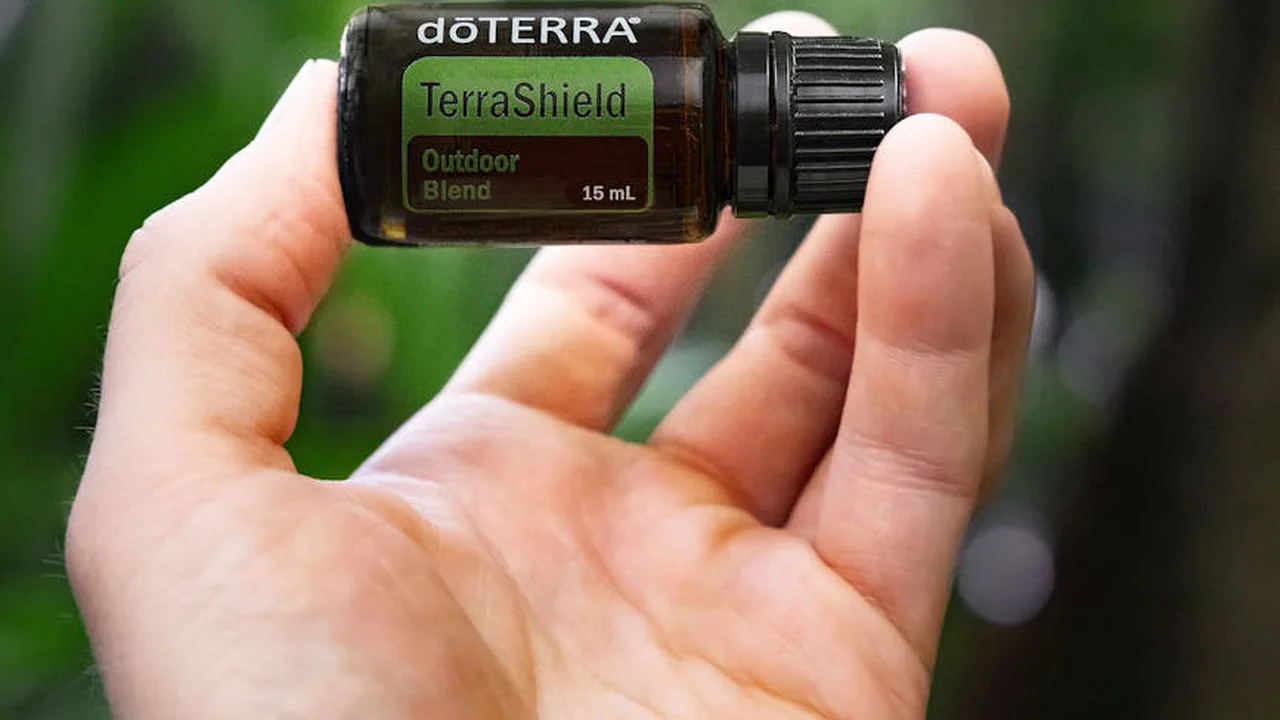
Let’s talk about picking your oil. I know it can feel overwhelming with all the options out there. Your best bet is to seek out a 100% pure peppermint essential oil that specifies its botanical name, Mentha piperita, right on the label. I often look for bottles that note steam distillation and a clear country of origin. The oil in my own apothecary has a sharp, clean scent that instantly clears my head, a sign of good quality. If you’re uncertain about where to buy, check out reputable sources for peppermint essential oil to ensure authenticity.
Trust your senses here. A genuine peppermint oil should smell intensely cool and minty, not chemical or weak. If you can, smell it before you buy. That brisk aroma is the active part that pests avoid.
Now, for your first move, keep it small and simple. I always recommend mixing a test batch and trying it in one contained area, like the back corner of a kitchen cabinet or a pantry shelf. This way, you can see how the oil interacts with your surfaces and how the scent lingers.
Here is how I do my test run:
- Add 10-15 drops of peppermint oil to a small spray bottle filled with water.
- Shake it well and spray a light mist inside the cabinet.
- Let it sit for a day, then check for any changes on the wood or paint.
This little test gives you confidence. You learn how the oil works in your specific home without any risk.
Starting here is a beautiful thing. You are not launching a full-scale war on bugs; you are gently introducing a fragrant, natural helper into your space. That fresh, waking scent of peppermint is your first step toward a home that feels cared for and naturally protected. I find that approach so much more peaceful.
Quick Answers
Is peppermint pest control safe for my pets?
With careful placement, it can be used cautiously. Always avoid direct contact and never apply it to areas they can directly inhale, lick, or groom.
Can peppermint oil really get rid of roaches?
It’s a strong repellent that can help deter them as part of a broader strategy. For an established infestation, combine it with thorough cleaning and sealing of entry points for best results.
What’s the real-world success rate based on user reviews?
Our experience aligns with community feedback: it’s highly effective for deterring occasional ants and spiders. For major infestations, it’s a helpful barrier, not a complete solution.
Where can I find peppermint oil for pest control in Australia?
Many readers in Australia find pure peppermint oil and suitable glass spray bottles at stores like Bunnings. Look in the cleaning or garden sections, but always check the label for purity.
Is peppermint oil effective for pest control in hot, dry places like Arizona?
Yes, it remains effective, but the scent may evaporate faster in the heat. You may need to reapply your sprays or refresh cotton balls more frequently to maintain the barrier.
Creating a Minty Haven
The single most important piece of advice is to always pair potent peppermint oil with a gentle carrier oil before any application. This dilution protects your home surfaces and skin while letting that crisp, repellent scent work effectively.
I welcome you to follow along with our blog and try blending your own solutions. Trust the guidance you find here and your own hands as you care for your body, skin, hair, and home with oils.
Industry References
- I took people’s advice and got peppermint oil to hopefully …
- Essential Oils That Repel Insects Naturally | Greenix Pest Control
- Amazon.com: Mighty Mint Peppermint Oil Insect Repellent Spray – Natural Indoor & Outdoor Bug Control for Spiders, Ants, Roaches, and More – Plant-Based, Extra-Strong Formula – 16 oz : Patio, Lawn & Garden
- Natural Pest Control: How to Repel Pests Using Peppermint Oil – Biome US
Noemi is an accomplished wellness researcher, nutrition care guide and body care expert. She has years of experience in formulating various oil combinations for full body wellness including face, hair, body care, essential oils and cooking oils. She works as a bio-formulator working with oil chemistry and analyzing the best formulations when it comes to your needs. Feel free to reach out to get your oil needs sorted.