
Can Coconut Oil Truly Heal Your Dry Lips?
If your lips are cracked and sore, you need a remedy that feels like a relief, not a chore. In my years as an herbalist, I’ve seen plain coconut oil from the kitchen cabinet restore softness time and again.
I’ll explain how its natural properties target dryness and share my favorite way to apply it.
Here’s what we’ll cover:
- The specific compounds in coconut oil that hydrate your lips
- A gentle, two-step application method I use myself
- How to pick the right type of coconut oil for the job
How Coconut Oil Helps Chapped Lips
So, does coconut oil help chapped lips? Yes, it absolutely does, and I reach for my jar every cold season.
Coconut oil is rich in fatty acids like lauric acid. These fats are very similar to the ones naturally found in your skin, so coconut oil acts as a familiar, penetrating moisturizer. However, when using it on your face, it’s important to consider skin type and potential sensitivities.
It works by replenishing what dry, flaky lips have lost.
You’ll notice its unique texture right away. In my cool kitchen, it’s a soft, scoopable solid. The moment it touches your warm lips, it melts into a smooth, silky layer.
It has a faint, sweet, tropical scent that I find incredibly soothing.
Beyond moisture, its natural properties offer gentle protection. This light barrier helps calm irritation and supports your skin’s own healing process on those tiny cracks.
It’s a simple, whole-ingredient fix I trust.
Coconut Oil vs. Other Lip Hydrators
How does it stack up against other options on my shelf? Let’s compare.
Common lip oils, like rosehip or jojoba, are typically very light and dry quickly. Coconut oil is thicker and more occlusive, meaning it does a better job at sealing in moisture for longer. When choosing a carrier for diluting essential oils, comparing jojoba, almond, and coconut helps you balance absorption and moisture. Almond oil sits between the light feel of jojoba and the richness of coconut, offering another versatile option.
It feels more substantial than those thin oils.
Waxy balms and thick butters like shea or cocoa can feel heavy. They sometimes just sit on top of the skin. Coconut oil has a unique balance; it provides a rich feel but absorbs more readily than a dense butter.
You get the comfort without a sticky residue.
Then there are petroleum-based products, like Vaseline. They create a seal, which is useful. The key difference is that coconut oil offers nourishment from its fatty acids, while petroleum mainly acts as a barrier.
So, do lip oils hydrate your lips? Light oils can, but they often need help staying put. Coconut oil both hydrates with its skin-identical fats and provides that lasting, protective seal. It’s a nourishing all-in-one.
Choosing and Preparing Your Coconut Oil
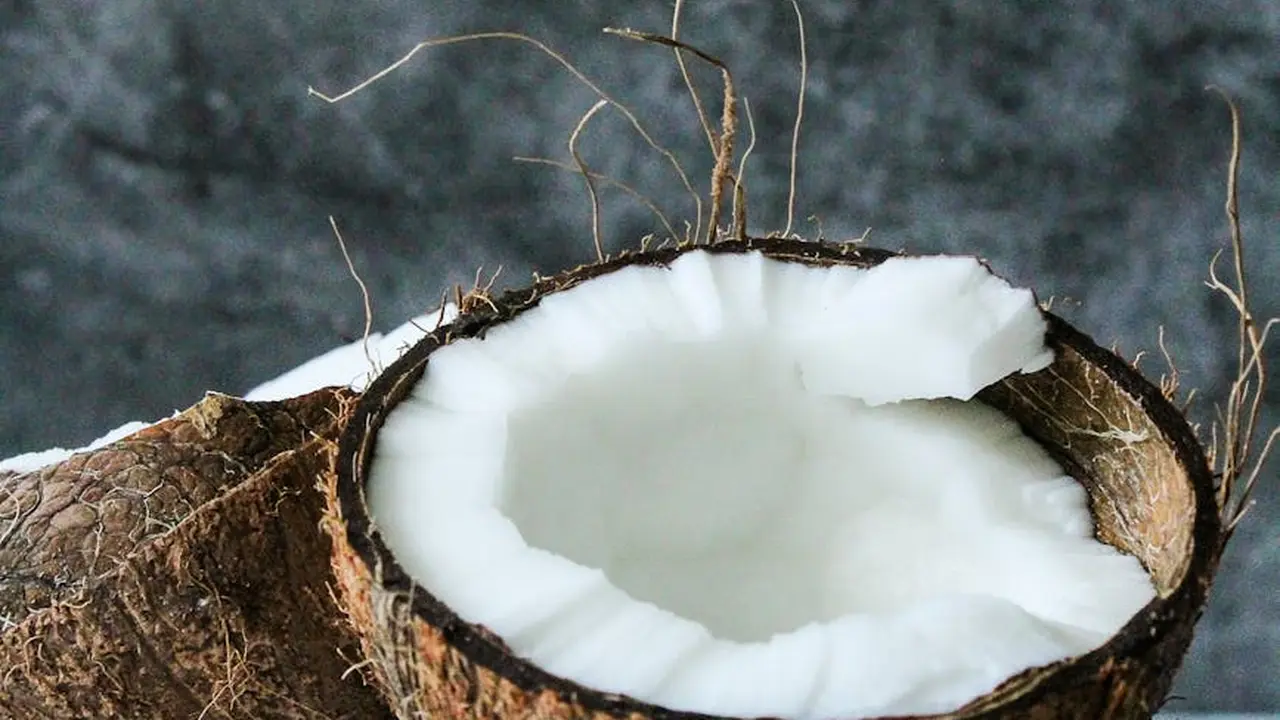
Your first choice is between unrefined and refined coconut oil.
Unrefined oil, often called virgin, is my pick for lips. It keeps its gentle tropical scent and has more of the natural compounds that nourish skin compared to refined oils. Refined oil is processed, which removes the scent and some of those beneficial elements. Think of it like choosing between fresh-squeezed and shelf-stable orange juice.
For your delicate lip skin, the pure, gentle nature of unrefined coconut oil is usually the best start.
Before you slather it on, do a quick check. Even natural oils can sometimes cause a reaction.
Rub a tiny dab on the inside of your elbow and wait 24 hours. If the skin stays clear and calm, you’re likely good to go.
A simple patch test is a small step that makes using any new oil on your face a much safer bet.
I keep a tiny glass jar on my bathroom shelf just for lip balm. I scoop a bit from my main jar into it with a clean spoon.
This keeps your lip treatment clean. You avoid introducing bacteria from your fingers into your big jar of oil.
So, can you put coconut oil on your lips? Absolutely. Starting with an unrefined oil and doing a patch test is the smart way to begin.
A Quick Word on Castor Oil
You might also wonder, can you put castor oil on your lips? The texture tells the story.
Castor oil is famously thick and sticky. It doesn’t spread easily or feel comforting like coconut oil. On my own shelf, I might use a single drop blended into a softer oil for a specific purpose, but I would never use it alone.
Castor oil is a poor primary moisturizer for lips; coconut oil’s light, melting texture is far superior for daily comfort and repair compared to castor oil.
Your Coconut Oil Lip Care Routine
For daily use, the method is beautifully simple.
Wash your hands, scoop a rice-grain-sized amount onto a clean fingertip, and let your body heat melt it. Swipe it across your lips. It’s that easy. I do this first thing in the morning.
For seriously dry or cracked lips, an overnight treatment works wonders.
Right before bed, apply a slightly thicker layer than usual. The oil has hours to soak in and work without you talking or eating it off. I often wake up to lips that feel supple and smooth.
Using coconut oil on your lips overnight gives it the uninterrupted time it needs to provide deep, lasting moisture.
When flakiness is the issue, a gentle scrub helps. Here’s my go-to recipe.
- Mix one teaspoon of fine sugar with half a teaspoon of coconut oil in a small bowl.
- Gently massage the mixture onto your lips in small circles for about 15 seconds.
- Rinse with warm water or wipe with a soft, damp cloth, then apply a fresh layer of plain coconut oil.
What can you expect? With consistent use, many people see a noticeable difference in a few days.
Minor dryness often improves quickly. Severely chapped lips might take a week or two of dedicated care to fully heal and soften.
Step-by-Step Application Checklist
- Wash your hands thoroughly.
- Scoop a tiny amount of oil.
- Warm it between your fingertips until it turns liquid.
- Apply in a thin, even layer.
- Reapply as needed, especially after eating or drinking.
Timing, Tips, and Gentle Cautions
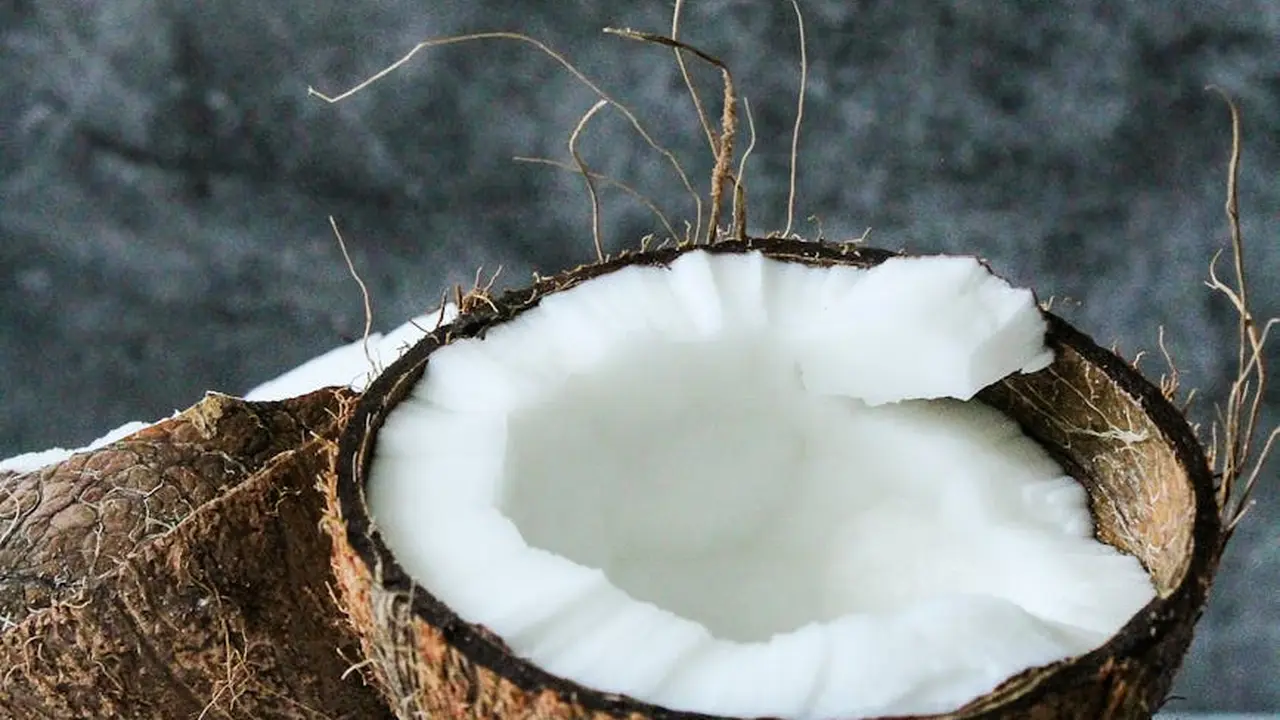
I time my coconut oil applications like appointments with my lips. This turns a simple habit into a powerful routine.
Apply a little in the morning to create a smooth, hydrating base for the day. It feels light and never heavy under lip color.
Before bed is my favorite moment. A thicker layer works overnight as a deeply nourishing treatment. You’ll notice the difference by morning.
Never skip it before facing wind or cold. This step forms a protective barrier that shields delicate skin from getting dry and chapped.
Skin is personal, and reactions can be too. If you notice any redness, itching, or small bumps, stop using the oil right away. For a small number of people, it can clog pores around the mouth.
Coconut oil melts in warm hands, and in a warm bag. I always decant mine into a small, solid tin for travel to prevent leaks. It sits right next to my keys. Sometimes I wonder whether to melt it for cooking or liquify it for body care. I keep both options in mind as I plan meals and skincare.
Its fame is well-earned. I see its praise constantly in my own research, echoing through forums like those ‘coconut oil dry lips reddit’ discussions. That communal trust speaks volumes.
When to Seek Professional Help
Listen to what your lips are telling you. If severe cracking, bleeding, or peeling continues after you’ve consistently used coconut oil for a week or two, please consult a doctor or dermatologist.
Lip skin that won’t heal might be a signpost. Chronic chapping can occasionally indicate other factors, like allergies, vitamin deficiencies, or skin conditions. A professional can help find the root cause.
On my shelf, natural oils are my first line of defense for daily care. They are fantastic for maintenance, but persistent problems deserve and require expert guidance. I also consider definitions and common uses across different botanical oils to guide my choices.
Your Coconut Oil Lip Care Questions, Answered
Is coconut oil safe for everyone’s lips?
For most people, yes-its simple, skin-identical fats are wonderfully gentle. I always recommend a patch test first, and if you have a known coconut allergy, it’s best to choose a different botanical oil like jojoba.
Can I mix coconut oil with other ingredients for extra benefits?
Absolutely. A drop of peppermint essential oil can add a refreshing tingle, or a bit of raw honey can boost its soothing properties. Just keep mixes simple and stored in a clean container to maintain freshness.
How long does it typically take to see results?
For general dryness, you may notice softer lips after just one or two applications. Healing significantly chapped or cracked lips usually requires consistent, gentle care over several days to a week.
Why is coconut oil so often recommended in natural beauty circles?
Its popularity stems from being a effective, multi-purpose pantry staple that genuinely works. I see this shared experience-like in those heartfelt ‘coconut oil dry lips Reddit’ threads-as powerful, real-world validation of its soothing reputation.
Nurturing Your Natural Glow
The single best thing you can do for dry lips is to make a simple, consistent routine with a pure, unrefined coconut oil. Its magic lies in that daily, gentle layer of nourishment, not in one-time use.
I encourage you to try this simple jar-from-the-kitchen method and see how your lips feel. For more ways to care for yourself naturally, I share my favorite botanical tips right here on the blog.
Expert Resources and Citations
- Coconut Oil for Lips: A Natural Treatment for Chapped, Dry Lips
- Castor Oil Vs Coconut Oil: Which Is Better For Dry Lips In …
- r/TheGirlSurvivalGuide on Reddit: Loving some coconut oil, but it’s not really doing great things for my lips… Anyone else experienced this?
- Is coconut oil good for chapped lips? | Ubie Doctor’s Note
Noemi Kamińska
Noemi is an accomplished wellness researcher, nutrition care guide and body care expert. She has years of experience in formulating various oil combinations for full body wellness including face, hair, body care, essential oils and cooking oils. She works as a bio-formulator working with oil chemistry and analyzing the best formulations when it comes to your needs. Feel free to reach out to get your oil needs sorted.