
What Are the Best Non-Comedogenic Sunscreen Brands and Products for Acne-Prone Skin?
I know that slathering on sunscreen can feel risky when you’re managing acne, especially with so many formulas packed with heavy oils or silicones. From my own shelf to yours, I can tell you that light, non-comedogenic sunscreens do exist and can become a seamless part of your daily care.
My goal is to cut through the confusion and give you clear, practical options that I trust for sensitive, breakout-prone skin.
- The simple signs of a truly non-comedogenic formula
- Brands and specific products I personally recommend
- How to read ingredient lists like a pro
- Fitting sunscreen into your morning routine without fuss
Key Takeaways: Your Sunscreen Shortlist
Before we get into the details, here is a simple guide to the textures that usually work for skin that breaks out. I keep a list like this taped inside my cabinet.
| Format | Best For | Texture Vibe | Botanical Angle |
|---|---|---|---|
| Lightweight Fluids & Milks | Oily, congestion-prone skin | Fast-absorbing, airy finish | Often formulated with soothing extracts like centella or tea tree. |
| Gel-Cream Hybrids | Combination skin needing hydration | Cooling, non-greasy slip | May include hyaluronic acid (plant-derived) for weightless moisture. |
| Mineral (Zinc Oxide) Creams | Sensitive, reactive acne-prone skin | Can have a velvety, matte finish | The zinc itself is a mineral earth ingredient with calming properties. |
| Sun Sticks | Reapplication over makeup or on the go | Solid, waxy glide | Check base oils carefully; some use pore-clogging coconut oil derivatives. |
This is just a starting point. We will look at specific brands and products next.
The botanical angle matters to me. I look for formulas that use smart plant ingredients, not just heavy oils that sit on the skin. I’m also curious about the definitions and common uses of various botanical oils.
Why Your Sunscreen Might Be Clogging Your Pores
If your sunscreen feels like a mask, it probably is. Many sunscreens use heavy oils and waxes to hold the protective filters in place.
These thick ingredients can block your pores. Think of it like applying a heavy balm to a delicate area. It just sits there.
Some silicones, while not botanical, can also create a film that traps dead skin and sebum. This is why people often search are sunscreens comedogenic. It is a very real concern.
Your skin needs to breathe, and a good sunscreen should protect it without smothering it. The key is knowing which ingredients to look for and which to avoid, which we will define clearly next.
Comedogenic vs. Non-Comedogenic: What These Labels Really Mean
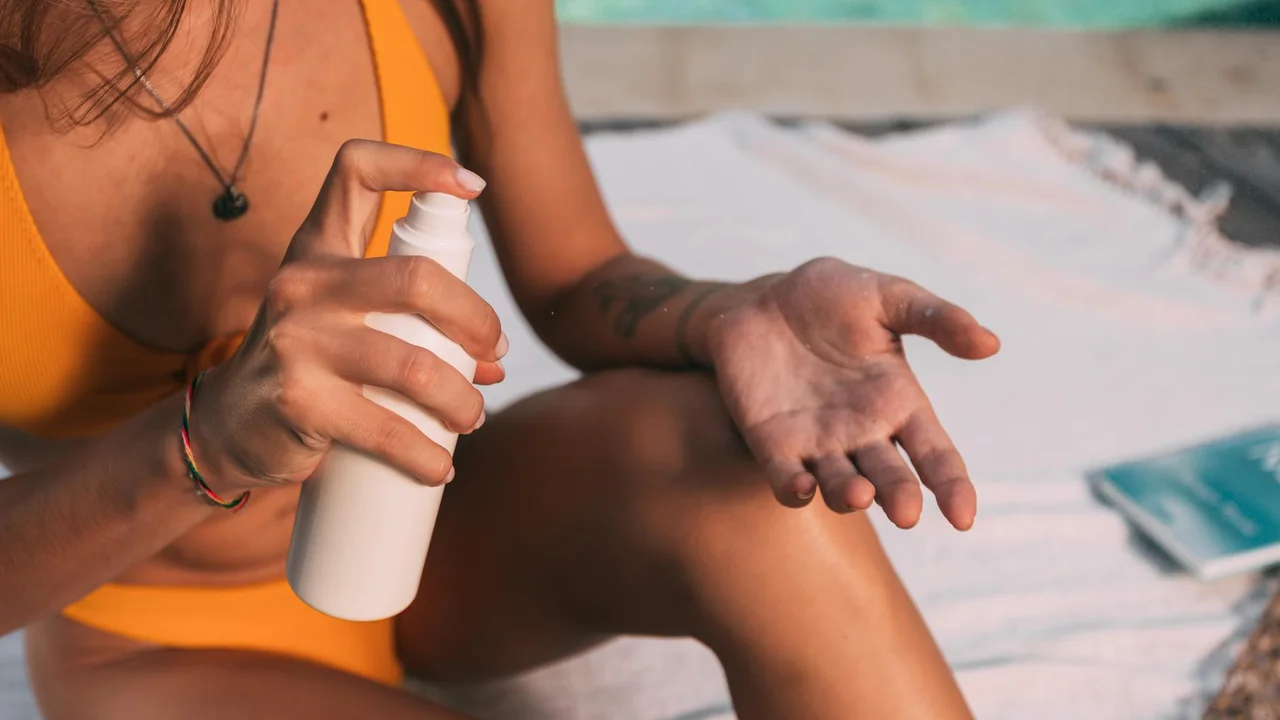
Let’s get clear on these terms first. A product labeled “comedogenic” means it has ingredients known to clog pores. These blockages, called comedones, are the start of most pimples. A “non-comedogenic” formula is designed to avoid those pore-clogging ingredients. So, are non-comedogenic ingredients in makeup and cosmetics really helping prevent clogged pores? We’ll explore whether these labels live up to the promise.
Here’s my honest take from years of blending. That “non-comedogenic” claim is not a strict, government-regulated guarantee. It’s more of a promise from the brand.
You still need to be your own ingredient detective, especially if your skin is sensitive.
Now, let’s talk about “oil-free” versus “non-comedogenic.” They are not the same thing. Many “oil-free” sunscreens use synthetic silicones or esters that can still trigger breakouts for some people, especially those containing comedogenic oils and ingredients.
Conversely, a “non-comedogenic” product might contain botanical oils that are incredibly light and safe for pores.
I often recommend oils like squalane (from olives) or jojoba oil to my clients with oily or acne-prone skin. They mimic your skin’s natural sebum and can actually help balance oil production. They’re non-comedogenic heroes in my own apothecary.
For acne-prone skin, a truly non-comedogenic product is always the better, safer starting point over just an “oil-free” one. If you’re wondering about it, that question—are the best non-comedogenic skincare products suited for oily, acne-prone skin—comes up often. Typically, you want formulations that won’t clog pores, not just those labeled oil-free. Look for that label first, then check the ingredient list for your personal triggers.
How to Choose a Sunscreen That Protects Your Skin, Not Your Breakouts
Think of this as your personal shopping list. I keep a version of it on my phone for quick reference, and it saves me from guessing games at the store.
What Your Skin Wants to See on the Label
Start by scanning for the active sunscreen ingredients. I gravitate towards mineral formulas for my reactive skin.
Zinc Oxide is my first-choice shield; it sits on top of the skin, deflecting rays while calming redness and irritation. Look for it paired with friendly supporting actors.
I love seeing Niacinamide in the mix. This powerhouse soothes inflammation and helps reinforce your skin’s own barrier, making it less likely to freak out.
For texture, light silicones like Dimethicone or Cyclopentasiloxane are your friends. They create a silky, breathable film that doesn’t feel heavy or greasy.
The best non comedogenic sunscreen for oily skin will often describe itself as a “fluid,” “milk,” or “gel-cream.” These are code words for a lightweight lotion that absorbs quickly.
Terms like “matte finish” or “shine control” are a good sign, promising a look that’s glowy, not glossy, by the end of the day.
What to Gently Sidestep
Just as important as what to look for is knowing what to politely pass by.
Be cautious of heavy plant butters high on the ingredients list, like cocoa or shea butter. While wonderful for body, they can be too occlusive for acne-prone facial skin.
Some coconut oil derivatives can also be problematic. Mineral oil and petrolatum are very occlusive, and I find they make my skin feel like it can’t breathe.
A “natural” or “botanical” label doesn’t automatically mean it’s non-comedogenic; coconut oil, for example, is highly comedogenic for many people. I’ve learned this from experience in my own formulations.
Finally, I advise extra caution with heavily fragrananced products. Those perfumes, even from lovely essential oils, can be a common trigger for irritation in sensitive, acne-prone skin.
A Closer Look at Mineral and Chemical Sunscreens
When your skin is prone to breakouts, every product choice feels weighty. For acne-prone skin, mineral sunscreens are often the gentlest starting point, but a well-formulated chemical sunscreen can be just as compatible. It comes down to how your individual skin responds.
I think of it like choosing a carrier oil for a sensitive blend. You need to know your base ingredients and how they behave on your skin. Patience and a little testing reveal the best match.
The Gentle Guard: Mineral Sunscreen (Zinc Oxide/Titanium Dioxide)
Picture a lightweight, physical barrier. Mineral sunscreen sits on the surface of your skin, deflecting UV rays away like a shield. It doesn’t sink in deeply, which is part of its charm for reactive skin.
Zinc oxide is a quiet hero in my cabinet, much like chamomile oil is for calming blends. Its natural anti-inflammatory action can help take the heat out of red, angry blemishes. It soothes as it protects.
This surface-level action and calming nature are key reasons mineral formulas are frequently recommended as the best non comedogenic sunscreen for sensitive skin. They minimize the risk of irritation that can trigger more breakouts.
When folks search “is Australian Gold sunscreen non comedogenic,” they’re usually looking at their popular mineral, tinted lotions. From my experience, these tinted options can provide a soft, matte finish that avoids the classic white cast and feels secure on acne-prone areas. It’s a smart, elegant formulation.
The Invisible Shield: Chemical Sunscreen Filters
Chemical filters work by absorption. They soak up UV radiation, transform that energy into a tiny amount of heat, and release it from your skin. Think of it like a sponge for sunlight.
The technology has evolved beautifully. Many modern chemical formulas are remarkably lightweight and elegant, blending in without a trace of grease or heaviness. For skin that already feels oily, this invisible feel is a major relief.
You must be a careful reader of labels here, just as you would with essential oil bottles. Always verify a chemical sunscreen is labeled “non-comedogenic,” as some ingredient combinations can be pore-clogging for acne-prone types. This caution also extends to essential oils—some are non-comedogenic, while others can clog pores on acne-prone skin. The right formula makes all the difference.
Trust your skin’s feedback above any general rule. The best choice depends entirely on your skin’s unique tolerance and how the product wears throughout your day. My own routine switches between both types based on what my skin needs.
Trusted Sunscreen Formats for Every Part of Your Routine
Think of sun protection like choosing a face oil or serum. You need different formulas for different jobs. The right texture can make all the difference in how your skin feels and behaves.
For Daily Face Wear: Fluids, Gels, and Light Lotions
This is your everyday hero. You want something that slips into your morning ritual without a fuss. Look for SPF 30 to 50. I treat my daily face sunscreen like the last step of my skincare, not the first step of my makeup.
The best non comedogenic sunscreen for face should feel weightless. It should have a finish like a velvety primer, not a greasy film that sits on top of your pores.
Formulas with niacinamide or zinc oxide can be particularly soothing for acne-prone skin, helping to calm redness as they protect. On my own shelf, I’ve found a couple of reliable allies.
EltaMD UV Clear is a cult favorite for a reason. It feels like a light lotion and layers beautifully. La Roche-Posay Anthelios Mineral Ultra-Light Fluid is another star-it dries to a soft, barely-there finish.
Finding the best non comedogenic sunscreen for acne prone skin is a personal journey. Start with a sample size if you can, and pay attention to how your skin feels after a full day of wear. When you’re building a complete acne prone skincare routine, pairing sunscreen with a non comedogenic moisturizer helps keep skin balanced. A lightweight moisturizer ensures hydration without clogging pores, especially alongside sun protection.
For the Body: Lightweight, Breathable Protection
We often forget that body skin needs a gentle touch too. Your back, chest, and shoulders can be just as prone to congestion and breakouts.
When searching for the best non comedogenic sunscreen for body, skip the thick, white creams meant for a day at the beach. Those can trap sweat and oil against the skin, leading to clogged pores.
I reach for sprays or light milks. They spread easily and, most importantly, dry down completely to a breathable finish. You shouldn’t feel tacky or like you’re wearing a second skin.
A lightweight body sunscreen should feel like a sheer veil, not a occlusive layer. Look for terms like “dry-touch” or “non-greasy.” Apply it like you would a light body oil-smooth it on and let it absorb.
Never use a heavy, waterproof sunscreen on areas you know are congested. It’s a surefire way to invite trouble.
The Sunstick Lowdown: Are They Safe for Acne-Prone Skin?
Sunsticks are incredibly convenient for reapplying over makeup or hitting small areas. But for acne-prone skin, you must be a detective.
The base of a sunstick is often wax. The key is to check the ingredient list for heavy, comedogenic waxes or pore-clogging oils that could form a plug on your skin. Some sticks glide on with a lighter, more elegant feel.
I see many people asking, “is abib sunstick non comedogenic?” or “is ahc sun stick non comedogenic?” These popular K-beauty sticks are often praised for their matte finishes. Reviews suggest they work well for many, but your skin is unique. Patch test on a small area of your jawline first.
Similarly, queries like “is anessa sunscreen non comedogenic” often point to Japanese sunsticks known for their sophisticated, sheer textures. They frequently use silica and lighter silicones to avoid a heavy feel.
My rule with sticks is simple. If it feels thick, draggy, or leaves a visible waxy layer, it’s probably not the best choice for your pores. A good non-comedogenic stick should offer a smooth glide and a clean, matte set-down.
Global Finds: Korean and Australian Sunscreen Philosophies
Sometimes, the best solution comes from a different corner of the globe. Both Korean and Australian suncare have earned cult followings, and for good reasons that align perfectly with acne-prone skin needs.
The Korean Approach: Light-as-Air Texture and Skincare Benefits
When people ask for the best non comedogenic sunscreen korean, they’re usually craving a specific sensory experience. I keep a few of these on my own shelf for days when my skin feels reactive or just needs a break from heavier textures.
The hallmark here is a finish that feels dewy but never greasy. It’s like a hydrating gel-cream that happens to have powerful sun protection. This light-as-air quality means the product layers beautifully and vanishes without a trace of pore-clogging residue.
Beyond protection, these formulas are packed with skin-soothing allies. You’ll often find centella asiatica (cica), mugwort, or birch juice. These botanicals calm redness and irritation, which is a godsend for skin that flares easily. I find formulas with centella especially comforting when my skin is feeling sensitive.
Brands like Beauty of Joseon and Round Lab are constantly discussed in online forums for good reason. Their sunscreens typically avoid heavy oils and waxes, focusing instead on hydrating, breathable layers that protect and treat.
The Australian Standard: High Protection, Botanical Touches
Searching for the best non comedogenic sunscreen australia leads you to products born under a harsh sun. The Australian standards for broad-spectrum protection are famously rigorous, which builds immense trust.
Many favorites from this region are mineral-based, relying on zinc oxide. This ingredient sits on top of the skin, reflecting UV rays, and is naturally less likely to cause heat-related breakouts. Australian Gold is a prime example, with their mineral formulas being a top pick for acne-prone types.
Their tinted versions address a common mineral sunscreen gripe-the white cast. Yes, the Australian Gold tinted sunscreen is generally non comedogenic, but you must pick the right shade. A tint that’s too dark or too light can mix with oils and potentially clog pores, so color matching is key.
Always read the ingredient list, even with trusted brands. Some popular Australian lines, like Bondi Sands, frequently use coconut-derived ingredients. While not problematic for everyone, these can be comedogenic for some, making that quick label check a vital final step.
When to Seek Professional Help
Finding a good sunscreen can feel like a quest. If you’ve tried several of the recommended types and every single one causes a severe reaction, deep cysts, or painful breakouts, it’s time to call in an expert.
A board-certified dermatologist can be your greatest ally in figuring out exactly what your skin is reacting to. They can help you identify if you have a specific allergy to a chemical filter or another common sunscreen ingredient.
If you are using prescription acne treatments like retinoids or strong acids, sunscreen is non-negotiable but also tricky. Mixing potent actives with new products requires a careful balance to avoid turning your skin red and raw. A dermatologist can map out a routine that protects your skin from the sun without sabotaging your treatment progress.
I keep a shelf of gentle, skin-soothing oils like tamanu and sea buckthorn for calming irritation, but some skin needs more. Persistent acne is often a complex puzzle with many pieces-hormones, diet, stress, genetics-and sunscreen might just be one small part of the picture. A professional can help you see the whole map.
Your Sunscreen Questions, Answered
Is a “natural” or “botanical” sunscreen automatically non-comedogenic?
Not at all. Many lovely plant oils, like coconut oil, are highly comedogenic. From my shelf to yours, I always check the specific ingredients, as a “natural” label alone doesn’t guarantee it’s safe for acne-prone pores.
What’s the best way to test if a sunscreen will break me out?
Perform a patch test on a small area of your jawline or cheek for a full week. This gives your skin time to reveal any clogging or irritation before you commit to a full-face application.
Can I use the same sunscreen on my face and body if I’m acne-prone?
I don’t recommend it. Body formulas are often richer and can clog facial pores. Stick to the lightweight, breathable fluids you’ve chosen for your face to keep everything clear and comfortable.
Are popular Korean sunscreens like Beauty of Joseon truly non-comedogenic?
Their elegant, gel-like textures are formulated to avoid heavy pore-cloggers, making them a fantastic choice for many. However, always check for your personal trigger ingredients, as individual skin responses can vary.
Why do some mineral sunscreens still feel heavy or pore-clogging?
It comes down to the base formula. If it’s loaded with heavy plant butters or waxes to reduce white cast, it can still smother pores. Look for ones described as “ultra-light” or “fluid” for a truly breathable feel.
Sun Protection for Your Botanical Skin Ritual
For skin that leans toward breakouts, your daily essential is a sunscreen that guards without greasiness or pore-clogging weight. I always keep a trusted, non-comedogenic formula on my shelf-it’s the steadfast base that allows my favorite facial oils, like evening primrose or squalane, to truly nourish without conflict.
I share hands-on experiments and recipes for blending wellness into everyday life right here on the blog. Your own observations as you care for your skin, hair, and home with oils are invaluable, so pair my guidance with your growing expertise.
Research and Related Sources
- 7 Best Sunscreens for Acne Prone Skin in 2025 – Exclusive Beauty Club
- The 13 Best Non-Comedogenic Sunscreens of 2025, According to Skin Experts
- These Are the Only Sunscreens I Trust With My Acne-Prone Skin
- My top 8 SPFs for acne-prone skin – Notes by Alice
- 11 Best Non-Comedogenic Sunscreen Formulas for Daily Sun Protection | Vogue
- Non-Comedogenic Sunscreen for Oily and Acne-Prone Skin
Noemi is an accomplished wellness researcher, nutrition care guide and body care expert. She has years of experience in formulating various oil combinations for full body wellness including face, hair, body care, essential oils and cooking oils. She works as a bio-formulator working with oil chemistry and analyzing the best formulations when it comes to your needs. Feel free to reach out to get your oil needs sorted.