What Are the Best Uses of Tea Tree Oil for Treating Skin Conditions?
If your skin feels unbalanced or irritated, you are not alone. From my own apothecary shelf, I have used tea tree oil for years to address similar concerns with a gentle, focused approach.
This article shares my practical methods for using tea tree oil effectively on your skin. We will look at:
- Calming acne and reducing blemishes
- Managing fungal skin issues
- Easing common irritations and itch
- Creating safe, simple blends at home
Getting to Know Tea Tree Oil’s Scent and Feel
Crack open a bottle of pure tea tree oil and you’re greeted by a crisp, clean aroma. It smells medicinal, like a well-kept herb garden after the rain. The oil itself is thin and almost watery, not thick and viscous like some other plant oils.
This clear liquid comes from steaming the leaves of the Melaleuca alternifolia, a bushy tree native to Australia. For centuries, the Bundjalung Aboriginal people used these leaves for healing.
Its power lies in being a broad-spectrum antimicrobial and anti-inflammatory agent, which is why it’s my first grab for so many common skin concerns.
That potent nature means a little goes a very long way. Using it straight from the bottle is a sure way to irritate your skin, which brings us to the single most important rule.
The Golden Rule: Diluting Tea Tree Oil Properly
Always, always dilute tea tree oil before it touches your skin. This isn’t a suggestion, it’s a necessity for safe and effective use. Proper dilution is key for safety when using it on skin, hair, or around the home.
You dilute it by mixing it with a carrier oil. Think of a carrier oil as a gentle vehicle that “carries” the powerful essential oil onto your skin. My favorites are jojoba oil, which mimics your skin’s own oils, or fractionated coconut oil, which is light and absorbs quickly.
What You’ll Need on Your Shelf
Gathering the right tools makes the process simple and safe. Here’s what I keep in my mixing kit:
- A bottle of 100% pure tea tree essential oil.
- A carrier oil, like the jojoba or fractionated coconut oil I mentioned.
- A small dark glass bottle (an ounce is perfect) for your blend.
- A glass dropper for precise measurements.
I store my blends in glass because essential oils can break down certain plastics over time, which you don’t want mixing with your recipe.
A Simple Dilution Guide for Beginners
Let’s keep the math easy. A good starting dilution for most body skin is 1% to 2%.
For a 1% dilution, mix 1 drop of tea tree oil with 1 teaspoon (about 5 mL) of your chosen carrier oil. For a 2% dilution, use 2 drops. That tiny amber bottle on my shelf holds a 1% jojoba blend I use almost daily for safe and effective treatments.
A quick sniff test helps. Your final mixture should smell faintly of tea tree, not so strong it clears your sinuses from across the room.
For more sensitive areas like your face, underarms, or the delicate skin on your neck, I recommend starting with an even weaker mix. Try just 1 drop of tea tree oil in a full tablespoon of carrier oil. You can always adjust slightly if needed.
Soothing Specific Skin Conditions with Tea Tree
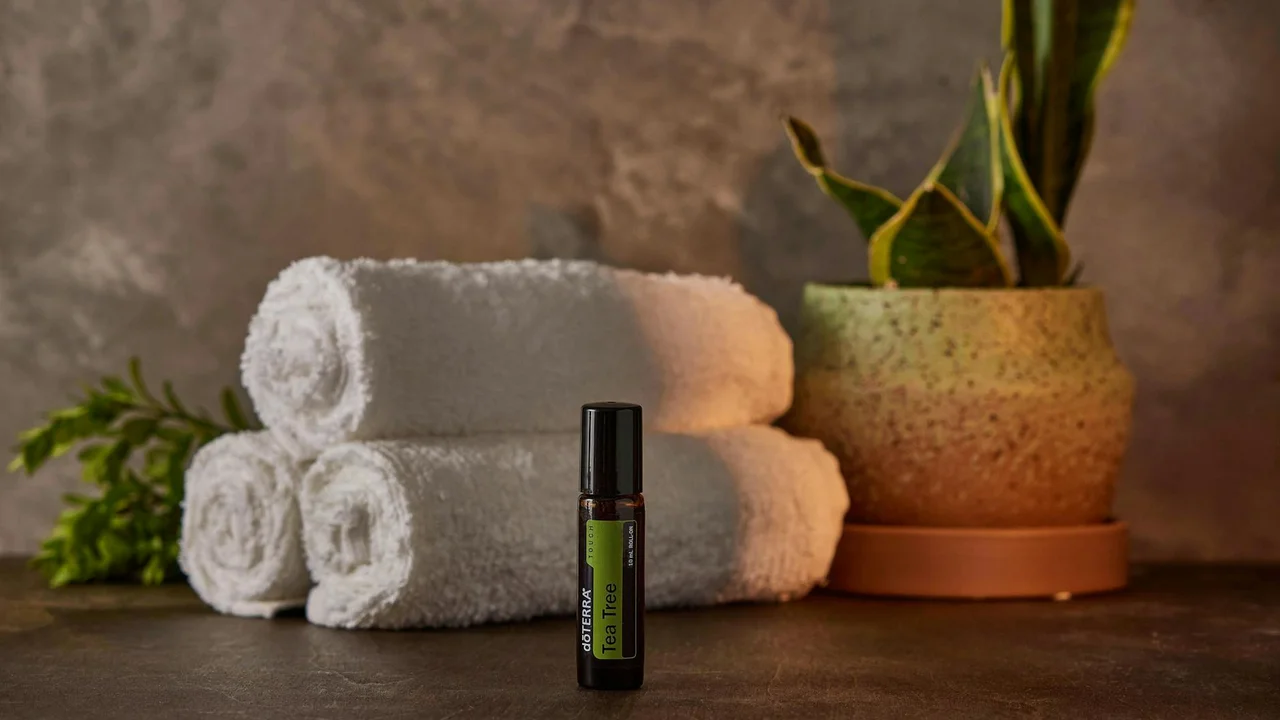
Tea tree oil is a powerful tool in my apothecary, but its strength means we must match the method to the concern.
I keep a small brown bottle of diluted tea tree blend just for skin, ready for these specific situations.
For Blemishes and Acne-Prone Skin
This is where tea tree oil truly shines on my shelf.
Its crisp, clean scent signals its main action: fighting the bacteria that can lead to clogged pores and breakouts.
For a precise spot treatment, dip a clean cotton swab into a small dish of hazelnut or jojoba oil mixed with one drop of tea tree oil.
Dab it directly onto the blemish after cleansing.
You want just enough to cover the spot, not the surrounding skin.
I find this method calms redness and helps reduce a blemish’s size overnight.
Always follow with your regular moisturizer.
For Calming Redness and Rosacea Flare-Ups
Using tea tree oil for rosacea requires a gentle, cautious hand.
Its anti-inflammatory properties can be helpful, but its potency can also irritate.
Dilution is non-negotiable here; I use only one drop of tea tree oil in two tablespoons of a supremely soothing carrier oil like rosehip seed or tamanu.
This creates a blend under 1% concentration.
Test this mix on a small patch of skin on your inner arm for 24 hours before using it on your face.
If your skin is in the middle of a severe, hot flare-up, it’s often best to pause and let it calm with just carrier oil.
When the skin is calm, a tiny amount of this diluted blend massaged in can support overall skin balance.
Watch your skin’s response closely-it will tell you what it needs.
For Supporting Scar and Keloid Appearance
Time and consistency are your best allies when working with scars.
Tea tree oil can be a helpful part of this slow, supportive process for both recent wound healing and older marks.
Its properties may help smooth raised texture and fade the pink or red color in some scars over many weeks of use.
Create a 2% dilution (about 6 drops per tablespoon of carrier oil) in a nourishing base like rosehip or calendula-infused oil.
Massage a drop or two into the scarred area with very gentle pressure for a minute each day.
This daily ritual hydrates the tissue and encourages circulation.
For raised, established keloids, tea tree oil may offer some comfort, but its ability to significantly reduce their size is limited.
Managing expectations is key; this is about supportive care, not a quick fix.
Addressing Fungal Concerns Safely
Fungal skin issues like athlete’s foot, ringworm, and nail fungus can be stubborn and uncomfortable.
Tea tree oil is one of my most reached-for tools for these concerns because of its potent antifungal properties.
The sharp, clean scent you smell is a sign of its active compounds, which can help create an environment where fungus struggles to thrive.
I’ve found it particularly helpful for the itchy, cracked skin of athlete’s foot and the red, ring-shaped patches of ringworm.
When people ask about tea tree oil uses for fungal problems, my advice is to start with a proper dilution and be consistent with application.
Now, a common question I get is: can tea tree oil cure yeast infection?
It’s vital to distinguish here. While *Candida* (a yeast) is a type of fungus, a vaginal yeast infection is an internal condition.
I do not recommend using tea tree oil internally or in sensitive mucosal areas.
For external fungal skin issues, however, it can be a very supportive part of your routine.
Crafting a Targeted Antifungal Blend
For tough areas like the feet or nails, a slightly stronger dilution is often more effective.
I usually bump it up to a 5% dilution for these spots, but only after I know the skin isn’t overly sensitive.
Here is how I make my go-to antifungal blend:
- Get a small, clean glass bottle. I reuse my 1-ounce amber dropper bottles.
- Add 2 teaspoons of a carrier oil like fractionated coconut oil or jojoba. It stays liquid and absorbs well.
- Carefully add 30 drops of pure tea tree essential oil. This gives you your 5% dilution.
- Cap the bottle and gently roll it between your palms to mix.
Apply this blend to clean, dry skin twice a day using a fresh cotton pad for each application.
This prevents you from reintroducing the fungus. Let the area air dry completely before putting on socks or shoes.
For nail fungus, the process requires a special kind of patience. You’re treating the new nail as it grows.
Apply your diluted blend directly to the affected nail and the skin underneath it twice daily.
You must be consistent for many weeks or even months, as you are waiting for the healthy nail to grow out and replace the infected part.
I keep my blend right by the sink as a reminder. It’s a marathon, not a sprint, but seeing that clear new growth is worth it.
Everyday Uses for Hair and Scalp
People often ask me if tea tree oil is just for acne. My answer is always no. Its clarifying power works wonders from the neck up, too — unlike some non-comedogenic oils and creams that claim to be acne-friendly.
It can help manage a flaky, itchy scalp, refresh a beard, and calm skin after a head shave. These benefits mostly come from tea tree oil’s natural ability to address the fungi and bacteria that contribute to common scalp issues. These same effects raise questions about overall hair health, including potential effects on hair loss and ingrown hairs. Many readers also want to know whether tea tree oil supports general hair care beyond the scalp.
Revitalizing Your Scalp and Beard
For a quick treatment, I reach for a light carrier oil. Jojoba or fractionated coconut oil are perfect-they mimic skin’s natural oils and won’t leave a heavy residue. Are these the best substitutes or alternatives to coconut oil for cooking and skincare? The next steps will compare them side by side.
Here is my basic scalp and beard massage blend.
- Add 2 tablespoons of your chosen carrier oil to a small glass bottle.
- Mix in 6 drops of tea tree essential oil.
- Shake gently to combine.
Massage a small amount into your scalp or beard for a few minutes before your shower. Let it sit for 10-15 minutes to let the tea tree oil go to work, then wash it out with your regular shampoo. This can soothe that nagging itch and lift away flakiness.
After shaving your head or face, that same diluted blend is a friend. A single drop of the mixed oil, patted gently onto the skin, can soothe minor razor irritation and prevent bumps.
I always keep a pre-diluted bottle on my shelf for this. Remember, you must always dilute tea tree oil in a carrier before adding a drop to your shampoo or conditioner bottle—it’s important to know the right dilution ratios. A direct undiluted application is too harsh for your skin and scalp.
Bringing Tea Tree Oil into Home Care
Your bottle of tea tree oil can do so much more than sit in your medicine cabinet.
I love finding ways for one ingredient to pull double duty, making my home feel cleaner and more vibrant.
Its crisp, clearing aroma and natural properties make it a fantastic partner for simple, nontoxic homekeeping.
A Natural Cleaning Partner
Tea tree oil is a star in my homemade cleaning supplies.
Its natural properties can help tackle grime while leaving a fresh, clean scent behind, not a heavy chemical perfume.
My favorite method is a simple all-purpose scrub for sinks and tubs.
Here is how I make mine.
- Mix half a cup of baking soda in a bowl.
- Add liquid castile soap slowly until it forms a spreadable paste.
- Stir in 10 drops of tea tree oil.
Use it with a scrub brush or cloth, then rinse well. The baking soda lifts stains, while the tea tree oil tackles the rest.
For daily wiping, a spray is perfect. In a 16-ounce glass spray bottle, combine 1.5 cups of water, half a cup of white vinegar, and 20 drops of tea tree oil.
Shake well before each use. I keep one by my kitchen sink.
Creating a Fresh Environment
Beyond cleaning surfaces, tea tree oil can change the feel of the air in your home.
Its purifying scent is ideal for stuffy rooms, entryways, or after cooking.
A small diffuser in a bathroom or hallway works wonders. I use just 3 or 4 drops alone, or pair it with 2 drops of lemon oil for a brighter lift.
For fabrics, you can make a light linen spray. In a small spray bottle, mix one cup of distilled water with 15 drops of tea tree oil.
Always spot-test fabric sprays on a hidden seam first, and avoid using them on silk or other delicate materials.
A quick spritz on sofa cushions or bedding can feel so renewing.
Remember, a little goes a long way. That sharp, clean scent is powerful, and using too much can feel overwhelming instead of refreshing.
Navigating Safety: When Tea Tree Oil Might Burn or Irritate
Can tea tree oil burn your skin? Yes, it can cause a chemical burn or significant irritation if used incorrectly. I treat the pure oil in my cabinet with the same respect I give to a potent tincture-it’s powerful stuff.
A little warmth when applied is typical for many essential oils. But true burning or stinging is your skin asking for help.
Key Rules to Follow
I have three non-negotiable safety rules for tea tree oil. They’ve saved my skin more than once.
- Never, ever use tea tree oil undiluted on your skin. Always mix it with a gentle carrier oil like jojoba or sweet almond oil first.
- Avoid applying it to broken skin, cuts, or fresh wounds when you’re first trying it. The skin barrier is compromised and more vulnerable.
- Be mindful of potential allergies. While uncommon, some people can react to components in the oil.
How to Perform a Simple Patch Test
This is the most important five minutes you can spend. I do this with every new bottle, even from trusted suppliers.
- Create your diluted mixture. Add one drop of tea tree oil to a half teaspoon of carrier oil.
- Choose a discreet, sensitive area. I always use the skin behind my ear or the inner crease of my elbow.
- Apply a small dot of the mixture to clean, dry skin.
- Leave it alone for 24 hours. Don’t wash it or cover it with a bandage.
If the area stays clear and calm, your dilution is likely safe for you. This test tells you what your skin will tolerate.
Warming vs. Stinging: Knowing the Difference
When you apply a well-diluted tea tree blend, a faint, cleansing warmth is common. It should feel like a mild tingle, not a distraction.
Any sharp stinging, intense itching, or visible redness means your mixture is too strong. Your skin is speaking loud and clear. Rinse the area with cool water and a mild soap, then apply a plain carrier oil to soothe it.
In my routine, if I feel that sting, I immediately dilute the blend further with more carrier oil before trying again.
Common Mistakes and How to Avoid Them
Even with a powerhouse like tea tree oil, small missteps can lead to irritation or disappointing results.
Knowing what to watch for makes all the difference.
Using It Neat (Undiluted)
Applying pure tea tree oil directly to your skin is a common urge, especially on a single blemish.
This can cause significant redness, burning, and dryness for most people.
Always dilute it in a carrier oil like jojoba or sweet almond oil first.
A good starting point is 3 drops of tea tree oil to 1 teaspoon of carrier oil.
Skipping the Patch Test
Your skin’s tolerance is unique.
What works for a friend might react on you.
Always do a patch test 24 hours before using a new dilution on a larger area.
Apply a small dab to your inner forearm, cover it with a bandage, and wait.
Any redness or itching means you need a weaker mix.
Using Old or Oxidized Oil
Tea tree oil has a shelf life, typically 1-2 years after opening.
Old oil loses its therapeutic sharpness and can become a skin irritant.
If your oil smells weak, overly sweet, or has lost its crisp medicinal punch, it’s time for a new bottle.
Over-Applying or Using Too Frequently
More is not better.
Applying a strong dilution multiple times a day can strip your skin’s barrier.
Once or twice daily application is usually plenty for most skin concerns.
Let your skin heal between uses.
Choosing Poor-Quality Oil
Not all tea tree oils are created equal.
Look for the botanical name Melaleuca alternifolia clearly on the label.
A reputable supplier will provide information on the oil’s purity and source.
If the price seems too good to be true, it often is.
What Helped Me
I used to think a stronger mix would work faster on stubborn spots.
My skin taught me otherwise with a patch of angry, flaky dryness.
Scaling back to a gentle 1% dilution (about 1 drop per teaspoon of carrier) and using it just once a day actually cleared things up more effectively.
Patience and a lighter touch work better than force with botanical oils.
A Note from My Apothecary Shelf
I keep my tea tree oil in a dark glass bottle in a cool kitchen cupboard, far from the stove’s heat.
Light and warmth are its biggest enemies.
One time, I left a bottle on a sunny windowsill for a few months.
When I finally went to use it, the scent was flat and it made my skin tingle unpleasantly.
Storing your oils properly is the simplest way to preserve their power and protect your skin.
My pro-tip: Write the date you opened it right on the bottle with a permanent marker.
It takes the guesswork out of knowing when to replace it.
What People Ask
Can I use tea tree oil for dandruff or seborrheic dermatitis?
Absolutely. Its properties can help manage the yeast that often contributes to a flaky, itchy scalp. Simply add a few diluted drops to your shampoo or create a pre-wash scalp massage oil, as outlined in the hair section.
Is tea tree oil good for a daily beard oil?
Yes, when properly diluted, it makes an excellent addition to a beard oil for its cleansing and soothing benefits. Blend a drop or two into your favorite carrier oil base to help prevent itch and keep the skin underneath healthy. Knowing the best ingredients, their benefits, and uses in beard oil can help you tailor a blend to your skin. We’ll explore these topics next.
Can tea tree oil help with headaches?
Some find its crisp aroma helpful for tension headaches due to its potential calming effect. You can diffuse it or, with extreme caution, apply a *very* diluted drop to your temples-but avoid the eye area entirely.
How can I use tea tree oil preventively around the home?
Its properties make it a great choice for natural cleaning. A few drops in a spray bottle with water and vinegar creates an effective surface cleaner that leaves a fresh, clean scent without harsh chemicals.
What should I do if I have an allergic reaction to tea tree oil?
Stop using it immediately, wash the area with mild soap and cool water, and apply a plain carrier oil to soothe. If the reaction is severe, seek medical attention, and always perform a patch test before future use.
Your Skin’s Botanical Ally
Treating skin with tea tree oil works best when you respect its strength. Always dilute it in a gentle carrier oil to harness its benefits safely and avoid irritation. Pairing it with the right carrier oil matters, especially for sensitive skin. A quick reference like the best carrier oils sensitive skin safe blending guide can help you choose blends confidently. That simple step makes it a reliable partner in your routine.
I invite you to follow along here for more guides as you build your own apothecary shelf. Trust your experience as you experiment, noticing how your skin responds to find your perfect, personal balance.
Sources and Additional Information
Noemi Kamińska
Noemi is an accomplished wellness researcher, nutrition care guide and body care expert. She has years of experience in formulating various oil combinations for full body wellness including face, hair, body care, essential oils and cooking oils. She works as a bio-formulator working with oil chemistry and analyzing the best formulations when it comes to your needs. Feel free to reach out to get your oil needs sorted.