
What Are the Different Types of Robust Olive Oil and How Do I Select the Right One?
Choosing the wrong olive oil can turn a good dish bitter or smoky. From my own kitchen shelf, I can show you how to pick a robust oil with confidence for any recipe.
This article gives you a clear map to match an oil’s personality to your cooking, dressing, and dipping needs.
- What makes an olive oil “robust” in flavor and use
- How to pick an oil for high heat cooking without fear
- Selecting oils that create balanced, flavorful dressings
- Choosing the perfect oil for dipping bread and finishing dishes
Key Takeaways: Your Quick Guide
When we call an olive oil “robust,” we’re talking about its personality, not a stamp on a label. A robust oil greets you with a bold, often peppery sensation in the back of your throat, followed by flavors of green grass, fresh herbs, or pleasant bitterness, like the edge of a wild arugula leaf. It’s the opposite of a mild, buttery oil. This intensity comes from the olive variety itself and how early it’s harvested.
Four olive varieties are famous for their powerful, robust profiles. I think of them as the bold characters in my pantry.
Picual
Hailing from Spain, Picual is a powerhouse. Its flavor is intensely green, with strong notes of fresh-cut grass and a sharp, peppery finish that can really make you cough. Picual has a bold, almost rustic character that stands up beautifully to other big flavors.
Koroneiki
This small Greek olive punches well above its weight. Koroneiki oils are famously peppery and packed with a complex herbal aroma. You might smell fresh tomato vine or green banana peel in a great Koroneiki, followed by that signature peppery zing.
Frantoio & Coratina
These Italian classics are the backbone of many Tuscan oils. Frantoio offers a lovely balance of artichoke-like bitterness and peppery spice. Coratina turns everything up a notch. Coratina is one of the most pungent, with a bold, persistent bitterness and a peppery kick that lingers, perfect for those who love dramatic flavor.
Choosing the right oil is about harmony. You wouldn’t play a trumpet solo over a whisper-soft lullaby. Use your most robust oils as a finishing touch where their flavor can shine: drizzled over a hearty bean soup, grilled steak, or a crusty bread for dipping. For everyday sautéing or roasting vegetables, a medium-intensity oil is often a better, more balanced choice.
That bold, peppery taste is more than just flavor. It’s often a sign of high levels of natural antioxidants called polyphenols, which are celebrated for supporting heart and cellular health. A robust oil brings both a taste adventure and wellness benefits to your table.
To protect those delicate compounds and vibrant flavors, how you store the oil matters most. Always keep your bottle in a cool, dark cabinet away from the stove and never in direct sunlight, as heat and light are its biggest enemies. A dark glass bottle or tin is your best bet.
What Helped Me: A Note from My Shelf
I remember the first time I tasted a true, unfiltered Picual. The peppery kick was so strong it made my eyes water! My initial thought was that it was too much. But then I tried it drizzled over a bowl of sautéed bitter greens (kale and dandelion). That’s when it clicked: the oil’s bold bitterness met the greens’ own, and the pepper cut through the richness of the garlic I’d cooked them in. It transformed the whole dish. Now, I specifically reach for that bottle when I want to elevate something earthy or hearty.
This experience taught me a practical kitchen lesson. I always keep two bottles of extra virgin olive oil on hand: one robust and punchy for finishing dishes, and one milder, fruitier oil for general cooking and baking. This small step gives me the right tool for every culinary job without overpowering a delicate piece of fish with a Coratina’s intensity.
My best piece of advice is simple. Before you cook with a new oil, taste it. Pour a tiny amount into a spoon. Sip it. Let it coat your tongue. Tasting it straight tells you everything about its character-its fruitiness, its bitterness, and how much of a peppery punch it packs-so you can pair it with confidence. It’s the same principle I use when blending oils for the skin: you have to know the individual note before you can create the perfect harmony.
What Does “Robust” Really Mean in an Olive Oil?
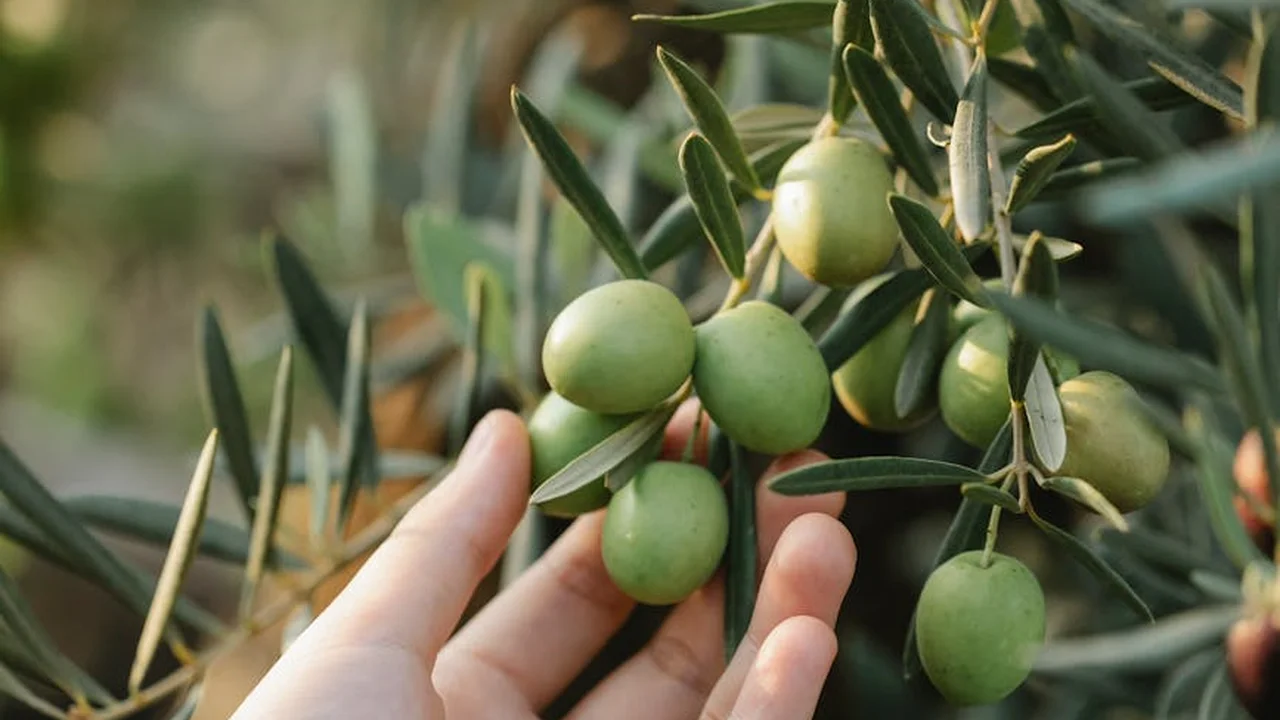
Think of robust olive oil like a strong, characterful voice. It’s not shy. When you taste it, you’ll notice a pleasant bitterness right at the back of your tongue, similar to dark chocolate or arugula. Then comes a peppery, almost spicy kick that can make you cough a little-that’s the pungency.
On my own shelf, a robust oil from early-harvest Picual olives has a vibrant, green aroma I can only describe as freshly cut grass and raw artichoke.
That combination of bold bitterness, a peppery sensation, and green, herbaceous notes is the hallmark of a robust oil.
All real olive oil comes from pressed fruit, but not all oil tastes this bold. That intense flavor is a direct result of the olives themselves, when they’re picked, and how they’re treated. Specific olive cultivars, like Coratina, Picual, and some Tuscan blends, are naturally higher in polyphenols-the compounds that create bitterness and pungency.
Harvesting the olives while they’re still green and processing them immediately after picking locks in these sharp, fresh flavors.
It helps to picture the oil world like different teas. A robust extra virgin olive oil is your strong black tea-assertive, complex, and impossible to ignore. A mild or delicate oil is more like a light green tea-soft, buttery, and mellow.
Both are wonderful, but they play very different roles in your kitchen and even in your wellness routine. Speaking of wellness, that signature peppery kick in a robust oil is often linked to its high level of oleocanthal, a natural compound with anti-inflammatory properties.
This, along with its high content of monounsaturated fats, is why a quality robust oil is celebrated as much for its vibrant flavor as for its supportive role in a healthy diet.
Robust vs. Extra Virgin: Understanding the Labels
This is where many people get tripped up, so let’s clear it up. “Robust” is a style or flavor descriptor. “Extra Virgin” is a legal grade of quality and purity.
An oil labeled Extra Virgin must be mechanically cold-pressed without heat or chemicals, and it must pass strict chemical and sensory tests to confirm it has no flavor defects.
You can think of “Extra Virgin” as the passport proving the oil is pure and well-made, while “robust,” “mild,” or “fruity” are the personality traits it carries.
The most intensely robust oils you find will almost always be Extra Virgin. The cold-pressing process is gentle enough to protect the delicate, pungent compounds that define the robust profile. If an oil is labeled just “Olive Oil” or “Pure Olive Oil,” it has been refined, a process that strips away flaws but also strips away most of that distinctive character and many of the beneficial compounds.
For dressing, dipping, or finishing a dish where you want that bold flavor and wellness boost, your goal is a robust Extra Virgin Olive Oil. Choosing the right one is key.
A Guide to Robust Olive Oil Varieties and Their Flavors
People often ask me how to choose an olive oil that actually tastes like something. My answer always starts with robust cultivars. While factors like price and provenance are important, nothing compares to the flavor itself.
These are the olives that give you a bold, structured flavor you can feel at the back of your throat, often with peppery, bitter, or grassy notes. While color alone isn’t a perfect guide, a vibrant green-gold hue often hints at that fresh, robust character I love.
Picual: The Bold and Peppery Standard
Picual is a classic workhorse from Spain. Its flavor is intensely green, with a pronounced bitterness and a sharp, peppery finish that can make you cough if it’s truly fresh.
This pungency and high antioxidant content make it remarkably stable for heat, which is why I reach for it most often for cooking. It won’t fade in a hot pan.
I use Picual for dishes with big flavors that can stand up to its power. Think searing a steak, roasting root vegetables, or stirring a spoonful into a pot of hearty lentil soup right before serving.
Koroneiki: The Greek Powerhouse
If Picual is a steady drumbeat, Koroneiki is a bright cymbal crash. This tiny Greek olive packs a huge punch.
Its profile is vividly grassy and herbal, like crushed green leaves, followed by a sharp, clean pepperiness. That lively, almost electric quality is best preserved by using it raw, as finishing heat can dull its beautiful edges.
Keep your Koroneiki on the table, not just by the stove. A generous drizzle over a block of feta, a plate of sliced tomatoes, or a simply grilled piece of fish transforms the entire dish.
Frantoio & Coratina: The Complex Italians
For my daily bread dipping and salad dressing, I gravitate toward these Italian classics. They bring wonderful complexity.
Frantoio oil often has a distinct, pleasant artichoke heart bitterness with a hint of almond. The Coratina sitting next to it on my shelf is even more intense, one of the most pungent and persistently bitter oils you can find.
That bold bitterness is exactly what you want in a dressing for bitter greens like arugula or radicchio, as it complements and elevates them. For dipping, I blend a robust Frantoio with a pinch of sea salt and a crack of black pepper-it’s simple, and it lets the oil’s character lead.
How to Pick Good Olive Oil: A Simple Tasting Method
Finding a great robust olive oil is simpler than you might think. You do not need a fancy certificate, just your eyes, your nose, and a tiny taste. To stay confident you’re buying genuine oil, look for authenticity signals and trusted, quality-branded bottles. This helps ensure you’re getting pure, unadulterated extra-virgin olive oil.
I keep a few bottles on my shelf for different uses, and this method never fails me.
Start With the Bottle
Before you even open it, the packaging tells a story. Look for two things right away.
A harvest date is your best indicator of freshness, far better than a vague “best by” date. Olive oil is a fresh fruit juice, not a fine wine. It does not improve with age.
You want oil from the most recent harvest, ideally within the last 12-18 months. Next, check the bottle. Dark green or brown glass protects the oil from light, which can spoil it quickly. Clear glass or plastic bottles are a red flag.
The Three-Part Taste Test
Now for the fun part. Pour a small amount, about a tablespoon, into a small glass. A little espresso cup is perfect for this.
- Smell It First. Cup the glass in your hands to warm it slightly. Bring it to your nose and take a gentle sniff. A good robust oil should smell fresh and green. Think of cut grass, green herbs, or even artichoke. If it smells musty, waxy, or gives you nothing at all, it is likely stale.
- Take a Small Sip. Let the oil coat your tongue. Do not swallow it yet. This direct tasting is the only real way to answer “how to choose the best olive oil” for your palate. You are looking for a balance of three sensations:
- Fruitiness: That fresh, green aroma you just smelled should translate to a flavor. It might taste grassy, leafy, or like green tomato.
- Bitterness: A pleasant, prickly bitterness at the sides of your tongue is a sign of fresh, healthy olives and antioxidants. It should be noticeable but not overwhelming.
- Pepperiness: A peppery, spicy kick at the back of your throat after you swallow. This is from a compound called oleocanthal, which has natural anti-inflammatory properties.
- Feel the Texture. A well-made oil will feel smooth and lush in your mouth, not thin or greasy.
A Note on Drinking Olive Oil
You might wonder, “is it ok to drink olive oil straight?” Tasting a spoonful to assess quality is perfectly fine and encouraged. Some people also take a daily spoonful for wellness. Think of it as a potent botanical supplement, not a beverage to be consumed in large quantities. A little goes a very long way.
For daily use, I prefer to get my oil by drizzling it over finished dishes where its vibrant flavor shines.
Matching Robust Oil to Your Cooking Style
Think about the flavor weight of your food. A hearty beef stew can carry a bigger, peppery oil, while a delicate fish might need a gentler touch.
Your goal is to choose an oil that complements the dish, not one that hides or overpowers it. This is the real answer to finding the right olive oil types for your recipes. To refine your pick for cooking and dressings, consider the best culinary olive oil brand, as revealed by reviews and comparisons. Reading brand-specific reviews helps you understand flavor, aroma, and performance in both hot dishes and dressings.
Let’s talk about smoke point. Many people get nervous here. A quality robust extra virgin olive oil has a smoke point around 400°F, which is perfectly fine for sautéing, pan-frying, and roasting. To understand why this matters, see a quick scientific guide on smoke points and how to choose oils for different cooking methods. It helps you pick the right oil for high-heat searing or gentler techniques.
You can confidently use it for most everyday cooking, just avoid deep-frying where temperatures soar. The oil’s antioxidants actually help protect it from breaking down too quickly under moderate heat.
For High-Heat Cooking: Searing and Sautéing
This is where a robust oil like Picual truly shines. I reach for mine when I’m searing mushrooms or giving chicken thighs a golden crust.
The bold, grassy notes won’t disappear with the heat. Instead, they meld into the savory, caramelized flavors you’re creating.
Using a robust oil here means you’re building flavor from the very first step of cooking. Those healthy monounsaturated fats and polyphenols remain stable and beneficial through the process.
For Low-Heat Cooking and Baking
For applications like roasting potatoes at a lower temperature or baking an olive oil cake, you might want a slightly dialed-back robust oil.
A Coratina or a balanced blend can offer that wonderful depth and fruitiness without the intense peppery punch that might compete with other ingredients.
It adds a sophisticated, complex backbone to your dish rather than a dominating front note. On my shelf, I keep a specifically chosen bottle for these moments where I want richness, not roar.
The Right Oil for Dressings, Dips, and Finishing
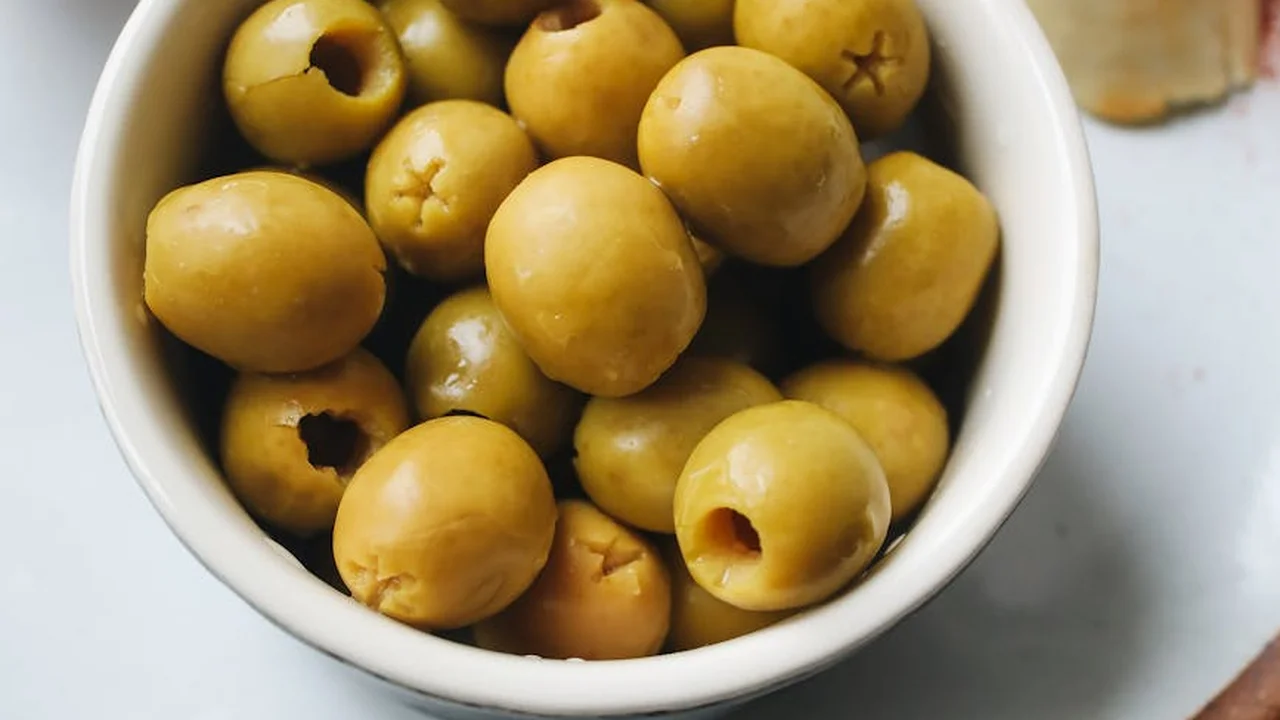
Robust olive oils are not one-size-fits-all. Their distinct personalities shine brightest when paired intentionally with your food and body care.
This simple match-up list helps you choose. Pairing the right oil with a dish is about creating a conversation between flavors, much like blending a custom scent for your home.
- Coratina: Intensely bitter and peppery. Its boldness stands up to bitter greens in salads and adds depth to dark, leafy vegetable dishes.
- Koroneiki: Vibrantly fruity with a sharp, peppery finish. This oil is perfect as the star of a bread dip or a final drizzle over soups and grilled fish.
- Picual: Grassy, robust, and pleasantly bitter. Use it in heartier vinaigrettes for grain bowls or as a finishing touch on roasted root vegetables.
- Olio Nuovo (Fresh Oil): Green, vibrant, and wildly aromatic with fresh-cut grass notes. This seasonal treat is best for dipping or drizzling where its lively character won’t be cooked away.
Let your senses guide you. A peppery oil can cut through the creamy fat of cheese, while a bitter one can balance the natural sweetness of roasted carrots.
Selecting a Robust Olive Oil for Salad Dressing
For dressings, think about balance. A very bitter oil like Coratina needs a counterpoint.
I love using it with sweet greens like butter lettuce or spinach, where its bitterness creates a sophisticated contrast. It also works wonderfully with inherently bitter greens like arugula or radicchio, amplifying their flavor in a way that feels harmonious, not harsh.
My standard vinaigrette formula with a robust oil is simple. Start with one part acid-like lemon juice or a mild vinegar-to two parts robust olive oil. Whisk vigorously with a pinch of salt until it emulsifies. The strong oil flavor means you can use a little less of it without losing its presence.
Choosing the Best Robust Oil for Bread Dipping
This is where your most aromatic, peppery oil should take center stage. Cooking mellows these notes, but dipping celebrates them raw.
A fresh, pungent Koroneiki or a bottle of olio nuovo is my absolute first choice for dipping. The peppery catch in the throat is part of the experience, signaling high-quality, fresh polyphenols.
On my kitchen table, I keep a small dish ready. Pour a generous pool of oil, then sprinkle with flaky sea salt, cracked black pepper, and a pinch of dried rosemary or oregano. For a touch of warmth, I sometimes add a light dusting of smoked paprika. Let the bread soak it all up.
Olive Oil Beyond the Kitchen: Wellness and Home Uses
People often ask me why extra virgin olive oil is considered so good for your heart.
I tell them it’s a two-part answer. First, it’s rich in monounsaturated fats, which are friendly to your cardiovascular system. Second, and this is where robust oils shine, they contain polyphenols.
These natural compounds are antioxidants, and they help protect your cells, which is why that peppery finish in a quality oil is a sign of something genuinely good for you.
The bottle you choose for a vibrant salad dressing can do double duty in your self-care routine.
That same high-quality, robust oil is a wonderful, simple ingredient for skin and hair. I keep a small apothecary jar of my favorite single-origin oil right next to my jojoba and almond oils.
At home, its uses extend even further. A simple mix of olive oil and beeswax makes a soothing balm. Combined with lemon juice, it becomes a beautiful, natural polish for wooden spoons or cutting boards.
For Skin and Hair: A Note on Direct Application
You can use olive oil directly on your skin, but I advise a gentle approach. It’s a heavier, richer oil.
I find it works best on very dry areas like elbows, heels, or hands, especially in winter. For your face, lighter oils like jojoba or squalane often feel less greasy and are less likely to clog pores.
This is a key difference from products like mineral-based baby oil, which works differently than nourishing botanical oils.
For hair, it’s a fantastic pre-shampoo treatment. Massage a small amount into dry ends and let it sit for 20 minutes before washing.
It helps shield hair from water absorption during your shower, which can prevent dryness and frizz.
Always start with a patch test on your inner arm to see how your unique skin responds.
Your Questions, Answered
Can I judge an oil’s robustness by its color?
Not reliably. A vibrant green hue often suggests fresh, early-harvest olives, which can correlate with a robust profile, but color alone isn’t a definitive indicator. Always trust the taste of pepper and bitterness over the visual cue.
Is a “robust” olive oil always extra virgin?
Truly robust flavor and high polyphenol content are hallmarks of quality extra virgin olive oil, as the gentle cold-pressing preserves these compounds. Understanding how polyphenol content varies across different olive oil types—extra virgin, virgin, and refined—helps explain why flavor and health benefits differ. A refined or “pure” olive oil will lack this distinctive, beneficial character.
What type of fat is in robust olive oil, and why does it matter?
Robust olive oil is rich in heart-healthy monounsaturated fats, the stable foundation of its wellness reputation. This good fat profile, combined with its high antioxidant content, is what makes it a celebrated part of a nourishing diet. This naturally invites a closer look at which is healthier for cooking—butter or olive oil—and how their fats influence heart health. Exploring these nutritional differences helps inform smarter choices about fats in everyday meals.
Can I use a robust oil for baking, like in cakes?
Yes, but choose selectively. A robust oil with complex fruitiness, rather than intense pepper, can add wonderful depth to baked goods. It’s perfect for recipes where you desire a sophisticated, herbal note in the background.
Are there skin benefits to using robust olive oil topically?
Yes, its high antioxidant polyphenols can be soothing. I recommend using it as a targeted treatment for very dry areas, like cuticles or heels, where its rich, protective qualities are most effective.
Your Journey with Robust Olive Oil
The best choice always starts with your own palate. Treat selecting a robust oil like choosing a botanical for your apothecary shelf-let your senses guide you to the one that feels right for your kitchen and your wellness.
I encourage you to experiment with a small bottle of a new type. The same attention we give to oils for skin and home applies here, building a practice of intention that nourishes from the pantry out.
Deep Dive: Further Reading
- 5 Types of Olive Oils You Should Know Before Buying
- The Ultimate Guide to the Different Types of Olive Oil
- Olive Oil Guide | The Mediterranean Dish
- Olive Oil 101: Understanding the Types, Benefits, and Uses – Western Racquet
- r/Cooking on Reddit: Different Olive Oils have Different Characteristics
- Types of olive oil and usage: a guide | Laudemio Frescobaldi
Noemi Kamińska
Noemi is an accomplished wellness researcher, nutrition care guide and body care expert. She has years of experience in formulating various oil combinations for full body wellness including face, hair, body care, essential oils and cooking oils. She works as a bio-formulator working with oil chemistry and analyzing the best formulations when it comes to your needs. Feel free to reach out to get your oil needs sorted.