
Is Linoleic Acid Your Skin and Health Ally or a Hidden Risk?
You might feel overwhelmed by conflicting advice on linoleic acid in your skincare and cooking oils. From my shelf of blended carriers to my kitchen cabinet, I’ve seen how this fatty acid works in real life, and I can guide you through the facts.
This article will give you a clear, practical view of linoleic acid so you can make informed choices for your body and home.
- How linoleic acid benefits your skin barrier and heart when used correctly
- Simple ways to include it in your diet and topical routines
- Key potential risks and how to avoid common pitfalls
- My personal tips for choosing the right oils
Key Takeaways
- Linoleic acid is an essential omega-6 fatty acid your body absolutely needs but cannot make on its own.
- It plays a fascinating dual role: it’s a fundamental building block for a healthy skin barrier and a precursor to molecules that manage inflammation.
- The difference between a benefit and a risk hinges entirely on source, dose, and balance, especially with anti-inflammatory omega-3s.
- For your skin and hair, the goal is to use linoleic acid topically through wisely chosen carrier oils, not by applying pure supplements.
Linoleic Acid Unwrapped: What Exactly Is It?
Let’s simplify it. Linoleic acid is a parent omega-6 fatty acid.
The word “essential” is key here it means your body cannot manufacture this fat from scratch, so you must get it from your diet or, for your skin, from topical sources.
Think of it as a crucial raw material. Inside your body, it gets converted into other substances. For your skin, it acts like a perfect brick in the mortar of your skin’s protective outer layer.
You might also hear about conjugated linoleic acid, or CLA. This is a slightly different form found in foods like grass fed meat and dairy. Its story is a bit separate, and we’ll touch on it more when we talk about dietary sources.
The Omega Family: Where Linoleic Acid Fits
Linoleic acid is the primary omega 6. Its famous cousin is alpha linolenic acid, the parent omega 3. Both are essential. Your body uses them to create signaling molecules that talk to your immune system.
Omega 6 derived signals generally promote inflammation, while omega 3 derived signals help resolve it this is why their balance in your diet is so talked about, not the outright elimination of one.
You can often feel this balance in your hands. Oils bursting with linoleic acid, like safflower or grapeseed, tend to be lightweight and dry to the touch. They sink in fast. Oils richer in oleic acid, an omega 9, often feel more unctuous and leave a lingering softness. My shelf has both types, and I choose them based on how my skin feels that day.
Eating It Up: Dietary Benefits and Cautions
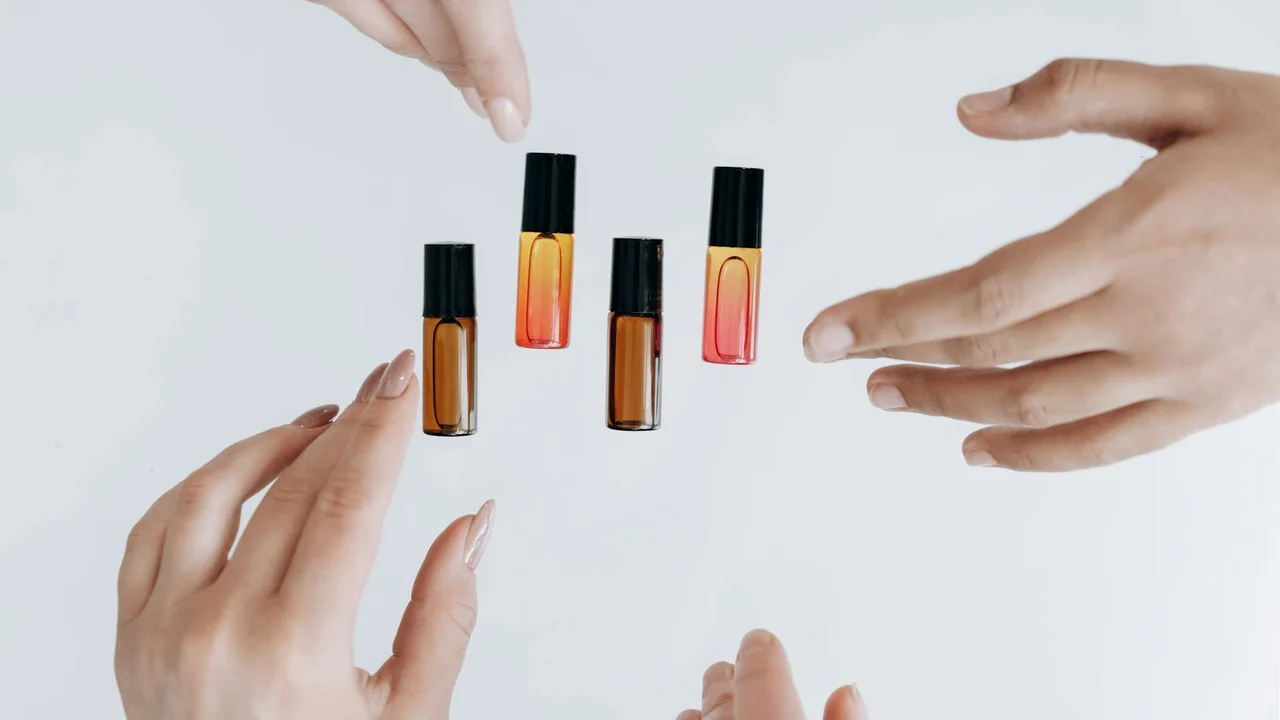
Getting enough linoleic acid from whole foods is a foundational part of wellness. It plays a quiet but vital role in keeping your body’s systems running smoothly, especially when incorporated through healthy cooking oils.
In your diet, linoleic acid helps manage cholesterol by nudging your body to produce less of the “bad” LDL kind. It also supports the health of your cell membranes, which is essential for every single one of your cells to function properly. Adequate intake from natural sources is consistently linked to better heart health.
Many folks wonder if this fat can help with weight loss. The research on standard linoleic acid and direct weight loss is not very strong. The story gets more attention with its cousin, conjugated linoleic acid, or CLA.
Studies on CLA for reducing belly fat show mixed results. Some short-term studies suggest a very modest effect, while others find none. The potential reduction, if it occurs, is often so small you might not notice it visually. It is not a magic solution for spot-reducing belly fat.
The real dietary risk isn’t from eating nuts or seeds. It comes from overdoing processed oils. Soybean, corn, and sunflower oils are hidden in so many packaged foods. Consuming too much from these refined sources can seriously tilt your omega-6 to omega-3 ratio. This imbalance is thought to promote inflammation over time.
I keep a bottle of organic, high-oleic sunflower oil for occasional cooking. But for my daily foundation, I focus on food. A handful of walnuts, a sprinkle of pumpkin seeds on my salad—that’s how I get my linoleic acid without the imbalance. I’m curious about how much linoleic acid we should consume daily and which foods are the best sources of linoleic acid. That question helps shape my daily menu and balance of fats.
Navigating the Supplement Shelf: Does Conjugated Linoleic Acid Work?
Conjugated linoleic acid, or CLA, is a different form often sold in capsules. It pops up in the weight loss aisle with big promises.
So, does conjugated linoleic acid work? For weight loss, the evidence is underwhelming. Some research points to a slight increase in lean body mass or a tiny decrease in fat, but the effects are minimal and inconsistent. You should not expect dramatic changes from taking a CLA supplement. Beyond weight effects, CLA is discussed for other health benefits and its presence in natural oils. In the next sections, we’ll explore the top uses and health benefits of CLA from natural oil sources.
Potential benefits like supporting immune function are still being studied. On the other hand, the side effects are more certain. Many people report digestive upset, like nausea or loose stools, when they take CLA pills.
Your body is smarter than a pill. It knows how to process nutrients from food best. I always advise getting CLA from food first, where it comes packaged with other beneficial compounds. Grass-fed beef and dairy products, like milk and cheese, are the classic natural sources.
If you’ve tried those capsules and felt unwell, it’s your body giving you clear feedback. Listen to it. Choosing a piece of cheese from grass-fed cows or a quality cut of meat is a gentler, more effective way to explore what CLA has to offer.
Smoothing It On: Topical Uses for Skin and Hair
Think of your skin’s surface like a brick wall, with skin cells as the bricks and oils as the mortar. Linoleic acid is a key part of that mortar. When you apply an oil rich in it, you’re giving your skin the precise building blocks it needs to repair its barrier. A strong barrier locks in moisture and keeps irritants out. Even if the oil doesn’t directly contain linoleic acid, it can still complement your skincare routine by providing other fatty acids that support barrier function.
This reinforcement leads directly to softer, more resilient, and deeply hydrated skin.
For your hair, this acid works differently. It’s a lightweight sealer. A single drop of hemp or safflower oil massaged onto damp ends adds brilliant shine without the sticky, heavy feel of thicker oils. It can also help calm a flaky scalp when blended into a gentle carrier oil base, as it supports balanced skin function everywhere you apply it.
Remember, you get these benefits from the complete oil, not an isolated supplement. The oil’s other natural compounds, like antioxidants and vitamins, work in concert with the linoleic acid. In carrier oils, the fatty acid profile—especially the balance of linoleic and oleic acids—helps determine how skin benefits manifest. Nature’s formulation is often the most effective one for topical care.
Your Skin’s Best Friend: Acne, Aging, and Repair
It might seem strange to put oil on oily, acne-prone skin. But linoleic acid is famously lightweight and non-comedogenic. It can actually help balance your skin. When skin lacks this acid in fatty acid profiles, it may overproduce a thicker, more pore-clogging oil. Applying a linoleic-rich oil helps thin that sebum, allowing pores to clear.
Its balancing act makes oils like grapeseed or evening primrose excellent for managing breakouts while still providing necessary hydration.
This same oil is a quiet supporter for skin repair. It soothes minor irritation, like a touch of windburn or dryness from indoor heating. After a day in the sun (with sunscreen, of course), a light layer of a linoleic acid oil can help calm redness and support the skin’s natural healing process. It’s not a treatment for a burn, but a nurturing step for everyday wear and tear.
My personal favorite is grapeseed oil. I keep a small bottle on my bathroom shelf. I reach for grapeseed oil for my combination skin because it’s high in linoleic acid and doesn’t linger. It absorbs quickly, leaving my skin smooth and prepped, never greasy.
The Great Debate: Does Linoleic Acid Cause or Reduce Inflammation?
You’ve heard linoleic acid causes inflammation. You’ve also heard it reduces it. This contradiction is the heart of the debate. Let’s clear it up right now.
Linoleic acid does not directly cause inflammation. It is a raw material, a building block.
Your body uses it to create compounds that manage your immune response. The crucial detail is that these compounds can be either pro-inflammatory or anti-inflammatory. The type your body makes depends heavily on your overall context.
Think of linoleic acid like a bag of flour in your kitchen pantry. You can use that flour to bake a nourishing loaf of whole-grain bread or to fry a batch of doughnuts. The final product depends on the other ingredients you choose, your method, and your intention.
In your body, the “other ingredients” are your overall diet and health.
A diet rich in processed foods, sugars, and an imbalance of other fats can skew the process toward more inflammatory compounds. This is where the bad reputation often comes from.
But when you have a balanced diet, your body skillfully converts linoleic acid into compounds that actively calm inflammation. This is why high-quality, unrefined oils like sunflower or safflower oil can be so soothing for skin conditions when applied topically.
The answer to both questions is yes, depending on the bigger picture. Context is everything.
Heart Health and the Modern Diet
The story of linoleic acid and your heart is tightly linked to the story of modern food processing.
Early research showed that replacing saturated fats (like butter) with polyunsaturated fats containing linoleic acid could support healthier cholesterol levels. This is still considered sound nutritional science.
The confusion arose with the industrial rise of heavily processed vegetable oils.
The issue isn’t the linoleic acid itself, but the damaged, oxidized state of the fat in bottles of cheap, highly refined cooking oil or in packaged snacks. Consuming these damaged fats can promote the kind of inflammation that harms blood vessels.
This is a critical distinction. The linoleic acid in a delicate, cold-pressed walnut oil is structurally different from the linoleic acid in a fast-food fryer vat.
For heart health, focus on the source. Replacing solid saturated fats with modest amounts of unprocessed, linoleic-rich oils can be a beneficial step.
Drizzle fresh grapeseed oil on your salad. Use a little unrefined sesame oil to finish a stir-fry. Your body recognizes and can use these intact fats wisely.
Hair Health Hype: Linoleic Acid Effects on DHT and Hair Loss
A lot of questions swirl around linoleic acid and hair loss, especially concerning DHT, a hormone linked to male and female pattern hair thinning. I hear it often. People want to know about linoleic acid effects on DHT hair loss, and specifically, the potential linoleic acid effects on DHT male patterns. The hope is that a simple oil could be a magic bullet. The reality is more grounded.
The DHT Connection: Theory vs. Reality
Here is what that hope is based on. Some early lab and animal studies suggested that applying linoleic acid topically might influence an enzyme involved in DHT production. It is a fascinating starting point for science. But human evidence for actually preventing or reversing hair loss this way is very weak.
Do not rely on linoleic acid as a proven treatment for DHT-related hair loss. The direct effects you might see online are overstated. It is crucial to manage expectations and look at what this fatty acid genuinely offers.
What Linoleic Acid Reliably Does for Your Hair
Forget the lab for a moment. Think about your hair’s daily life. Sun, wind, heat styling, and even washing can strip its natural lipids. This is where linoleic acid-rich oils shine.
When I work with dry, brittle, or frizzy hair, I reach for high-linoleic oils like safflower or sunflower seed oil. They are light and penetrate the hair shaft well without a heavy, greasy feel.
Applied as a pre-wash treatment or a tiny drop to damp ends, these oils improve manageability, add noticeable shine, and help seal in moisture. For the scalp, a well-diluted massage with these oils can soothe dryness and flakiness, creating a healthier environment for hair to grow from. This is the tangible benefit I see on my own shelf and with clients.
Your Diet and Hair Health
You should not fear dietary linoleic acid from healthy sources like nuts, seeds, and their oils because of hair loss concerns. Cutting out these foods can do more harm than good.
Focus on overall nutrient balance-protein, iron, zinc, and vitamins-for supporting hair health from the inside. Your body needs a variety of building blocks. Think of linoleic acid in your diet as one supportive friend in a much larger community, not a lone warrior fighting DHT.
For hair, your most direct and observable results will come from using linoleic acid-rich oils topically for their superb conditioning properties. Keep it simple, and you will see the difference in texture and shine. It’s also important to apply them correctly — proper application techniques can significantly enhance their effects.
Common Mistakes and How to Avoid Them
Working with oils is a practice. I have certainly made my own missteps over the years. Let’s talk about a few common ones with linoleic acid, so you can skip the hiccups and get straight to the good part.
Mistake 1: Grabbing the Cooking Oil for Your Face
It’s tempting to use that bottle of generic vegetable oil from the grocery store for a DIY skincare recipe. These oils are often highly refined and processed, stripping away protective compounds.
When applied to skin, they can feel greasy and may even promote irritation or clog pores, which defeats the purpose of using a light linoleic acid-rich oil.
The corrective step is simple: designate one set of oils for your kitchen and another, higher-quality set for your skin.
For your face and body, look for cold-pressed, unrefined oils bottled in dark glass. My shelf always has a bottle of organic rosehip seed oil for my face and grapeseed oil for my body. They are light, fresh, and made for topical use.
Mistake 2: Popping a Supplement Without a Diet Check
Seeing “omega-6” on a bottle and thinking “more is better” is a classic error. Our modern diets are often already overflowing with omega-6 from processed foods and certain cooking oils.
Adding a high-dose linoleic acid supplement on top of that can push your fatty acid balance further out of whack.
Before considering a supplement, take a quiet look at your plate for a week.
Notice your main cooking fats and snack ingredients. If you’re regularly using safflower, sunflower, or soybean oils, you’re likely getting plenty. Focus first on adding more omega-3-rich foods like walnuts, flaxseeds, and fatty fish to create better balance naturally.
Mistake 3: Slathering On Rich Oils Without a Patch Test
This one comes from a place of excitement! You read about an oil’s benefits and apply it liberally, only to wake up with new congestion or bumps.
Even light, linoleic-dominant oils can be too much for some skin types if used undiluted or too frequently.
Your skin is unique. Always introduce a new oil with a patch test.
Apply a small dot to your inner forearm or behind your ear and wait 24 hours. For facial oils, I often recommend starting by mixing one drop with your regular moisturizer. This lets your skin adjust gently and tells you what it truly needs.
Mistake 4: Ignoring the Shelf Life and Storage
Linoleic acid is a delicate, polyunsaturated fat. It is eager to react with oxygen and light, which turns it rancid.
Using a spoiled oil, whether in a salad dressing or a serum, means the beneficial properties are gone. At best, it’s useless. At worst, it can introduce free radicals to your skin or body.
Treat these oils like fresh herbs, not like dried spices.
Buy smaller bottles you’ll use up quickly. Store them in a cool, dark cabinet-not on a sunny windowsill or next to the stove. Give them a quick sniff before use; a fresh oil should smell clean and slightly nutty or grassy, not waxy or like old paint.
Your Linoleic Acid Toolkit: Sources and Smart Use
You find linoleic acid in two main places: your kitchen and your skincare shelf. The sources are related, but how you use them is different.
Dietary sources come from the whole foods you eat and the oils you cook with. Think walnuts, sunflower seeds, and pumpkin seeds. Oils like safflower, sunflower, and soybean oil are packed with it, but I often prefer getting it from the whole nuts and seeds for the extra fiber and minerals.
Topical sources are the oils you apply directly to your skin or hair. These are typically “carrier oils” like grapeseed, evening primrose, hemp seed, and rosehip oil. They deliver linoleic acid right where your skin barrier can use it. I keep a bottle of grapeseed oil in my apothecary just for this.
Oils High in Linoleic Acid: A Quick Guide
| Oil | Best Use | Typical Scent Profile |
| Safflower Oil | Light sautéing, dressings | Very neutral, almost odorless |
| Grapeseed Oil | Topical (skin, hair), light cooking | Light, slightly “green” or nutty |
| Evening Primrose Oil | Topical (skin), dietary supplement | Mild, earthy, sometimes faintly herbal |
| Hemp Seed Oil | Topical (skin), drizzled on food (no heat) | Distinctive, grassy, nutty |
| Sunflower Oil (High-Linoleic) | Cooking, topical in blends | Mild, clean, slightly seedy |
How to Use Topical Oils Safely
Applying these oils directly is simple, but a few rules keep your skin happy. I learned this through trial and error years ago.
Always dilute a new oil in a familiar carrier oil before applying it to large areas. Try one part of your new linoleic-rich oil to three parts of a simple oil you know, like jojoba or sweet almond.
Patch testing is non-negotiable. Dab a tiny bit of your diluted blend on your inner forearm. Wait 24 hours. If you see no redness or itchiness, you’re likely good to go.
Start slowly. Add just two or three drops of your chosen oil into your regular moisturizer or serum. This lets your skin adjust without overwhelm.
Should You Boost Your Intake?
This isn’t a simple yes or no. It depends on your current diet and your skin’s voice.
Look at your plate first. If you rarely eat nuts, seeds, or use the oils listed above, adding a sprinkle of sunflower seeds to your salad or using grapeseed oil for a stir-fry can be a great, gentle boost.
Listen to your skin. If it’s often inflamed, congested, or feels dry yet greasy, using a linoleic-rich oil topically might be more directly helpful than changing your diet. My skin tends to get clogged easily, so I use a hemp seed oil blend as my first cleanse.
Think of it as a conversation between your diet and your skin care, not a mandate to overload on one nutrient. More isn’t always better. Balance is key.
Linoleic Acid Side Effects: What to Watch For
Side effects usually pop up from using too much, using a poor-quality product, or when our overall fat balance is off.
Taking very high amounts of supplements, like evening primrose oil capsules, can sometimes cause mild digestive upset. This is your body’s way of saying it has enough. Sticking to food sources and topical use generally avoids this.
Topically, the main risk is skin irritation or an allergic reaction, especially if you skip the patch test. An oil that’s old or has gone rancid is a common irritant. Always check for a sour, crayon-like smell.
The quality of your oil is everything. I look for cold-pressed, organic oils stored in dark glass bottles. A rancid oil loses its benefits and can cause free radical damage on your skin.
Remember, linoleic acid itself isn’t the problem. Our bodies need it. Issues arise from imbalance-like neglecting other healthy fats-or from not respecting the quality and potency of the oils we choose. A scientific review debunks the myth that all vegetable oils are unhealthy, showing that health effects depend on the type and processing of the oil. Understanding these nuances helps us choose oils that fit our overall fat intake and health goals.
Your Questions, Answered
Can using linoleic acid topically help with hair loss related to DHT?
While some hope it might influence hormones, direct evidence for treating DHT-related hair loss is very weak. You’ll see more reliable benefits from its excellent conditioning properties, which improve hair shine and manageability.
Are there any side effects I should watch out for?
Side effects typically stem from poor quality or imbalance, not the nutrient itself. Topically, watch for irritation from rancid oils; internally, digestive upset can occur from very high supplement doses.
Should men concerned about DHT avoid linoleic acid?
No, you should not fear it from healthy dietary sources like nuts and seeds. For hair, focus on topical oils for their tangible conditioning benefits, not as a hormonal treatment.
What’s the safest way to add linoleic acid to my routine?
For your skin, choose a cold-pressed, linoleic-rich carrier oil like grapeseed or safflower. For your diet, focus on whole food sources like a handful of walnuts or pumpkin seeds to maintain a natural balance.
If it’s essential, can I have too much?
Yes, balance is key. The risk comes from overconsuming processed oils in packaged foods, which skews your omega-6 to omega-3 ratio. Prioritize whole foods and high-quality topical applications.
Your Linoleic Acid Journey: Wisdom from the Apothecary Shelf
Remember, linoleic acid is a supportive friend to your skin and body, not a magic potion. I find the greatest benefit comes from consistently choosing high-quality, cold-pressed oils for both nourishment and topical care, always respecting balance and targeting those rich in linoleic acid.
I encourage you to listen closely to your skin and body as you blend these oils into your life. Trust that patient, mindful experimentation is how you build a truly personal and effective wellness practice.
Research and Related Sources
- The Role of Linoleic Acid in Skin and Hair Health: A Review – PMC
- The Role of Linoleic Acid in Skin and Hair Health: A Review – PubMed
- Linoleic Acid (Explained + Products)
- What is linoleic acid and how can it help your skin? | Curology
- Linoleic Acid for Skin: Key Benefits and Uses
- What is linoleic acid? An expert guide to the skin benefits of vitamin F
Noemi Kamińska
Noemi is an accomplished wellness researcher, nutrition care guide and body care expert. She has years of experience in formulating various oil combinations for full body wellness including face, hair, body care, essential oils and cooking oils. She works as a bio-formulator working with oil chemistry and analyzing the best formulations when it comes to your needs. Feel free to reach out to get your oil needs sorted.