Where Can You Find Castor Oil Locally and What Are Its Origins?
If you’re hoping to grab a bottle of castor oil today, I understand that urge to find it quickly for your hair mask or sore muscle blend. You can often find this thick, nurturing oil at your local pharmacy, health food store, or even a well-stocked supermarket.
I’ll point you to the most reliable local shelves and explain the simple, natural story behind this versatile oil.
- Everyday stores where castor oil is typically stocked
- The primary plant source: the castor bean
- How and where castor oil is produced
- What to look for on a quality bottle’s label
A Quick Snapshot: Castor Oil at a Glance
Not all castor oil is the same. The way it’s processed changes its color, texture, and best uses on your shelf.
This table breaks down the common types you’ll find.
| Type | Source & Processing | Color & Viscosity | Best For |
|---|---|---|---|
| Cold-Pressed | Seeds are mechanically pressed without heat. This is the least processed form. | Pale yellow. Thick, sticky, and honey-like. | Skin moisturizing, hair treatments, oil cleansing. My go-to for most DIY blends. |
| Jamaican Black Castor Oil | Seeds are roasted first, then pressed. The ash from roasting darkens the oil. | Dark amber to nearly black. Slightly less sticky, with a strong, smoky scent. | Hair growth routines (scalp massages), coarser hair textures. It has a loyal following. |
| Hexane-Extracted | A chemical solvent pulls oil from seeds. It’s then refined to remove the solvent. | Very pale, almost clear. Thinner and less viscous. | Industrial uses, some commercial cosmetics. I avoid this for my home apothecary. |
Quick note: The name causes confusion, but modern castor oil always comes from a plant, not an animal. “Castoreum” is a different substance from beavers, used historically in perfumery.
What Exactly Is Castor Oil?
At its simplest, castor oil is a thick, pale yellow vegetable oil pressed from seeds.
It feels sticky and dense between your fingers, like warm honey straight from the jar.
Its main source is the Ricinus communis plant. You might know it as the castor bean plant.
It grows fast with big, spiky seed pods and large, tropical-looking leaves that remind me of a dramatic maple.
I have one in my garden for its striking look, but I never touch the seeds myself.
Let’s clear up the big mix-up right now.
The oil you buy for your hair and skin is purely plant-based.
It is absolutely not the same as “castoreum” or “beaver oil,” which is an animal product.
The names sound similar, but the sources are worlds apart. Always check your bottle’s ingredients to be sure.
The Castor Bean’s Journey: Source and Origins

Let’s start with the plant itself. The castor bean plant, Ricinus communis, is a fast-growing tropical shrub with large, star-shaped leaves.
It feels almost prehistoric. I have one in a pot on my patio, and its broad, palmate leaves look like they belong in a different era. The real treasure, though, hangs in clusters: spiky, sometimes colorful seed pods.
This plant has deep roots in East Africa, but today, it’s a global citizen. You’ll find vast fields of it in India, Brazil, and China. These countries are the powerhouses of castor oil production.
From Bean to Bottle: The Source of the Oil
The oil doesn’t come from the leaves or stems. It is pressed exclusively from the seeds, which are often called beans.
Inside each hard, mottled seed is a highly oil-rich kernel. When I crack one open, the interior is soft and creamy, packed with potential. This is where that thick, viscous oil is locked away, waiting to be released.
The method of extraction matters just as much as the source. Cold-pressing is the gold standard, as it uses pressure and minimal heat to preserve the oil’s natural benefits.
A Critical Step: Processing for Safety
Here’s something vital to understand. The raw castor bean naturally contains ricin, a potent toxin.
This sounds alarming, but the commercial processing of castor oil makes it perfectly safe for topical use. The ricin is water-soluble and remains in the leftover seed pulp, called the “cake,” after the oil is pressed out.
The heating and pressing process during proper manufacturing effectively removes any dangerous residue. This is why you should only ever use commercially prepared, food-grade or hexane-free castor oil from a reputable brand, never oil you’ve attempted to make at home from raw beans.
Castor Oil Sources in the United States
You might wonder if the oil in your local store comes from American farms. The answer is usually no.
While the plant can grow in warmer parts of the U.S., there is very little large-scale commercial cultivation for oil production here. The climate and economics favor other regions.
The castor oil you find on shelves in the U.S. is almost always imported. It primarily comes from those major growing regions: India, Brazil, and sometimes China.
When I pick up a bottle, I immediately check the label for its origin. Knowing the source helps me understand its journey. Most of the high-quality, organic oils I keep on my shelf for hair treatments and skin balms proudly list their country of origin right on the front.
How Castor Oil Gets from Bean to Bottle
That thick, versatile oil in your bottle begins with the humble castor bean. To turn that bean into oil, makers typically choose between two paths.
Cold-Press or Chemical Extraction: Your Choice Matters
Cold-pressing is the method I reach for in my own practice. It works by mechanically squeezing the beans under pressure. No external heat is used, so the oil’s natural structure stays intact.
Hexane extraction is a different story. It uses a petroleum-based solvent to dissolve the oil from the bean paste. This process is very efficient, but it requires heat to evaporate the solvent later.
I always choose cold-pressed castor oil for body care, as it avoids potential solvent residues and keeps the beneficial compounds whole.
The Gentle Art of Cold-Pressing
Let me detail how cold-pressing works. First, the harvested beans are cleaned. Then, they are fed into a press.
The machine applies steady, immense pressure. This action crushes the beans and coaxes out a viscous, pale yellow liquid. The crude oil is then filtered to remove any solid bits.
Think of it like getting fresh juice from an orange-simple pressure yields a pure, unadulterated result.
The entire process is slow and cool. This careful approach protects the star ingredient: ricinoleic acid. That fatty acid is responsible for most of castor oil’s moisturizing and soothing effects.
Jamaican Black Castor Oil: A Traditional Recipe
Jamaican Black Castor Oil has a richer story. Its deep brown color and distinct, smoky scent come from a key first step: roasting the beans.
In traditional preparation, the castor beans are toasted in a pot until they darken. This roasting caramelizes the beans before they are ground and boiled. The resulting oil is darker, thicker, and has a higher ash content from the charred bean matter.
Many people, myself included, find this traditionally made oil has a unique, slightly gritty texture that feels wonderfully nourishing on the scalp.
A Quick Note on Terminology
You may see the term “castor oil essential oil” sometimes. This is a misnomer that can cause confusion. Castor oil is always a fixed oil, also known as a carrier or base oil.
Essential oils are light, volatile extracts from aromatic plants. Castor oil is thick, stable, and pressed from a seed. It doesn’t evaporate. In your blending, use castor oil to safely dilute and carry true essential oils for skin application.
What People Use Castor Oil For
That thick, rich oil in your hand is a multitasker. I keep a bottle of cold-pressed castor oil right on my shelf for everything from soothing a dry scalp to reviving tired-looking wood. Let’s look at its most popular uses, room by room and head to toe.
For Your Hair and Lashes
Castor oil is a classic for hair care because it’s so viscous and moisturizing. It doesn’t evaporate quickly, so it sits on the hair and scalp to condition. For a simple scalp treatment, warm a teaspoon of oil between your palms and massage it directly into your scalp for five minutes before shampooing. This can feel wonderfully relaxing and may help with flakiness. Many readers explore the top uses and benefits of castor oil for skin and hair health. Understanding these can help you use it more effectively.
Many people use it with the hope of supporting thicker hair or fuller brows. Its thickness might help protect hairs. For eyelashes or eyebrows, safety is key. Use a clean, disposable spoolie or a cotton swab to apply a tiny, tiny amount. I dab the excess off on a tissue first. Never apply it directly to the lash line or inside the eye, as it can cause irritation. Do this at night, and wash it off in the morning.
For Your Skin
This oil is a humectant, which means it can help your skin hold onto moisture. If you have patches of very dry skin on elbows or heels, a thin layer of castor oil under your regular lotion can create a protective barrier. It feels rich and slightly tacky at first, but it sinks in over time.
It’s also a star in oil cleansing blends, especially for removing stubborn makeup. On its own, it’s too thick for most people. I mix it with lighter oils like jojoba or sunflower. Try a blend of one part castor oil to three parts of a lighter carrier oil, massage it onto dry skin, and then remove it with a warm, damp cloth. Your skin should feel clean and soft, not stripped.
For Your Wellness Routine
One of the oldest wellness practices with castor oil is the external pack. People often use it to bring comforting warmth to the abdomen. The oil is believed to promote circulation in the area where it’s applied. If you try this, always do a patch test on your skin first and use a flannel or wool cloth as a barrier between the oil-soaked cloth and your skin. I keep a dedicated, old towel in my cabinet for this. Never heat the oil directly on a stove; warm the pack after applying the oil. Remember, this is for external use only, and it’s wise to talk with a healthcare provider before starting any new wellness practice.
For Your Home
That same rich, protective quality makes castor oil useful around the house. It can nourish and shine natural materials. For wood, test it on a small, hidden spot first. Apply a few drops to a soft cloth, rub it into the wood, and then buff off any excess to avoid a greasy feel. That same nourishing property makes castor oil a handy choice for self-care too, helping nails grow stronger and feet feel softer. From wood care to personal care, it’s a versatile, multi-use oil.
It works similarly on dry leather items like boots or belts. Use just a drop on a cloth, work it into the leather in a circular motion, and let it sit for an hour before wiping it clean. This can help prevent cracking and restore a subtle sheen. My gardening boots get this treatment every fall, especially using mink oil for boots.
Where to Find Castor Oil Locally
Finding castor oil is often easier than you think. Many everyday stores stock it.
Check the aisles of your local pharmacy, major supermarket, or big-box store. Health food and natural grocery stores almost always carry it, sometimes with more organic or cold-pressed options. I usually find my replacement bottles at a health food store because I can check the processing method on the label right there.
Does CVS, Walgreens, and Walmart Carry Castor Oil?
Yes, they typically do. You won’t need to search for long.
At these chains, head to the “Wellness,” “First Aid,” or “Hair Care” sections. It’s often placed near other oils like mineral oil or emu oil, or with laxatives. Look for a simple plastic or glass bottle labeled “Castor Oil USP”-that’s the pure, pharmaceutical-grade kind perfect for most uses.
My own first bottle came from a Walgreens years ago, tucked between the bandages and the heating pads.
Specialty Grocery Stores for Specific Types
For specific varieties like Jamaican Black Castor Oil (JBCO), broaden your search locally.
African, Caribbean, and Indian grocery stores are excellent places to look. These shops often stock authentic, traditionally processed oils favored for hair and skin rituals. The JBCO I use for deep hair treatments comes from a small Caribbean market in my city; it has that distinct, smoky scent I associate with traditional methods.
The Online Advantage for Specialty Oils
If your local search comes up short, online retailers are your best friend.
Online stores offer the widest selection of specialty types-cold-pressed, organic, Jamaican Black, or palma christi. You can compare brands, read detailed reviews, and see extraction methods at a glance. This is where I go when I’m looking for a specific, ethically sourced brand that my local shops don’t carry.
Can You Buy Castor Oil With Food Stamps (SNAP/EBT)?
This is a common and practical question. The answer depends on how the store classifies the oil.
If the store categorizes the castor oil as a food item or a nutritional supplement, you can often use SNAP benefits to purchase it. You will typically have the best chance at grocery stores or superstars like Walmart that sell both food and wellness products.
If it’s classified as a general merchandise or personal care item, SNAP usually won’t cover it. The cashier or customer service desk at the store can give you the most accurate answer for their specific inventory.
Choosing and Using Your Castor Oil Safely
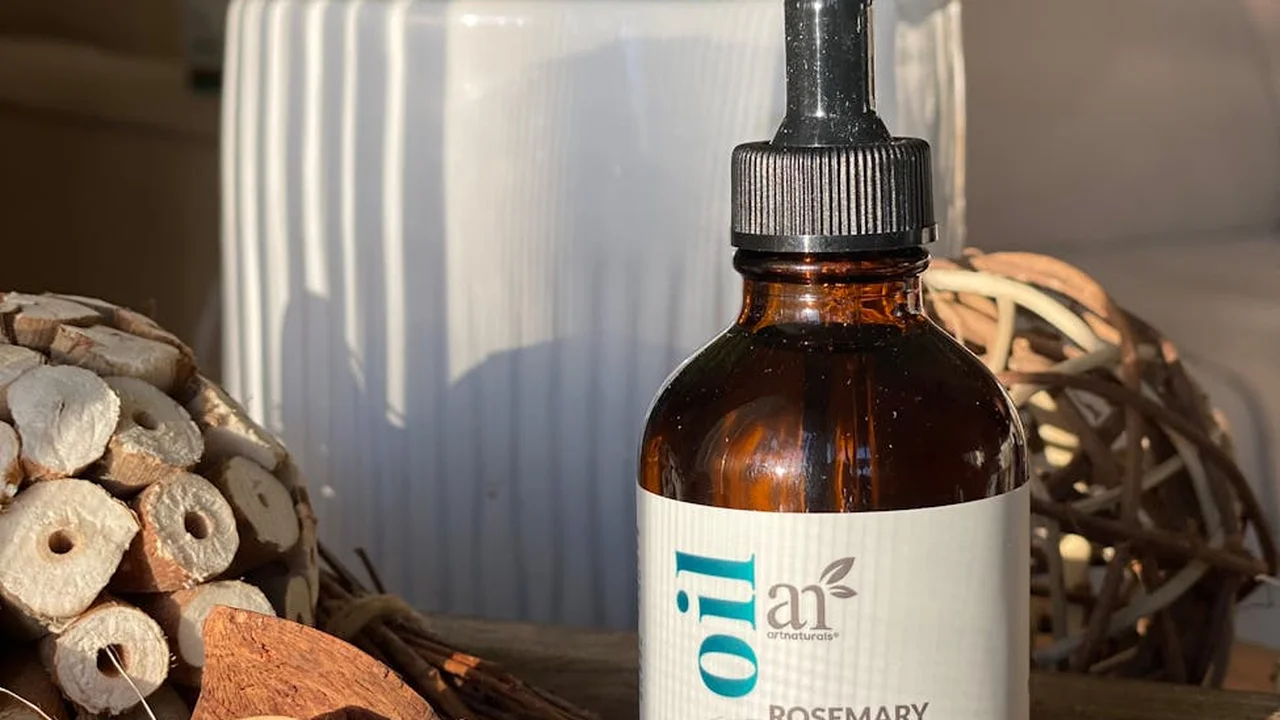
Finding a good bottle is easier when you know what words on the label are your friends.
I always check for cold-pressed first, as this method preserves the oil’s natural benefits without harsh chemicals. Understanding how cold-pressed differs from refined oils helps explain why this matters. It affects taste, nutrition, and cooking results.
“Hexane-free” is another sign of a cleaner product, and “organic” means the castor beans were grown without synthetic pesticides.
The oil in my own cupboard is a cold-pressed, organic variety with a deep golden color.
Why Dilution is Your Best Friend
Pure castor oil is famously thick, like warm honey or molasses.
This rich viscosity is wonderful, but it can be too much for your skin and hair follicles on its own, potentially leading to clogged pores or irritation.
Mixing it with a lighter “carrier” oil makes it easier to spread and gentler for your body.
I often reach for jojoba oil, which mimics our skin’s natural sebum, or sweet almond oil for its light, nurturing feel.
A Simple Mixing Formula
You don’t need to be a chemist. A great starting point is a 1:2 ratio.
That means one part castor oil to two parts of your chosen lighter oil.
- For a hair treatment: 1 tablespoon castor oil + 2 tablespoons jojoba oil.
- For a facial serum: 1 teaspoon castor oil + 2 teaspoons sweet almond oil.
You can adjust this based on how your skin responds. My rule is to start light and increase the castor oil slowly if needed.
The Non-Negotiable Patch Test
Please do not skip this step. Your inner forearm is the perfect testing ground.
- Apply a small dab of your diluted oil mixture.
- Cover it with a bandage and leave it for 24 hours.
- Check for any redness, itching, or swelling.
If your skin is happy, you can proceed with confidence. If you see any reaction, wash the area and try a different carrier oil or a more diluted mix.
Important Safety Notes
Castor oil is powerful, and respect for its potency keeps you safe.
I never recommend internal use unless you are under the direct guidance of a qualified healthcare professional.
It is commonly suggested to avoid using castor oil packs or topical applications during pregnancy. Always check with your doctor first.
If you have sensitive skin or specific health conditions, a quick chat with a professional can provide personalized guidance for your wellness journey.
A Simple Guide to Different Castor Oil Types
You will find a few main types on the shelf, and the differences matter for your skin and hair.
Think of it like choosing honey. Raw, unfiltered honey is different from the clear, processed kind. Castor oil has its own varieties.
Cold-Pressed Castor Oil
This is my kitchen-apothecary staple. I keep a small amber bottle right next to my facial serums.
It has a very pale, straw-yellow color and a mild, almost nutty scent that fades quickly on the skin. The texture is famously thick and viscous.
It feels like a rich, smoothing syrup between your fingers.
Cold-pressed oil is my top choice for facial oil blends, massage, and anyone new to using castor oil. It’s the most versatile type.
Jamaican Black Castor Oil (JBCO)
This one has a distinct personality. The beans are roasted before pressing, which gives the oil its dark amber color and a warm, smoky, earthy scent.
The texture is still thick, but it can feel a touch grittier.
That roasted process is believed to change the ash content, which many associate with its hair-strengthening reputation.
For dedicated scalp treatments and thick hair masks, many people, myself included, reach for Jamaican Black Castor Oil. Its robust nature feels fitting for hair rituals.
Hexane-Extracted Castor Oil
This type is processed with a chemical solvent called hexane to pull every last bit of oil from the seed.
The result is often a very light, almost clear oil that is slightly thinner in viscosity. It tends to have almost no detectable scent.
You’ll often find this in large-scale commercial products.
If you have this type already, it’s fine for general use, but I personally prefer the mechanical pressing methods for my direct body care. Cold-pressed or JBCO feel more aligned with a whole-ingredient approach.
Choosing Your Type
Your goal is the best guide.
- For facial care, eyelash serums, or sensitive skin: Start with cold-pressed.
- For intensive hair and scalp treatments: Try Jamaican Black Castor Oil.
- For making soaps or other crafts: Hexane-extracted can be a cost-effective option.
Your skin and nose will give you the final answer. A patch test is always a wise first step with any new oil.
Personal preference and how your skin responds are the only rules that truly matter. My shelf has both cold-pressed and JBCO because they serve different, wonderful purposes in my routine.
Your Castor Oil Questions, Answered
Is the castor oil I buy really safe, since the beans are toxic?
Absolutely. The commercial pressing and heating process safely removes the toxic compound ricin, which is water-soluble and remains in the leftover seed pulp. Always use properly manufactured, food-grade oil from a trusted brand for complete peace of mind.
I’ve heard “castor oil” comes from beavers. Is that true?
This is a common mix-up of names! The oil for hair and skin is 100% plant-based, from the Ricinus communis seed. “Castoreum” is a different, animal-derived substance historically used in perfumery, but you won’t find it in modern botanical oil bottles.
How do I choose between cold-pressed and Jamaican Black castor oil?
Let your goal guide you. Cold-pressed is my versatile, all-purpose pick for skin and general hair conditioning, while Jamaican Black, with its roasted beans, is a cherished favorite for dedicated scalp treatments and thicker hair textures.
What makes castor oil particularly good for hair?
Its unique thickness and high ricinoleic acid content make it a superb moisturizing humectant that can help protect the hair shaft and scalp. For best results, dilute it with a lighter oil like jojoba oil to improve spreadability and absorption.
Can I use castor oil directly on my face?
I don’t recommend using it straight, as its dense viscosity can be too heavy for facial pores. For a glowing cleanse or moisturizing serum, blend one part castor oil with two or three parts of a lighter carrier oil, like sunflower or grapeseed.
From Seed to Shelf: Embracing Castor Oil
The most reliable step you can take is to become a label reader, seeking out cold-pressed, hexane-free oil from a source you trust. This simple habit ensures the oil you bring into your home for hair, skin, or wellness is as pure and effective as the ancient remedy itself.
I share more guides on using botanical oils for body, skin, and home right here on the blog. I also make botanical oils at home—avocado, olive, lavender, peppermint. These hands-on tips guide your own practice. Trust your own practice, try a simple recipe, and see how this steadfast oil can work for you.
Citations and Authoritative Sources
- Castor oil – Wikipedia
- History of Jamaican Black Castor Oil
- Castor Oil | Encyclopedia.com
- Ricinus – Wikipedia
- THE HISTORY & BENEFITS OF CASTOR OIL – Qhemet Biologics
- Castor-oil plant | Description, Uses, & Ricin | Britannica
Noemi Kamińska
Noemi is an accomplished wellness researcher, nutrition care guide and body care expert. She has years of experience in formulating various oil combinations for full body wellness including face, hair, body care, essential oils and cooking oils. She works as a bio-formulator working with oil chemistry and analyzing the best formulations when it comes to your needs. Feel free to reach out to get your oil needs sorted.