
What Essential Oils and Carrier Oils Are Safe for Your Dog?
It’s completely normal to feel a little anxious about using oils around your furry friend. After years in my home apothecary, I’ve sorted through the confusion to offer you straightforward, trustworthy advice.
This guide will help you create a safe environment by clarifying which oils to reach for and which to keep far from your dog.
- Common essential oils that are harmful to dogs
- Safe carrier oils for topical application
- Proper dilution ratios for canine skin
- Immediate steps if your dog eats something unsafe
Key Takeaways: Safe Oils for Your Canine Companion
You can share the benefits of certain botanical oils with your dog, but the rules are much stricter than for people. Some oils are gentle helpers, while others are strictly off-limits.
The three most important rules are always dilute, never force your dog to ingest oils, and watch their reaction every single time.
- Always dilute an essential oil in a carrier oil before it touches your dog’s skin or coat.
- Never force your dog to eat or lick an oil mixture. Internal use is risky and rarely needed.
- Observe your dog closely for at least 30 minutes after any new oil exposure.
Choosing the right carrier oil, like fractionated coconut or jojoba, is just as important as picking the essential oil itself. It’s the foundation of safety when diluting essential oils.
How Do Dogs Process Oils? Topical, Internal, and Inhalation Routes
Dogs experience oils differently than we do. Their bodies process what goes on their skin, what they eat, and what they breathe in unique ways.
Think of a dog’s sense of smell as a powerful supercomputer, while ours is more like a basic calculator. A scent that seems mild to you can be overwhelming to them. Their livers also metabolize compounds differently, making some oils that are fine for us potentially toxic for them.
Letting your dog eat an essential oil carries the highest risk and I do not recommend it. Topical use (on the skin) and inhalation (from a diffuser) are the safer routes when done correctly. Even then, caution should be exercised, especially with diffusers around pets.
Why Topical Application Needs a Carrier Oil
Carrier oils are not just diluents. They create a protective buffer between the potent essential oil and your dog’s sensitive skin. This prevents irritation and allows for slow, gentle absorption.
A properly diluted blend should feel like a light, non-greasy massage balm in your palms. I use fractionated coconut oil from my shelf for this because it’s odorless and absorbs well without leaving a heavy residue on their coat.
The Gentle Art of Diffusion for Dogs
Using a diffuser around dogs requires a light touch. Their powerful noses pick up everything.
Follow these steps for calm diffusion:
- Use the diffuser in a large, well-ventilated room where your dog can easily leave.
- Run it for short periods only, like 15-20 minutes.
- Always use fewer drops than you would for yourself. One or two is often plenty.
- Never block your dog’s exit. If they walk away, let them go.
Good choices for dog safe essential oils for a diffuser include a single drop of lavender for calm or cedarwood for a grounding, fresh scent. Lavender is often cited as a dog-safe option when used in a diffuser in a well-ventilated area, avoiding direct exposure to your dog’s nose. Always introduce one oil at a time.
Spotting Signs of Discomfort or Overexposure
Your dog will tell you if something is wrong. Watch for these clear signals:
- Excessive drooling or licking their lips
- Pawing at their nose or face
- Unusual lethargy or seeming wobbly
- Redness or rash on their skin
- Whining or hiding
If you see any of these signs, act immediately. Turn off the diffuser, wipe off any topical oil with a soft cloth and carrier oil, and move your dog to fresh air. When in doubt, contact your vet. It’s always better to be cautious.
Essential Oils Considered Generally Safe for Dogs (With Dilution)

From my work blending oils for home and wellness, a few names come up often for cautious canine use. Lavender, frankincense, and cedarwood are oils I see used with care by experienced pet owners. Each has a unique scent and a potential calm application. This naturally ties into questions about how these oils are defined and how their common uses compare across various botanical oils. Understanding the definitions and common uses can help readers make safer, more informed choices for their pets.
“Generally safe” never means “always safe” for every single dog. A dog’s breed, age, and health can change how they react. I always treat each dog as an individual.
Lavender: The Soothing Classic
Lavender has a soft, floral, and slightly herbaceous scent. Its calming reputation is why I reach for it when my own dog seems restless. For a gentle approach, use a tiny amount-think one drop in a large room diffuser-to help ease anxiety.
Frankincense: The Grounding Resin
This oil has a rich, woody, and balsamic aroma that feels deeply peaceful. I diffuse a drop to create a grounding space during loud events like storms. It’s a resin I trust for fostering a quiet atmosphere.
Cedarwood: The Earthy Protector
Cedarwood smells sharp and woody, like a walk in a dense forest. Its historical use includes blending into cleaning sprays for its reputed ability to deter ticks. On my shelf, it’s for home blends, not for direct skin application without serious dilution.
Oils That Need Extra Caution: Citrus and Lemongrass
Oils like wild orange or lemongrass are sometimes called safer, but they demand extra steps. Citrus oils can be phototoxic, meaning they might irritate skin if your dog is in the sun after topical use. Lemongrass is also strong and can be a skin irritant.
If you use them, avoid direct sunlight on your dog for many hours afterward. I recommend using even lower dilutions than with the other oils here, and I often skip topical use altogether. Diffusing a minimal amount in an open room is a more cautious choice.
Carrier Oils: Which Plant Bases Are Dog-Friendly?
Think of a carrier oil as a gentle vehicle for essential oils. It safely dilutes potent scents for your dog’s skin. I always compare it to choosing the right base for a recipe. The goal is a blend that absorbs well and supports skin health.
You might search for “can dogs eat sunflower oil or flax oil.” Those questions focus on ingestion. For rubbing on skin, we prioritize different qualities like texture and stability. A oil safe to eat in tiny amounts may not be the best choice for topical care.
Always start with a skin patch test on a small area of your dog’s leg or belly before widespread use. This simple step gives you confidence.
Top-Rated Choices for Canine Skin
My top-shelf pick for dogs is fractionated coconut oil. It stays liquid, feels light, and has almost no smell. I use it often because it soaks in quickly and won’t stain your furniture or their fur.
Fractionated coconut oil is my go-to for making any DIY paw balm or calming massage blend for pets. It simply works without fuss.
Jojoba oil is another excellent choice. Its structure is very close to the skin’s natural sebum. This makes it a gentle moisturizer for dry elbows or flaky patches. I find it less greasy than many other options.
Carrier Oils to Use Sparingly or Avoid
Some oils are too strong for regular canine use. Neem oil, for example, has a very potent, earthy scent and can be irritating. I reserve it for specific, diluted remedies and only after careful research.
Heavier plant oils like olive oil can leave a greasy coat. Your dog might feel oily and attract dust. For topical use, lighter textures are usually kinder.
Kitchen oils bring up questions like “can dogs eat sesame oil” or “can dogs eat peanut oil.” While a drop in food might be okay, these are not ideal for skin. Common culinary oils can spoil faster on the shelf and have strong odors that may overwhelm your dog’s sensitive nose.
Stick with purpose-made carrier oils from the wellness aisle. They are processed for stability and skin application, giving you a much more reliable result for moisturising and soothing your skin. When choosing the best carrier oils for skin, it’s essential to pick ones that blend well with essential oils and suit your skin type.
The Absolute No-Go List: Oils Toxic to Dogs
First, a direct rule from my shelf: These oils should never be in a diffuser your dog can breathe, applied to their skin, or added to their food. That includes peppermint oil and other potentially harmful oils.
I group the risky oils by their dominant chemical components. Think of these components like powerful cleaning agents-great for some jobs, but far too harsh for a dog’s delicate system.
- Phenols (like in oregano and thyme): These can overwhelm a dog’s liver.
- Ketones (like in pennyroyal and rosemary ct. camphor): These may affect the nervous system.
- High concentrations of menthol or 1,8-cineole (like in eucalyptus): These can irritate airways and cause neurological distress.
Tea Tree, Pennyroyal, and Wintergreen
I see tea tree recommended online sometimes, and it makes me pause. For us, it’s a powerful skin ally. For dogs, it’s a serious hazard.
Even a few drops, diluted or not, can lead to weakness, wobbling, tremors, and liver damage. Pennyroyal and wintergreen carry similar severe risks. Their potency is simply not compatible with canine biology. If a bottle of any of these breaks near your pet, air out the space completely and keep them away.
Birch, Cinnamon, and Clove
These oils feel warm and spicy to us. To a dog, they are caustic.
Birch, cinnamon, and clove are potent irritants that can burn a dog’s mouth, stomach lining, and skin. Imagine getting a drop of hot sauce directly in your eye-that’s the level of mucosal discomfort we’re talking about. A dog who licks a surface where cinnamon oil was used can experience painful redness and swelling.
Most “Minty” Oils Like Peppermint and Eucalyptus
This is the question I get most: “Can I use my fresh-smelling mint or eucalyptus oil around my pup?” The general answer is no.
These oils are typically unsafe because they are rich in menthol or cineole. These compounds can depress a dog’s central nervous system and cause breathing difficulties, especially in small breeds or dogs with existing respiratory issues. That invigorating chest rub we love can be overwhelming for their sensitive airways. I keep my beloved peppermint oil tightly capped and stored high up, away from curious noses. It’s important to know which oils to avoid when using them around pets.
Practical Blends and Uses: From Calm to Clean
Let’s move from theory to practice. Here are a few simple recipes I use regularly. They focus on creating a peaceful home and maintaining it cleanly with dog safe essential oils for cleaning. They also touch on playful bonding with dog safe essential oils for scent work.
Remember, even with safe oils, less is more. I always start with the lowest number of drops and observe my dog. A calm dog and a fresh home are the best rewards.
A Simple “Zen Den” Diffuser Blend
This is my favorite blend for evenings or when the house feels too busy. It uses two oils known for their grounding, gentle nature.
You will need a standard ultrasonic diffuser. Fill it with water as directed by the manufacturer.
Add just 3 drops of lavender oil and 2 drops of cedarwood oil to the water.
The lavender offers a soft, floral comfort. The cedarwood adds a steady, woody base. Together, they make the air feel supportive and quiet.
I run this in the living room for no more than 30 minutes at a time. My dog usually finds a cozy spot to settle soon after.
A Lightly Scented Cleaning Spray for Floors
For a truly non-toxic clean, I make this spray weekly. It cuts grime and leaves a subtle, fresh scent without harsh chemicals.
Grab a 16-ounce glass spray bottle. Plastic can absorb the oils over time.
- Add 1 cup of white vinegar to the bottle.
- Add 1 cup of distilled water.
- Now, add 8 to 10 drops of your chosen oil.
For a classic dog safe essential oils for cleaning option, cedarwood is perfect. It has a clean, forest-like aroma. Lemon oil works too, but use it with caution. Some dogs find citrus strong. If you use lemon, start with only 5 drops and ensure the room is well-ventilated.
Shake the bottle well before each use, then mist and wipe your floors as usual. The vinegar smell fades quickly, leaving behind a light, pleasant fragrance.
Introducing Scent Work for Fun
Using their nose is fantastic mental exercise for dogs. You can start simply with one oil and a toy.
Choose a stimulating, safe oil like ginger. Its warm, spicy scent is easy for them to detect. I have a dedicated cotton rope toy just for this.
Place a single drop of ginger oil on the toy and let it air dry for a few minutes. This prevents direct contact with concentrated oil.
Let your dog sniff it, then hide it in an easy spot. Encourage them to find it. This is a gentle introduction to dog safe essential oils for scent work. Keep sessions short and positive. It’s a wonderful way to play together on a rainy day.
Dilution Is Everything: Ratios for Size, Age, and Skin
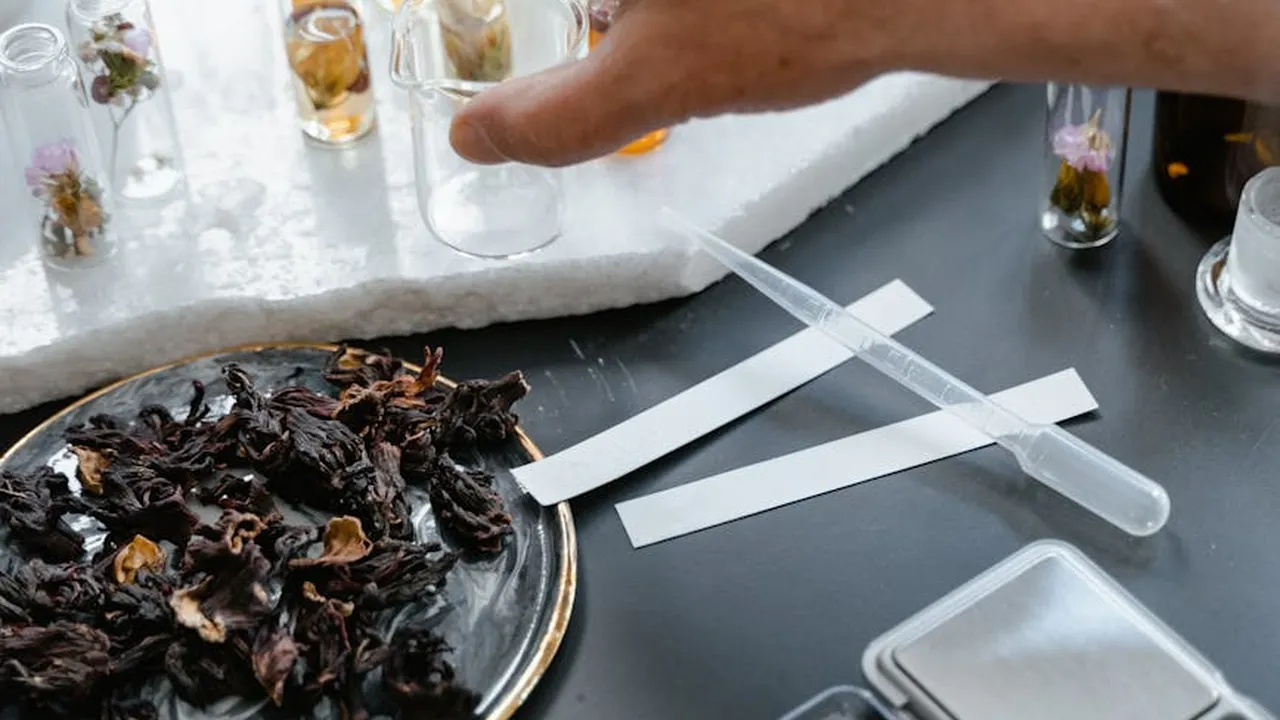
Getting the dilution right is the most critical safety step when using essential oils with your dog. I treat this like the foundation of a house—skip it, and everything else is unstable. Make sure you understand what the proper dilution ratios are for essential oils and how to mix them correctly with carrier oils.
A dog’s skin and metabolism are very different from ours. What feels soothing to you can overwhelm their sensitive system. Always, without exception, dilute an essential oil in a mild carrier oil before any topical application.
Body size dramatically changes the math. A single drop of oil dispersed over a Great Dane’s back is a whisper, but that same drop on a Chihuahua is a shout. This table shows a basic starting point for thinking about scale.
| Dog Size | Example Breed | Suggested Carrier Oil Base | Essential Oil Starting Point |
|---|---|---|---|
| Large | Great Dane | 1 Tablespoon (15 ml) | 1 drop |
| Small | Chihuahua | 1 Teaspoon (5 ml) | A toothpick tip dipped in oil, then stirred in |
These are not fixed recipes, but visual guides. The Chihuahua’s blend should always be far more subtle than the Dane’s.
Standard Dilution Guidelines
For a typical, healthy adult dog, I follow these conservative ratios in my own home. I keep pre-diluted blends in amber dropper bottles on my apothecary shelf.
- Large dogs (over 50 lbs / 23 kg): 1 drop essential oil per 1 tablespoon (15 ml) carrier oil.
- Medium dogs (20-50 lbs / 9-23 kg): 1 drop essential oil per 2 tablespoons (30 ml) carrier oil.
- Small dogs (under 20 lbs / 9 kg): 1 drop essential oil per 4 tablespoons (60 ml) carrier oil.
The “less is more” approach is your best friend here. A faint, pleasant aroma is the goal, not a powerful scent cloud. Before any full application, perform a patch test by rubbing a dime-sized amount of your diluted blend on a small spot like the inner leg, waiting 24 hours, and checking for redness or irritation.
Special Considerations for Puppies, Seniors, and Sick Dogs
Puppies, senior dogs, and those who are unwell need extra gentleness. Their bodies are either developing, declining, or fighting something else. For these dogs, I most often recommend avoiding topical use and choosing passive diffusion in a large, airy room instead. The indirect aromatic exposure is much safer.
When considering which oils are safe for puppies, think about extreme dilution or total avoidance. A puppy’s liver is immature and cannot process essential oil compounds well. For puppies under six months, I avoid topical application completely. If a situation seems to require it, I dilute one drop of a gentle oil like lavender into at least a half cup (120 ml) of carrier oil and get a vet’s approval first. Even then, use caution when diffusing any oils around pets.
For senior or sick dogs, the same cautious principle applies. If your dog has organ issues or is on medication, oils can interfere. Diffusion is the kindest option. My old retriever finds comfort when I diffuse one drop of frankincense in the living room; it creates a peaceful space without any direct contact.
Answering Your Top Questions on Oils and Dogs
Let’s talk about your most common worries. I see these questions pop up all the time in my community, and they come from such a loving place. You just want to help your pup feel better. I get it.
What Are Dog Safe Essential Oils for Anxiety?
Lavender and frankincense are my top picks for a nervous dog. Their gentle, grounding scents can really shift the energy in a room. I always reach for my own small bottle of lavender hydrosol when my old terrier gets jumpy during storms.
The key is to introduce the scent long before the stress hits. If you know a car ride or visitors are coming, start diffusing about 30 minutes prior. Use a water-based diffuser on an intermittent setting in a well-ventilated space where your dog can leave if they want. Watch their body language-if they walk away, respect that choice.
Can I Use Oils to Help with My Dog’s Itchy Skin or Ticks?
For simple, dry itchiness, a plain, organic carrier oil is often the best and safest first step. Fractionated coconut oil is a favorite of mine because it’s light and absorbs without a heavy residue. You can massage a small amount directly onto a patch of dry skin.
Never apply “hot” or strong essential oils like peppermint or tea tree directly to your dog’s skin, even for pests like ticks. This can cause severe irritation. For tick prevention in your home, I sometimes add a single drop of cedarwood essential oil to a bucket of water for mopping floors. The scent is subtle to us but can deter bugs. Always consult your vet for a proper tick treatment plan.
Is Chamomile or Helichrysum Oil Safe for My Dog?
Chamomile needs a careful look. Roman chamomile is the gentler cousin and may be used for skin issues at an extreme dilution, like one drop in two tablespoons of carrier oil. German chamomile is much stronger and I avoid it completely for pet use.
Helichrysum is a powerful, valuable oil, but its potency is exactly why I don’t recommend it for DIY dog care. Without direct guidance from a veterinarian trained in aromatherapy, it’s best to keep helichrysum on your shelf, not your dog’s. Its complex chemistry is better suited for expert hands.
Safety First: Your Step-by-Step Application Checklist
Working with oils around your dog doesn’t need to be scary. It just needs a method. I have a checklist on a notecard tucked on my own oil shelf to keep me honest. Let’s build yours.
A calm, prepared approach is your best tool for keeping your dog safe and comfortable.
Before You Start: The Pre-Check
Think of this like gathering your ingredients before you cook. Skipping a step here is where mistakes happen.
- Talk to your vet. This is non-negotiable if your dog is very young, old, pregnant, or has liver, kidney, or breathing issues. Your vet knows your dog’s unique health picture.
- Choose your oils with care. Select only those known to be safer for dogs from the lists above. I always look for oils bottled in dark glass from brands that provide botanical names and batch testing information.
- Gather your dilution supplies. Have your chosen carrier oil (like fractionated coconut or jojoba), a clean glass bottle for mixing, and a measuring dropper ready before you open a single essential oil.
Proper dilution in a carrier oil is the single most important step for topical safety; never apply an undiluted essential oil directly to your dog’s skin.
During and After: Observation is Key
Your dog will tell you everything you need to know. You just have to pay close attention.
- Always do a patch test. Apply a tiny dab of your diluted mixture to a small area on their inner leg or belly. Cover it with a sock or t-shirt so they can’t lick it.
- Watch closely for a full day. Look for any redness, itching, hives, or behavior changes like lethargy or drooling. If you see anything concerning, wash the area with mild soap and stop use.
- Use diffusers with extreme caution. Always run them for short periods (10-15 minutes) in a well-ventilated room where your dog can leave. I never run a diffuser in a closed room with my dogs or overnight.
- Secure your oil stash. Store all essential and carrier oils in a closed cabinet your dog cannot access. A curious nose and a knocked-over bottle is a dangerous situation.
Your Quick-Reference Safety List
- Consult your veterinarian before starting, especially for dogs with health conditions.
- Dilute, dilute, dilute. For dogs, a 0.5% to 1% dilution is a safe starting point.
- Perform a 24-hour patch test with every new oil or blend.
- Never use a diffuser in an enclosed space or leave it running unattended.
- Store all oils securely out of reach to prevent accidental ingestion.
Your Questions, Answered
How can I use a diffuser safely so my dog is comfortable?
Always use your diffuser in a large, ventilated room where your dog can freely leave, and limit sessions to 15-20 minutes. Start with just one drop of a gentle oil like lavender or cedarwood, and always observe your dog’s reaction-if they walk away, let them go.
Are there dog-safe alternatives for scent work and training?
Yes! For scent games, I recommend using a hydrosol (like lavender) or a single drop of a safe oil like ginger dried on a toy, rather than direct contact with the skin. This provides a detectable scent for their powerful nose without the risks of concentrated topical application.
What’s a simple, dog-safe recipe for a cleaning spray?
For a non-toxic floor cleaner, mix 1 cup white vinegar, 1 cup water, and 5-8 drops of cedarwood essential oil in a glass bottle. Cedarwood offers a fresh, woodsy scent and is a popular choice for dog safe essential oils for cleaning due to its grounding aroma.
A Herbalist’s Parting Thoughts on Oils and Dogs
The most vital lesson from my apothecary shelf is this: your dog’s safety always starts with proper dilution in a gentle carrier oil. When you treat your dog’s well-being with the same care as your own skin and hair routines, you create a foundation of trust and comfort.
I write regularly about these gentle practices for body, skin, hair, and home right here on the blog. Trust this guidance as you begin, and you will soon trust your own seasoned judgment in creating a wellness-focused home for everyone, paws included.
Expert Resources and Citations
- for Dogs – Essential Oils – Well-Pet Dispensary
- Are Essential Oils Safe for Dogs? 7 To Use and 12 to Avoid | PetMD
- What to Know About the Risks of Essential Oils for Dogs
- 8 Essential Oils for Dogs | Wondercide
Noemi Kamińska
Noemi is an accomplished wellness researcher, nutrition care guide and body care expert. She has years of experience in formulating various oil combinations for full body wellness including face, hair, body care, essential oils and cooking oils. She works as a bio-formulator working with oil chemistry and analyzing the best formulations when it comes to your needs. Feel free to reach out to get your oil needs sorted.