
Are Essential Oil Diffusers Safe for Pets? What Every Pet Owner Needs to Know
If you love using essential oils but worry about your furry family members, you’re not alone. With the right approach, you can often enjoy your diffuser while keeping your dog or cat safe and comfortable.
This guide will help you navigate which oils and diffusion methods are considered safer, and which ones to avoid completely.
- How different types of diffusers affect pets
- Essential oils that are problematic for dogs and cats
- Subtle signs your pet is bothered by a scent
- Practical steps for a pet-friendly aromatic home
How Pets Process Scents: Why Cats Are Different
Your cat’s body works differently than yours or your dog’s. I need to explain a key detail. Cats lack a specific liver enzyme called glucuronyl transferase.
This enzyme helps break down certain compounds in oils, like phenols. Think of it like a person with a severe peanut allergy. Their body just can’t process it safely.
This biological difference is the core reason diffused essential oils can be toxic to cats, including tea tree oil. Their systems cannot neutralize certain chemicals we handle easily, such as those found in tea tree oil, which is particularly harmful to cats.
Dogs have more robust metabolic pathways. But they can still be overwhelmed. A strong, constant scent in a small room is a lot for any animal’s sensitive nose.
It is vital to know that birds, reptiles, and small mammals like rodents are even more fragile. Their respiratory systems are extremely delicate. For their safety, I do not recommend diffusing oils around them at all, even if they claim to repel rodents. This guide focuses on the cats and dogs sharing our living spaces.
The Straight Talk on Toxicity: Oils to Absolutely Avoid
Some oils carry higher risks. I keep these far from my diffuser when my pets are home. Here is a straightforward list, grouped by family. Next, I’ll address which essential oils are best and safest to put in a diffuser. This will help you pick options that fit your home and pets.
Citrus Oils
Examples include lemon, orange, lime, grapefruit, and bergamot. They contain high levels of d-limonene and psoralens.
These compounds can cause serious skin irritation and central nervous system issues in pets, especially cats.
Mint Family Oils
This covers peppermint, spearmint, wintergreen, and pennyroyal. They are rich in phenols and ketones.
Wintergreen and sweet birch are particularly dangerous because they contain methyl salicylate, which is closely related to aspirin.
Spice & “Hot” Oils
Oils like cinnamon, clove, oregano, and thyme are very potent. They are high in phenols, like eugenol.
They can cause immediate mucous membrane irritation-think burning sensation in the mouth, nose, and lungs.
Evergreen & Camphorous Oils
This group includes tea tree (melaleuca), eucalyptus, pine, and cedarwood. Tea tree is a major one I get asked about.
Tea tree oil poisoning in dogs is often cited in pet toxicity cases, even from small amounts on skin. Eucalyptus and pine oils can cause breathing problems and weakness. Dogs can be particularly affected, with symptoms such as vomiting, drooling, or ataxia. If exposure is suspected, seek veterinary care promptly for guidance on treatment.
Floral & Other Oils
Be cautious with ylang ylang, which can cause nausea. Avoid any oils labeled as “pure” or “natural” pennyroyal, as it is highly toxic to the liver.
Remember, “natural” does not mean “safe” for your pet. Poison ivy is natural, too. Concentrated plant compounds demand respect.
Spotting Trouble: Signs of a Reaction
Watch your pet closely when you first use a diffuser. Know the signs that something is wrong.
Common symptoms include:
- Drooling or vomiting
- Pawing at the mouth or face
- Wheezing, coughing, or trouble breathing
- Lethargy or stumbling
- Muscle tremors or weakness
Cats often show more subtle signs first, like hiding under the bed or licking one spot obsessively. They are masters at masking illness.
If you see any of these signs, act fast. Immediately move your pet to an area with fresh, clean air. Turn off the diffuser and open windows. This is your first and most important step.
Are Any Essential Oils Safe to Diffuse Around Cats and Dogs?
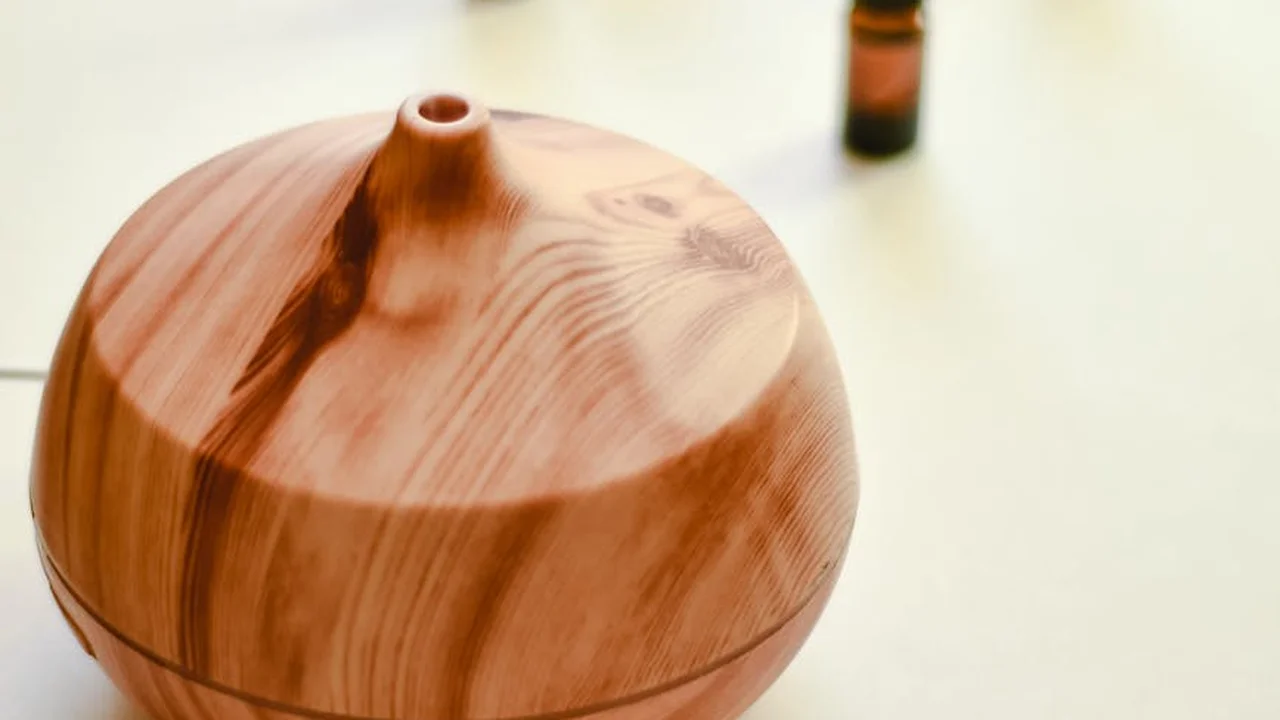
This is the most common question I get, and the answer requires nuance. For both cats and dogs, the number of oils considered potentially safe for very cautious, occasional diffusion is extremely small, especially when compared to those meant for ingestion or topical use.
After years of consulting with holistic vets and observing my own pets, I work with a short, cautious list. Lavender (when heavily diluted), Frankincense, and Roman Chamomile are sometimes mentioned. These are not universally “safe,” but they are often cited as having a higher threshold for cautious use compared to oils like tea tree or citrus. (especially for use in diffusers).
Frankincense has an earthy, resinous aroma I find very grounding. Roman Chamomile is softly sweet, almost like apples. If you choose to try them, your dilution must be minimal-think one drop of essential oil in the entire water reservoir of a large diffuser.
In my home, I only diffuse these for short periods in a large, open room my cat can leave. I set a timer for 30 minutes, then air the space out. He always has an escape route to a scent-free zone.
If your pet is very young, old, pregnant, or has any known health issue (especially respiratory or liver concerns), the safest number of oils to diffuse is zero. Their well-being comes before any ambient scent, especially when using peppermint or other essential oils in diffusers.
Thinking About Pet Safe Diffuser Oils for Odor?
I understand the desire for a home that smells clean and welcoming, not like a litter box or wet dog. Using a diffuser to manage pet odors is a delicate balance.
Dilution is even more key here. A faint, barely-there hint of lavender is a much better choice than a powerful blast of a “clean” smelling pine or citrus oil, which can irritate pets. Your goal is a gentle background note, not a scent mask that overwhelms the air they breathe.
My first step is always improving the source. I clean the litter box more frequently, wash pet bedding with baking soda, and open windows for cross-ventilation. These actions tackle the odor directly.
Only after that do I consider a diffuser. I might use a single drop of frankincense in my big living room diffuser after a deep clean. It adds a fresh, clean layer without shouting. The scent should whisper, not announce itself. This approach respects your pet’s sensitive biology while gently supporting the atmosphere of your home.
Setting Up Your Space: The Pet-Safe Diffusion Method
Think of this less about operating a gadget and more about crafting a gentle atmosphere. You want the space to feel calm for everyone, paws included.
My goal is always a subtle background note, not an overwhelming cloud. This mindset is the foundation of a peaceful, shared home.
Choosing and Placing Your Diffuser
Not all diffusers are created equal when furry family members are around. I look for a few key features on my own shelf.
An ultrasonic diffuser is my only choice for pet homes. It uses water and vibration to create a cool mist, which keeps the oil’s compounds gentler.
A built-in timer is non-negotiable, ideally one that runs for 30 minutes then shuts off automatically. Quiet operation is also a kindness, as some pets find humming noises stressful.
Placement is your next big step. I put mine high on a sturdy bookshelf or the top of a kitchen cabinet.
This keeps it out of reach from curious noses and swishing tails. Never place it in a small, closed room or directly next to your pet’s favorite bed.
The most important rule is to always, always leave a door open for your pet to leave the room if they wish. This is their safety valve.
The Golden Rules of Diffusion with Pets
Once your diffuser is in place, these simple habits make all the difference. They are my standard practice every single time.
- Use half the oil. For a standard 100ml water tank, I use only 1-2 drops of essential oil. Less is truly more here.
- Set a short timer. I run it for 30 minutes maximum. After that, I give the air several hours to clear completely before considering another session.
- Always stay in the room. Diffusion only happens when I am present to watch my pets. I look for signs like sneezing, scratching, or simply leaving the room.
- Keep the air moving. I often crack a window in the same room or run a simple air purifier nearby. This prevents the aroma from getting too concentrated.
If you are looking for a new device, searching for “ultrasonic diffuser with timer” will point you in the right direction. Focus on that timer function above all else.
When to Skip the Diffuser: Simpler, Safer Alternatives
I keep a diffuser on my kitchen counter, but I turn it off when my cat, Basil, decides to nap nearby. Some days, it just feels simpler to leave it unplugged. Your pet’s comfort and safety always come first.
If you’re ever unsure, the kindest choice is to enjoy aromas in ways that don’t fill your pet’s air. You can still have a beautiful, fragrant home. These methods put you in direct control.
The Personal Linen Spray
This is my favorite quiet alternative. I make a small bottle to spritz on my own pillowcase or sweater. The scent stays close to me, not drifting through the entire room.
Find a 2-ounce glass spray bottle in your local apothecary section. Fill it almost to the top with distilled water. Add one single drop of a gentle, safe oil like lavender or sweet orange.
Shake the bottle well before each use. The oil and water will separate, and that’s fine. A light mist on your linens offers a soft, personal scent cloud. This method keeps the aroma precisely where you want it, far from curious noses and paws.
Wear It Yourself
Essential oil jewelry, like a porous lava stone necklace or a diffuser bracelet, is designed for people. I wear my lava bead necklace with a drop of frankincense when I need to feel grounded.
The oil soaks into the stone and evaporates slowly from your body heat. You carry the therapeutic scent with you all day. Your pet only experiences it if they are snuggled in your arms, and even then, the dose is incredibly minimal.
This is a wonderfully direct way to benefit from oils without asking your pets to participate. Never put these on your dog’s or cat’s collar, especially peppermint oil or any potentially toxic oils.
The Hidden Cotton Ball Trick
For a gentle room scent, I sometimes use this old trick. Take one drop of a safe oil and place it on a plain cotton ball. Then, think like a cat-look up.
Find a high, out-of-reach spot. Tuck the cotton ball into the slats of a ceiling vent, on the very top shelf of a bookcase, or behind a secure window frame. The air circulation will carry a faint whisper of scent into the room.
Make sure the cotton ball is secure and impossible for a pet to bat down and play with. This creates a subtle background note, not an overwhelming aromatic presence. Check it after a day and replace it if the scent fades.
What to Do If Your Pet Has a Reaction
Seeing your pet distressed is frightening. I remember my cat, Milo, once getting too close to a new blend. Your first job is to stay calm and act quickly. Follow these steps in order.
- Remove your pet to fresh air immediately. Carry or guide them to a room with good ventilation, away from the aroma. Clear, unscented air helps more than you might think.
- Turn off and unplug the diffuser. This stops the source. I always unplug mine completely to be sure no more mist is released.
- Open windows and doors to ventilate the space. If you have a fan, turn it on to help push the scented air out. Circulation is key.
- Call your veterinarian or the ASPCA Animal Poison Control Center right away. Have your pet’s weight and any symptoms ready to describe. Do not wait to see if they improve.
Do not try to induce vomiting or give anything orally unless directed by a professional. This is a critical rule. Even water or food can complicate things before a vet assessment.
Keep the essential oil bottle in your hand. You need to provide the exact, full botanical name on the label. Saying “tea tree oil” is not as helpful as saying “Melaleuca alternifolia.” From my own apothecary, I know precise identification guides proper care.
Quick Answers for Pet-Friendly Homes
How do I choose a truly pet-safe diffuser?
Look for an ultrasonic diffuser with a reliable automatic timer and a quiet motor. Always place it up high and in a room your pet can freely leave.
Can I use a diffuser to eliminate pet odors safely?
Yes, but focus on tackling the odor source first through cleaning and ventilation. If diffusing, use a single drop of a gentle oil like frankincense or lavender for a subtle background note, not a strong mask.
What should I look for when searching “pet safe diffusers” on Amazon?
Filter your search for “ultrasonic diffuser with timer” and read reviews from other pet owners. Remember, the device is just one part; how you use it (low dilution, short intervals) matters most for safety.
Are some essential oils safer for dogs than for cats?
Yes, due to their different metabolisms. Oils like frankincense or lavender may have a higher threshold for cautious use with dogs, but cats lack the enzymes to process most oils safely, so extreme caution is needed for both.
Creating a Harmonious Home with Pets and Oils
The single most important practice is to always diffuse with ample ventilation and a mindful selection of pet-safe oils. Your attentive care transforms your space into a sanctuary for all.
I share lived-in tips and personal blends for body, skin, and hair wellness right here on the blog. Trust both this guidance and your own nurturing instinct as you craft a healthier home.
Citations and Authoritative Sources
- The Essentials of Essential Oils Around Pets | ASPCA
- Pet-Safe Scenting: A Guide for Fragrance Reed Diffuser Users – Hotel Collection
- Are Essential Oils Safe for Dogs? 7 To Use and 12 to Avoid | PetMD
- 24Petwatch: Are essential oils safe for dogs and cats?
- Essential Oil Diffusers and Your Pet | Coralville Animal Hospital
- Pet Safe Essential Oils for a Diffuser, According to Experts – OH Blog
Noemi Kamińska
Noemi is an accomplished wellness researcher, nutrition care guide and body care expert. She has years of experience in formulating various oil combinations for full body wellness including face, hair, body care, essential oils and cooking oils. She works as a bio-formulator working with oil chemistry and analyzing the best formulations when it comes to your needs. Feel free to reach out to get your oil needs sorted.