
What Can an Essential Oil Diffuser Do for Your Allergies, Sinus Comfort, and Home Humidity?
If sniffles and dry air are making you miserable, you’re not alone. I keep a diffuser on my kitchen counter every spring, and it turns a stuffy room into a breath of fresh air.
Using a diffuser the right way can support your body and your space naturally.
- Soothing allergy symptoms with specific oils
- Easing sinus pressure and congestion
- Adding gentle moisture to dry indoor air
First Things First: What Is an Essential Oil Diffuser?
Think of a diffuser as your personal scent and comfort assistant. It’s a simple device that mixes a few drops of essential oil with water and turns it into a fine, scented mist that fills your space.
You will see a few main types. An ultrasonic diffuser uses vibrations to create a cool mist. A nebulizing diffuser pushes air through pure oil for a potent aroma. Heat diffusers use warmth to evaporate oils, and evaporative diffusers use a fan and a pad.
Here is a common point of confusion. Not all diffusers add humidity to your air. Only ultrasonic diffusers, because they use water, add meaningful moisture to your environment. The others just disperse the scent. This is why I keep an ultrasonic model on my bedside shelf during dry winter months.
How a Diffuser Can Ease Your Allergy and Sinus Symptoms
When allergies hit, your body is overreacting to harmless particles. A diffuser offers a gentle way to soothe that reaction and help you feel clear again.
This is about aromatic support for your comfort, not a medical cure. The right oils can work in two clever ways. First, some have properties that may help cleanse the air. Second, and more directly, when you breathe in the mist, it can calm irritated passages and help you feel open.
It’s like giving your strained sinuses a moment of cool, focused relief. I use mine when I’ve been gardening and can feel that familiar tickle in my nose and throat starting.
The Clearing Scents: Best Essential Oils for Sinus Relief
Some oils are real champions for breathing easier. Keep these in your toolkit.
Eucalyptus (Eucalyptus globulus): That crisp, camphorous punch feels like breathing in a cold mountain stream. It is my first grab for chest and sinus congestion. A key safety tip: use it in low dilution and avoid it around infants.
Peppermint (Mentha piperita): The sharp, cooling sensation of menthol is incredible for opening a stuffy head. Always keep peppermint oil away from the faces of children under six, as it can be too strong for them.
Tea Tree (Melaleuca alternifolia): This oil has a clean, slightly medicinal scent. It’s known for its purifying qualities, which is why I reach for it when the air feels stale or heavy with allergens.
Lavender (Lavandula angustifolia): Its soft, floral-herbal scent is a balm for the whole system. Lavender can help calm the body’s stress response that often worsens allergy symptoms, making it a perfect evening oil.
Lemon (Citrus limon): Bright, sunny, and zesty. Lemon oil is uplifting and is often used for its cleansing properties. It blends beautifully with eucalyptus and lavender.
Blends That Soothe: Recipes for Stuffy Noses and Itchy Eyes
Blending oils can create a more balanced and effective experience. Here are two of my go-to recipes for your diffuser.
Daytime Desk Clear Blend: This is light and refreshing for mild relief while you work.
- 3 drops Lemon
- 2 drops Lavender
- 1 drop Peppermint
Evening Deep Breath Blend: This mix is more focused on opening passages and calming the body before rest.
- 3 drops Eucalyptus
- 2 drops Tea Tree
- 1 drop Lavender
Add these blends to the water in your ultrasonic diffuser following its instructions. If you ever want to apply a diluted oil blend directly to your skin (like on your chest or temples), you must mix it with a carrier oil first. For sinus areas, I always dilute 1 drop of essential oil in at least a teaspoon of a mild carrier oil like jojoba or fractionated coconut oil.
The Humidity Question: Friend or Faux?
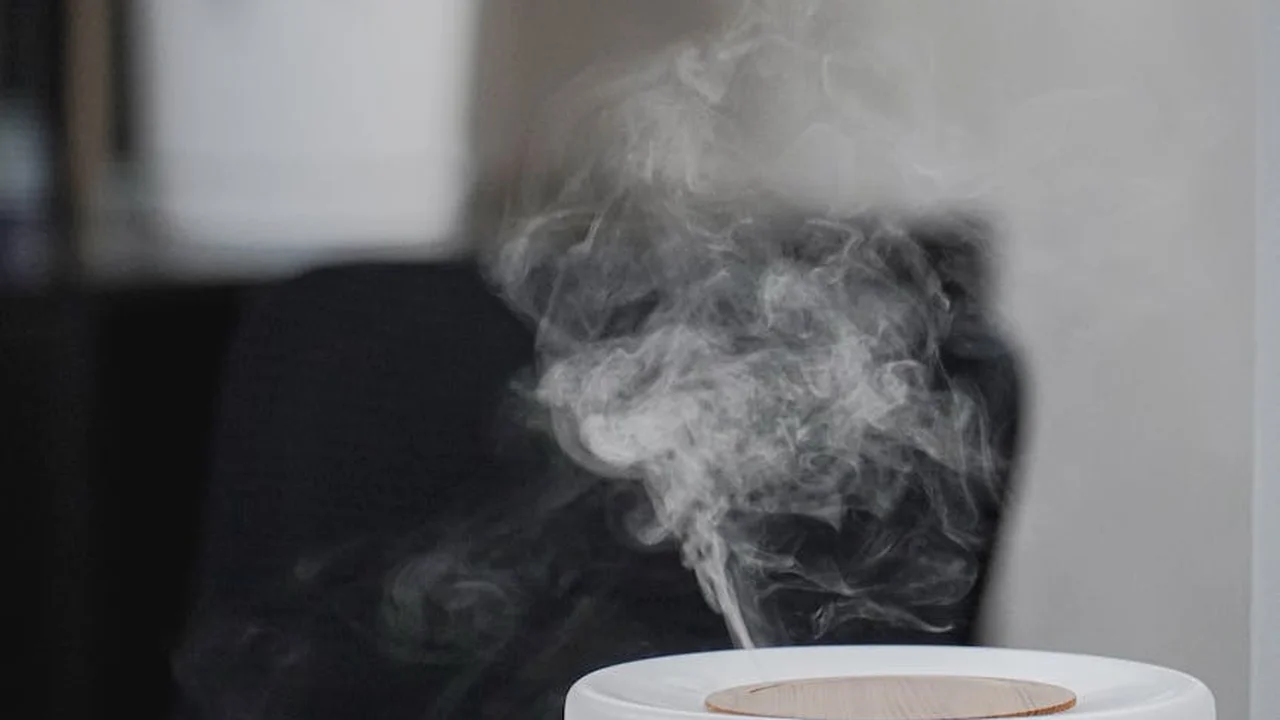
So, are essential oil diffusers good for humidity? I get this question often, and the answer isn’t a simple yes or no.
It all comes down to the mechanics inside your diffuser.
Ultrasonic Versus Everything Else
Ultrasonic diffusers are the only common type that add moisture to your air. I keep a simple white ceramic one on my apothecary shelf for this very reason.
It has a small plate that vibrates, breaking water and oil droplets into a light, visible mist you can feel. Heat diffusers and nebulizing diffusers work without water, so they offer zero humidity benefit.
If you’re looking for any moisture boost at all, an ultrasonic model is your only choice.
Diffuser vs. Humidifier: A Gentle Spritz, Not a Soak
Think of your diffuser’s mist like a light sprinkle for your room’s air. The water reservoir is tiny, often just a cup or two.
A proper humidifier is built like a dedicated appliance. It holds liters of water and can run all night to steadily correct dry air in a large space.
Your diffuser is a lovely aromatherapy device that offers a side of humidity, not a primary solution for severe dryness.
I use mine to take the harsh edge off the air in my study when the furnace runs, but I wouldn’t rely on it for a child’s congested room all winter.
When That Extra Moisture Helps (And When It Hints)
That gentle mist is a welcome friend in specific, dry scenarios. The heated air from your vents in winter can parch your skin and sinuses.
Adding a diffuser to your bedside table overnight can make the air feel softer. I notice my hair is less staticky and my throat feels more comfortable when I do this.
But moisture can be too much of a good thing. In my old, poorly-ventilated bathroom, running the diffuser made the walls feel damp.
In already humid climates or muggy rooms, the extra water from a diffuser can encourage mold or dust mites, which are common allergy triggers.
Listen to your home. If the air feels thick or you see condensation, skip the diffuser and just enjoy the oils another way.
Diffuser Benefits Beyond Breathing
While respiratory relief is a huge draw, a diffuser works wonders for your whole environment.
Its gentle mist and aromatic embrace touch more than just your airways.
Can a Diffuser Help Your Skin?
This is a question I see often. The answer is yes, but indirectly.
A diffuser won’t deliver oils to your skin like a serum, but it creates a kinder atmosphere for it. It is especially beneficial when used with essential oils.
Many diffusers act as mini humidifiers, adding a fine moisture to dry, indoor air. Think of forced heat in winter or constant air conditioning in summer. This added ambient humidity can be a quiet hero for skin feeling tight or parched.
Then there’s the scent itself. Creating a calm, low-stress space with oils like lavender or frankincense can subtly support your skin’s well-being from the inside out. I keep a stone diffuser running with a drop of chamomile on my desk for this very reason-it turns my workspace into a sanctuary.
Remember, never apply the water-oil mixture from a diffuser directly onto your skin. For that, you always need a proper dilution in a carrier oil.
The Gift of Gentle Humidity
That visible mist? It’s more than just a carrier for scent.
In arid months, I notice the difference. My plants seem perkier, my own throat feels less scratchy in the morning, and even the wooden furniture in my living room appears happier. This boost in ambient moisture can soothe dry nasal passages and make a room simply feel more comfortable.
It’s a simple, passive upgrade to your home’s air quality.
A Ritual for Your Senses and Space
The benefits stretch into the intangible. In online forums, people don’t just talk about congestion. They talk about ambiance.
They share how diffusing citrus oils like sweet orange gives their kitchen a bright, clean feeling. They describe the ritual of choosing an oil blend at night as a signal to their brain that the day is done.
This daily practice is a form of gentle, aromatic self-care that supports a balanced mood and a peaceful home.
On my own shelf, a bottle of cedarwood oil is almost empty. I use it in the evening to create a grounded, warm scent that helps separate work time from rest time. It’s a small act with a big impact on how a space feels.
Safety and Sensitivities: Using Your Diffuser Wisely
Essential Oil Diffusers and Asthma: A Nuanced Balance
This is the most important question I get in my practice. The answer isn’t simple yes or no. It’s about personal response.
For some, diffusing certain oils like frankincense or sandalwood can feel deeply calming to the airways. For others, any strong aroma can be a trigger.
You must listen to your body or the body of the person with asthma above any general advice. I always suggest a “low and slow” test with medical guidance.
Start with one drop of a gentle oil, like true lavender, in a large diffuser filled with water. Run it for only 15 minutes in a large, well-ventilated room with an open door.
Observe how you feel during and for hours after. A window cracked for fresh air is non-negotiable, creating a balance between the aromatic mist and clean oxygen.
Never diffuse around someone during an active asthma attack, as the scent can be an unpredictable irritant.
Beyond asthma, there are clear times to pause or avoid diffusion. If you are pregnant, nursing, or have a serious health condition, your first call is to your healthcare provider.
Never diffuse around infants. Keep diffusers out of bedrooms where pets, especially cats and birds, spend time, as their systems process oils very differently. Ensure to use pet-safe essential oils particularly when using them around animals.
I keep my diffuser in common living areas and use it when my cats have the run of another part of the house.
How to Clean Your Essential Oil Diffuser (A Non-Negotiable)
If you skip this, you’re undoing all the good. A dirty diffuser can grow mold or bacteria, which it then mists into the air you’re trying to clear.
For anyone, but especially for allergy sufferers, a clean diffuser ensures you’re breathing only the pure oil scent and clean water vapor. I do this every Sunday.
Here is my quick weekly routine:
- Unplug the diffuser and pour out any old water.
- Fill the reservoir halfway with clean, cool water.
- Add one tablespoon of white vinegar or rubbing alcohol. I prefer vinegar from my kitchen shelf-it’s natural and cuts the oil residue perfectly.
- Use a soft cotton swab to gently wipe the ultrasonic plate or any nooks. Don’t scrub it.
- Let the solution sit for 10 minutes, then swish it around and empty it.
- Rinse the tank twice with fresh water and dry it with a soft cloth before next use.
You’ll know it’s clean when no old oil scent lingers. This simple habit keeps your diffuser working well and your air truly fresh.
Your At-Home Diffuser Checklist: A Step-by-Step Guide
Think of your diffuser as a kitchen appliance. For the best results, you follow a simple recipe. This checklist helps you do just that.
Step 1: Choose Your Oil for the Job
Pick an oil that matches how you feel. For stuffy sinuses, I reach for Eucalyptus Radiata. It clears the air without being too harsh. For a calming, anti-inflammatory effect during allergy season, a drop of Lavender is my go-to.
Start simple: try one oil at a time to learn how its scent works for you. Avoid citrus oils if you plan to be in direct sunlight afterward, as they can increase photosensitivity.
Step 2: Fill the Tank with Clean, Cool Water
Always use water first. Fill to the manufacturer’s line. I use filtered or distilled water from my kettle. This prevents the white mineral dust that tap water can leave on your furniture and inside the machine.
Step 3: Add Your Oil Drops
Less is more, especially in a bedroom or small office. My standard rule is 3-5 drops total. For a 100ml diffuser, I often start with just 2. You can always add another drop, but you can’t take scent out of the air.
This is where “not overdoing it” is key; a subtle fragrance is effective and prevents olfactory fatigue.
My Simple Starter Blends:
- For Breathing Easy: 2 drops Eucalyptus, 2 drops Lemon.
- For Soothing Irritation: 3 drops Lavender, 1 drop Chamomile.
- For a Clean, Humid Air Feel: 2 drops Tea Tree, 2 drops Pine.
Step 4: Place It in a Safe, Smart Location
Set the diffuser on a stable, level surface. Keep it at least two feet from walls, curtains, and wood furniture (the mist can spot surfaces). Most importantly, place it where pets or children can’t knock it over or play with the mist.
This is a critical safety step: if you have pet birds, do not diffuse oils in your home, as their respiratory systems are extremely sensitive. For cats and dogs, ensure the room is well-ventilated and they can leave the area. Note that lavender essential oil safe for dogs should be used with caution, and diffusers should be placed so pets can retreat from the scent.
Step 5: Set a Timer (If You Have One)
I run my diffuser in 30-60 minute intervals. This is plenty of time to benefit from the aroma without saturating the room. Many diffusers have auto-shutoff features, which are perfect for using while you sleep.
Step 6: Enjoy Mindfully
Sit for a moment and just breathe. Notice the scent. Does your head feel clearer? Does your nose feel less dry? Paying attention helps you learn what works best for your body.
Step 7: Clean After Every Few Uses
Oils and water leave a film. Every three fills, I wipe my diffuser’s tank with a soft cloth and a little white vinegar or rubbing alcohol. Rinse well. A clean diffuser works better and won’t mix last week’s leftover Pine scent with today’s Lavender.
Regular cleaning prevents mold and bacteria buildup and keeps your oil scents pure and true. It’s the single most important habit for making your diffuser last for years.
What If a Diffuser Isn’t Right For You? Exploring Alternatives
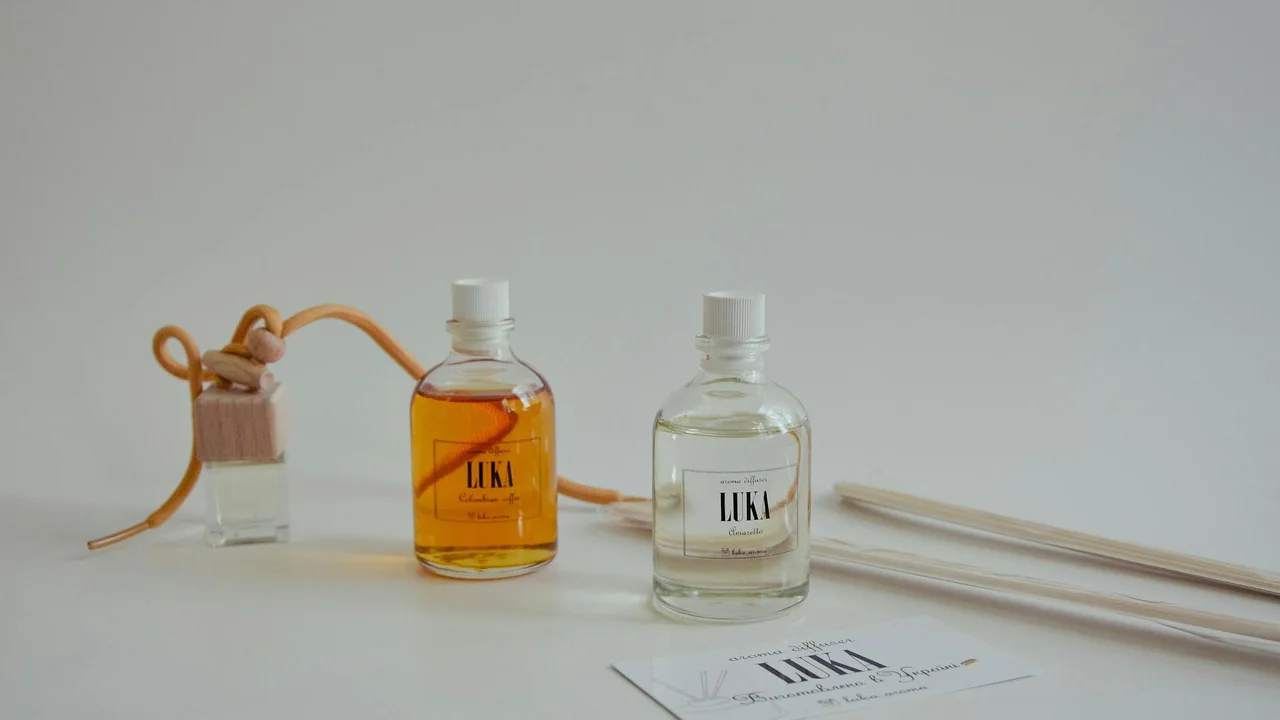
Diffusers are wonderful, but they aren’t a perfect fit for every home or person. If you share space with someone sensitive to scent, live with pets, or simply want more targeted relief, you have great options.
I keep a few of these alternatives right on my own shelf for different needs.
Personal Inhalers for Targeted, Portable Relief
Think of a personal inhaler as your private, pocket-sized diffuser. It’s a small tube with a wick inside that holds your essential oil blend. It’s great for travel—a portable diffuser you can take on the go. Just remember to follow portable diffuser safe-use guidelines when using essential oils on the go.
You simply hold it under your nose and take a deep breath for instant, personal relief without filling the room with scent. This method is my top recommendation for managing allergies or sinus pressure on the go, at the office, or in a shared bedroom.
To make one, you’ll add a few drops of oil to the cotton wick inside the inhaler tube.
- For sinus relief, try 5 drops of Eucalyptus Radiata and 3 drops of Rosemary.
- For calming allergic sniffles, a blend of 4 drops Lavender and 4 drops Frankincense works gently.
- Always use oils you know your body tolerates well in this concentrated form.
Steam Inhalation for Direct Sinus Relief
This is the most direct way to get moist, medicated air right where you need it. The warm steam helps loosen congestion, while the oils work on your nasal passages.
Steam inhalation provides fast, potent relief when you feel completely blocked up. It feels like a spa treatment for your sinuses.
Here is my safe method. Be very careful with the hot water.
- Boil water, then pour it into a large, heat-safe bowl. Let it sit for a minute so it’s not at a rolling boil.
- Add 1-2 drops of a respiratory oil like Peppermint, Eucalyptus, or Tea Tree.
- Place your face about a foot above the bowl, drape a towel over your head to trap the steam, and close your eyes.
- Breathe deeply through your nose for 5 minutes. Keep those eyes closed to avoid irritation.
A Plain Humidifier for Pure Moisture
Sometimes, the goal is just to add moisture back to dry, irritated air. A simple cool-mist humidifier does exactly that, with no scent at all.
This is the best choice if you or a family member reacts to any fragrances, or for a child’s room during dry winter months. Using a plain humidifier addresses the core issue of dry air without introducing any other variables.
If you miss the aromatic element, you can apply a diluted oil blend to your own chest or feet before bed. The humidifier tackles the dryness, while you get a personal, topical benefit. Just ensure you clean your humidifier often to prevent mold.
Your Questions, Answered Simply
Can I run my diffuser all day and night?
For safety and to prevent scent overload, it’s best to run your diffuser in shorter intervals. I recommend 30-60 minutes on, then a break, to allow your senses to reset and your space to ventilate.
Do the oils in a diffuser actually help my skin?
While not a direct treatment like a serum, a diffuser supports skin indirectly. The gentle humidity from an ultrasonic model can soothe a dry environment, and creating a calm atmosphere helps manage stress, which is a known ally for healthy skin.
I mainly want a humidity boost. Which diffuser type should I choose?
Choose an ultrasonic diffuser, as it’s the only common type that adds moisture by dispersing a water-based mist. Remember, it offers a light spritz of humidity, not the deep saturation of a dedicated humidifier.
Is it safe to diffuse oils around my pets?
You must be very cautious, as pets process scents differently. Always ensure the room is well-ventilated and your pet can leave the area, and never diffuse around birds. For cats and dogs, research pet-safe oils and use extreme dilution.
How do I know if I’m using too many drops of oil?
If the scent feels overpowering or causes any irritation, you’ve used too much. Start with just 2-3 drops in a large room-a subtle fragrance is both effective and more pleasant for everyone, including pets.
Caring for Your Scented Sanctuary
The most effective way to use a diffuser is as one part of a supportive, clean environment. Think of it as a gentle, aromatic ally in your broader wellness routine, not a magic cure. Proper usage and maintenance are key.
I hope you feel inspired to experiment and find the oil blends that make your space feel right. Trust your senses, and know you can always return here to my shelf for more straightforward guidance on oils for body, skin, hair, wellness, and home.
Deep Dive: Further Reading
- If You Love Essential Oils, Make Sure You’re Not Allergic
- 6 Essential Oils for Allergies
- Essential Oils: More Harmful Than Helpful? | American Lung Association
- Essential Oils for Seasonal Allergies | Hackensack Meridian Health
Noemi Kamińska
Noemi is an accomplished wellness researcher, nutrition care guide and body care expert. She has years of experience in formulating various oil combinations for full body wellness including face, hair, body care, essential oils and cooking oils. She works as a bio-formulator working with oil chemistry and analyzing the best formulations when it comes to your needs. Feel free to reach out to get your oil needs sorted.