
What Can Peppermint, Lemon, Lemongrass, and Thieves Oils Do for Your Diffuser?
It’s easy to feel overwhelmed staring at a shelf full of essential oil bottles, wondering which ones truly fit your needs. Choosing the right oil isn’t about having a nice smell-it’s about picking the right tool for the job, whether you need focus, a fresh home, or immune support.
This guide will help you move past guesswork by showing you exactly how to match each of these four powerful oils to specific goals in your daily routine.
- Targeted benefits for mind, body, and home
- My favorite simple diffuser blends
- Important safety tips for effective use
A Quick Snapshot: Four Oils for Your Diffuser
Think of your diffuser as a tool to change the feel of a room. These four oils bring distinct scents, from crisp and cooling to sunny and warm.
This guide will walk you through each one, focusing on how to use them for therapeutic atmospheres and simple home wellness.
Your At-a-Glance Oil Guide
| Oil Name | Scent Vibe | Top Diffuser Use | Special Safety Consideration |
|---|---|---|---|
| Peppermint | Crisp and sharp, like a winter mint | Focus & cooling | Be cautious with pets and very young children. |
| Lemon | Sunny and bright, like a fresh peel | Purifying & uplifting | Watch for citrus sensitivity in some people. |
| Lemongrass | Earthy and green, with a citrus hint | Repelling & calming | Its strength means short diffusion times are best. |
| Thieves | Spicy-warm, like a comforting kitchen blend | Protective & cleansing | Check ingredients if you have known allergies. |
Keep this table in mind as we explore the details for each oil below.
Peppermint Oil: Clarity and Cool Comfort
Diffusing peppermint oil creates an immediate feeling of openness. The air takes on a cool, tingling quality that seems to lift the weight off your shoulders.
I always keep a bottle by my home office diffuser. A few drops in the afternoon shake off that mental fog better than a cup of coffee.
How Peppermint Clears Your Mind
The invigorating scent of peppermint acts like a reset button for your focus. Many find that breathing in this minty aroma helps promote mental alertness and concentration.
For a simple focus blend, try pairing it with a citrus oil. Add two drops of peppermint and two drops of lemon to your diffuser for a clear, bright atmosphere.
Soothing Respiratory Support
When the seasons change, diffusing peppermint can offer a feeling of easier, clearer breathing. This is purely for aromatic comfort and creating a soothing environment. Think of it as giving your senses a refreshing break.
A Note on Skin and Sensitivity
Peppermint oil is highly concentrated and potent. You must always dilute it with a carrier oil before any skin application. In your diffuser, use fewer drops or shorter intervals if young children or pets are in the room, as their systems are more sensitive to peppermint oil toxins.
This mindful approach with potent oils like peppermint leads us directly into important general safety practices, especially when it comes to ingesting natural oils.
Lemon Oil: Brightness in Every Drop
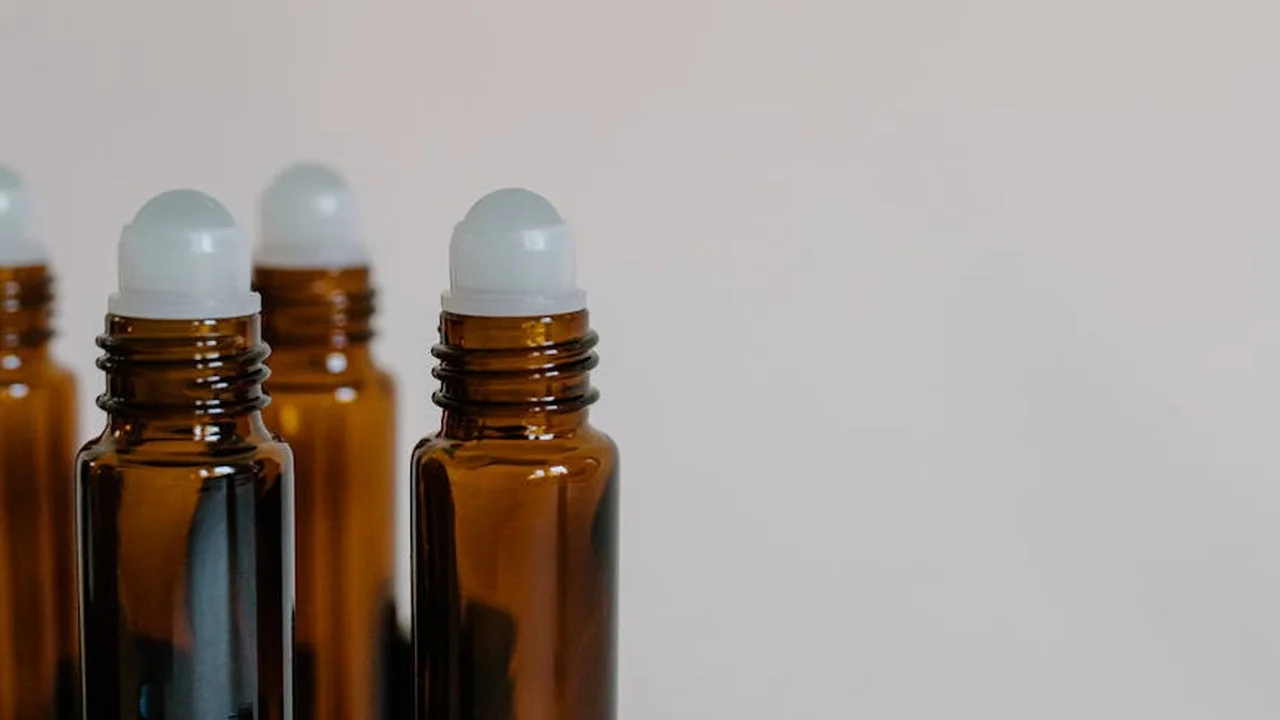
Think of a bottle of pure lemon oil as a tiny jar of captured sunshine. It is my absolute go-to for instantly freshening a room and lifting the mood. If you want a natural way to cleanse the air and lift spirits, this oil is a perfect starting point.
Its scent is like sunlight cutting through a cloudy day-sharp, clean, and undeniably cheerful. I keep a bottle right by my diffuser for a quick pick-me-up.
Uplifting Your Mood
Feeling a bit sluggish or stuck in a mental fog? Diffusing lemon oil can help combat that lethargy. It creates a bright, alert atmosphere that feels supportive for focus or simply shaking off a gray mood.
For a cheerful morning routine, I often add a few drops to my diffuser while I make coffee. Pairing it with a drop of peppermint oil makes an incredibly invigorating blend that wakes up the senses. It feels like opening all the windows on a spring morning.
Natural Surface Cleaner for the Air
Beyond its mood benefits, lemon oil is a powerful tool for your home’s atmosphere. Diffusing it helps neutralize stubborn cooking odors, like fish or onions, or simply freshen stale, stuffy air.
This cleansing property is why it’s a common star ingredient in DIY home cleaning sprays for countertops and surfaces. When you diffuse lemon, you’re essentially giving the air itself a gentle, natural clean. It’s one of the first oils I reach for after dinner to reset the kitchen.
Mixing with Other Oils
One of lemon oil’s best traits is its incredible friendliness. It blends well with almost every other oil, especially the other ones we’re talking about here-peppermint, lemongrass, and the warm spices in Thieves-type blends.
Its bright, top-note character lifts and lightens deeper, earthier scents. I’ll share some of my favorite specific recipes for your diffuser in the blending section coming up next.
Lemongrass Oil: Clean Air and Calm Nerves
Lemongrass is a workhorse in my collection, perfect when you need to refresh a room and your mood at the same time.
Its crisp, grassy scent acts like cleaning for your senses, cutting through stuffiness and mental fog.
This oil is a true dual-purpose tool, equally skilled at purifying your space and easing built-up tension.
Keeping Bugs at Bay
One of my favorite summer habits is diffusing lemongrass on my screened porch.
While it doesn’t create an impenetrable force field, I notice far fewer mosquitos and flies gathering near the door when the diffuser is running.
Diffusing lemongrass is a simple, natural way to gently discourage insects from settling in your patio or home airspace.
Promoting Relaxation
Here’s the beautiful contrast: the same oil that tells bugs to scram can also help you unwind.
In the evening, its bright scent becomes grounding, helping to soothe a busy mind.
For a simple, calming blend, I add two drops of lemongrass and three drops of lavender to my bedroom diffuser an hour before sleep. There are classic lavender pairings to consider, and in a future guide I’ll break down which essential oils pair best with lavender and how to blend them.
Dilution for Direct Use
Lemongrass oil is potent and can irritate skin if applied directly.
For any topical use, like in a massage oil, it must be heavily diluted in a carrier oil like jojoba or sweet almond.
Since we’re talking about diffusion here, just tuck that safety note in your back pocket. Good habits with oils are always key.
Thieves Oil: The Guardian Blend
I keep a bottle of Thieves on my apothecary shelf year-round, but it truly comes into its own when the air turns crisp. This is a classic, spicy blend with roots in a fascinating tale from the 15th century. The story goes that a band of thieves, using a protective herbal concoction, robbed plague victims without falling ill themselves.
You can absolutely diffuse Thieves oil. Diffusing is one of the safest and most effective ways to enjoy its warm, protective aroma throughout your home. It transforms a room’s atmosphere instantly.
What is Thieves Oil Made Of?
That distinctive, comforting scent comes from a powerful symphony of oils. A traditional Thieves blend usually includes:
- Clove: Provides a deep, warming spice that forms the blend’s backbone.
- Lemon: Cuts through with a bright, clarifying citrus note.
- Cinnamon: Adds a sweet, familiar heat that feels cozy.
- Eucalyptus: Lends a clearing, camphorous coolness to the mix.
- Rosemary: Brings a sharp, herbaceous quality that ties everything together.
You can easily find this blend pre-made from reputable sources. If you’re curious about crafting your own, that’s a fun DIY project for another day.
Diffusing for a Protective Atmosphere
In my home, the diffuser with Thieves starts humming as soon as someone sneezes. It creates a warming, cleansing ambiance that just feels right during cold and flu season. I use it in the common areas to freshen the air and bring a sense of herbal comfort.
If you’re wondering how to use Thieves oil when sick aromatically, diffusion is your best friend. Simply add 3-5 drops to your diffuser and let the aromatic mist work its magic for comfort and respiratory ease. The spicy scent is incredibly soothing when you’re feeling under the weather.
Important: Diffusion vs. Ingestion
I need to be very clear here. You should not ingest Thieves essential oil. Never. Internal use of potent essential oil blends like Thieves requires direct guidance from a qualified healthcare professional or certified aromatherapist. It is not safe for casual, at-home experimentation.
My focus, and the safest practice for most, is on enjoying the profound therapeutic benefits of diffusion. That is where the real magic happens for your wellness and your home.
Blending and Diffusing: A Practical Guide
Let’s talk about getting these wonderful scents into your air. I keep my favorite ultrasonic diffuser on a shelf near my reading chair.
Many people ask me about diffuser size and brands. A 500ml water tank is a great middle ground, covering most living rooms or open kitchens. It’s essential to choose the right diffuser that suits your space and needs.
Brand matters less than features like automatic shut-off and mist settings, which give you control over the intensity.
The Basics of Diffuser Use
Using a diffuser is simple. Follow these steps every time.
- Fill the reservoir with cool, clean water to the marked line. I use filtered water to keep my diffuser clean.
- Add your oils. For a 100ml-200ml tank, use 3-5 total drops. For a large 500ml diffuser, I use 6-8 drops.
- Choose a setting. An intermittent timer, like 1 hour on and 1 hour off, makes your oils last longer.
Most home diffusers are ultrasonic, using vibration to create a fine, cool mist that carries the aroma without heat.
Match your diffuser size to your room. A small unit works for a desk, but a 500ml one is better for shared spaces.
What Not to Put in Your Diffuser
Your diffuser is designed for water and oils only. Avoid these common mistakes.
- Carrier oils like coconut or sweet almond oil. They are too thick and will clog the diffuser.
- Water with additives like salts, herbs, or milk. This can damage the unit and create a mess.
- Undiluted absolutes or very viscous oils straight from the bottle. Always mix them with a lighter oil first.
Sticking to pure water and proper oils keeps your diffuser running smoothly for years.
DIY Blend Recipes to Try
Here are a few simple blends from my own recipe journal. They use the oils we’ve discussed.
Sunrise Focus
- 3 drops Lemon oil
- 2 drops Peppermint oil
This bright, cooling mix is my go-to for morning energy. It feels like a crisp, clear day.
Home Guardian
- 3 drops Thieves oil blend
- 2 drops Lemon oil
I diffuse this for air purification. It creates a warm, comforting, and clean atmosphere.
Grassy Uplift
- 3 drops Lemongrass oil
- 2 drops Lemon oil
This combination is light and herbaceous. It lifts your mood without being overpowering, perfect for afternoon slumps.
Your Step-by-Step Diffuser Checklist
Think of this as your quick-start guide. I keep a version of it taped inside my own apothecary cabinet. Following these simple steps makes your practice safe, effective, and keeps your gear in great shape.
Before You Start
-
Give your diffuser a quick once-over. A clean diffuser is a happy diffuser. Make sure the water tank is empty and dry from your last use. If you see any film or residue, a quick wipe with a bit of white vinegar on a cloth does the trick.
-
Pick your oil with intention. Ask yourself what you need right now. Is it the bright, clarifying zing of lemon for a Monday morning focus session? Or the comforting, spice-filled embrace of Thieves for the seasonal shift? Your goal chooses the oil.
-
Crack a window or door slightly. Good ventilation is your friend. It prevents the aroma from becoming overwhelming and keeps the air in the room feeling fresh, not stagnant. This is especially wise if you have pets or family members with sensitivities.
While Diffusing
-
Start with 3 to 5 drops of your chosen oil in the water. This is the sweet spot for most rooms. More is not better; it can be irritating. For potent oils like peppermint, I often start with just 2 drops. To tailor this to your space, a quick diffuser guide on water ratios, placement, and dosage helps. It also covers dilution and diffuser size.
-
Use an intermittent timer if your diffuser has one. Set it for 30 minutes on, then 30 minutes off. This method is gentler on your nervous system and makes your oils last much longer. Your nose will also stay responsive to the scent. You might also explore other delivery options such as diffusers, reeds, or diffuser sticks, including tea tree oil blends. These alternative methods can offer different diffusion effects while keeping the scent and benefits in view.
-
Notice how you and others feel. Check in with yourself. Does the scent feel uplifting or calming as you hoped? If anyone in the space reports a headache or finds it too strong, simply turn the diffuser off and ventilate the room more. It’s about feeling good.
After the Session
-
Always empty any leftover water from the tank.
-
Wipe the inside dry with a soft, lint-free cloth. Letting water sit is the main cause of mold and mineral buildup. I do this right after my timer goes off, so I never forget.
-
Return your essential oils to a cool, dark cupboard or box. Heat, light, and oxygen are what degrade these precious botanical extracts. My oils live in a wooden box on a shelf away from the sun. This preserves their vitality for months.
When NOT to Diffuse: Important Limitations
I keep my diffuser running often, but I also know when to turn it off.
This part is about using your oils wisely, with care for every living thing in your home.
Let’s address common questions about pets, children, and personal health kindly and clearly.
Around Pets and Little Ones
Cats are especially sensitive because their bodies process oils differently.
For homes with feline friends, I avoid diffusing peppermint and lemongrass entirely.
Thieves blends, often containing cinnamon and clove, are not safe to diffuse around cats.
Lemon oil is gentler, but I still use it cautiously and only in well-ventilated areas they can leave.
For babies and young children, the rules shift toward extreme dilution and distance.
I never place a diffuser in a nursery or right next to a sleeping infant.
Always diffuse in a large, open room and start with very short sessions, like 10 minutes, to observe their reaction.
On my own shelf, I have a separate diffuser for common areas when the little ones are visiting, using just a single drop of a mild oil. It’s nothing like the pet-safe diffusers I use at home.
With Certain Health Conditions
If you or someone in your home has asthma, allergies, or is pregnant, please pause.
Oils like peppermint, which feels so clearing, can sometimes irritate sensitive airways.
I always suggest talking with a healthcare provider you trust before making diffusion a daily habit during pregnancy.
Your personal tolerance is unique, so begin with a brief five-minute diffusion period in a space where you can easily leave.
This simple step lets you gauge how your body feels before committing to longer sessions.
In Poorly Ventilated Spaces
Even the brightest lemon scent can become heavy and overwhelming in a closed room.
I learned this the hard way in my small home office.
Always ensure there is a fresh air flow, like an open window or a circulating fan, when your diffuser is on.
This practice keeps the aroma joyful and prevents it from feeling like a burden.
Mindful, informed use is what makes aromatherapy a gentle and sustaining part of your home life.
Your Curious Questions, Answered
Where can I find quality versions of these oils in Canada or Australia?
Look for reputable brands that clearly list the botanical name (like *Mentha piperita* for peppermint) and country of origin on their bottles. Many trustworthy companies based in North America and Australia offer direct online shipping with excellent customer service.
Is a 500ml diffuser a good choice for these oils?
A 500ml diffuser is ideal for larger, open-plan spaces where you want consistent aromatic coverage. Just remember to adjust your oil drops upwards slightly, using about 6-8 drops total for a blend, to match the larger water volume effectively. Understanding the correct essential oil to water ratios and dosage amounts for diffusers of different sizes helps you tailor aroma strength. It also makes it easier to compare diffuser options and ensure consistent results across spaces.
How do I know which brand of essential oil to trust?
Prioritize brands that offer pure, unadulterated oils and provide transparent information like GC/MS test results. If you’re wondering which essential oils are best, safest, or right to put in your aromatherapy diffuser, this approach helps you make informed choices. I recommend starting with a small bottle from a trusted company to see how you and your diffuser respond to their specific profile before investing in larger sizes.
What’s a simple first blend I can try with these four oils?
For a bright, welcoming atmosphere, add 2 drops Lemon, 2 drops Lemongrass, and 1 drop of your Thieves blend to your diffuser. This combines purifying citrus with a gentle, spicy warmth that’s incredibly inviting.
Caring for Your Aromatic Sanctuary
The most important thing I keep on my shelf is the knowledge that these oils work best when you listen to your own needs. Let your intention for clarity, comfort, or a fresh space direct your choice between peppermint’s cool zip, lemon’s bright lift, lemongrass’s grassy calm, or Thieves’ protective warmth.
I’m always blending new ideas and sharing what I learn right here on Botanical Oils. Trust your nose and your instincts as much as my advice; your personal journey with these oils for your body, skin, hair, wellness, and home is what truly matters.
Research and Related Sources
- 16 Essential Oil Diffuser Benefits – Homesick.com
- 11 Essential Oils: Their Benefits and How To Use Them
- The benefits of diffusing essential oils – Saje Natural Wellness
- Pros and Cons of Diffusers and Essential Oils | Air Filter Subscription Service FilterTime™
- Aromatherapy: Do Essential Oils Really Work? | Johns Hopkins Medicine
Noemi Kamińska
Noemi is an accomplished wellness researcher, nutrition care guide and body care expert. She has years of experience in formulating various oil combinations for full body wellness including face, hair, body care, essential oils and cooking oils. She works as a bio-formulator working with oil chemistry and analyzing the best formulations when it comes to your needs. Feel free to reach out to get your oil needs sorted.