
What Are the Best Vegetable Oil and Canola Oil Substitutes for Cooking and Baking?
If your recipe calls for vegetable or canola oil and your bottle is nearly empty, I totally understand that moment of panic. After years in my home kitchen and herbal workshop, I can confidently say you likely have a perfect substitute already waiting in your cupboard.
This article will show you how to pick the right oil swap for every task. We’ll cover:
- Top substitutes for frying and sautéing
- Best oils for keeping cakes and muffins tender
- How a substitute’s flavor and smoke point change your dish
- My personal go-to alternatives I use every week
Key Takeaways: Swapping Oils Successfully
Before we get into the details, here is your quick-start guide. These are my go-to oils when a recipe calls for vegetable or canola oil.
- Grape Seed Oil
- Refined Avocado Oil
- Light or “Pure” Olive Oil
- Sunflower Oil
- Melted, Refined Coconut Oil
These oils are your best starting point. You can find most at any grocery store.
The Two Factors You Must Consider
For any swap, you only need to think about two things: taste and smoke point.
The smoke point is the temperature where oil starts to break down and smoke, which creates bitter flavors and harmful compounds. The science behind smoke points is that heat breaks down fats in oil, producing smoke and off-flavors as byproducts. For frying or searing, you need a high-smoke point oil. For salad dressings or low-heat baking, it matters less.
Taste is the other piece. A neutral oil lets other ingredients shine. A flavorful oil, like extra virgin olive oil, becomes part of the recipe’s character.
The Simple 1:1 Swap Rule
Here is the good news that makes this easy. For most cakes, muffins, and quick breads, you can use a different oil in the exact same amount.
In baking, oils primarily provide moisture and texture, so a direct cup-for-cup substitution usually works perfectly. The main exception is if you substitute a solid fat, like butter, which requires a slight adjustment in other liquids.
What’s On My Kitchen Shelf
In my own kitchen, I keep two workhorse oils for these purposes. I always have a bottle of refined avocado oil for its very high smoke point and no taste. Right next to it is a bottle of light olive oil for everyday sautéing and baking where I want just a hint of character. This two-oil system handles 95% of my cooking needs.
Vegetable Oil vs. Canola Oil: Clearing Up the Confusion
Let’s clear up what these common bottles actually contain. This makes choosing a substitute much clearer.
What is “Vegetable Oil”?
That generic label “vegetable oil” is almost always a blend. It is typically made from soybeans, though it can include corn, sunflower, or other oils.
Think of it as a utility player: its flavor is deliberately neutral, and its smoke point is middling, making it a “jack-of-all-trades” for many recipes. The blend varies by brand, so its exact behavior can shift slightly.
What is Canola Oil?
Canola oil comes from the seeds of the canola plant, which is a specific type of rapeseed bred to be low in erucic acid. The name itself comes from “Canadian oil, low acid.” It is different from regular rapeseed oil in that it is specially bred for human consumption and has a different production process.
It is prized for its light texture, very neutral flavor, and a decently high smoke point. It performs a lot like the blended vegetable oil you’re used to.
Can You Swap Them Directly?
The short answer is yes. In nearly all cases, you can use vegetable oil and canola oil interchangeably.
For your cooking and baking purposes, consider vegetable oil and canola oil functional twins. Their flavor profiles and heat tolerance are so similar that swapping one for the other won’t change your dish.
Side-by-Side Comparison
| Oil | Typical Flavor | Approx. Smoke Point | Best Used For |
|---|---|---|---|
| Vegetable Oil (Blend) | Very Neutral | 400°F (205°C) | General baking, medium-heat sautéing |
| Canola Oil | Very Neutral | 400°F (205°C) | General baking, medium-heat sautéing, dressings |
Seeing them side-by-side shows why they are such common substitutes for each other. The differences are minor. When you run out of one, you can confidently reach for the other.
Your Guide to Baking Substitutes: Cakes, Brownies & Cornbread
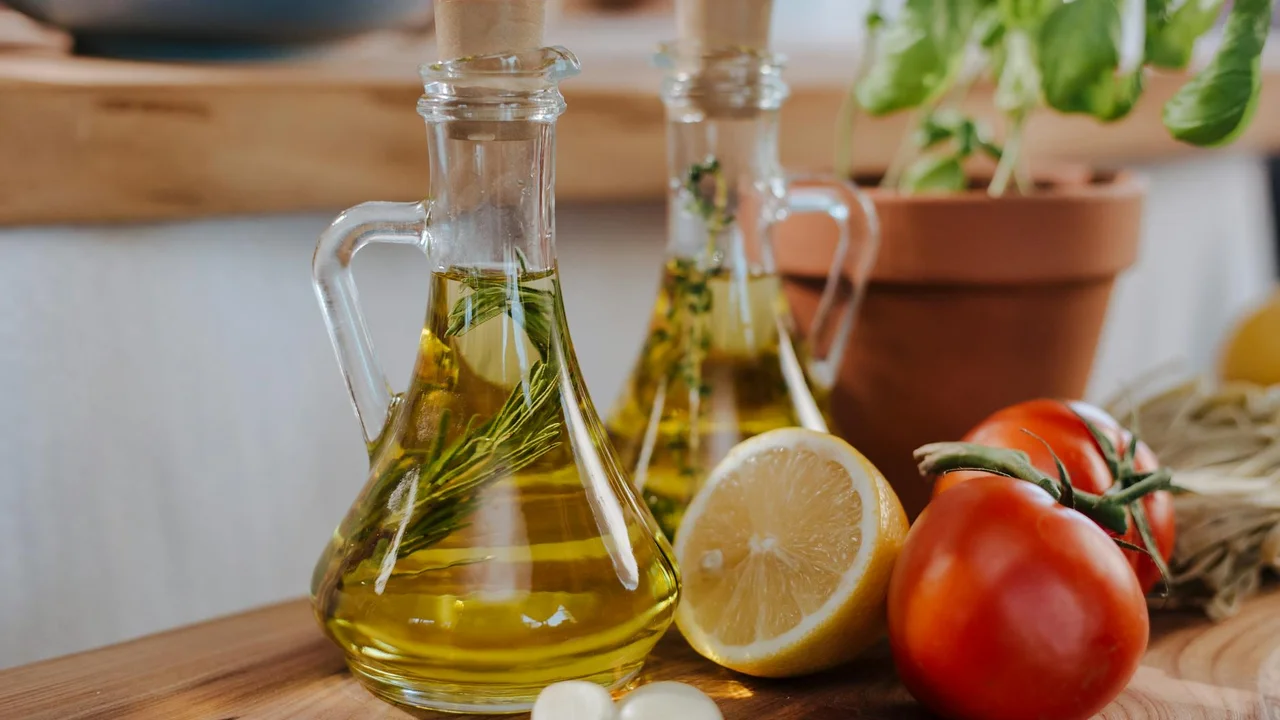
Baking needs two things from an oil. It needs moisture for a tender crumb, and a mild flavor that doesn’t fight the vanilla, chocolate, or spices in your recipe.
You can keep that perfect texture while moving to a different oil you feel better about.
Finding a Simple Vegetable Oil Substitute for Baking
For a direct, one-to-one swap, my favorite is melted coconut oil. I always have a jar in my pantry. Use refined coconut oil for a completely neutral taste, or unrefined for a subtle tropical hint that works wonderfully in banana bread or carrot cake.
Just remember it solidifies when cool. Melt it gently before measuring to get the right amount for your wet ingredients.
A Vegetable Oil Substitute for Brownies
Brownies are forgiving. Melted coconut oil is again my top choice here, as it supports that fudgy, dense texture we all love.
For a different twist, try a light, fruity olive oil. It pairs beautifully with dark chocolate, adding a sophisticated note. I use this in my adult brownie recipe, and it’s always a hit.
The Best Vegetable Oil Substitute for Cornbread
Cornbread often welcomes a richer flavor. Butter will give you those classic, restaurant-style results with a firmer crumb and golden edges.
For a dairy-free option that’s still rich, melted coconut oil works perfectly. If you want something more savory, a mild, buttery olive oil can be a fantastic choice for a Southern-style skillet cornbread.
Using Fruit Purées as a Partial Oil Substitute
Applesauce, mashed banana, or pumpkin purée can replace some of the oil in muffins, quick breads, and some cakes. They add moisture and a hint of natural sweetness.
I usually swap only half the oil to keep the texture right. A full replacement can make things a bit gummy.
Think of fruit purées as a supplement, not a full stand-in, perfect for adding nutrients and reducing overall fat without sacrificing tenderness.
Butter as a Vegetable Oil Substitute
Butter is a classic for a reason. It creates a richer flavor and a more structured, cakelike crumb because it’s solid at room temperature.
You typically use a bit more melted butter than oil-about 1 ¼ cups butter for every 1 cup of oil. Your baked goods may brown more quickly, so keep an eye on the oven.
A Note on Olive Oil in Baking
Don’t be shy with olive oil. A mild, fruity extra virgin olive oil is lovely in citrus cakes, olive oil cakes (of course), and anything with nuts or berries. It’s a great alternative to canola oil in baking.
Its flavor is a feature, not a flaw. I reach for my bottle of a gentle, buttery olive oil when I want my baking to have a warm, complex fruitiness that vegetable oil can never provide. It turns a simple snack into something special.
Best Oils for Searing, Sautéing, and Frying
When you turn up the burner, the oil’s smoke point becomes your most important guide. Think of it like the heat rating on a pan. Push an oil past its smoke point, and it will burn, creating bitter flavors and harmful compounds.
For true high-heat cooking like searing steak or deep-frying, you need oils that stand firm. My top shelf picks are avocado oil, refined safflower oil, refined sunflower oil, and peanut oil. These are your reliable champions.
Extra virgin olive oil is a dear friend, but it prefers a gentler touch. It’s perfect for medium-heat sautéing, where its flavor can shine without being threatened by the flame. It’s not always recommended for high-heat deep frying due to its lower smoke point.
If a recipe simply calls for “vegetable oil for frying,” reach for refined safflower or peanut oil. For everyday cooking, avocado oil is my universal replacement because it works for almost everything.
Here’s a trick from my kitchen: to test if oil is hot enough for frying, dip the handle of a wooden spoon into it. If steady bubbles form around the wood, you’re ready to cook.
High-Heat Heroes
Avocado oil is a star performer. Pressed from the fatty flesh of the fruit, it has one of the highest smoke points available. It handles searing and frying with ease, and it brings a subtly rich, buttery flavor to your food. I use it for roasting vegetables almost every night. It’s also excellent for high-heat cooking and frying thanks to its high smoke point. Its healthy fats and versatile uses make avocado oil a smart pantry staple.
Refined safflower and sunflower oils are your true neutrals. The “refined” process gives them a very high smoke point and a clean, almost invisible taste. They won’t compete with your ingredients. In my experience, they perform very much like canola oil but often come from sources I feel better about.
Flavorful Sautéing Companions
This is where extra virgin olive oil earns its place. Warm it gently in a pan to soften onions or garlic. Its beautiful, peppery notes will infuse the entire dish. It’s not for a ripping hot sear, but for the foundational cooking that builds flavor, it’s unmatched.
Regular sesame oil (often labeled just “sesame oil”) is fine for a quick stir-fry over medium heat. Its nutty aroma is wonderful. But keep your toasted sesame oil far from the heat. That deep, dark oil is purely a finishing drizzle. I keep both in my pantry, side by side, and use the toasted one like a flavor bomb after the cooking is done.
Wellness and Home Uses for Your New Oil Pantry
The beauty of a well-stocked oil shelf is its versatility. Many of the very same oils that make your food delicious can also nourish your skin, hair, and home. It is a simple shift from seeing them as just ingredients to recognizing them as gentle, multi-purpose botanical tools.
Fractionated Coconut Oil: Your Skin’s Lightweight Protector
You might have a bottle of regular coconut oil in your pantry. Fractionated coconut oil is its clear, liquid cousin that stays silky in any temperature. This oil absorbs quickly without greasiness, making it a perfect moisturizer or carrier oil for essential oils. I use it straight from the bottle to soothe my hands after gardening.
Its neutral scent and stable nature mean it will not go rancid quickly on your bathroom shelf. For a simple after-shower body oil, try this:
- Pour a quarter-sized amount of fractionated coconut oil into your palm.
- Add 1-2 drops of your favorite essential oil, like lavender for calm or orange for cheer.
- Rub your hands together and apply to damp skin.
A Simple Hand Scrub from My Apothecary Shelf
If your hands feel rough or dry, look to your cooking oil. My favorite fix is a two-ingredient hand scrub I keep in a small jar by the kitchen sink. It uses olive oil, which is rich in antioxidants that are just as good for your skin as they are for your body.
Here is exactly how I make mine:
- Mix three parts white sugar with one part extra virgin olive oil in a bowl.
- Stir until it looks like wet sand. Add more oil or sugar to get the texture you like.
- Scoop it into a small container with a lid.
To use, take a spoonful, gently rub it over your hands for a minute, and rinse with warm water. Your skin will feel incredibly soft. The scent is mild and earthy, like an olive grove.
Condition Wood with a Drop of Sesame Oil
Do not forget about your home. Wooden spoons, cutting boards, and salad bowls need care to prevent drying and cracking. A tiny bit of food-safe sesame oil can condition wood beautifully, protecting it from moisture and wear.
The nutty, warm aroma is a bonus. Just put a few drops on a soft cloth and rub it into the dry wood. Let it soak in for an hour, then wipe away any excess with a clean cloth. Your board will gain a subtle, healthy glow. I do this for my favorite maple cutting board every few months.
Common Mistakes and How to Avoid Them
Swapping oils in your kitchen is simple, but a few common slip-ups can change your results. Here’s what I’ve learned to watch for.
Using Flavorful Oils in Delicate Baking
That beautiful, unrefined avocado or coconut oil on your shelf has a bold personality. It’s wonderful for savory dishes. In a delicate vanilla cake or sugar cookies, that personality can shout.
The flavor of an unrefined oil will come through in your baked goods, so match the oil’s taste to your recipe. I learned this the hard way with a coconut oil vanilla cake that tasted vaguely of tropical islands-not what I was going for.
For neutral baking, reach for a refined version of the oil, like refined avocado or light olive oil. Their flavors are muted.
Assuming All Olive Oils Have a Low Smoke Point
Many of us reach for extra virgin olive oil for everything. It’s a kitchen hero. But it has a lower smoke point, around 375°F (190°C), which makes it perfect for sautéing, not searing.
Refined or “light” olive oil is processed differently and has a much higher smoke point, often above 465°F (240°C), making it a direct, high-heat substitute for vegetable oil. I keep both types in my kitchen for different tasks.
Check the label. If it says “refined” or “light,” you’re holding a high-heat champion.
Storing Nut Oils Improperly
Oils like walnut, almond, and sesame are delicate treasures. Heat and light are their enemies. Leaving them on the counter next to the stove is a fast track to rancidity.
Store nut and seed oils in the refrigerator to preserve their freshness and prevent them from going rancid quickly. They will thicken up when cold, so just let the bottle sit on the counter for 10 minutes before using.
Think of them like you would nuts themselves-they last longest when kept cool and dark.
Can Coconut Oil Replace Olive Oil?
This is a great question. They can sometimes swap places, but they are different tools. Your choice depends on the job.
Coconut oil is solid at room temperature and has a distinct, sweet aroma. Olive oil is liquid and has a grassy, peppery flavor. Here’s how I use them. For a complete guide on their culinary and cosmetic uses, see the olive oil vs coconut oil ultimate guide.
| Coconut Oil Is Best For: | Olive Oil Is Best For: |
| Baking where a solid fat is needed (like pie crusts). | Salad dressings and finishing dishes. |
| Medium-heat sautéing and stir-fries. | Low to medium-heat sautéing and roasting. |
| Recipes where a subtle coconut flavor is welcome. | Recipes where a fruity, herbal flavor is desired. |
| DIY skin moisturizers and hair treatments. | As a base for herbal infusions for wellness. |
For a direct, one-to-one swap in baking, use refined (odorless) coconut oil if you want to avoid its flavor. In a savory pan fry, a mild olive oil can often step in for coconut oil without issue. It’s all about matching the profile to your dish.
Storing Your Oils to Keep Them Fresh and Effective
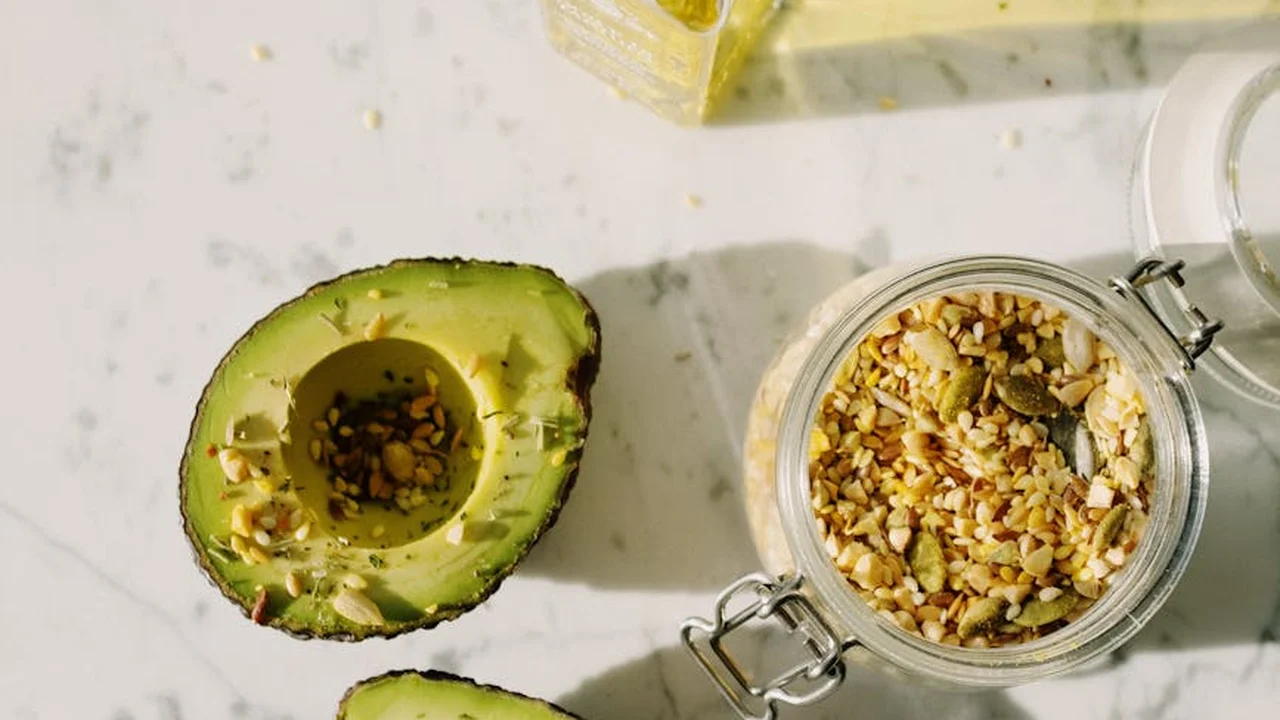
Think of your oils like fresh herbs or good cheese. They are alive, in a way, and their quality fades with time, heat, and light. Treating oil as a perishable ingredient, not a permanent pantry staple, is the single biggest shift you can make for better results in your kitchen and home. On my own oil shelf, I rotate bottles every few months to make sure I’m using the oldest ones first.
Your First and Most Important Rule: A Cool, Dark Home
That pretty bottle next to your stovetop? It’s time to move it. Consistent heat from cooking is one of the fastest ways to break down oil. Find a cupboard away from the oven, dishwasher, or any direct sunlight-a cool, dark spot is your oil’s best friend. This simple step preserves the delicate nutrients and flavors in your avocado, olive, and sesame oils for much longer.
I keep my most-used bottles in a lower cabinet, tucked away from the sink’s warmth. For oils I use less often, a pantry in a cooler part of the kitchen works perfectly.
Which Oils Need a Chill? The Refrigerator Shortlist
Some oils are more delicate than others. Oils that are high in polyunsaturated fats, like omega-3s, spoil quickly at room temperature. Any oil you buy that feels special or expensive, especially nut and seed oils, usually belongs in the refrigerator.
This short list lives on my fridge door:
- Walnut oil (turns bitter quickly)
- Flaxseed oil (not for cooking, very fragile)
- Hemp seed oil (prized for its wellness benefits)
- Grapeseed oil (can go either way, but I chill mine)
- Toasted sesame oil (the toasted flavor fades with heat)
They may become cloudy or semi-solid when cold. This is normal. Just let the bottle sit at room temperature for 10-15 minutes before using, and it will clear right up.
How to Tell if Your Oil Has Turned: The Sniff and Sip Test
Rancid oil doesn’t always look different. Your nose and tongue are your best tools. Fresh oil should smell clean and pleasant-like the seed, nut, or fruit it came from.
A rancid oil will smell stale, waxy, or like old crayons or putty. Sometimes it has a paint-thinner sharpness. If you’re unsure, taste a tiny drop on a spoon.
Follow these steps to check your oil:
- Pour a small amount into a clean spoon.
- Gently warm it with your breath if it’s from the fridge.
- Smell it first. Does it evoke its source, or something off?
- Taste it. Fresh oil tastes clean and true. Rancid oil tastes unpleasantly sharp or bitter and leaves a bad aftertaste.
If an oil fails this test, please don’t use it. Rancid oil has lost its nutritional value and can create free radicals in your body. I compost old oil from my kitchen to avoid waste.
When to Seek Professional Advice
I love experimenting with oils in my kitchen, but some swaps are best made with a guide.
If you’re considering a big change, like moving to a high-fat diet or managing a specific condition, talk to a dietitian or your doctor.
They can give you personalized advice on how different oils interact with your body and health goals.
From my own pantry, I know that using a lot of coconut oil feels different for my system than a light olive oil.
A professional helps you navigate those subtle, important differences safely.
Navigating Nut and Seed Allergies
Many wonderful oil substitutes, like almond or sesame oil, come from common allergens.
If you have a serious allergy, please get professional advice before introducing any new oil into your home.
Cross-contamination in processing is a real risk, and a doctor can help you identify truly safe products.
I keep my kitchen organized to avoid mix-ups, but for severe allergies, that extra layer of medical guidance is non-negotiable.
Guidance for Topical and Aromatic Use
When using oils on your skin or for wellness, the rules change.
For detailed blends meant for massage, inhalation, or skincare, I suggest consulting a certified aromatherapist.
They can teach you proper dilution rates for sensitive skin or how to blend scents for calmness.
A good aromatherapist offers tailored plans, much like how I craft custom oil mixes for friends after a thorough chat.
It’s the best way to ensure your aromatic practice is both effective and gentle on your body.
Quick Answers from a Plant-Based Kitchen
Can I use butter as a direct 1:1 substitute for vegetable oil in any recipe?
Not quite. While you can substitute melted butter for oil, use about 1 ¼ cups of butter for every 1 cup of oil to account for its water content. This swap will give your baked goods a richer flavor and a more cakelike crumb.
Is olive oil a good all-purpose substitute for both cooking and baking?
Yes, with a smart choice. Use refined or “light” olive oil for its high smoke point in frying and neutral baking, and save extra virgin olive oil for medium-heat sautéing or recipes where its fruity flavor is a welcome feature. For baking and general cooking, consider the extra virgin olive oil versatility that adds depth and aroma to both sweet and savory dishes.
What’s the healthiest high-heat oil I can use for everyday cooking?
Refined avocado oil is my top recommendation. It has one of the highest smoke points for safe frying and is rich in monounsaturated fats, making it a stellar choice for both wellness and searing. How does it compare to olive oil, coconut oil, and other cooking oils for health and cooking? That comparison helps you pick the best oil for your kitchen.
How do I adjust a recipe when using applesauce as an oil substitute?
Start by replacing only half the oil with applesauce to keep the texture perfect. This adds moisture and nutrients while avoiding a gummy result in your muffins or quick breads.
Can I reuse oil after frying for another batch?
I don’t recommend it for health and quality. Reheating oil breaks it down further, increasing harmful compounds and transferring flavors from the first batch to the next.
Greasing the Pan with Wisdom
The best swap depends entirely on your dish and desired result, as each oil brings its own unique botanical gift to your kitchen. Let flavor, smoke point, and the character of your meal guide you toward a perfect, wholesome replacement.
I encourage you to treat your kitchen like an extension of your apothecary shelf-a place for thoughtful, nourishing experimentation. Trust the oils, and trust yourself to find what works best for your body and your home.
Industry References
- Out of vegetable oil? Use these pantry staples instead
- Vegetable Oil Substitutes: Here’s What You Can Use Instead | Zero Acre Farms
- What to Substitute for Vegetable Oil – Best Vegetable Oil Substitutes
- The Best Vegetable Oil Substitute and Other Alternatives | Algae Cooking Club
- Substitute for Vegetable Oil: 4 Healthier Options
- Vegetable Oil Substitutes: Health, Frying, Baking, and More
Noemi Kamińska
Noemi is an accomplished wellness researcher, nutrition care guide and body care expert. She has years of experience in formulating various oil combinations for full body wellness including face, hair, body care, essential oils and cooking oils. She works as a bio-formulator working with oil chemistry and analyzing the best formulations when it comes to your needs. Feel free to reach out to get your oil needs sorted.