
Is It Safe to Fry with Olive Oil? Your Practical Guide
I’ve been right there with you, hesitating over a sizzling pan with a bottle of extra virgin olive oil from my own shelf. Let me reassure you: frying with olive oil is not only safe, but with a few simple tips, it can become your go-to kitchen habit.
This guide cuts through the confusion to give you clear, actionable steps for cooking and deep frying. We’ll cover:
- The simple science behind olive oil’s stability at heat.
- How to pick the perfect olive oil from your pantry for each job.
- My tested methods for deep frying that keep food light and crisp.
- Why the rich, peppery scent of a good extra virgin oil belongs in your hot pan.
- Straight answers to the biggest myths that cause kitchen worry.
Key Takeaways: Your Frying Guide at a Glance
Let’s settle this right away. You can absolutely fry with olive oil.
I keep a bottle of good extra virgin and a bottle of pure olive oil right by my stove. They are my daily drivers for everything from sautéing greens to making shallow-fried fritters. The fear around it is a persistent myth.
The safety of frying with olive oil hinges on three main things: its natural stability at heat, its protective antioxidants, and knowing which type to use for which job.
- Smoke Point & Stability: A good oil for frying needs to resist breaking down when heated. Olive oil, especially extra virgin, is naturally stable.
- Polyphenol Power: These are the antioxidants in EVOO. They act like a shield, protecting the oil (and by extension, your food) from oxidative damage during cooking.
- EVOO vs. Refined: Extra virgin olive oil is unrefined, flavorful, and packed with polyphenols. “Pure” or “light” olive oil is refined, has a more neutral taste, and a slightly higher smoke point. Both have their place in your kitchen.
Your cooking method is just as important as the oil you choose. A quick shallow fry for zucchini slices is different from deep-frying a whole basket of fish.
Think of it this way: matching the right oil to the right cooking task is like choosing a carrier oil for your skin-you consider the need, the intensity, and the desired outcome.
What Does “Smoke Point” Really Mean for Your Kitchen?
Smoke point isn’t just a number on a chart. It’s a sensory warning sign. It’s the temperature when the oil gets hot enough that it starts to visibly smoke and break down.
You’ll see it and smell it. That acrid, burning scent means the oil’s fats are degrading, creating compounds you don’t want in your food or lungs.
If your oil is smoking, your pan is too hot. Simply turn off the heat, carefully move the pan to a cool burner, and let it cool down before you continue.
Here’s a quick comparison of common frying oils you might have in your pantry:
A high smoke point is useful, but it’s not the whole story. Oxidative stability is what really matters. This is how well an oil resists reacting with oxygen and breaking down into harmful substances when heated. It’s different from smoke point, which is just one factor in oil degradation.
Due to its monounsaturated fat structure and antioxidants, a quality olive oil remains remarkably stable during frying, even if another oil has a higher listed smoke point.
The True Smoke Point of Extra Virgin Olive Oil
Many people are surprised when I tell them. A good quality extra virgin olive oil has a smoke point of about 410°F (210°C). That’s much higher than the old “low heat only” advice would have you believe.
“Virgin” means it’s the first pressing, unrefined. This process leaves all the flavorful, beneficial compounds intact. Those very compounds, like polyphenols and vitamin E, help guard the oil against heat.
I use this comparison to build confidence: butter smokes and burns around 300°F (150°C). If you can cook with butter, you can certainly cook with robust EVOO.
Finding the Perfect Olive Oil Frying Temperature
For perfect golden results, aim for an oil temperature between 350°F and 375°F (175°C to 190°C). This range is hot enough to seal food quickly without absorbing too much oil, but not so hot that it risks burning the oil. It’s important to test the oil temperature before frying.
No thermometer? Use the bread cube test. Drop a 1-inch cube of plain bread into the hot oil. If it turns a rich golden brown in 45 to 60 seconds, your oil is in the perfect 350°F-375°F zone.
Monitoring your heat is the single most effective thing you can do for safer, better frying. It keeps your oil in its happy, stable zone.
Extra Virgin vs. Regular: Which Olive Oil for the Pan?
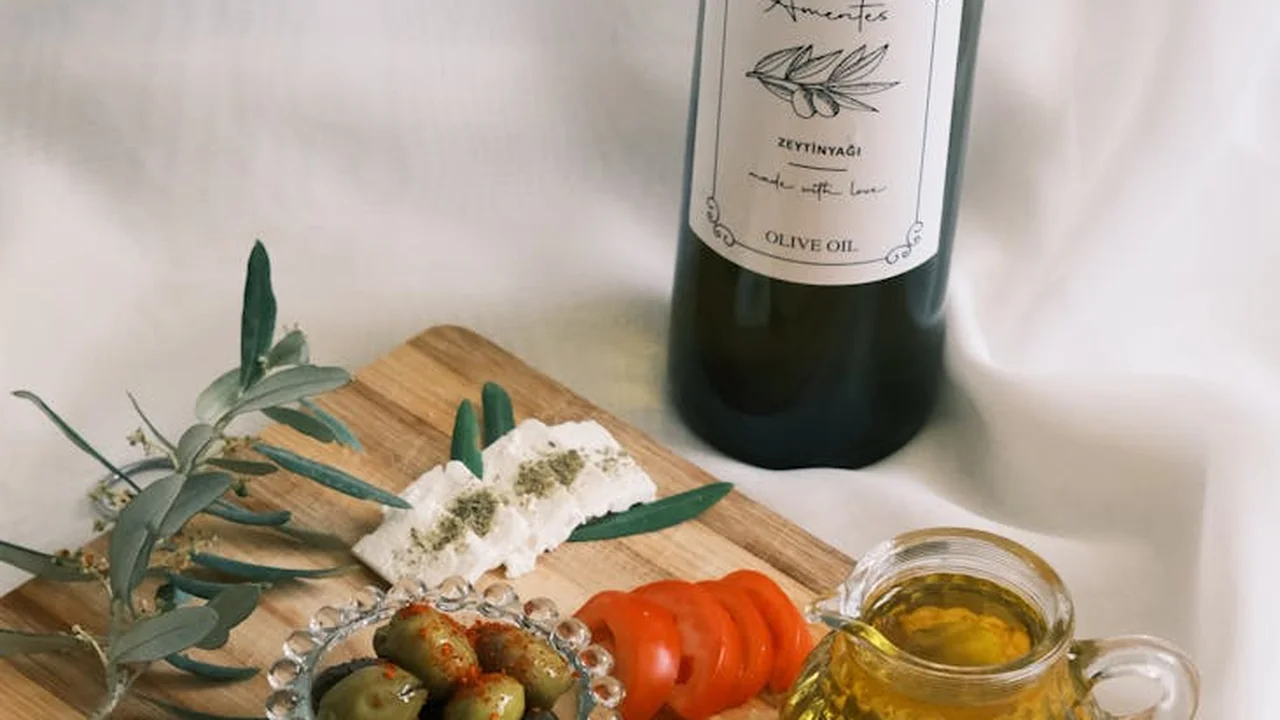
Extra virgin olive oil is like the first, vibrant press of the olive fruit. It has a green, grassy aroma and a robust, peppery flavor you can taste. It’s important to understand the difference between virgin and extra virgin olive oil to appreciate its quality.
Regular or “pure” olive oil is more refined. This process gives it a much milder, smoother taste that sits quietly in the background.
Both are completely safe for frying. I keep both types in my kitchen cabinet because they serve different, wonderful purposes.
Your decision comes down to the flavor you want and the size of the job.
For deep frying large batches, I always use regular olive oil. It’s more affordable, so I don’t hesitate to fill my Dutch oven.
Save your special bottle of extra virgin for shallow frying. A simple drizzle lets its complex character shine right onto your plate.
When to Choose Extra Virgin Olive Oil for Frying
I reach for my extra virgin oil to pan-sear a steak or salmon fillet. It creates a gorgeous, flavorful crust.
It’s perfect for sautéing summer vegetables or shallow frying fresh breaded fish. The oil’s fruity notes become part of the meal.
This oil contains natural polyphenols. Think of them as built-in protectors that help guard the oil against heat.
The antioxidants in extra virgin olive oil make it more stable during cooking than many people realize.
Can you fry in extra virgin olive oil? You certainly can. I use it for quick, hot cooking all the time.
When to Choose Regular or Pure Olive Oil
Choose regular olive oil for deep-frying potato wedges or chicken tenders. Its neutral profile lets the food’s own flavor come through. For other types of frying, like chicken, fish, steak, or French fries, you might want to explore different oils that are better suited.
It typically has a slightly higher smoke point than extra virgin. This means it can handle the sustained heat of a full pot without smoking quickly.
Use regular olive oil when you need a large volume of oil that won’t impart its own strong taste.
In my home, this is the workhorse oil for bigger, neutral-flavor frying projects. It’s a practical and reliable choice.
Your Step-by-Step Guide to Frying with Olive Oil
Think of this as your kitchen protocol, a simple series of steps I follow in my own home to get great results every single time.
First, your tools matter. A heavy-bottomed pan, like cast iron or a thick stainless steel skillet, is your best friend. It distributes heat evenly, preventing those frustrating hot spots that can burn your oil.
Next, heat the oil properly. Pour in enough extra virgin olive oil to generously coat the pan bottom. Let it heat over medium to medium-high heat until it shimmers. You can test it with a single breadcrumb or the edge of your food-it should sizzle gently on contact.
The most common mistake is crowding the pan, which steams food instead of frying it. Give each piece its own space. Work in batches if you need to, keeping cooked pieces warm in a low oven.
Now, let’s apply this to your specific questions about frying chicken, steak, and fish without flour.
How to Pan-Fry a Steak in Olive Oil (Oven or Stovetop)
For a gorgeous crust, start with a steak that’s patted completely dry with a paper towel. This is non-negotiable for a proper sear.
Heat a generous pour of extra virgin olive oil in your cast iron skillet over medium-high heat. When the oil shimmers, lay the steak down. You should hear a confident, immediate sizzle.
Sear without moving it for a few minutes per side to build that flavorful, browned crust.
To finish, I often add a pat of butter, a smashed garlic clove, and a sprig of rosemary to the pan, basting the steak with the fragrant, foaming butter for the last minute of cooking.
For an oven method, sear the steak in the EVOO on the stovetop as described, then transfer the entire hot skillet to a preheated oven (about 400°F) to roast until it reaches your desired doneness.
How to Pan-Fry Chicken to Golden Perfection
Crispy skin starts in the fridge. Pat your chicken pieces (with skin on) dry and leave them uncovered on a plate for an hour before cooking. This air-dries the skin, which is the secret.
Heat your extra virgin olive oil in that heavy pan over medium heat. Place the chicken in skin-side down. Do not move it. Let it cook gently until the skin is deeply golden and releases easily from the pan. This can take a good 10-12 minutes.
Flip and finish cooking until the juices run clear.
If your spice rub or marinade is very bold, using a regular, pure olive oil instead of EVOO lets those seasonings shine without competing with a strong olive fruit flavor.
How to Fry Fish in Olive Oil Without Flour
For a light, crisp coating that’s naturally gluten-free, I skip flour entirely. I keep a jar of fine semolina or cornmeal right next to my stove for this.
Pat your fish fillets dry, then lightly dredge them in the semolina, tapping off any excess. The coating will be subtle, not thick and bready.
The key here is medium heat to cook the delicate fish through without risking any bitterness from the oil.
Heat your extra virgin olive oil until shimmering, then add the fish. It should sizzle softly. Cook for a few minutes per side until the coating is pale gold and the fish flakes easily. The result is beautifully tender inside with just a hint of delicate crunch.
Are Fried Foods in Olive Oil Actually Healthy?
Let’s get straight to the crispy center of it. Are those potatoes fried in olive oil a health food? I see this question all the time. The answer isn’t a simple yes or no.
Frying does add fat and calories, of course. But the type of fat matters immensely. Olive oil brings a wealth of good monounsaturated fats to your pan, fats that support heart health and stable energy. This is a world away from frying in unstable, highly processed seed oils.
On my own shelf, I keep a robust, less expensive extra virgin oil just for cooking. It makes a real difference. When you heat unstable oils, they oxidize quickly. This creates compounds you don’t want in your body. Olive oil stands up to the heat with far more grace.
Beyond that, the food you choose to fry is the other half of the story. Slicing fresh zucchini or sweet potato for a quick pan-fry is a nutrient-packed choice. Dipping processed foods in a heavy batter is a different culinary experience altogether. The oil is just one part of the whole picture.
How Heat Affects Olive Oil’s Nutrients
Heat changes oil, there’s no getting around it. Think of a fresh, green, peppery extra virgin olive oil. Some of those bright, aromatic compounds are delicate.
The heat-sensitive antioxidants and polyphenols, which are so wonderful in your salad dressing, will diminish with prolonged high heat. The core strength of olive oil, its stable oleic acid, remains largely intact through cooking. This stable monounsaturated fat is what makes it a reliable cooking companion. Curious which popular olive oil brands are best for cooking and dressings? A detailed health-focused comparison can guide your choice.
What I appreciate most is the comparison. Olive oil degrades much slower than many other plant oils when heated. It resists smoking and breaking down. This slower degradation means you preserve more of the oil’s inherent benefits compared to using a less stable fat. You’re still getting a better foundation for your meal.
Can I Deep Fry in Olive Oil? The Honest Truth.
Yes, you can deep fry with olive oil. I do it in my own kitchen.
That answer might surprise you. Many home cooks think olive oil is too delicate for the fryer. The truth is, a good olive oil has a high enough smoke point and the stability to handle the heat. The real questions are about which type to use and when it makes sense.
Weighing Your Options: Cost, Flavor, and Oil Type
Before you pour that beautiful bottle into the fryer, pause. Consider three things.
First, cost. Deep frying needs a lot of oil. Using an expensive, first-press extra virgin olive oil is like using a fine facial oil to clean your countertops. It works, but it’s a luxurious waste of a nuanced product.
Second, flavor. Extra virgin olive oil has a pronounced, fruity, sometimes peppery taste. That flavor will infuse your food. For delicate items like french fries or tempura, a neutral oil lets the main ingredient shine. For fried chicken or zucchini fritters, that robust olive flavor can be delicious.
For deep frying, I reach for a pure or light olive oil, not my best extra virgin. These versions are more refined. They have a higher smoke point (around 465°F) and a much milder taste. They are the workhorse olive oils, perfect for this job. When you’re cooking eggs—whether scrambling, frying, or poaching—the choice between olive oil and vegetable oil matters for flavor and texture. A quick comparison helps you pick the best oil for eggs.
A Simple Tip for Frying at Home
You don’t need a giant, professional fryer. My method saves oil and feels less daunting.
Choose a smaller, deeper pot, like a sturdy saucepan. A narrow vessel needs less oil to achieve a depth suitable for submerging food. You’ll use maybe two or three cups instead of a whole liter. This feels more manageable and cuts down on waste if you’re not frying often.
Just ensure your pot is stable on the burner and never fill it more than halfway with oil. Hot oil needs room to bubble up safely when you add food.
Why I Don’t Reuse Olive Oil for Frying
I see this question a lot. My advice is firm: don’t reuse olive oil for a second deep-fry session.
Every heating cycle breaks the oil down. It oxidizes. You can see it darken and smell it becoming pungent. Reusing degraded oil introduces free radicals to your food, which is the opposite of the wellness benefit we seek from good oils.
When I’m done frying, I let the oil cool completely in the pot. Then I strain it through a few layers of cheesecloth into a jar. This now-once-used oil gets labeled and lives in my fridge. I use it within a week or two for sautéing vegetables or as a base for a marinade, where its cooked flavor is an asset. It never goes back into the deep fryer.
The Careful Art of Reusing Olive Oil After Frying
I understand wanting to stretch a good bottle of oil. You can reuse it, but it asks for a bit of mindful care, like tending to a plant.
Treating the oil with respect after frying keeps it safer and tasting better for a next use.
Safety-First Steps for Reuse
Right after frying, let the oil cool completely to a safe, warm temperature.
Then, follow these simple steps. They make all the difference.
- Strain it well. Pour the cooled oil through a fine-mesh sieve or a few layers of cheesecloth into a clean bowl. This catches any stray breadcrumbs or food particles that can burn and spoil the oil faster.
- Store it right. I keep my strained oil in a dark glass bottle or jar, not a clear one. Light degrades oil. Tuck it in a cool, dark cupboard, not on the counter by the stove.
- Give it the sniff test. Before you even think of reheating it, take a good smell. Fresh olive oil should smell pleasant, maybe fruity or grassy. If it smells sharp, bitter, or just “off,” its time is done. Trust your nose.
Two Firm Rules You Should Not Bend
Some oils are past saving. For your health and for good flavor, follow these two rules without exception.
Never reuse oil that smoked heavily during its first fry. That smoke means the oil has started to break down in a way you can’t reverse. Those changed compounds aren’t good for you.
Never reuse oil that fried fish or other very pungent foods. That flavor is locked in. It will transfer to whatever you cook next, and the oil itself degrades faster from those proteins.
How Many Times is Okay?
This isn’t about pushing a limit. It’s about honoring quality.
I suggest reusing a batch of olive oil a maximum of one or two times after its first fry. Each heating cycle changes the oil’s structure a little more.
By the second reuse, you might notice the color is darker and the smoke point is lower. That’s your cue. I pour spent oil into a sealed container and dispose of it with my regular trash, never down the drain.
Your food will taste brighter, and you’ll cook with more confidence, knowing you’re using the oil at its best.
What Happens to Flavor When Olive Oil Meets Heat?
Think of a high-quality extra virgin olive oil like a fresh herb, such as rosemary or basil. It has bright, green, sometimes peppery notes right out of the bottle.
When you introduce gentle heat, something lovely happens. That sharp, peppery kick softens and rounds out.
The heat polishes the flavor, leaving behind a nutty, buttery richness that forms a beautiful base for your food. It’s a transformation, not a loss.
This is exactly why many professional kitchens keep two bottles of good EVOO on hand. One is for drizzling raw over finished dishes to showcase its vibrant character.
The other is their secret weapon for sautéing and pan-frying, where that warm, rounded flavor builds the foundation of a sauce or a sauté.
If you watch the oil carefully and keep it from smoking, this flavor evolution is completely normal. It’s a sign you’re using the oil correctly within its range.
Will Frying with Olive Oil Make My Food Taste Funny?
This is a very common worry. I hear it all the time from friends just starting to cook with good oils.
They fear their pancakes or chicken cutlets will suddenly taste like a Greek salad.
Let me put that fear to rest. A properly heated extra virgin olive oil does not impart a strong, “olive-y” flavor to your food.
The result is simply a richer, more rounded, and deeply satisfying taste compared to a neutral oil. It adds a subtle complexity that makes simple foods like fried eggs or potatoes truly special.
If you’re hesitant, I have a favorite little test from my own kitchen. Before you commit to a whole batch, try a single piece of plain bread.
Heat a tablespoon of your EVOO in a pan over medium heat, then fry that one piece of bread until golden. Let it cool for a moment, then taste it.
You’ll experience firsthand how the oil’s flavor transforms into something warm, toasty, and utterly delicious. It’s the best way to build your own confidence.
Choosing Your Champion: What to Look for in a Frying Olive Oil
Think of choosing an oil like selecting a herb from your garden. You want the freshest, most vibrant one for the job.
Start with the Bottle: A Tale of Two Clues
First, look for a harvest date. Olive oil is a fruit juice, not a timeless commodity. Fresher oil has more protective antioxidants. I always reach for the most recent harvest on my shelf.
A harvest date is your best guarantee of a fresh, stable oil that can handle the heat.
Next, check the bottle. Clear glass or plastic lets in light, which degrades oil quickly. A dark green or amber glass bottle acts like sunglasses, shielding your oil. It’s a simple sign the producer cares about quality from grove to kitchen.
Match the Oil to Your Heat
Not all olive oils are the same for cooking. Their personality changes with processing.
For pan-frying, searing, or sautéing, I love a robust extra virgin olive oil. Look for words like “early harvest” or “high polyphenol.” These oils have a bold, sometimes peppery flavor and a high smoke point from their natural antioxidants. They leave a beautiful flavor on roasted vegetables or a seared chicken breast.
A high-quality extra virgin olive oil is a finishing oil and a superb medium-heat cooking oil all in one.
For deep frying, you need a different teammate. A “pure olive oil” or “olive oil” (which is a blend of refined and virgin oils) is perfect. It has a neutral, buttery flavor and a consistently high smoke point. It won’t overpower your food. This is what I use for homemade potato chips or doughnuts.
You now have the knowledge to walk into any store and pick the right bottle. You can confidently use olive oil for almost everything in your skillet and your deep fryer.
Your Olive Oil Frying Questions, Answered
Is frying with olive oil a healthy choice?
Yes, especially compared to many seed oils or vegetable oils. Olive oil is rich in stable monounsaturated fats and antioxidants, which help it resist breaking down into harmful compounds during cooking.
Can I use extra virgin olive oil for all my frying?
You can, but I recommend saving your best EVOO for lower-volume tasks like sautéing or pan-searing. For deep-frying larger batches, a pure or light olive oil is a more cost-effective and neutral-tasting choice.
What’s the ideal frying temperature for olive oil in Celsius?
Aim for 175°C to 190°C for perfect results. This range is hot enough to seal food quickly but stays safely below the smoke point of a quality oil.
How do I fry fish without flour using olive oil?
Pat your fish fillets dry and use a fine coating of semolina or cornmeal. Fry in shimmering extra virgin olive oil over medium heat for a light, crisp, and gluten-free result.
Should I use olive oil to finish a steak in the oven?
Absolutely. After searing your steak in EVOO on the stovetop, transfer the pan to a hot oven. The oil helps conduct heat evenly for a perfect, juicy interior.
Olive Oil in Your Hands-On Kitchen
The core lesson is to fry with confidence using a quality extra virgin olive oil, but always mind the heat. This respectful practice honors the oil’s nature, much like how I choose a stable carrier oil for a soothing body blend in my own cabinet.
I share more practical, plant-based wisdom like this on our blog for your body, skin, hair, and home. Trust this advice and your growing intuition as you experiment.
Deep Dive: Further Reading
- Cooking With Olive Oil: Should You Fry and Sear in It or Not?
- r/Cooking on Reddit: Olive Oil for frying, dangerous?
- IS IT SAFE TO FRY WITH OLIVE OIL?
- Cooking oils: Should I use olive oil for frying? How to choose the right bottle
- Is Frying with Extra Virgin Olive Oil Safe? – McEvoy Ranch
Noemi Kamińska
Noemi is an accomplished wellness researcher, nutrition care guide and body care expert. She has years of experience in formulating various oil combinations for full body wellness including face, hair, body care, essential oils and cooking oils. She works as a bio-formulator working with oil chemistry and analyzing the best formulations when it comes to your needs. Feel free to reach out to get your oil needs sorted.