
What Are the Best Oils for Frying Chicken, Fish, Steak, French Fries, and Turkey?
I know the frustration of hoping for crispy chicken only to pull a soggy batch from the oil. The right oil choice is your secret weapon for golden, delicious results that are never greasy.
My years of kitchen experience have taught me that matching the oil to the food is key for perfect frying.
- Choosing oil for crispy fried chicken
- Selecting oil for flaky, tender fish
- Picking oil to sear a juicy steak
- Finding oil for golden french fries
- Opting for oil to fry a flavorful turkey
Key Takeaways
Getting your frying oil right is more than a cooking step. It’s the foundation for flavor and safety.
- A high smoke point oil is your best defense against a burnt, bitter meal and a smoky kitchen. When oil smokes, it breaks down.
- Neutral-tasting oils like canola let the natural flavor of your chicken or fish shine through.
- Some oils add their own magic. Peanut oil gives fried chicken a subtly nutty, golden crust I truly love.
- Health is shaped by how you treat the oil. Reusing oil too many times or heating it past its smoke point creates compounds you don’t want.
- Store your oils in a cool, dark place. This simple habit preserves their quality and saves you money.
Quick Snapshot: Frying Oils at a Glance
This table is my go-to reference when I’m deciding what to pour into my cast iron skillet.
| Oil | Approx. Smoke Point | Best For | Flavor Note | Why I Keep It On My Shelf |
|---|---|---|---|---|
| Avocado Oil (Refined) | 520°F (High) | Steak, turkey, french fries | Very mild, buttery | My top choice for high-heat searing when I want a clean taste. |
| Peanut Oil (Refined) | 450°F (High) | Chicken, stir-fries, egg rolls | Hint of nuttiness | It creates a classic, crisp texture for weekend frying projects. |
| Light/Refined Olive Oil | 465°F (Medium-High) | Pan-frying fish, sautéing | Neutral | A versatile, affordable workhorse that handles everyday frying well. |
| Canola Oil | 400°F (Medium-High) | French fries, general frying | Neutral | It’s reliable, budget-friendly, and perfect for large batches. |
| Refined Coconut Oil | 400°F (Medium-High) | Plant-based frying, some baked goods | Very slight sweetness | I use it for a dairy-free option that adds a different character to vegetables. |
| Extra Virgin Olive Oil | 325-375°F (Low-Medium) | Low-heat sauté, finishing | Fruity, peppery | Never for deep frying. I keep it for drizzling after cooking to add fresh flavor. |
Think of smoke points as a guide, not a fixed number. An oil’s quality and how many times you’ve used it change its stability.
Why Smoke Point Matters: The Science of Sizzle
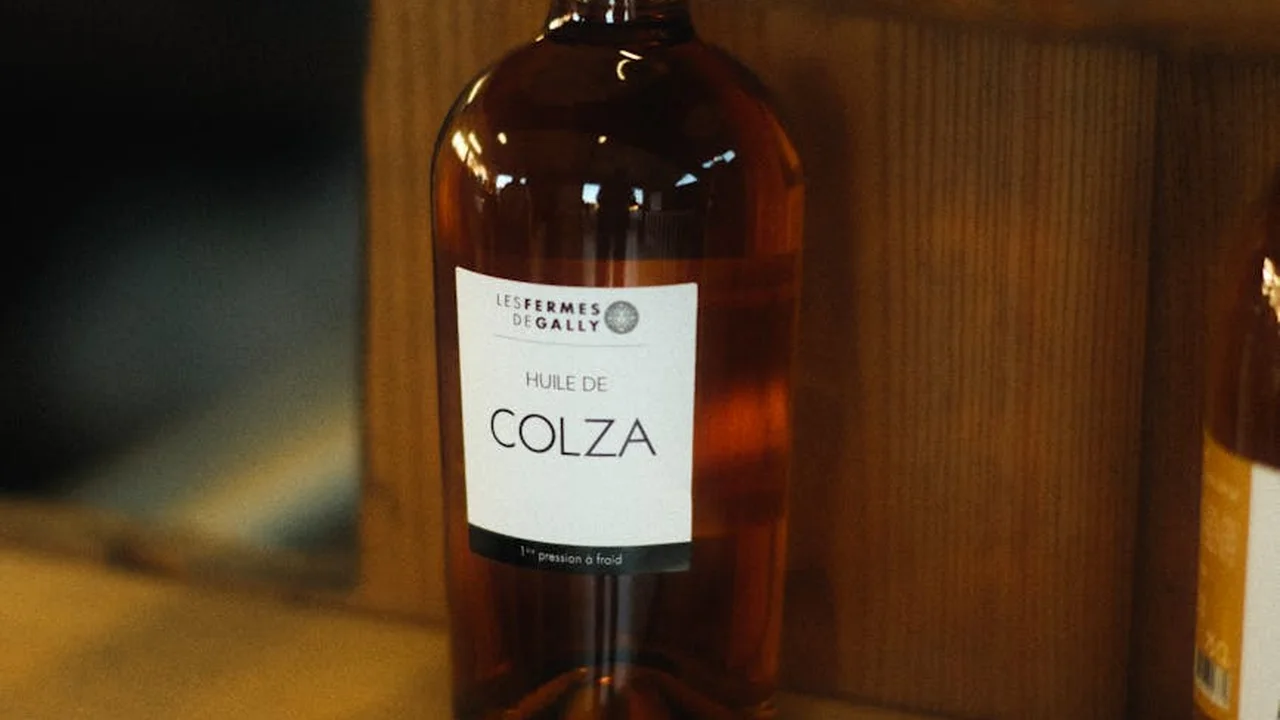
Let’s talk about smoke point. In simple terms, it’s the temperature where your oil starts to burn and smell bad.
I like to compare it to water. Water boils at 212°F and turns to steam. Oil, when it gets too hot, doesn’t boil. It smokes.
Frying food requires serious heat. You must use an oil with a high smoke point to avoid filling your kitchen with acrid smoke and coating your food in bitter flavors. More importantly, when oil smokes, it breaks down and can create harmful compounds. That’s a sign it’s no longer good for you or your meal.
For safe, effective frying, look for oils that stay stable at very high temperatures. These are the champions with smoke points at 450°F and beyond. In my own kitchen, I reserve a special section of the shelf for these high-heat workhorses.
- Refined Avocado Oil (around 520°F): This is my personal favorite for searing a steak. It has a clean, neutral profile and incredible stability.
- Refined Safflower Oil (often above 510°F): A fantastic, light option that won’t impart any flavor to your french fries or turkey.
- Refined Sunflower Oil (typically over 450°F): A reliable and accessible choice for frying chicken or fish.
Refined vs. Unrefined: Picking the Right Oil Type
Think of refined and unrefined oils like two different tools in your kitchen. One is your heavy-duty workhorse. The other is your delicate finishing tool.
Refined oils are processed to remove impurities and natural compounds. This gives them a higher smoke point for safe high-heat frying and a very neutral flavor. Cold-pressed oils retain more nutrients and flavor but typically have a lower smoke point. Understanding the difference between cold-pressed and refined oils helps you choose the right oil for flavor, nutrition, and cooking method. Choose a refined oil when you need an oil that can handle the heat without burning or overpowering your food. My shelf always has a bottle of refined avocado oil for big frying jobs.
Unrefined oils, like extra virgin olive oil or unrefined coconut oil, are less processed. They retain more of their natural color, nutrients, and distinctive flavor. Their smoke points are lower. Use unrefined oils for lower-temperature cooking or to add a finishing flavor after the cooking is done.
Putting This into Practice
For that large holiday turkey needing a long fry, a refined oil is your only safe bet. Refined peanut or high-oleic sunflower oil are classics, but my go-to is refined avocado oil for its exceptionally high smoke point.
For a pan-seared steak, you can use a refined oil to get a great sear. But try this: after resting the steak, drizzle it with a tiny bit of a robust, unrefined oil. A peppery extra virgin olive oil or a nutty unrefined sesame oil adds a wonderful final layer of flavor.
What About Coconut Oil for Frying?
This is a perfect example of why the refined vs. unrefined choice matters so much.
Refined coconut oil has a neutral taste and a high smoke point around 400°F. Yes, you can absolutely use refined coconut oil for frying chicken, fish, or fries. It creates a crisp finish without a coconut flavor.
Unrefined (virgin) coconut oil has a lovely tropical aroma and a lower smoke point. It will burn at frying temperatures and flavor your food distinctly. I save my precious jar of unrefined coconut oil for low-heat sautéing or making popcorn.
The Best Oils for Frying Chicken, Fish, Steak, Fries, and Turkey
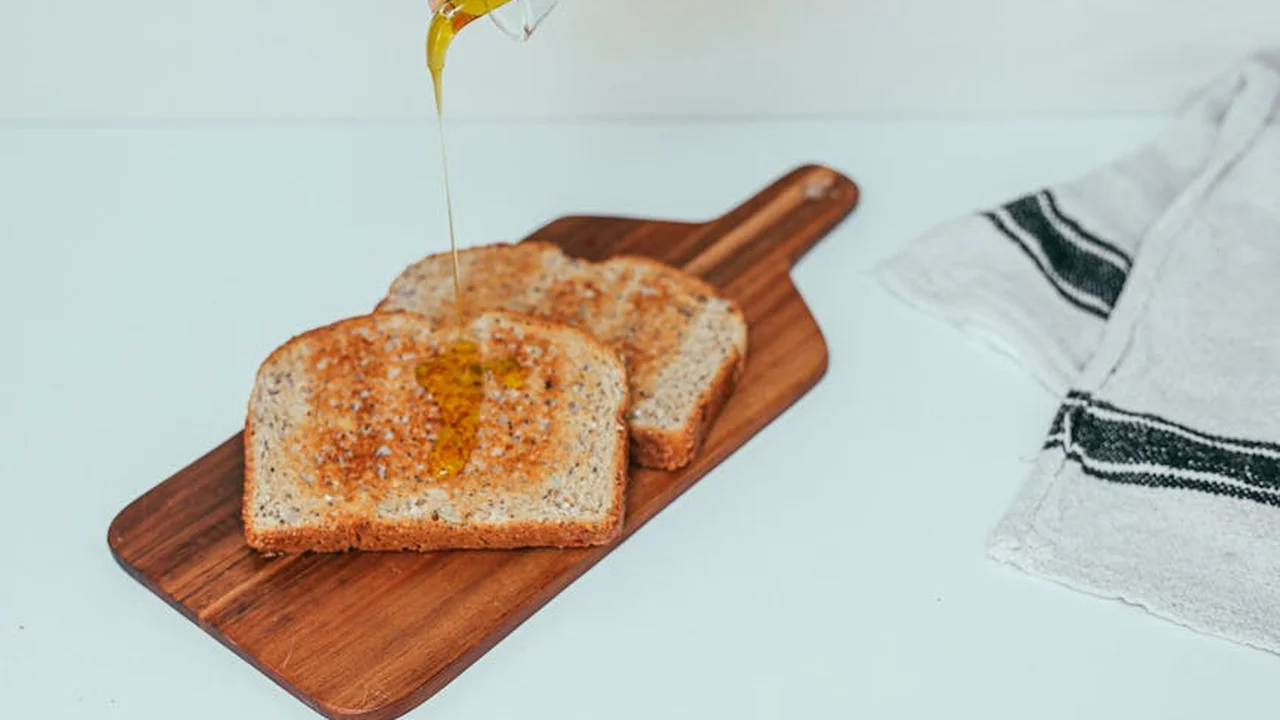
For Crispy, Juicy Chicken
The goal is a golden crust that shatters, with tender meat inside. You need an oil that laughs at high heat.
For deep frying, my go-to oils are peanut or refined avocado oil. They have a high smoke point and a clean, neutral taste that lets your seasoning shine.
People often ask, can chicken be fried in olive oil? For a deep fry, I would not. But for pan-frying a cutlet, light olive oil (refined) works well over medium-high heat.
Save your robust extra virgin olive oil for finishing; its delicate flavors break down in a hot fry.
My tip: if you are using a buttermilk brine, a neutral oil is best. It prevents any competing flavors and gives you that classic, nostalgic taste I love from my own kitchen.
For Flaky, Non-Greasy Fish
Delicate fish needs a gentle hand and a very clean oil. You want to hear a crisp sizzle, not a soggy sputter.
Look for oils with high smoke points and no strong flavor. Rice bran oil and high-oleic sunflower oil are perfect here. They create a light, crisp barrier.
Can fish be fried in olive oil? A quick pan sear in regular olive oil over medium heat can be lovely for a firm fillet. Keep it quick.
Avoid robust or unrefined oils like toasted sesame or extra virgin olive oil; their powerful taste will overpower the subtle sweetness of the fish.
I always keep a bottle of rice bran oil on my shelf just for seafood nights. It is a secret for a restaurant-quality finish at home.
For a Perfectly Seared Steak
Searing a steak is about creating a flavorful crust through high, direct heat. The oil is your tool, not the star.
I reach for refined safflower or grapeseed oil. Their high smoke point means they will not burn and turn acrid when your pan is screaming hot.
Can I cook steak in olive oil? You can, but choose the moment. A very hot pan and a quick sear with a robust extra virgin olive oil can add a wonderful fruity note. Just be ready for a bit of smoke.
The right oil should let the meat’s aroma lead, with a steady, hissing sear that smells deeply savory, not burnt.
You will know it is working when you hear a confident, steady sizzle the moment the steak hits the pan. That sound is pure kitchen magic.
For Golden, Crispy French Fries
The secret to perfect fries is the double-fry method. The oil choice supports this ritual.
You need a stable, neutral oil you can use in volume. Canola oil is a top, affordable choice for deep frying. Peanut oil is another classic that adds a subtle nutty richness.
The first fry at a lower temperature cooks the potato through. The second, hotter fry creates that irresistible golden crunch.
After you are done, let the oil cool completely. Strain it through a fine mesh or cheesecloth into a clean jar. I keep mine in the fridge.
You can reuse this oil for another batch of fries or savory fritters. Do not use it for delicate foods like fish-it will carry the potato flavor forward.
For a Safe, Succulent Turkey
Frying a turkey is exciting, but safety is the only priority. The wrong oil can overheat and become a serious hazard.
You must use an oil with a very high smoke point. Refined peanut oil and high-oleic sunflower oil are my trusted choices here. They are built for this job.
I avoid butter, unrefined coconut oil, or any oil labeled “extra virgin” or “unrefined.” Their smoke points are too low for this volume of heat.
Always, always check your oil temperature before the turkey goes in. An overfilled pot or a bird that is not fully thawed can cause dangerous overflow.
Here is my step-by-step check: use a reliable thermometer. Heat the oil to your target temperature (often 350°F). Turn off the heat. Slowly and carefully lower the turkey in. The oil will bubble vigorously. If it looks like it might crest the rim, stop immediately.
This moment of patience ensures your feast is remembered for all the right reasons.
The Healthiest Oils for Deep Frying
When choosing an oil for the fryer, I look for two main things: a high smoke point and stable fats. Oils rich in monounsaturated fats are my go-to because they handle heat well without breaking down quickly.
My Top Picks: Avocado and High-Oleic Oils
In my kitchen, avocado oil is a champion. It has a beautifully high smoke point, around 520°F, which gives you a wide safety margin. It fries cleanly, leaving less greasy residue on foods like chicken or fries. It’s a reliable choice for high-heat cooking, frying, and searing. Its health benefits and versatility make it a go-to oil for many uses, from sautéing to roasting.
High-oleic sunflower or safflower oil is another smart choice. “High-oleic” means it’s been bred to be rich in stable monounsaturated fats, similar to olive oil, but with a much higher smoke point for frying.
These oils resist turning into harmful compounds better than many alternatives because of their stable fat structure.
What the Community Says
If you read discussions online about the best frying oils for health, a few names come up again and again. Avocado oil is consistently praised for its performance and stability.
Many home cooks also recommend peanut oil for its neutral taste and good heat tolerance. The conversation often highlights that the healthiest frying isn’t just about the oil you start with, but how you treat it. This is especially true when choosing between peanut oil and sesame oil for flavor profiles and best uses in Asian cuisine.
The collective wisdom points to using fresh oil, keeping temperatures steady, and never reusing oil too many times.
Your Technique Matters Most
A pristine oil won’t stay healthy if you overheat it. Watch for that wisp of blue smoke-that’s your cue the oil is breaking down. Letting it smoke introduces compounds you don’t want in your food.
I always filter my oil after it cools. I pour it through a fine-mesh sieve lined with a coffee filter into a glass jar. This removes food bits that can burn and spoil the oil faster during the next use.
Proper care lets you safely reuse oil a few times, making premium choices like avocado oil more economical.
A Note on Refined Seed Oils
You’ll see common vegetable oils like canola or soybean on store shelves. They are highly refined, which gives them a high smoke point, but there’s debate about their fatty acid profile. Understanding health benefits and nutritional values matters when choosing oils for cooking or skincare. People often compare sunflower oil and canola oil for their smoke points and skincare applications.
Some experts express concern that their high polyunsaturated fat content makes them more prone to oxidation when heated repeatedly. In my own routine, I prefer to use oils that require less processing for my high-heat cooking.
For the occasional fry, it’s likely fine, but for regular use, I personally reach for the more stable options on my shelf.
How to Store Frying Oil and Make It Last
Treating your frying oil with care is just like looking after a precious botanical infusion. Good storage keeps it stable and ready for your next kitchen project.
I keep a dedicated glass jar next to my stove for this very purpose. Following a few simple steps makes all the difference.
The Steps for Storing Oil Properly
- Cool It Down Completely. Never pour hot oil into a storage container. Let it sit until the pot is warm to the touch, not hot.
- Strain Every Time. Use a fine-mesh sieve lined with a coffee filter or cheesecloth to catch all the tiny burnt bits. Those crumbs will make your oil go rancid faster.
- Store It Right. Put the strained oil into a clean, airtight container. Keep it in a dark cupboard, away from heat and light.
Straining after each use is the single most effective thing you can do to extend your oil’s life. It removes the food particles that speed up spoilage.
Choosing Your Storage Container
Your container matters. You want something that seals tightly and blocks light.
I prefer a sturdy glass jar with a tight-fitting lid. A mason jar works perfectly. Glass doesn’t hold onto smells or react with the oil. Just make sure it’s kept in a dark pantry.
A dedicated, lidded metal pot or tin is another great choice, especially if you have counter space away from light. Metal blocks light completely. Avoid plastic, as it can absorb odors and may leach chemicals into the warm oil.
How Many Times Can You Reuse Frying Oil?
There’s no single answer. It depends entirely on what you cooked. Cleaner foods let you reuse oil more times.
| What You Fried | Times You Can Reuse | Notes |
| French Fries or Doughnuts | 2 to 4 times | These are simple foods. The oil stays relatively clean if strained well. |
| Chicken or Turkey | 2 to 3 times | Breading can leave more residue. Watch for color and smell after each use. |
| Steak or Pork Chops | 1 to 2 times | Proteins can leave behind fine particles that are harder to strain out. |
| Fish or Strongly Spiced Foods | 1 time only | The flavor will transfer powerfully to your next batch. Best to use fresh oil. |
Always trust your senses over a strict count. If the oil looks dark or smells off, it’s time to let it go.
Knowing When Your Oil Is Spoiled
Your oil will tell you when it’s past its prime. You just need to listen with your eyes and nose.
- Look at the Color and Clarity. Fresh oil is clear and light. Spoiled oil turns dark, murky, and thick. If you can’t see through it easily, it’s done.
- Take a Careful Sniff. Good oil smells neutral or like the food you cooked. Rancid oil has a sharp, sour, or unpleasant chemical smell. It’s unmistakable.
- Watch the Fry. If the oil smokes at a temperature lower than before, or foams excessively when you add food, its chemical structure has broken down.
When in doubt, throw it out. Using spoiled oil won’t make you sick like old meat, but it creates harmful compounds and gives food a terrible flavor. I compost my used oil by letting it solidify with absorbent materials like coffee grounds.
Frying Without the Fast-Food Feel: Tips for Home Cooks
Getting that perfect, crispy-not-greasy crust at home is all about heat control. Think of your oil like a warm bath for your food. If it’s not hot enough, your chicken or fries will soak it up.
I use a deep-fry thermometer clipped to my pot. It’s my most trusted kitchen tool next to my bottles of oil. Aim for a steady 350°F to 375°F, depending on what you’re cooking. Keeping your oil at the right temperature creates a quick seal, so less oil gets absorbed into the food. You’ll hear a happy sizzle when you add your items, not a sad, oily gurgle.
The Flavor Finish
This is my favorite secret from the apothecary shelf. After frying, you can add a whisper of a flavorful oil that wouldn’t survive the high heat.
Drizzle a tiny bit of toasted sesame oil over just-fried fish or stir-fried vegetables. A small spoonful of robust extra virgin olive oil or a chili-infused oil over crispy potatoes works wonders. This final touch adds a fresh, complex aroma and taste that makes your dish uniquely yours. It lifts the whole experience.
For the Frying Perfectionist
If you fry often and want lab-level precision, consider a simple test kit. You can find kits that measure free fatty acids or use test strips to check oil quality.
It tells you exactly when your oil has broken down too much to reuse. This takes the guesswork out of oil longevity and ensures every batch tastes clean and fresh. For most home cooks, the thermometer and your senses-looking for dark color, smoke, or a rancid smell-are perfectly sufficient.
Disposing of Used Oil with Care
Never pour used oil down your drain. It will clog your pipes and cause problems. Let the oil cool completely in the pot.
Then, you can solidify it for easy, mess-free disposal. I keep a container of used oil in the back of my fridge to harden it before tossing it. For a quicker, more reliable method, many people use a frying oil solidifier, which turns liquid oil into a solid gel within minutes. For a detailed look at the best options for this, I’ve shared my thoughts in our FAQ on the best frying oil solidifier.
Common Mistakes and How to Avoid Them

Even with the perfect oil, a few simple errors can keep your food from being its crispiest, most flavorful self. I’ve made these mistakes in my own kitchen, and learning to avoid them changed everything.
Overcrowding the Pan
Dropping too much food in at once is the biggest culprit for soggy, greasy results. It drops the oil temperature dramatically.
Fry in small, manageable batches to keep that oil hot and steady, giving each piece the space it needs to crisp up perfectly. Let the oil come back up to temperature between batches.
Using Oil Past Its Prime
Oil degrades with heat and time. Using old, broken-down oil makes food taste off and can create unhealthy compounds.
Use a simple candy or deep-fry thermometer to monitor your oil’s temperature, and trust your senses-if it looks dark, foamy, or smells burnt, it’s time for fresh oil. I keep a dedicated thermometer right next to my cast iron skillet.
Not Patting Food Dry
Surface moisture is the enemy of a good sear or fry. It causes the oil to splatter wildly and creates steam that prevents browning.
Always pat chicken, fish, steak, or potatoes thoroughly dry with paper towels before they go anywhere near the hot oil. This one step gives you dramatically better browning and far less splatter on your stovetop.
Can I Cook a Steak with Vegetable Oil?
You absolutely can. For a great sear on a steak, you need an oil that can handle very high heat without smoking.
Choose a high-smoke point vegetable oil blend, like avocado oil or a refined safflower oil, and use just enough to lightly coat the pan. It’s a neutral canvas that lets the flavor of the steak itself shine through.
Reusing Oil Without Care
Reusing frying oil is common, but you must do it thoughtfully. Oil picks up food flavors and breaks down each time it’s heated. For clean, safe reuse at home, proper filtering and storage matter. The next steps will guide you through simple, safe reuse methods.
Always strain cooled oil through a fine mesh sieve or cheesecloth to remove food particles. If the oil ever smells fishy, rancid, or overly strong, do not reuse it-this is a sign it has spoiled. On my shelf, I label jars of used oil with what I cooked in it, like “fries only,” so I don’t cross-contaminate flavors.
Quick Answers from Your Plant‑Focused Guide
What are the healthiest oils for frying, and why?
Oils high in stable monounsaturated fats, like refined avocado and high‑oleic sunflower oil, are top choices because they resist breaking down into harmful compounds at high temperatures. Their robust stability is what makes them a smarter, evidence‑backed choice for your frying projects.
What’s the best container for storing used frying oil?
A clean, airtight glass jar stored in a dark cupboard is ideal. Glass won’t react with the oil or hold odors, and keeping it sealed and away from light preserves the oil’s quality for safe reuse.
What is a frying oil solidifier, and should I use one?
A solidifier is a plant‑based powder that turns cooled liquid oil into a solid gel for easy, mess‑free disposal. It’s a wonderful, earth‑conscious tool to prevent drain clogs and simplify cleanup after a big frying day.
Are there any “best” frying oils specific to Texas or regional cooking?
While the principles of high smoke points apply everywhere, regional favorites shine! In Texas, peanut oil is a classic for its high heat tolerance and subtle nutty flavor, making it perfect for frying turkey, chicken, and even hushpuppies alongside your fish.
A Final Word on Fats and Flavor
The key is matching the oil’s stability to your heat. For reliable results, always let the oil’s smoke point guide your choice for each specific food. This simple practice protects both the oil’s beneficial compounds and the perfect taste of your meal.
I encourage you to try these oils in your own kitchen and notice the difference. Choosing the right oil for frying is a small, powerful step in caring for your home and your well-being.
Industry References
- r/Cooking on Reddit: What is the best oil for deep frying?
- The Best Oil for Frying Is Also the Cheapest | Bon Appétit
- The Best Oils for Frying, According to a Chef
- Choosing the Best Restaurant Fryer Oil: The Ultimate Guide
Noemi Kamińska
Noemi is an accomplished wellness researcher, nutrition care guide and body care expert. She has years of experience in formulating various oil combinations for full body wellness including face, hair, body care, essential oils and cooking oils. She works as a bio-formulator working with oil chemistry and analyzing the best formulations when it comes to your needs. Feel free to reach out to get your oil needs sorted.