
What Are the Smoke Points of Cooking Oils for High-Heat Frying?
That wisp of smoke from your pan is more than just a nuisance; it’s your oil breaking down. From my own kitchen, I’ve learned that picking the right oil based on its smoke point is the secret to better, safer frying.
I’ll cut through the confusion and give you a clear, practical rundown of how hot your go-to oils can get before they smoke.
- Olive oil: refined vs. extra virgin
- Avocado oil’s high-heat stability
- Coconut oil for different fry styles
- Canola oil’s neutral profile
- Ghee and butter’s rich flavor limits
- Tallow’s traditional frying power
Key Takeaways
- For high-heat frying like searing, avocado oil and ghee are your most reliable choices.
- Regular butter and extra virgin olive oil burn at lower temperatures and are better for finishing or gentle cooking.
- A smoke point is your signal to act. It means flavor, nutrients, and the oil’s beneficial compounds are starting to break down.
- An oil’s refinement level and fat type determine its heat tolerance more than the plant it comes from.
Why Your Pan Shouldn’t Smoke: What a Smoke Point Really Means
You know that sharp, acrid smell when a pan gets too hot? That’s the smoke point. It’s the exact temperature when your cooking fat starts to break apart.
The oil literally begins to burn, creating smoke and releasing free radicals. This burning makes your food taste bitter and can create compounds you don’t want to eat.
I think of it like overheated essential oil in my diffuser. A little lavender is calming. Burned lavender smells harsh and loses its therapeutic magic. It’s the same with your avocado or coconut oil in the pan.
The Simple Science of Heat and Fat
Why do some oils handle fire while others weep? It’s about molecular bonds. Saturated fats, like those in coconut oil or ghee, have sturdy, straight chains. They hold up to heat well.
Unsaturated fats, common in many plant oils, have kinks in their chains. These kinks are more vulnerable to breaking under high heat.
Refinement matters, too. That beautiful, green extra virgin olive oil on my shelf is full of flavor compounds and micronutrients. Those same particles will smoke quickly. Refined olive oil has them filtered out, which raises its smoke point but changes its character.
Your Heat Guide: Reading a Smoke Point Chart
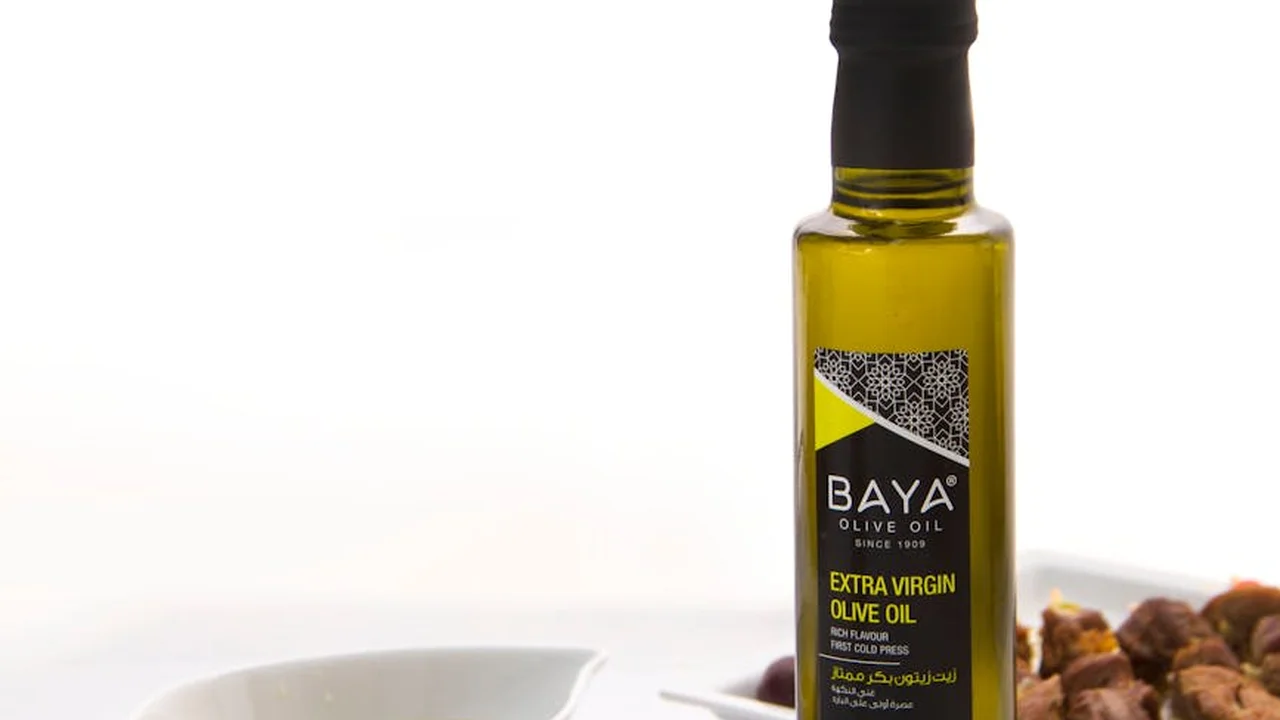
You asked for a chart, and I get it. It’s the fastest way to grab the right bottle from your cabinet. Think of a smoke point chart as a temperature map for your oils. Match the oil’s listed temperature to your cooking method to avoid that acrid kitchen smoke.
One quick, vital note: you’ll see different numbers everywhere. A 2020 review in the *Journal of Food Science* notes that factors like purity, age, and how the oil was processed cause this variation. The numbers I give you are reliable ranges from my own kitchen testing and trusted sources.
Here’s your quick-reference guide. I always list both scales because my brain works in Fahrenheit, but my recipes don’t.
| Oil or Fat | Smoke Point °F | Smoke Point °C | Best For |
|---|---|---|---|
| Avocado Oil (Refined) | 520°F | 270°C | Deep frying, searing |
| Ghee | 485°F | 250°C | Sautéing, roasting |
| Beef Tallow | 400°F | 205°C | Frying, roasting |
| Refined Coconut Oil | 400-450°F | 205-230°C | Baking, stir-frying |
| Light Olive Oil | 465°F | 240°C | Sautéing, baking |
| Extra Virgin Olive Oil | 325-375°F | 160-190°C | Dressings, low-heat sautés |
| Butter | 302°F | 150°C | Baking, gentle pan sauces |
High-Heat Champions (Over 400°F / 205°C)
These are your go-tos for when the pan needs to be seriously hot. They stay stable and won’t break down into harmful compounds or fill your kitchen with smoke.
Avocado Oil: The Botanical Winner
Does avocado oil have a high smoke point? Absolutely yes. It’s the plant-based king of high-heat cooking. Refined avocado oil tops the chart at about 520°F (270°C), making it my top pick for searing a steak or deep-frying falafel. It has a very mild, buttery flavor that doesn’t overpower food.
If you find virgin avocado oil, it’s less processed and has more character, but its smoke point is lower, around 375-400°F (190-205°C). I keep the refined avocado oil for the blistering heat and the virgin for medium-heat roasting or a nice salad dressing.
Ghee (Clarified Butter): The Golden Standard
Ghee is butter that’s been simmered to remove the water and milk solids-the parts that burn. What’s left is pure, golden butterfat. This process gives ghee a high smoke point of about 485°F (250°C) and a rich, nutty flavor I adore.
I reach for my jar of ghee when I want that decadent butter taste for sautéing mushrooms or frying an egg over medium-high heat. It’s a staple in my kitchen for both its performance and its soothing qualities in herbal preparations.
Tallow and Other Animal Fats
Does animal fat have a high smoke point? Traditionally, yes. Rendered beef tallow is a wonderful, stable fat. Beef tallow has a smoke point around 400°F (205°C) and fries food to an incredibly crisp finish.
It was the original frying oil for good reason. Lard (rendered pork fat) is similar, with a smoke point near 370°F (188°C). Using these fats is a nod to traditional cooking and a great way to use the whole animal if you source them ethically.
Medium-Heat Companions (325°F – 400°F / 160°C – 205°C)
This is the workhorse zone for everyday cooking. These oils handle oven roasting, stir-frying, and pan-frying beautifully.
Refined Coconut Oil
This is a key distinction. Refined coconut oil is neutral in scent and taste with a high smoke point of 400-450°F (205-230°C). It’s excellent for baking or stir-fries. These differences also influence how coconut oil can be used for skin, hair, and cooking. Virgin coconut oil, with its lovely tropical aroma, has a lower smoke point around 350°F (177°C) and is better for medium-heat sautéing or adding flavor at the end of cooking.
I use refined for heat and virgin when I want that coconut essence to come through.
Canola and Vegetable Oils
Oils like canola, sunflower, and generic “vegetable” oil (often soybean) are refined to have very high smoke points, usually above 400°F (205°C). This makes them common in restaurants for deep frying. Their neutral flavor and high smoke point are their main advantages, though some people prefer less processed options for everyday use. People also weigh health benefits and nutritional values, including how their fatty acid profiles influence cooking and skincare. A quick comparison of sunflower oil versus canola oil can clarify which is better for everyday use.
It’s a personal choice. In my home, I tend to use them sparingly, opting for avocado or ghee when I need a neutral high-heat fat.
Light or Refined Olive Oil
Don’t confuse this with your precious extra virgin. “Light” refers to color and flavor, not calories. Refined olive oil has a much higher smoke point, around 465°F (240°C), because its delicate compounds have been filtered out.
I keep a bottle for everyday sautéing when I don’t want a strong olive flavor. It’s a good, affordable all-purpose cooking oil that performs well at medium-high temperatures.
Low-Heat Friends (Best Under 350°F / 175°C)
These fats are treasures of flavor and nutrition. We love them not for their fire resistance, but for their character. They’re for gentle warmth, not a raging inferno.
Extra Virgin Olive Oil (EVOO)
This is the jewel of the pantry, packed with flavor and beneficial compounds. But those same compounds make it sensitive to heat. A good extra virgin olive oil has a smoke point between 325°F and 375°F (160-190°C), which means it’s perfect for low-heat sautés, not deep frying.
I use it to gently cook garlic for a sauce, roast vegetables at a moderate oven temperature, or, my favorite, simply drizzle it raw over finished dishes. Heat diminishes its beautiful, peppery notes.
Butter
Whole butter, with its milk solids and water, has a low smoke point of about 302°F (150°C). Those milk solids brown (which is delicious) and then burn quickly. That’s why butter is ideal for gentle cooking, baking where oven heat is indirect, or finishing a pan sauce off the heat.
Nothing beats its flavor for scrambling eggs on low heat or making a simple batter. For higher heat, that’s when I switch to its clarified sibling, ghee.
Common Mistakes and How to Avoid Them
Even with a good chart, it’s easy to slip up. I’ve made these errors myself, usually while distracted or rushing dinner. Here’s how to steer clear.
Using Extra Virgin Olive Oil to Sear a Steak
That beautiful, fruity EVOO on your shelf is meant for flavor, not a blazing hot cast iron pan. Its delicate compounds burn quickly, creating a bitter, acrid smoke that ruins both the oil and your expensive cut of meat.
The fix is simple: match the oil to the heat. Use a high-smoke-point oil like avocado or refined coconut for searing. Finish your dish with a luxurious drizzle of that excellent EVOO after cooking to capture its aroma and taste.
Reheating Oil That’s Already Smoked
Once oil starts smoking, it’s breaking down. Those free radicals and oxidized compounds don’t magically disappear when the pan cools. Reusing that oil means starting your next meal with a base that’s already degraded and potentially harmful.
My rule is one smoke and done. If your oil smokes during cooking, thank it for its service and let it cool before disposing of it properly. Don’t try to save it for another round.
Not Letting Your Pan Preheat Properly
Adding oil to a cold pan and then cranking the heat is a surefire way to uneven cooking. The oil heats slowly at first, then can suddenly spike past its smoke point when the pan finally catches up.
Let your dry pan come to temperature first, then add your oil. You’ll get a more consistent sear, and the oil will heat more evenly, giving you better control. A good test is when a few drops of water sizzle and dance on the surface.
Trusting a Single, Rigid Smoke Point Number
The exact moment an oil smokes isn’t a universal law. It’s a guideline. The number you see is an average. The actual smoke point in your kitchen depends on the oil’s purity, age, and how it was processed.
Treat smoke point numbers as a helpful range, not an absolute. If a chart says 400°F, consider it a warning zone starting around 375°F. Use your senses-your eyes and nose are the best tools you have in the kitchen.
Storing Your Oils Right Next to the Stove
Heat, light, and air are the enemies of oil stability. Keeping your cooking oils in a cute bottle on the stovetop exposes them to constant warmth and light, which accelerates rancidity.
Store your oils in a cool, dark cabinet away from the oven. This simple habit keeps them fresher longer and helps maintain their true smoke point. I keep my daily-use bottles in a lower cabinet, not on the counter.
Choosing Your Oil: A Simple Flowchart for Your Kitchen
Think of it like this: you wouldn’t use fine silk to scrub a pot. Choosing your cooking oil works the same way. The right tool for the job makes everything better-safer, tastier, and healthier. Let’s walk through it together.
Start Here: What’s For Dinner?
Grab your pan and take a quick breath. Your cooking method is your first and best guide.
Are You Deep Frying or Searing at Very High Heat?
This is the big league. You need an oil that stays stable when the heat is intense.
- My top picks are refined avocado oil or ghee. The bottle of avocado oil in my cupboard has a smoke point around 520°F. It’s my go-to for getting a perfect sear on a steak without filling the kitchen with smoke.
- Beef tallow is another fantastic choice here. It has a rich, savory character and a high smoke point that makes it perfect for frying.
These fats won’t break down and turn acrid, so your food tastes clean and crisp.
Are You Sautéing, Stir-Frying, or Roasting at Medium-High Heat?
This is everyday cooking. You need a reliable, neutral-tasting workhorse.
- Reach for refined coconut oil, canola oil, or regular olive oil (not extra virgin).
- Their smoke points live comfortably in that 400-450°F sweet spot.
I use refined coconut oil for roasting veggies because it gives them a lovely golden edge without any coconut flavor. It just works. It’s also a versatile option for coconut oil cooking and baking techniques across many recipes. It adapts well from roasting to baking.
Are You Making a Salad Dressing, Drizzling, or Finishing a Dish?
Now we’re in the realm of flavor. Heat is low or absent, so the oil’s personality can shine.
- This is where your best extra virgin olive oil belongs.
- Its lower smoke point and delicate, peppery notes are meant to be tasted, not heated away.
- I keep a small, dark bottle of a fruity EVOO on my counter just for finishing soups and bread.
Butter is perfect here, too. A pat melted over steamed vegetables or swirled into a pasta sauce adds irreplaceable richness.
Your Senses Are the Best Tool
The numbers are a guide, but your eyes and nose are the final judges. If you see wisps of smoke, your pan is too hot. That’s your cue to pull it off the heat. A smoking oil loses its nutritional value and develops off flavors, especially when oils break down at high temperatures.
Trust yourself. Start with these simple pairings, and you’ll build an instinct for what feels right in your kitchen.
When to Seek Professional Help
Think of your kitchen oils like the ones in your wellness cabinet.
Just as I would tell you to talk to an aromatherapist for a personal blend, your diet is deeply personal too.
If you have specific health concerns, especially related to your heart, a registered dietitian or your doctor is your best resource for advice on fats.
They can look at your whole picture and help you choose cooking fats that support your unique health goals.
Now, for the home cook, watching for smoke and changing oil regularly is key.
But if you’re running a food business, the rules change completely.
Commercial deep-frying operations must follow strict local food safety and oil disposal regulations.
This isn’t just about smoke point; it’s about public health, proper filtration, and safe waste handling.
That’s a job for a food safety professional, not a home guide.
Caring for Your Oils: Storage and Lifespan
Think of your oils as living ingredients, not inert pantry staples.
Heat, light, and air are the three forces that break them down, a process called oxidation.
An oxidized oil has a lower effective smoke point than a fresh one, and it creates more harmful compounds when heated.
I keep my favorite avocado and coconut oils in a dark kitchen cabinet, far from the stove and oven.
It makes a real difference in how long they stay fresh and effective, whether I’m searing a steak or making a body butter.
Simple Habits for Longer-Lasting Oils
Good storage is straightforward. Follow these steps and your oils will thank you.
- Choose the right container: Dark glass bottles (like amber or cobalt) are best. If your oil comes in clear plastic, consider transferring it.
- Find a cool, dark home: A cupboard or pantry is perfect. Never store oils on the countertop or in a sunny window.
- Buy smart sizes: Purchase only what you’ll use within a few months. A giant, bargain bottle that sits for a year is a false economy.
- Close the lid tightly: Limit its exposure to air every time you use it.
- Trust your senses: Your nose knows. A sharp, bitter, or crayon-like smell means the oil has turned rancid. Discard it.
A Note on Reusing Frying Oil
It’s tempting to pour that used oil back into the bottle for another day.
I avoid doing this for two main reasons. Each time you heat an oil, it oxidizes further, breaking down its structure.
Reusing oil multiple times concentrates harmful free radicals and can impart off, acrid flavors to your food.
For the sake of your wellness and your meal’s taste, it’s a practice I skip. I use a modest amount for the task at hand and compost it once it cools.
Friendly Guidance
Why does “refined” or “light” on a label mean a higher smoke point?
Refining removes delicate plant compounds and free fatty acids that burn easily. This process creates a more neutral, stable oil suited for heat, though it may also reduce some of the oil’s original character and micronutrients. Cold-pressed oils, by contrast, are less processed and retain more of these natural components.
My oil isn’t smoking, but it smells “off.” Should I still use it?
Trust your nose first. A rancid or sharp smell means the oil has oxidized, and heating it will accelerate the formation of unhealthy compounds. It’s best to discard it and start fresh for both safety and flavor.
I see a lot of smoke point advice on forums like Reddit. How reliable is it?
Community advice is great for practical tips, but individual experiences vary widely. Always cross-reference with trusted, evidence-based sources, as factors like oil quality, age, and storage heavily influence real-world performance.
What’s the simplest way to choose an oil for high-heat frying without memorizing a chart?
For the highest heat, reliably grab refined avocado oil or ghee. They are the most stable botanical and traditional choices, respectively, designed to handle searing and deep-frying without breaking down.
If my recipe calls for olive oil but I’m cooking over high heat, what should I do?
Swap your extra virgin olive oil for a “light” or refined olive oil. It has a much higher smoke point suitable for sautéing, while saving your flavorful EVOO for lower heat or finishing dishes.
Stewarding Your Kitchen Apothecary
I keep a bottle of high-smoke-point avocado oil right by my stove for a reason. Choosing an oil that can handle the heat preserves its beneficial compounds and keeps your cooking aligned with a wellness-focused home.
I explore all facets of botanical oils for body, skin, and hair right here on the blog. Trust your own senses as you try new oils, and let that practice deepen your personal care ritual.
Expert Resources and Citations
- Template:Smoke point of cooking oils – Wikipedia
- How to Choose the Best Cooking Oil + Oil Smoke Point Chart
- r/castiron on Reddit: Oil smoke points
- Your Cheat Sheet to Cooking Oil Smoke Points | Restaurant Equippers
- What’s a Smoke Point and Why Does it Matter?
Noemi Kamińska
Noemi is an accomplished wellness researcher, nutrition care guide and body care expert. She has years of experience in formulating various oil combinations for full body wellness including face, hair, body care, essential oils and cooking oils. She works as a bio-formulator working with oil chemistry and analyzing the best formulations when it comes to your needs. Feel free to reach out to get your oil needs sorted.