
What Cooking Oils and Ingredients Do Fast Food Restaurants Really Use?
You’re not alone in peeking at that golden fry and wondering what oil it was cooked in. From my own work with everything from delicate facial oils to sturdy kitchen staples, I know that the right fat makes all the difference for taste and texture.
I’ll walk you through the practical oils and common additives that create the fast food experience you know.
- The top oils chosen for deep-frying durability
- Why specific oil blends are used for different foods
- Key ingredients mixed in for flavor and crispness
- How these choices compare to oils you might use at home
What Oils Are Typically Heating the Fast Food Fryer?
When you walk into a fast-food kitchen, the fryer is usually filled with a specific class of oils. Soybean, canola, corn, and palm oil blends are the most common players.
Their dominance comes down to stability and cost. These oils have high smoke points, which is like having a very stable carrier oil in aromatherapy that won’t oxidize quickly under heat. Just as I might choose fractionated coconut oil for a long-lasting massage blend, a restaurant chooses these for their ability to handle constant, high-temperature frying without breaking down too fast.
Specific chains often have signature oils. Chick-fil-A is famous for its 100% refined peanut oil, which gives their chicken a distinct flavor. Arby’s has historically used a blend of beef tallow and soybean oil for their fries. Applebee’s and other sit-down chains often use similar high-heat seed oil blends in their fryers.
You might hear these called “seed oils” online, especially in discussions about brands like Bibibop or prepared meal services like Factor. This term generally refers to oils extracted from seeds (soybean, canola, corn, sunflower) rather than fruit pulps like olive or avocado oil. Understanding seed oils vs. fruit oils can help you make better culinary choices.
The Dominance of Refined Seed Oils
The oils used are almost always highly refined. This process strips away color, most of the natural aroma, and any sediment. What’s left is a very neutral, pale oil with a long shelf life.
Think of it as the opposite of the fragrant, unrefined botanical oils I keep on my shelf for skin care, like a rich rosehip seed or a grassy pumpkin seed oil. That refining is key for the fast-food industry. It creates a consistent, cost-effective product that doesn’t impart its own flavor, letting the seasoning on the fries or nuggets shine through.
Specialty Oils in the Mix
Peanut oil is the main specialty oil you’ll encounter for its flavor profile. Its use is a clear reminder to always ask about allergens if you have a sensitivity, as cross-contact in a busy kitchen is possible.
Let’s clear up a common worry. You may see alarming rumors about “silicone oil” in chicken nuggets; this refers to an industrial anti-foaming agent, not a literal cooking oil. It’s a food-grade additive used in minuscule amounts in some pre-processed ingredients, entirely different from the gallons of frying oil in the vat. It’s not something you’d ever find in a bottle for home use, culinary or cosmetic.
How Are Oils and Fats Used Beyond the Deep Fryer?
The same refined seed oils make their way into many other parts of your meal. They are the base for most creamy dressings and marinades, providing that smooth mouthfeel.
For grilling or sautéing on a flat-top, these oils or sometimes butter alternatives (like soybean oil-based margarine) are used to prevent sticking. Butter itself is less common due to cost and its lower burn point, though you’ll find it on breakfast items or as a flavor finish for some sandwiches.
The preparation relies on more than just fat. Milk solids, starches (like modified food starch), and complex seasoning blends are key. They create that signature crispy coating, help bind ingredients, and deliver the addictive savory taste.
From my home herbalist view, it’s a stark contrast to a simple home kitchen. Where I might pan-sear a chicken thigh in a little avocado oil and fresh herbs, a fast-food kitchen uses a system designed for speed and uniformity, relying on refined ingredients and pre-mixed blends. My own dressings start with extra virgin olive oil and lemon juice, not a neutral, stabilized soybean oil blend. Knowing the difference helps you understand the choices you make for your body, whether you’re crafting a wellness oil or deciding on a quick meal.
Do Restaurants Use Different Oils for Fries, Chicken, or Fish?
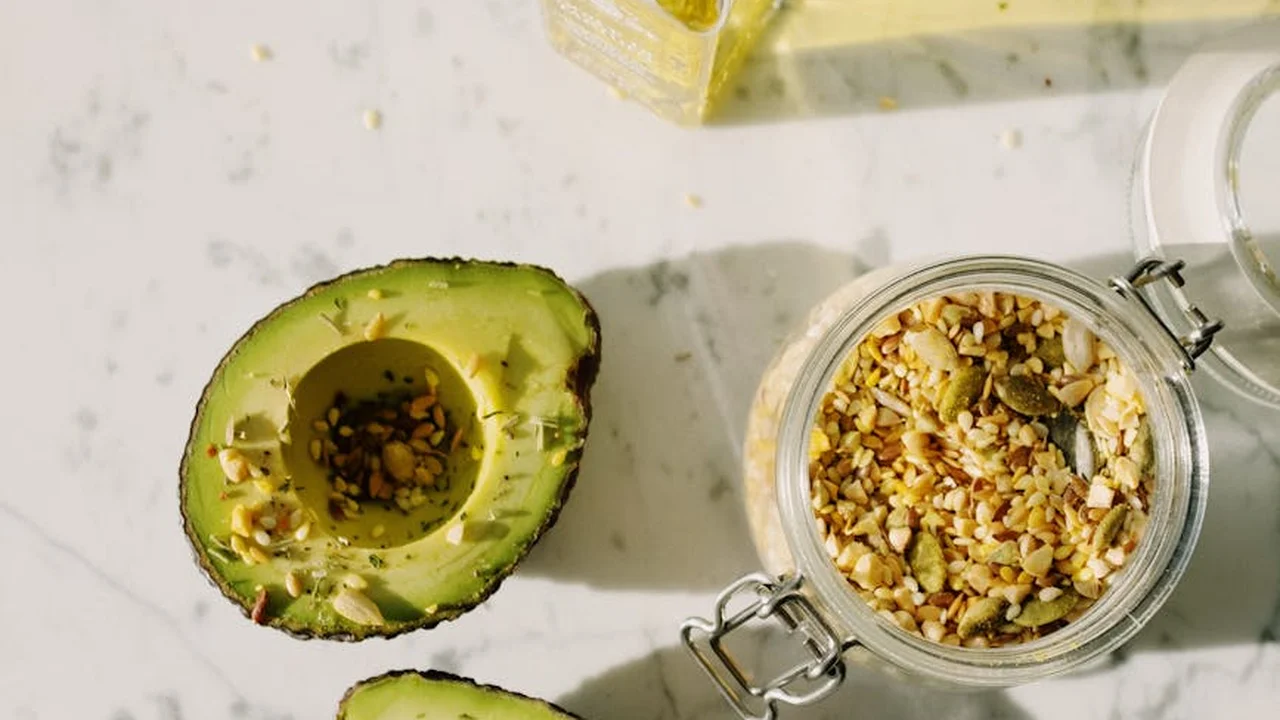
In many professional kitchens, the answer is yes. Dedicated fryers are common. Think of it like keeping scents separate in your own home apothecary.
You wouldn’t store a vial of vibrant peppermint oil right next to a delicate jasmine absolute. Their powerful aromas would mingle and compete. The same principle applies to fryers.
Flavor Protection is the Main Goal
Fish has a distinct, potent flavor that can easily permeate oil. If you then use that same oil for French fries, your fries will taste faintly of fish. For a restaurant, that’s a quality control failure. Using separate fryers for neutral items like fries and strongly flavored items like seafood or onion rings prevents this flavor crossover.
Some spots use a single fryer but choose a specific oil blend meant to be robust against strong flavors. It’s a practical dance between space, cost, and the final taste on the plate.
How Food Changes the Oil’s “Life”
Not all foods treat the frying oil the same way. Plain potato fries are relatively gentle. Battered chicken or fish is a different story, so it’s important to use the correct oil temperature for frying chicken.
The breading, batter, and seasoning bits break off during frying. These tiny particles, called “fines,” stay in the oil and burn. This speeds up the oil’s breakdown, creating more polymers-those sticky, darkened residues. Oils used for breaded foods degrade faster and develop more polymer buildup than oils used just for fries.
You can see a similar change in your own kitchen oil if you reuse it for frying battered foods. It becomes darker, thicker, and develops a off smell much sooner.
Your Home Kitchen Apothecary: A Helpful Parallel
You likely already manage oils with different purposes at home. I keep separate bottles of infused oils on my shelf for this reason.
I have a garlic and rosemary-infused olive oil for cooking savory dishes. I would never use that same oil to make a facial serum or a hair treatment. The scent and purpose are completely different.
Just as a restaurant dedicates fryers, I dedicate bottles for different uses to maintain purity and intention. Here’s how you can apply that thinking:
- Keep a “culinary” set of infused oils (like chili or herb oils) away from your “wellness” oils (like massage or skin blends).
- Label everything clearly, including the date you made it.
- If an oil becomes cloudy, develops a strange odor, or feels sticky, its “life” is done. Discard it. This is true for both your cooking oils and your body care creations.
Managing oils with intention, whether in a restaurant fryer or a home bottle, always leads to a better, more trustworthy result.
How Is Fryer Oil Maintained, and How Often Is It Changed?
In a busy kitchen, fryer oil isn’t just dumped daily. It goes through a cycle of maintenance to extend its life. At the end of a shift, the hot oil is often pumped out and run through a filter. This removes food particles, or “fines,” that burn and make the oil taste bitter. The clean oil is then returned to the vat for the next day’s service.
This filtering happens often, sometimes daily. But even with diligent filtering, the oil itself breaks down every time it’s heated. The high heat and exposure to air and water from food cause chemical changes. Over time, the oil’s structure weakens.
The Lifecycle of Fryer Oil: From Clear Gold to Dark Sludge
Think of a fresh bottle of high-quality sunflower oil in your own kitchen. It’s light, clear, and has a neutral scent. Fresh commercial fryer oil looks and feels similar-a pale, free-flowing liquid.
With each batch of fries or chicken, that oil changes. It darkens, absorbing colors from fried spices and batter. It thickens, becoming more viscous and syrupy. You can see this same principle with a carrier oil left uncapped on a sunny windowsill; it turns rancid, dark, and develops an off-putting smell. The sensory shift tells you the oil is no longer good.
Connecting Oil Breakdown to Your Wellness
When oils degrade, they form harmful compounds. In a botanical context, we call this rancidity, and we would never apply rancid oil to our skin. In a frying context, the compounds are different but just as undesirable for our bodies.
Constantly reheating oil increases the level of these compounds. This is why a restaurant’s oil replacement schedule matters deeply for health, not just taste. A well-run kitchen changes the oil based on clear signs, not just a calendar.
The Signs It’s Time for a Change
Most chains have strict guidelines. The oil is monitored and typically fully replaced every 3 to 7 days, depending on volume. Staff look for key indicators:
- Dark Color: The oil has turned a deep, muddy brown instead of a light golden hue.
- Thick Consistency: It pours slowly and feels sticky.
- Persistent Foam: A layer of foam sits on top that won’t dissipate.
- Off Odors and Smoke: The oil smokes at normal frying temperatures and smells acrid or burnt.
Managing fryer oil is a balance of cost and quality. Just like I wouldn’t use a spoiled herbal infusion in my home apothecary, a good kitchen won’t use spoiled oil for your food. The difference between fresh and spent oil is a lesson in care, whether you’re cooking or crafting a skin serum.
What About Animal Fats and Partially Hydrogenated Oils?
When you hear about fast food frying, beef tallow comes up like a ghost from the past. Its use is rare now, but some chains still use it for specific items, like certain fries or pie crusts.
From a sensory standpoint, I understand the appeal. Beef tallow fries have a famously crispy exterior and a rich, savory flavor you just don’t get from vegetable oil. It’s a high-smoke point fat that creates a distinct texture and taste, much like how choosing the right carrier oil changes how a serum feels on your skin.
The Shift Away from Artificial Trans Fats
Partially hydrogenated oils were once the backbone of commercial frying. They are shelf-stable and cheap. But we know them as the primary source of artificial trans fats.
Major chains have nearly eliminated these oils due to health regulations and consumer demand. Finding artificial trans fats in a large national chain’s fryer today is very uncommon. They’ve largely switched to the high-oleic and blended vegetable oils we talked about before.
This change is similar to reformulating a skincare blend; the goal is to find a stable, effective base without unwanted side effects.
Ingredient Transparency and Your Questions
You might search things like “does Auntie Anne’s use pork oil.” This is a smart question. It shows you’re thinking about ingredients on a deeper level.
The best answer always comes from the company itself. Most restaurants publish allergen and ingredient information online. Look for terms like “lard,” “tallow,” or “pork fat” in the specific item’s description.
Many pretzel chains, for instance, now use vegetable oil blends for their baking and coating processes. If you have dietary preferences or restrictions, checking a restaurant’s official allergen guide is the most reliable step you can take. It’s as crucial as reading the botanical name on a bottle of essential oil.
Do Oils and Ingredients Vary by Country or Region?
They absolutely do. The oil in a fast food fryer often tells a local story, much like the oil on my own apothecary shelf.
In Southeast Asia, palm oil is a dominant, cost-effective choice for its high smoke point and stability. Across the Mediterranean, you are more likely to find olive oil used for dressings, marinades, or even light frying in local chains. In some European countries, rapeseed (canola) oil is a staple, while in parts of South America, soybean oil is prevalent.
This regional preference mirrors how we might choose a local, cold-pressed argan oil for our hair over a generic blend, prioritizing a specific origin and processing method for a better result. The benefits of argan oil for hair often come down to its quality and authenticity.
Global chains adapt to these local fat landscapes and ingredient availability. A fried item in Tokyo may use a different oil blend than the same menu item in Toronto. This isn’t just curiosity.
For travelers with allergies, sensitivities, or specific dietary goals like avoiding palm oil, this variance is critical to know. Always check the local restaurant’s ingredient guide online or in-store.
Can You Find Health-Conscious Oil Alternatives at Fast Food Restaurants?
You can find pockets of better options, but you must know where to look. Think of it like scanning a product label for a pure, unadulterated carrier oil.
Your best bets are often outside the fryer. Look for olive oil vinaigrettes on salad menus. Some chains offer avocado oil for dressings or as a drizzle for grilled items. A grilled chicken sandwich or a salad with a simple oil and vinegar option are typical havens for more conscious fats.
Your most powerful tool is a polite, specific question, just as you would ask a supplier about an essential oil’s distillation method.
You can ask, “What oil is used in your vinaigrette?” or “Is the grilled item brushed with oil, and if so, what kind?” Staff may need to check packaging, which is a good sign they are giving you accurate information.
From a wellness perspective, these alternatives-like olive or avocado oil-are richer in monounsaturated fats. These are generally more stable and supportive for the body than the high polyunsaturated fat profiles common in industrial fryer oils, which break down with repeated high heat. For readers weighing avocado oil vs extra virgin olive oil for health cooking, a quick comparison is coming in the next section. It will highlight when one oil may edge out the other based on cooking method and nutrient profile.
Manage your expectations. A fast food kitchen is not a wellness boutique. True, single-origin, cold-pressed botanical oils are rare here. But asking these questions shifts your role from passive consumer to informed participant.
That knowledge lets you make the best possible decision for your body in the moment, aligning your on-the-go choices a little closer with your home wellness practices.
Can You Find Health-Conscious Oil Alternatives at Fast Food Restaurants?
You absolutely can find better options, if you know where to look. These alternatives typically live on the salad bar or in the dressing packet, not in the deep fryer.
Available Alternatives: The Salad Bar & Grill Station
Look for items that are grilled, not fried, or those that come without a heavy sauce. Some chains now use avocado oil for their grilled chicken or offer it as a salad dressing base. A simple vinaigrette made with olive oil is another common find. I always check for sunflower or canola oil-based dressings too; while still refined, their fat profile is often preferable to the hydrogenated oils used for frying.
The key is to focus on menu items that are prepared to order, not pre-fried and held in a warming bin.
How to Ask the Right Questions
Think of it like reading the label on a bottle of carrier oil. You want clarity on the source. Be specific and polite when you ask.
- Ask: “What oil is used for your grilled chicken?” or “Which salad dressings are made with olive or avocado oil?”
- Use the nutrition or allergen information online. Many chains list ingredients in detail.
- Request dressings and sauces on the side. This gives you control over the amount of any lower-quality oil you consume.
Just as I would advise you to know the botanical source of an essential oil, knowing the source of your food oils empowers your wellness choices.
Understanding the Fat Profiles
This is where our knowledge of oils for the body directly applies. The fats you eat nourish your skin and hair from the inside out.
Common fryer oils are often high in saturated or trans fats. These fats can be inflammatory. The alternatives you’re seeking-like olive, avocado, and high-oleic sunflower oils-are rich in monounsaturated fats. My experience with these oils in my home apothecary tells me they are stable, nourishing, and supportive. In the body, they are associated with better heart health and reduced inflammation. Choosing the healthiest oils for heart matters, especially with high-heat cooking. These choices also influence how well nutrients are absorbed in the body.
Choosing a dressing with extra virgin olive oil is a direct investment in the cellular health of your skin, far more than a food fried in a heavily reused hydrogenated blend.
Managing Your Expectations
We must be realistic. You will not find fast food chains frying french fries in cold-pressed argan or jojoba oil. These precious, unrefined botanical oils are for your skin and hair, not an industrial deep fryer.
The goal is not perfection, but better decisions. This knowledge helps you make a more informed choice for your body in the moment. It also reinforces a valuable habit you can use at home: reading labels and seeking out those healthier, stable fats for your own cooking and wellness creations.
True empowerment comes from using this insight to select better options on the menu and to confidently choose superior oils for your own kitchen and self-care recipes.
Your Questions, Answered by a Botanical Friend
Are partially hydrogenated oils (trans fats) still a major concern in fast food?
Due to health regulations and public demand, major chains have largely eliminated artificial trans fats from their fryers. For true peace of mind, you can check a restaurant’s online nutritional information, as transparency is your best tool, just like verifying a botanical oil’s purity.
What oils are typically used in dressings or on grills instead of the deep fryer?
The same refined, neutral seed oils (like soybean or canola) are common bases for dressings and grill stations. For a more wellness-aligned choice, seek out menus featuring olive oil vinaigrettes or items explicitly prepared with avocado oil.
Why would a global chain use different oils in different countries?
Chains adapt to local oil crops, costs, and culinary traditions, much like choosing a locally sourced botanical oil for its unique properties. This means the oil profile of your favorite item can vary significantly depending on where you are in the world.
How do common fast-food frying oils affect my skin and long-term wellness?
Oils degraded by constant high-heat reuse can promote inflammation, which may reflect in your skin’s health. Opting for menu items with monounsaturated fats (like in olive oil) supports cellular health from the inside out, aligning with a holistic botanical approach.
What’s the most practical step I can take to make a better oil choice when ordering?
Politely ask specific questions, such as “What oil is in this dressing?” or “Is the grill item cooked in oil?” This simple act of inquiry empowers you, just as knowing the source of your botanical oils does for your wellness rituals.
Your Home Kitchen as a Sanctuary
The most important takeaway is this: the oils chosen for fast-food fryers prioritize stability over wellness, which is the exact opposite of how we choose oils for our bodies and homes. For your personal apothecary, the gold standard is always a pure, cold-pressed botanical oil that nourishes your skin, hair, and senses. When it comes to cooking, however, it’s crucial to differentiate and choose oils that are healthy and suitable for your kitchen.
I share my own recipes and experiences right here on the blog to guide you. Trust your hands and your nose as you create-your personal care rituals are yours to shape beautifully.
Noemi Kamińska
Noemi is an accomplished wellness researcher, nutrition care guide and body care expert. She has years of experience in formulating various oil combinations for full body wellness including face, hair, body care, essential oils and cooking oils. She works as a bio-formulator working with oil chemistry and analyzing the best formulations when it comes to your needs. Feel free to reach out to get your oil needs sorted.