
Is Lavender or Orange Essential Oil Safe for Dogs and Cats?
If you enjoy using lavender or orange oil but feel a pang of worry about your pets, you’re right to be cautious. Based on my work blending oils for a calm home, I can tell you that safety depends entirely on how you use them.
My most important advice is to always prioritize your pet’s sensitivity over the oil’s popularity.
- The key differences between lavender and orange oil for pets
- How to set up a diffuser safely in a home with animals
- Subtle signs your dog or cat might be reacting to an oil
- Gentle, pet-friendly alternatives from my own apothecary
Why Pet Safety with Essential Oils Isn’t One-Size-Fits-All
Dogs and cats process these potent plant extracts very differently. A cat’s liver lacks specific enzymes, making it slow and inefficient at breaking down certain oil compounds.
Imagine a dog’s metabolism is like a hardy, forgiving field of wildflowers. A cat’s is more like a delicate, precisely-tended herb garden. Both need care, but the garden demands a gentler touch.
This isn’t about fear, it’s about smart, informed choices that let you and your pets enjoy a fragrant home.
Lavender Oil: Calming Herb or Canine Concern?
Lavender’s soft, herbal aroma is a classic for relaxation. It’s natural to ask, “can dogs have lavender oil” to share that sense of calm.
Safety isn’t a simple yes or no-it swings entirely on your method of use and the level of dilution.
Can Dogs Be Around Lavender Essential Oil?
Yes, with careful practices, lavender oil can be used around most dogs. This gets to the heart of “are essential oils safe for dogs” for this common oil. Used safely, it can be diffused in well-ventilated rooms or applied topically when properly diluted. This ties into practical guidance on lavender essential oil safe around dogs and how to use diffusers around pets.
For diffusing, always prioritize your dog’s comfort. Keep sessions short, under 30 minutes, in a well-ventilated room where your dog can leave easily. Watch their behavior closely.
If they seem restless, start sneezing, or simply walk away, turn the diffuser off immediately. Their actions are your best guide.
Addressing “can I put lavender oil on my dog” requires a firm rule: never use it undiluted. A heavily diluted spot treatment-think one drop of lavender in a full tablespoon of a carrier oil like jojoba-may be an option after consulting your vet. It’s essential to know which essential oils and carrier oils are safe or unsafe for dogs to eat or apply topically.
Any topical use should be for a specific, small area and monitored to prevent licking.
On my own shelf, I keep a roller bottle with fractionated coconut oil and a single drop of lavender for my anxious terrier. I only dab a bit on her collar before a thunderstorm, and my eyes are on her the whole time for any sign of unease.
Is Lavender Essential Oil Safe for Cats?
For cats, the answer to “are essential oils safe for cats” is much more cautious. Lavender oil poses a heightened risk for our feline friends, similar to tea tree oil.
Cats are particularly sensitive to compounds like phenols, and their fastidious grooming means any oil residue on their fur ends up ingested.
I advise against any topical application of lavender oil on cats, even in a diluted blend. For diffusers, use them infrequently and only in large, airy spaces your cat can avoid. Some readers also wonder about peppermint oil in home diffusers for dogs. If you’re researching peppermint oil safety for dogs in diffusers, consult a veterinarian and proceed with caution.
Watch for subtle stress signals like hiding, excessive grooming, or a sudden refusal to enter the room with the diffuser. These quiet signs matter most.
Orange Oil: Bright Citrus, Hidden Risks for Pets
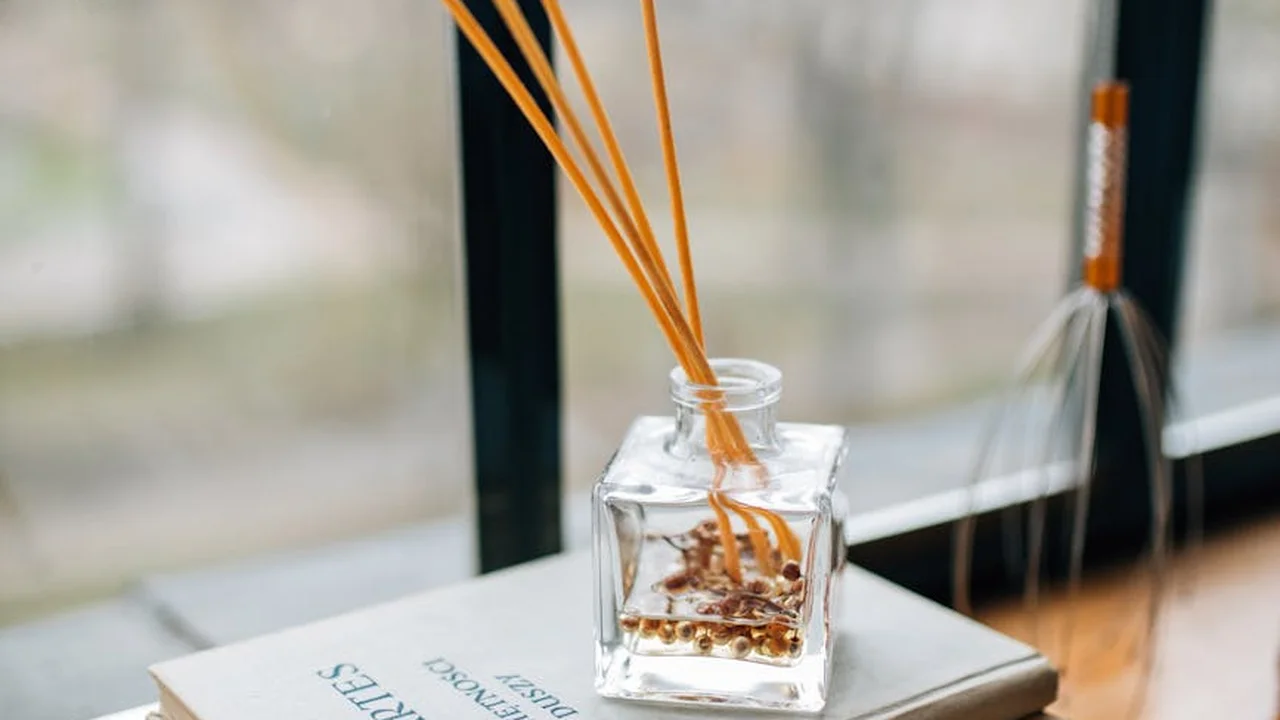
Orange essential oil fills a room with a cheerful, sunny aroma, like peeling a perfectly ripe fruit.
I often add a drop to my DIY cleaning sprays for a fresh, uplifting scent. That bright citrus note, however, comes from a compound called limonene.
Limonene is powerful stuff, and it’s the main reason we need to be extra cautious with orange oil around our furry family members.
Is Orange Essential Oil Safe for Dogs?
For dogs, orange oil poses two primary risks: ingestion and skin contact.
If a dog licks even a small, undiluted amount, it can cause stomach upset, vomiting, or drooling. Their skin is also sensitive to these concentrated compounds, and direct application can lead to irritation.
Compared to lavender, orange oil generally carries a higher risk profile for dogs because of its high limonene content.
While I might feel comfortable diffusing a very small amount of lavender in a well-ventilated room with my dog present, I am far more reserved with orange. Many pet owners ask me, “can i diffuse lemon oil around my dog,” and my advice is the same—be cautious and only use essential oils that are safe for pets.
Lemon, bergamot, and grapefruit oils share similar chemical profiles and concerns. It is a category of oils where I recommend erring on the side of extreme dilution or avoidance when dogs are in the home.
Is Orange Essential Oil Safe for Cats?
Orange essential oil is particularly problematic for cats. Their livers simply cannot process compounds like limonene efficiently.
This makes exposure through inhalation or grooming contaminated fur a real health concern, potentially leading to serious complications.
This risk extends to the entire citrus family, including mandarin, tangerine, and lemon oils.
Because cats are so sensitive and because it’s impossible to control if they groom the oil from their paws or fur, my advice is straightforward.
For cat owners, it is often safest to avoid diffusing orange oil in your home altogether. There are gentler, pet-friendly alternatives to create a fresh ambiance.
The Diffuser Dilemma: Are Essential Oils Safe for Cats and Dogs in the Air?
The short answer is that you must be very careful. Diffusing oils introduces tiny droplets into your pet’s environment, and they breathe them in just like you do. Their bodies process things differently, and something that smells wonderful to us can be overwhelming or harmful to them. I treat my diffuser like a guest in a shared home. I make sure everyone, including my pets, is comfortable with the visit. For households with dogs or cats, there are practical guidelines on whether essential oil diffusers are safe around pets and how to use them responsibly. These resources help you understand which oils to avoid and how to diffuse without stressing your furry friends.
Think of diffusion not as filling the air, but as gently scenting a corner of a well-ventilated room where your pet can freely come and go.
Cardinal Rules for Safe Diffusion with Pets
These are my non-negotiable practices, born from years of blending and sharing my home with furry friends. They create a safer baseline for everyone’s comfort.
- Always provide an escape route. Never diffuse oils in a small, enclosed room where your pet is trapped. The door must stay open so they can leave if the aroma bothers them. Watch for signs they want to exit, like sniffing at the door.
- Limit your diffusion time. I rarely run my ultrasonic diffuser for more than 30 minutes at a stretch when my cat is home. For stronger oils, I might do just 10 or 15. Less is more, and it gives their sensitive systems a long break.
- Use far fewer drops than you would for yourself. If the bottle suggests 5-10 drops for a room, I start with 2 or 3. You can always add more next time if needed, but you can’t take it out of the air once it’s there.
- Choose your diffuser type with care. An ultrasonic diffuser (which uses water) creates a milder, more diluted mist. A nebulizing diffuser (which disperses pure oil) is much more potent and is generally not recommended for homes with pets. I only use ultrasonic models.
- Never lock a pet in a scented room. This includes bathrooms during your shower or a bedroom if you diffuse overnight. If you are not in the room to supervise, the diffuser should be off and the space aired out.
Keep a close eye on your pet during and after diffusion. Look for coughing, sneezing, drooling, or lethargy. If you see any odd behavior, turn the diffuser off immediately, move your pet to fresh air, and call your vet.
These rules are just the start for cats and dogs. Birds, rabbits, guinea pigs, and other small mammals have extremely delicate respiratory systems. Many experts recommend avoiding any essential oil diffusion around them entirely. The risk is simply too high. For these family members, I stick to dried botanicals in a well-ventilated vase, far from their cage.
Reading the Signs: How to Spot Essential Oil Toxicity in Pets
Even with careful use, accidents happen. A bottle gets knocked over. A pet finds a bottle of diluted oil. Knowing what to watch for can make all the difference.
If you suspect your pet has ingested or had significant skin contact with an essential oil, contact your veterinarian or an animal poison control center immediately. Have the bottle of oil ready so you can tell them exactly what it is.
Symptoms in Dogs
Dogs might show these signs if they’ve been exposed to a problematic amount of essential oil, either by licking it off their fur or breathing in strong vapors.
- Excessive drooling or drooling more than usual.
- Vomiting or retching.
- Appearing wobbly, weak, or lethargic.
- Muscle tremors or shaking.
- Redness or rash on their skin or gums.
Symptoms in Cats
Cats are much more sensitive. They lack a specific liver enzyme needed to process many plant compounds, including those in essential oils.
Because of this, cats can show severe, even life-threatening, symptoms from very small exposures that might not affect a dog. Watch for these signs closely.
- Pawing at their mouth or face.
- Drooling excessively.
- Tremors or seizures.
- Difficulty breathing, wheezing, or coughing.
- Lethargy and extreme weakness.
- Red, irritated skin or burns from direct oil contact.
Trust your gut. If your pet’s behavior seems off after you’ve used oils, err on the side of caution. Move them to fresh air, and call for help. I keep my vet’s emergency number and the APCC number (888-426-4435) on my fridge, right next to my oil shelf.
Smart Diffusion: How to Safely Use a Diffuser with Pets at Home
You can enjoy your oils and keep your furry family safe. It just takes a thoughtful, gentle approach. Think of it as creating a peaceful atmosphere for everyone in the house.
This is my personal three-step method for happy diffusing with pets.
Step 1: Choose and Place Your Diffuser Wisely
Location is your first and most powerful tool for safety. I always treat my diffuser like a delicate, fragrant candle.
Place it up high and out of the way, on a sturdy shelf or cabinet your pet cannot access. This prevents any curious paws from knocking it over and stops them from breathing in the direct mist plume.
Choose a large, open room with good airflow, like your living room, not a small bathroom or enclosed office. My own diffuser sits on a high shelf in my study, a room my cat visits but doesn’t sleep in for hours.
Ideally, diffuse in spaces where your pet doesn’t spend their long nap times. A bedroom where your dog sleeps all night isn’t the best choice for a diffusion session.
Step 2: Master the Dilution and Duration
When pets are present, less is always more. This isn’t the time for a powerful aromatic cloud.
My firm rule is to use half, or even less, of the oil drops you would use for yourself. If a diffuser recipe calls for 6-8 drops for a human, start with just 2-3 drops in your pet-friendly home. (In fact, it’s more than enough for any diffuser.)
Diffuse for very short periods. I set a timer for 15 minutes, then turn it off for several hours. A short burst is often all you need to lightly scent the air.
This method gives your pet’s sensitive system a break and prevents the oils from accumulating on surfaces like their fur.
Step 3: Observe and Adapt
Your pet will tell you everything you need to know. Watch them closely, especially during the first few uses of a new oil or in a new location.
Watch for subtle signs. If they get up and walk into another room, they might be saying the scent is too strong for them. I always respect that choice and leave the diffuser off.
Breeds with short noses, like pugs, bulldogs, or Persian cats, can be extra sensitive to any airborne irritants. They may need even shorter diffusion times or a diffuser placed in a far-away room with the door open for very gentle circulation.
Every animal is an individual. What works for my old, mellow cat might not suit your energetic puppy. Let their comfort guide your routine.
Navigating the Oil Shelf: What Essential Oils Are Safe for Pets?

Are there any pet-safe essential oils? The answer is nuanced. It leans heavily on your method of use.
Think of an essential oil like a concentrated herb, and using it near a pet requires the same respect you’d give a strong medication. What makes an oil potentially okay is massive dilution and a very careful approach.
Diffusing a single drop in a large, well-ventilated room is a world apart from applying it directly to their fur. I keep my diffuser sessions short-30 minutes max-and always in a room my cat can leave. He often chooses to watch from the hallway, which tells me everything I need to know.
Oils Often Used with Caution for Dogs
Some oils can be considered for use around dogs, but the key word is ‘caution.’ This is not a green light for free use.
For any of these, I would only ever use one drop in a large-room diffuser, and I provide my dog an easy escape route to another room. Never apply them directly to your dog without specific guidance from a veterinarian trained in aromatherapy.
- Frankincense: Often cited for its calming, grounding aroma. I have a small bottle on my shelf reserved only for moments when I need deep focus, and my dog is resting in another part of the house.
- Lavender (true Lavandula angustifolia): This is the one most people ask about. While it’s commonly used, it must be of high quality and diffused minimally. Watch your dog’s reaction closely.
- Chamomile (Roman): Known for its gentle, soothing scent. The dilution must be extreme-think one drop in 200ml of water in your diffuser.
Many people ask me, “can i diffuse thieves oil around my dog?” Blends like Thieves, which contain cinnamon, clove, and eucalyptus, are typically not recommended. Potent blends combine multiple oils that are risky on their own, creating a cocktail that’s simply too strong for a pet’s sensitive system.
The Absolute Avoid List for Cats and Dogs
This list is non-negotiable. These oils can cause serious harm, from liver failure in cats to neurological issues in dogs. I do not keep these in my home apothecary at all, especially after learning that natural oils are not always safe for ingestion.
For Cats: Their livers cannot process certain compounds, making them especially vulnerable.
- All Citrus Oils (like orange, lemon, lime)
- Peppermint & Spearmint
- Pine & Spruce oils
- Tea Tree (Melaleuca)
- Wintergreen
- Pennyroyal
For Both Dogs and Cats: These are generally considered toxic and should be avoided completely.
- Tea Tree (even for dogs, topical use is risky without professional guidance)
- Wintergreen (contains methyl salicylate, similar to aspirin)
- Pennyroyal
- High-phenol oils like Oregano, Clove, and Thyme
- Birch
- Ylang Ylang
Your Pet-Safe Oil Toolkit: Blends, Dilutions, and Peace of Mind
If you want to introduce a gentle aroma while your dog is home, think minimalist. The goal is a scent you can just barely notice, not a perfumed cloud.
On my own shelf, I keep a dedicated 100ml diffuser for this exact purpose. I use it in our large living room when my older dog seems a bit restless.
A Gentle, Calming Diffusion Blend
This is my go-to for creating a quiet, soothing atmosphere. It is more of a whisper than a statement.
- 100 ml of clean, room-temperature water in your diffuser
- 1 drop of trusted lavender essential oil (like Lavandula angustifolia)
That single drop in a full 100ml reservoir creates an ultra-diluted, subtle aroma that gently supports a calm space. I look for a fresh, clean floral whisper, not an overpowering scent.
How to Diffuse with a Dog in the House
Method matters just as much as the recipe. Here is how I run my diffuser safely.
- Place the diffuser in a high, stable location your pet cannot access.
- Run it for only 30 to 45 minutes at a time.
- Always ensure the room has an open door so your dog can leave if they choose.
- Observe your pet. If they seem to avoid the room or show any signs of discomfort, turn it off immediately.
The golden rule is simple: when you are uncertain, diffuse less or skip it altogether. Your pet’s comfort and well-being are the only priorities that matter.
You can share your home with both beautiful botanical scents and your furry family. It just requires a mindful approach, a commitment to extreme dilution, and constant observation.
I enjoy my oils responsibly by keeping sessions short, blends minimal, and my eyes on my pets. This way, everyone can breathe a little easier.
Your Pet Safety Questions, Answered
What are the absolute rules for using a diffuser with pets?
Always diffuse in a large, well-ventilated room with an open door so your pet can leave. Use far fewer oil drops than you would for yourself, and limit sessions to short intervals of 30 minutes or less.
What are the subtle signs my pet might be reacting to an oil?
Beyond obvious distress, watch for quiet signals like leaving the room, hiding, excessive grooming, or sneezing. Your pet’s behavior is your best guide to their comfort level.
Are there any truly “safe” essential oils I can use freely around my dog or cat?
No essential oil is 100% risk-free for pets, as safety depends on concentration and method. It’s more helpful to think in terms of a gentle, informed approach with specific oils and extreme dilution rather than a list of “safe” products. For instance, peppermint oil is often misunderstood regarding its safety for pets.
What should I do if I think my pet has been exposed to a toxic oil?
Move your pet to fresh air immediately and contact your veterinarian or the ASPCA Animal Poison Control Center (888-426-4435). Have the oil bottle ready to identify the specific ingredients involved.
What are some pet-friendly alternatives to essential oil diffusers?
For a gentle aromatic lift, consider dried botanical bouquets or simmering pots with fresh citrus peels and herbs. These provide a light, natural scent without dispersing concentrated oil particles into your pet’s air.
Essential Oil Wisdom for Pet-Friendly Spaces
The safest way to enjoy aromatherapy with pets is to always dilute properly and diffuse in a well-ventilated, separate room. This simple act respects their delicate systems while letting you cultivate the calming or uplifting atmosphere you desire.
My own apothecary shelf is built on this respectful balance for body, hair, and home. Let this knowledge support you as you confidently explore the world of botanical oils for your family’s wellness.
Noemi Kamińska
Noemi is an accomplished wellness researcher, nutrition care guide and body care expert. She has years of experience in formulating various oil combinations for full body wellness including face, hair, body care, essential oils and cooking oils. She works as a bio-formulator working with oil chemistry and analyzing the best formulations when it comes to your needs. Feel free to reach out to get your oil needs sorted.