
What Are Essential Oils vs Fragrance Oils, Carrier Oils, Top Brands, and Best Scents for Aromatherapy?
If you’ve ever felt unsure about which bottle to choose, you’re not alone. I keep both types on my shelf, and knowing which is which makes all the difference for safe, effective routines.
Here, I’ll walk you through the key distinctions so you can shop and blend with confidence.
- What essential oils really are
- How fragrance oils are different
- Why carrier oils matter
- Brands I trust from my own apothecary
- Scents that truly support your mood
Essential Oils and Fragrance Oils: What’s Actually in the Bottle?
Essential oils are highly concentrated plant extracts. I see them as a plant’s life force, captured in a bottle through steam or cold pressing.
When I open a bottle of real lavender oil from my shelf, the scent is complex and alive. It smells like the entire field.
Fragrance oils are human-made scent compounds. They are crafted in labs to smell pleasant and consistent, batch after batch.
Are fragrance oils and essential oils the same? Absolutely not. Think of it as the difference between fresh-squeezed lemon juice and a lemon flavored drink. One is from the fruit, the other is a designed imitation.
Fragrance oils are not for therapeutic use. Their synthetic blends can irritate skin, especially in leave on products like lotions.
I avoid using them on the body for this reason. They are fine for scenting a candle or soap, but not for your skin or wellness routines.
Watch for natural claims on labels. A question like are brambleberry fragrance oils natural is a good reminder to check the ingredient list. If it says fragrance or perfume oil, it is not a true essential oil.
Your Safety Net: What Are Carrier Oils and Why You Need Them
Carrier oils are fatty, plant based oils like almond or jojoba. They dilute and carry essential oils safely onto your skin. In particular, comparing jojoba, almond, and coconut helps you choose the best diluent for your skin and the oil you’re diluting. We’ll explore how each oil behaves when used to dilute essential oils.
Carrier oils are non negotiable for safe topical use. Never apply potent essential oils directly without this buffer. This is especially important when using them on pets, as some can be harmful to dogs.
Different carriers feel unique. Jojoba oil is light and absorbs fast, almost like a dry silk. Coconut oil, especially the fractionated kind, is also light but leaves a soft, smooth layer.
On my own apothecary shelf, I keep a few multipurpose bottles. Sweet almond oil is gentle for most skin types. Fractionated coconut oil stays liquid and is perfect for massage. Grapeseed oil is a light, affordable option for body blends.
How to Spot a Quality Oil: A Practical Guide to Brands and Labels
Forget brand loyalty for a moment. The best tool you can have is knowing what to look for on a label. This turns you from a passive buyer into an informed one.
I evaluate every new bottle that comes into my home this way.
The Label is Your First Clue
A quality label talks to you. It gives clear, specific information. A vague label is often a red flag.
Look for four non-negotiable pieces of information right on the bottle.
- Latin (Botanical) Name: Common names like “lavender” or “chamomile” are vague. True lavender is Lavandula angustifolia. Roman chamomile is Chamaemelum nobile. This tells you the exact plant species you’re getting.
- Country of Origin: Where a plant grows changes its chemistry. A Bulgarian rose oil differs from a Turkish one. A frankincense from Oman (Boswellia sacra) is different from one from India (Boswellia serrata). This isn’t just a geography lesson. It’s a quality marker.
- Extraction Method: Was it steam distilled, cold pressed, or CO2 extracted? Citrus oils like lemon and bergamot should be cold-pressed for that bright, top-note aroma. Most florals and herbs are steam distilled.
- Purity Statement: It should say “100% pure essential oil” or “100% pure *plant name* oil.” Watch for phrases like “fragrance oil,” “perfume oil,” or “made with essential oils.” These usually mean a blend with synthetics.
Are All Essential Oils the Same?
Absolutely not. Think of it like wine. Grapes from different regions, harvested in different years, and processed by different vintners create unique bottles.
The scent and therapeutic value of an oil are shaped by the plant’s entire life story: the soil, the climate, the harvest time, and the care taken during distillation.
Lavender harvested at peak bloom under the Provencal sun and distilled slowly at low pressure creates a complex, sweet, and deeply calming oil. The same plant species, rushed through a high-heat distillation, can smell harsh and medicinal. You feel the difference when you use it.
The Transparency of a GC/MS Report
This is the gold standard for serious brands. GC/MS stands for Gas Chromatography/Mass Spectrometry. It’s a scientific report that acts like an ingredient list for the oil.
The report shows every single chemical compound inside the bottle and in what amounts. It proves purity and can identify adulteration with cheaper materials. Many reputable companies make these reports available on their website for each batch.
You don’t need to understand every peak on the graph. Just knowing a company provides batch-specific GC/MS reports shows a commitment to transparency you can trust.
Brands and Business Models: Look at the Bottle
Oils are sold through many channels: direct from artisans, health food stores, online retailers, and multi-level marketing (MLM) companies.
My advice is simple. Focus on what’s in the glass, not how it reached the shelf. Apply the label checklist above to any oil, regardless of who sells it. A pure, properly labeled oil from an MLM company and one from a small online apothecary can both be valid choices if they meet the quality marks.
I have favorites on my own shelf from tiny family farms and from larger, well-established direct-to-consumer brands. They all earned their place by being clear about what they are.
Materials for Your Botanical Apothecary
Building your own collection of botanical oils feels like putting together a painter’s palette. You don’t need everything at once. Start with a few key tools that keep your oils potent and your blending process simple.
Dark Glass Bottles (Amber or Cobalt) in Various Sizes
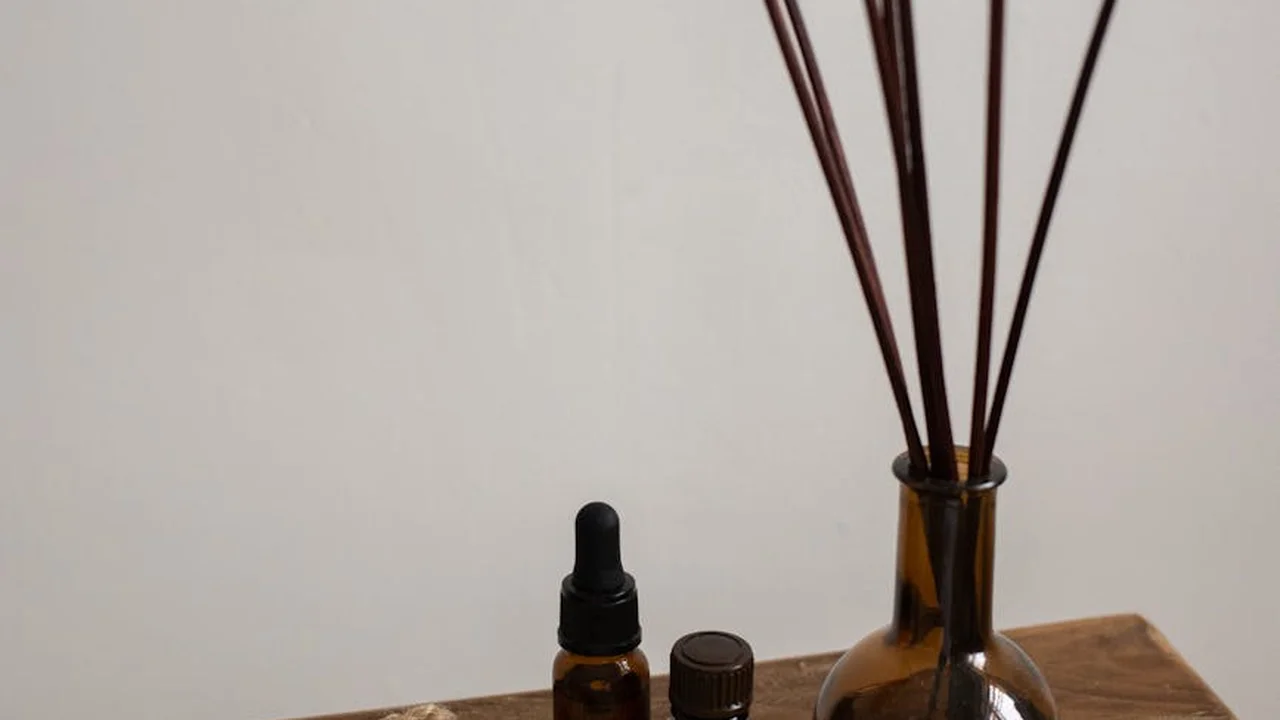
Light and heat are the enemies of delicate plant extracts. Dark glass acts like sunglasses for your oils, protecting their chemical structure from breaking down.
I save every amber bottle from purchased blends. A good starter set includes 5ml bottles for single oils, 10ml for roll-ons, and 30ml for your favorite homemade body oil.
Store your bottles in a cool, dark cupboard, not on a sunny windowsill, to make them last.
A Selection of Carrier Oils
Think of carrier oils as the gentle vehicle that delivers powerful essential oils to your skin safely. They are the unsung heroes of topical application, especially when it comes to selecting safe and suitable oils for sensitive skin.
Each carrier has its own texture and benefits. Here’s how a few common ones compare:
| Carrier Oil | Feel & Best For | My Go-To Use |
|---|---|---|
| Jojoba | Light, non-greasy; mimics skin’s oils. | Facial serums and scalp treatments. |
| Sweet Almond | Medium weight, slightly sweet. | All-over body massage and moisturizing. |
| Fractionated Coconut | Ultra-light, odorless, never solidifies. | Diffuser blends and leave-in hair oils. |
Choosing the right carrier oil is like picking the right fabric for a garment-it changes the entire experience.
A Notebook for Blending Recipes and Observations
Your nose and skin will teach you more than any book. Write everything down.
Note the date, the oils you used, the drops of each, and how it made you feel. Did three drops of peppermint in your foot cream feel tingly and cool? Perfect. Write that.
My shelf holds a messy, oil-stained notebook filled with successes and a few forgettable experiments. It’s my most valuable tool.
Proper Labels and a Permanent Marker
An unlabeled bottle is a mystery you don’t want to solve later. Always label immediately with the contents and the date you made it.
This is a non-negotiable safety practice, especially if you have children or pets in your home. Clarity prevents accidents.
Labeling your creations is the simplest way to practice safe, respectful use of botanical power.
A Simple Glass or Ceramic Diffuser
For filling your home with scent, skip the plastic ultrasonic diffusers. I find that heat can sometimes alter a scent profile, but a gentle, cool-mist ceramic diffuser works beautifully.
Look for one with an automatic shut-off. Start with just 3-5 drops of oil. Your living space doesn’t need to smell like a forest, just a gentle hint of one.
Measuring Tools (Pipettes or Droppers)
Never pour an essential oil directly from the bottle. You’ll use too much.
Glass pipettes or the droppers built into bottle caps let you count drops accurately. This precision is critical for safe dilution, especially for sensitive skin.
Using a dropper is your best defense against skin irritation and wasted precious oil. I keep a dedicated glass pipette for each of my most-used essential oils to avoid cross-contaminating scents.
Crafting Your Scent Sanctuary: Best Oils for Your Intentions
Think of your oils as tools for your mood. Instead of just naming scents, I like to group them by the feeling they help create in your home or on your skin.
For Quieting the Mind (Stress & Sleep)
When the day feels loud, these oils are my quiet helpers. I reach for them an hour before bed to signal to my body that it’s time to slow down.
Lavender is the gentle classic for a reason. Its soft, floral-herbal scent is like a sigh for your nervous system. I keep a bottle by my bedside for a quick sniff or add a drop to my pillowcase.
Bergamot is a citrus, but not like the others. It has a bright, slightly spicy orange scent that lifts worry without being stimulating. It’s perfect for when you feel tense but also a bit low.
Cedarwood is your anchor. Its deep, woody aroma smells like the heart of an old forest. It grounds scattered energy and adds a sturdy base to any calming blend.
Here is a simple blend I make for my diffuser most nights:
- 3 drops Lavender
- 2 drops Cedarwood
- 1 drop Bergamot
Add these to water in your diffuser about 30 minutes before you plan to sleep.
For Gentle Uplifting (Energy & Focus)
These scents are like opening a window on a stuffy afternoon. They clear the air in your space and in your mind.
Peppermint is a clean, awakening breath. Just one careful sniff can feel like a reset button for foggy thinking. I never apply it near my face without a carrier oil, but the aroma alone is powerfully refreshing.
Rosemary has a sharp, herbaceous scent that reminds me of an old apothecary. It’s known for supporting memory and concentration. For me, it cuts through mental clutter.
Sweet Orange is pure, sunny warmth. Its happy, familiar scent is an instant mood brightener. It blends beautifully with almost anything to add a spark of joy.
For a quick pick-me-up, try this personal inhaler blend:
- Take a blank aromatherapy inhaler tube.
- Add 5 drops Peppermint and 10 drops Sweet Orange to the cotton wick inside.
- Snap it closed. Keep it in your bag for afternoon slumps.
For Physical Wellness (Digestion & Immunity)
These oils are my go-tos for creating a supportive, clean environment. They are companions to a healthy routine, not replacements for medical care.
Ginger oil is warm and spicy, with a little kick. When my stomach feels unsettled, I like to dilute a drop in jojoba oil and gently massage it on my abdomen. The warmth is deeply soothing.
Tea Tree smells clean, medicinal, and green. I value it for its purifying qualities. A few drops in a bowl of steaming water makes a great facial steam when I feel congested.
Eucalyptus radiates a cool, crisp, camphorous scent. It immediately makes my breathing feel more open and clear. I often diffuse it during the colder months.
Remember, these oils support a general sense of physical wellness, but they are not medicine. Always listen to your body and consult a healthcare professional for specific concerns.
Common Mistakes and How to Avoid Them
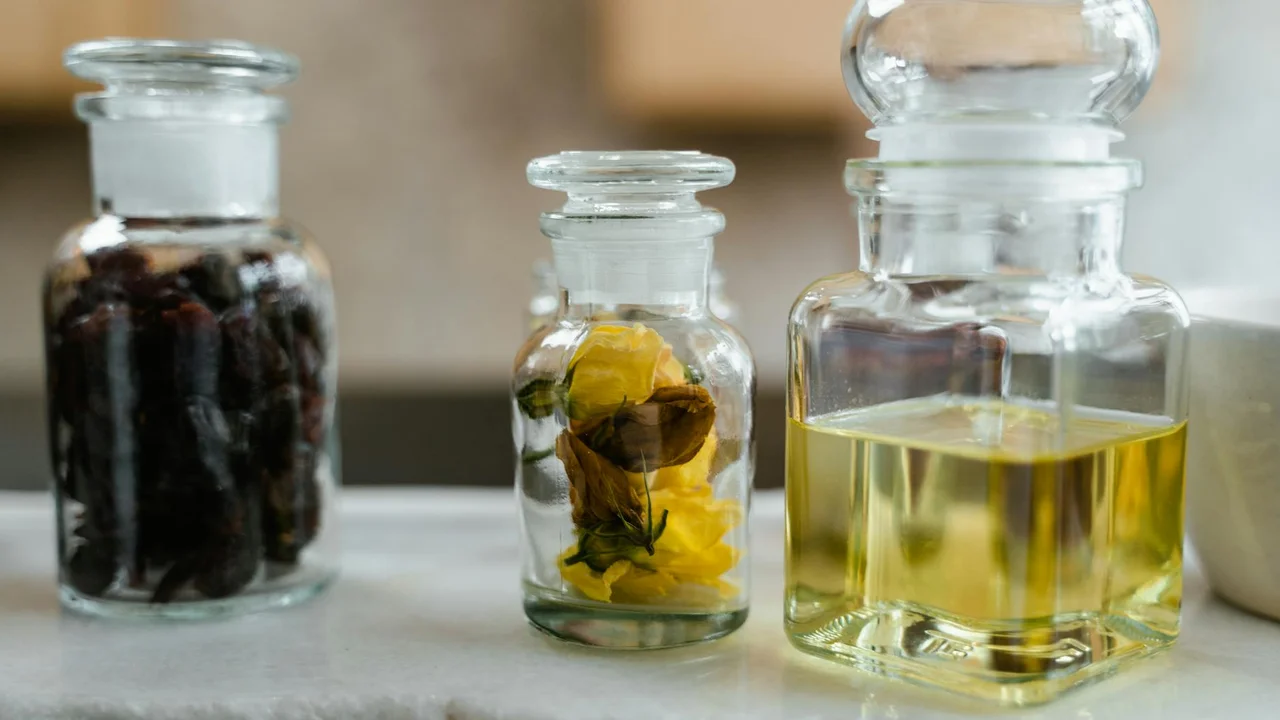
Even the most enthusiastic beginner can hit a snag. I’ve made a few of these errors myself over the years. Here’s how to steer clear of the most common pitfalls.
Using Essential Oils “Neat” on Skin
Putting pure essential oil directly on your skin is asking for trouble. These powerful botanicals can cause serious irritation, burns, or allergic reactions. You must always dilute essential oils in a carrier oil before applying them to your body, even common ones like rosemary, lavender, and peppermint. My rule of thumb is to treat them like a potent spice-a little goes a very long way.
For most adults, a safe starting dilution is 1-2%. Here’s what that looks like:
- For a 1% dilution: Add 6 drops of essential oil to 1 ounce (30 mL) of carrier oil.
- For a 2% dilution: Add 12 drops of essential oil to 1 ounce (30 mL) of carrier oil.
I keep a small amber bottle pre-mixed with fractionated coconut oil and lavender at a 1% dilution on my bathroom shelf just for minor bumps.
Assuming “Natural” Means “Harmless”
Poison ivy is natural, but you wouldn’t rub it on your skin. The same logic applies here. Some oils, like citrus oils, can cause severe photosensitivity, making your skin burn easily in the sun. Always check for specific safety warnings, like photosensitivity, before using a new oil in a body product.
Proper ventilation is non-negotiable. Diffusing in a small, closed room for hours can lead to headaches or respiratory discomfort. Open a window, take breaks, and let the air move.
Confusing Fragrance Oils for Therapeutic Use
This mix-up can undo all your good intentions. Remember, fragrance oils are for scent alone. They are synthetic creations. Never use a fragrance oil in a product where you expect a therapeutic benefit, like a skin-soothing salve or a tension-relief roll-on.
Stick to pure, high-quality essential oils for your wellness blends. Save the lovely “rainforest mist” fragrance oil for making potpourri or a room spray.
Using Plastic or Low-Quality Materials
Essential oils are potent. They can break down certain plastics and leach chemicals into your blend. I learned this the hard way when a citrus blend I stored in a cheap bottle turned the plastic cloudy and ruined the oil.
Always store and mix your oils in dark glass bottles (amber or cobalt) and use glass or stainless-steel mixing tools. This protects the oil’s integrity and your health.
Skipping the Patch Test
Your friend’s favorite relaxing blend might be your skin’s worst enemy. Everyone’s body chemistry is different. Always patch test a new diluted blend on a small area of skin, like your inner forearm, and wait 24 hours before full application.
This simple step can prevent a full-body reaction. Watch for redness, itchiness, or swelling. If you see any, wash the area and retire that blend.
Forgetting About Heat and Light
Leaving your beautiful oils on a sunny windowsill is like leaving butter in a hot pan. Heat and light rapidly degrade essential oils, causing them to lose their therapeutic properties and spoil faster. Store your oils in a cool, dark place, like a cupboard or a dedicated box, to make them last.
The fridge is great for delicate carrier oils like rosehip seed, but for most essential oils, a consistent, cool cupboard temperature is perfect.
Your Safe Start Checklist: From Bottle to Bliss
This checklist is my go-to method for every new blend I create. It keeps the process safe, simple, and focused on how the oils will make you feel.
Choose your intention (e.g., relaxation, focus).
Before you even touch a bottle, ask yourself one question: what do I need right now? Your intention is your anchor. It could be as simple as “calm my evening” or “clear my head for work.” I start my own mornings with a focus intention. This simple step guides every choice that follows.
Select 1-3 complementary essential oils for that goal.
Start small. For relaxation, you might pair a floral note like lavender with a grounded wood note like cedarwood. For an energizing focus blend, bright citrus like sweet orange can lift the herbal sharpness of rosemary. Sticking to two or three oils prevents a muddy scent and lets you learn how each one affects you. My shelf has little grouped bottles: the calm corner, the immune support trio, the fresh-air team.
Choose your carrier oil based on skin type and texture preference.
This is where your blend gets its feel. A carrier oil dilutes the potent essential oils and carries them safely onto your skin. For your face, a light, fast-absorbing oil like jojoba or squalane is wonderful. For a nourishing body oil, I love the creamy texture of sweet almond or sunflower oil. Think of it like choosing a lotion. Do you want something that sinks in quickly or leaves a soft, lingering layer?
Dilute properly: for adults, start with 1-2% (1-2 drops essential oil per teaspoon of carrier).
This is the most important step for safety. More oil is not more powerful. It can irritate your skin. I always begin with a 1% dilution. That’s just one drop of essential oil for every teaspoon of carrier oil. For a larger batch, six drops of essential oil in one ounce (that’s about 30 ml) of carrier oil makes a perfect 1% blend. Understanding proper dilution ratios is key for safe use on hair and skin when mixing essential oils with carrier oils. This helps you choose the right carrier oil and dilution for your needs. You can always add another drop next time if you wish, but you can’t take it out once it’s mixed.
Label your blend immediately with date and ingredients.
The moment you finish mixing, grab a label. Write the date, every oil you used, and the dilution percentage. I’ve learned this the hard way. A week later, you will not remember if you used frankincense or myrrh. Proper labeling turns a mystery oil into a trusted part of your routine. I use simple paper stickers and a permanent marker on my amber glass bottles.
Perform a patch test on your inner arm, wait 24 hours.
Even with perfect dilution, your skin is unique. Apply a small dab of your finished blend to the inside of your forearm. Cover it with a bandage and leave it for a day. If you see any redness, itching, or swelling, wash the area gently with soap and water. This simple test gives you confidence before using the oil more widely.
Use your blend topically, in a diffuser, or for inhalation.
Now for the good part. For topical use, apply your diluted blend to areas like your wrists, temples, or the soles of your feet. For a diffuser, add just the essential oils (no carrier oil) to water according to your device’s instructions. Proper dilution is key for diffusers. For a quick inhalation, place a drop on a tissue or in your palms, cup them over your nose, and take a few deep breaths. Each method offers a different experience, from a personal scent cloud to a misty room.
Observe how you feel and note what works in your blending journal.
Pay attention. After you use your blend, sit quietly for a moment. Do your shoulders feel looser? Is your mind quieter? I keep a simple notebook where I jot down the recipe and a one-line note like “great for Sunday night tension” or “too citrusy, try less lemon.” This journal becomes your most valuable tool. It turns your personal experience into your own body of wisdom.
Quick Answers for Your Botanical Journey
Can I use fragrance oils for anything safely?
Yes, but only for scenting your environment. They are perfect for making candles, soaps, or reed diffusers where the oil doesn’t touch your skin. For anything applied to your body or used for therapeutic benefit, always choose pure essential oils.
Is a more expensive essential oil always better?
Not necessarily. Price should reflect purity, sourcing, and testing-not just marketing. A moderately priced oil with a clear botanical name, origin, and GC/MS report is often a better choice than an expensive one with vague claims.
Can I substitute one carrier oil for another in a recipe?
Absolutely, and I encourage it! Focus on the texture you want. Swap a heavy oil for a light one if your skin prefers fast absorption, or try jojoba if you need a neutral, stable base. Let your skin’s preference guide you.
I’m new to this-what single scent should I try first?
Start with true Lavender (Lavandula angustifolia). It’s versatile, gentle when diluted, and ideal for both relaxation and minor skin soothing. It’s the most welcoming oil on my shelf for beginners.
Do I need a different carrier oil for my face versus my body?
It’s a good practice. For your face, choose a light, non-comedogenic oil like jojoba or squalane. For your body, you can use richer, more emollient oils like sweet almond or sunflower seed oil for broader coverage and moisture.
Your Holistic Oil Journey
The most valuable step is knowing that essential oils come from plants for true wellness, while fragrance oils are crafted for scent alone. For your body, skin, and hair, always dilute a few drops of pure essential oil into a carrier oil—this simple practice is the cornerstone of safe, effective care. Learning the proper mixing techniques further ensures safety and effectiveness.
I hope you’ll continue exploring with me here at Botanical Oils for more trusted guidance. As you experiment at home, trust your own senses and experiences; they will teach you which oils truly belong in your wellness rituals.
Relevant Resources for Further Exploration
- r/DIYfragrance on Reddit: Fragrance oils vs essential oils?
- Fragrance Oils vs. Essential Oils
- Fragrance Oil vs. Essential Oil: What are the Differences? – Skipper
- The Difference between Fragrance Oils and Essential Oils – Lizush
Noemi Kamińska
Noemi is an accomplished wellness researcher, nutrition care guide and body care expert. She has years of experience in formulating various oil combinations for full body wellness including face, hair, body care, essential oils and cooking oils. She works as a bio-formulator working with oil chemistry and analyzing the best formulations when it comes to your needs. Feel free to reach out to get your oil needs sorted.