
Which Natural Oils and Oil-Based Moisturizers Give You Lasting Hydration?
If your skin feels tight or looks dull, you might be using products that sit on the surface. From my home apothecary, I see daily how the right natural oils sink in to soothe and truly nourish parched skin.
You will learn to choose oils that hydrate without feeling greasy, just like I do for my own routine.
- Carrier oils that match different skin types
- Essential oils that support moisture and glow
- Simple steps to make your own oil-based moisturizer
Can a Face Oil Actually Replace Your Moisturizer?
The simple answer is yes, but not always. I think of a pure face oil as a cozy blanket for your skin.
It locks in the moisture that’s already there. A single plant oil works as an emollient and occlusive. It smooths and seals.
Most traditional moisturizers, especially lotions, add water to your skin first with humectants like glycerin. Then they use oils or butters to seal it in.
An oil alone works brilliantly if your skin or climate provides the initial “drink” of moisture. In humid summers, my skin often just needs a few drops of jojoba. Oily skin types might find a light oil like squalane is perfect hydration without extra weight.
Now, in my dry winter climate, a pure oil isn’t enough. My skin needs that water-based layer first. Using just an oil on parched skin is like putting a blanket on a cold, empty bed. A blended cream or a product with both humectants and occlusives works better for compromised barriers or desert-dry air.
How Oil-Based Moisturizers Work on Your Skin
An oil-based moisturizer is a crafted blend. It combines plant oils, often rich butters like shea or cocoa, and sometimes water or hydrating extracts.
The sensory difference is key. A single oil feels like, well, oil. It sinks in with a silky slip. A well-made oil-based cream feels luxuriously rich. It transforms from a balm to a silky layer as it warms on your skin.
These blends are masters of multi-tasking: they seal in your skin’s own moisture, deliver a potent dose of fatty acids and antioxidants, and leave your skin feeling incredibly smooth and supple. The butters provide a thicker, longer-lasting occlusive layer than a light oil alone.
On my own shelf, I keep a simple shea butter and calendula oil salve for extra-dry patches. It’s a perfect example of this nourishing, oil-based magic.
Are Cleansing Oils Good for Oily or Dry Skin?
This is one of my favorite skincare truths. A good cleansing oil is fantastic for both oily and dry skin types. It all comes down to the “like dissolves like” principle. If you’re new to oil cleansing, you may notice a temporary purging phase as your skin adjusts. With a gentle approach, you can manage purging and keep your skin calm.
Oil effortlessly dissolves oil. This means a cleansing oil can gently lift away your skin’s own sebum, sunscreen, and makeup without stripping.
A well-formulated cleansing oil will emulsify with water and rinse away cleanly, leaving no pore-clogging residue behind. That’s the crucial part. It cleanses without leaving a film.
For oily or acne-prone skin, I recommend lighter oils like grapeseed or safflower. They effectively clear congestion without feeling heavy. For dry skin, look for blends with a touch of richer oils like avocado or apricot kernel. They cleanse while leaving a whisper of nourishment. Non-comedogenic oils are particularly beneficial for acne-prone skin as they won’t clog pores.
My go-to is a simple mix of castor and sunflower oil. It melts everything away and my skin feels balanced, not squeaky.
Choosing Your Oil: A Guide for Every Skin Type
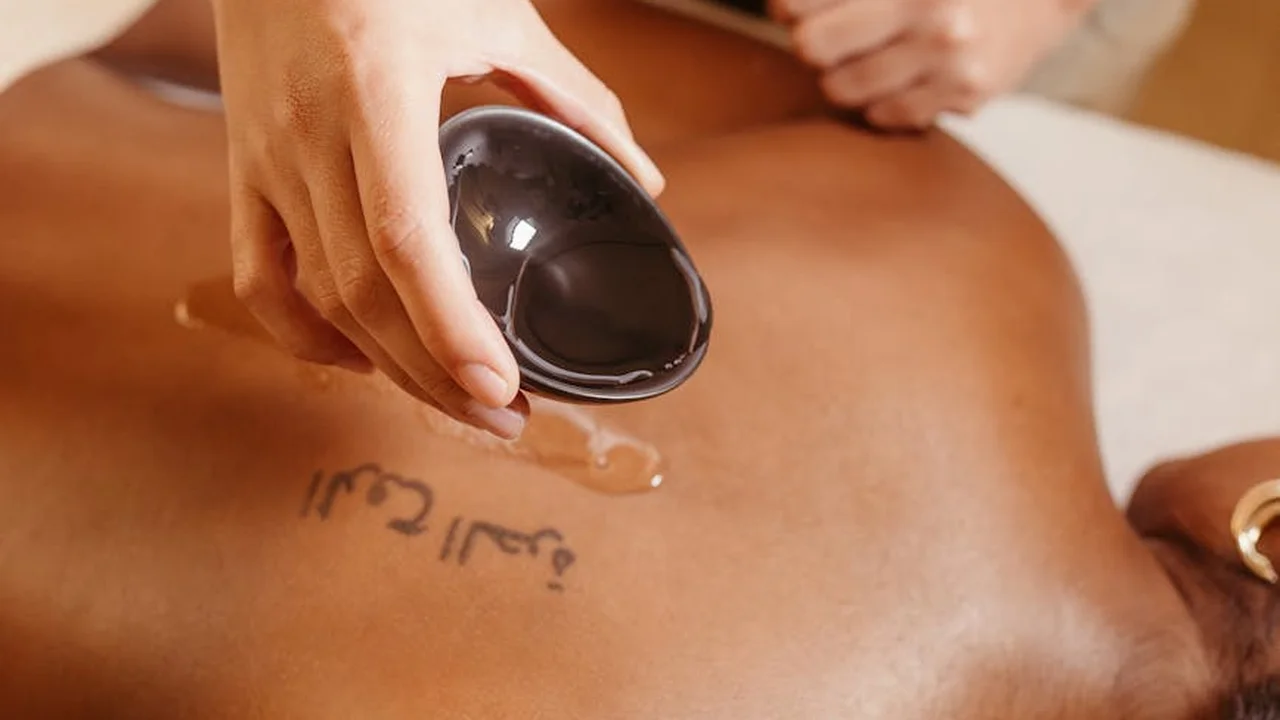
Let’s move from theory to practice. The right oil feels like a revelation, not a greasy experiment.
Think of your skin’s needs first, then match it to an oil’s texture and fatty acid profile. This simple matchmaking is the secret to a natural oil moisturizer that truly works with your skin, not against it.
For Blemishes or Shine-Prone Skin
If your skin feels like it produces enough oil of its own, adding more might seem wrong. I get it. The trick is to use oils that tell your sebum glands, “It’s okay, I’ve got this.”
Look for lightweight, non-comedogenic oils that absorb quickly and won’t clog pores.
- Jojoba Oil: This is my desert island oil. Its texture is light and silky. Technically a liquid wax ester, it mirrors your skin’s own sebum remarkably well. This can help balance oil production. I use it straight as a cleanser or mix two drops into my gel moisturizer.
- Squalane Oil: Even lighter than jojoba, squalane feels like nothing at all. It’s a saturated hydrocarbon that provides instant hydration without a trace of shine. For a natural oil moisturizer for glowing skin without clogging pores, a few drops of pure squalane after toner is a perfect choice.
- Borage Oil: This one is a star for calming red, angry blemishes. It’s rich in gamma-linolenic acid (GLA). It has a medium texture and is best used as a treatment. I add one drop to my jojoba oil at night when my skin is acting up.
Remember, less is more here. Start with two or three drops, warmed between your palms, and gently press into damp skin.
For Dry, Flaky, or Mature Skin
This skin calls for richer oils packed with nutrients that support the skin’s barrier and renewal. You want oils that feel like a comforting blanket of nourishment.
- Rosehip Seed Oil: This is a classic for glowing skin for good reason. It’s a dry oil, meaning it absorbs well despite being nutrient-dense. It’s high in linoleic acid and contains natural retinoids. Rosehip seed oil is a natural oil moisturizer that can help improve skin texture and tone over time. The one in my apothecary has a subtle earthy, herbal scent.
- Avocado Oil: Thick, rich, and deeply emollient. It’s high in oleic acid and feels supremely nourishing. I love it for a five-minute pre-shower mask on extra-parched areas or mixed into a heavy hand cream in winter.
- Sea Buckthorn Oil: This vibrant orange oil is potent. It’s famous for brightening and is incredibly reparative. It will stain, so always dilute it. One part sea buckthorn to nine parts of a carrier like apricot kernel makes a powerful serum.
You might wonder, can olive oil help dry skin? In a pinch on the body, yes, it’s occlusive. For your face, I’m cautious. It has a high comedogenic rating, which means it’s very likely to clog facial pores for many people. There are better, safer face oils for dry skin.
For Sensitive, Red, or Reactive Skin
When your skin is stressed, simplicity is safety. These oils are like a calming whisper. They’re typically high in linoleic acid, a fatty acid known to support a healthy skin barrier and soothe inflammation.
- Sunflower Oil (High Linoleic): Don’t overlook this kitchen hero. The high-linoleic version is light, affordable, and incredibly soothing. It’s a perfect, gentle oil for the entire family. I keep a bottle for oil cleansing and baby massage.
- Apricot Kernel Oil: This oil is as gentle as its name suggests. It has a light, silky texture and a faint, nutty aroma. It’s excellent for the delicate eye area and for diluting stronger essential oils for sensitive skin.
- Argan Oil: While also great for hair, argan is a wonderful face oil for sensitivity. It absorbs well and is rich in vitamin E and antioxidants. It provides nourishment without feeling heavy or causing irritation.
For reactive skin, always patch test a new oil on your inner arm for 24 hours before using it on your face.
For All-Over Body Hydration
This is where you can be a little more liberal and adventurous. The skin on your body is less prone to clogging but still craves nutrients.
- Coconut Oil: It’s solid at room temperature and melts on contact with skin. It’s intensely moisturizing and has a lovely tropical scent. My caveat: it can be comedogenic for some on the chest or back. Use it, but listen to your skin.
- Sweet Almond Oil: This is my go-to for body massage and after-shower moisturizing. It’s light, spreads easily, and is rich in vitamin E. It’s a classic for a reason and is often the base of my DIY body oil blends.
- Marula Oil: Fast-absorbing and luxuriously soft, marula oil is a beautiful treat for the body. It leaves skin feeling supple, not greasy. A little goes a long way.
Now, does baby oil help dry skin? It creates a slick barrier that locks in moisture, so it can feel hydrating. Baby oil is mineral oil, a purified petrochemical, not a botanical oil. It doesn’t deliver vitamins or fatty acids to nourish your skin barrier. For me, I choose plant oils that feed my skin, not just coat it. Next, we’ll examine whether baby oil’s ingredients are safe for infants and people with sensitive skin. That safety question will guide the rest of this discussion.
What to Look For (And Avoid) in a Bottle
Your skin absorbs what you put on it. I treat my oil bottles with the same care I use for my pantry.
A Simple Label-Reading Guide
Look for three magic words on a bottle of carrier oil: cold-pressed, unrefined, and 100% pure.
Cold-pressed means the oil was extracted without heat. Heat can damage delicate nutrients. Unrefined oils keep their natural color and scent. The golden hue of my unrefined avocado oil is a sign of its goodness.
Choosing a cold-pressed, unrefined oil ensures you get the full spectrum of vitamins and antioxidants nature intended. Understanding how cold-pressed oils differ from refined oils—and why that difference matters—helps you make smarter choices about what you cook with and consume.
Carrier Oils vs. Essential Oils: A Critical Partnership
This is the most important safety rule in my practice. Carrier oils and essential oils are not the same.
Carrier oils are pressed from nuts, seeds, or kernels. Think jojoba, sweet almond, or rosehip seed. They are gentle, nourishing, and safe to apply directly to your skin. They “carry” essential oils onto your body safely.
Essential oils are highly concentrated plant essences. A single drop is powerful. They must always be diluted in a carrier oil before touching your skin.
Never apply undiluted essential oils directly to your skin, as this can cause severe irritation or sensitization. I keep a small amber dropper bottle on my shelf just for mixing a few drops of lavender essential oil into my jojoba carrier (properly diluted essential oils).
The Problem with Synthetic Scents and Fillers
Many commercial oil blends or “fragranced” body oils use synthetic perfume. This is a red flag for me.
Synthetic fragrance is a common skin irritant. It masks the true, often subtle, aroma of the natural oils. If a “rose” oil smells overpoweringly sweet and lasts for hours, it’s likely not from the flower.
A pure oil-based moisturizer will list its ingredients clearly, like ‘Simmondsia Chinensis (Jojoba) Seed Oil’ and ‘Rosa Canina (Rosehip) Seed Oil,’ not just ‘Fragrance (Parfum).’
Why Your Bottle’s Color Matters
Light, heat, and air are the enemies of precious botanical oils. They cause rancidity, which strips the oil of its benefits.
Always store your oils in dark glass bottles, usually amber or cobalt blue. Dark glass blocks damaging light. I transfer any oil I buy in a clear bottle into a dark one right away.
Keep them in a cool, dark cupboard, not on a sunny windowsill. Proper storage in a dark glass bottle preserves the oil’s potency and extends its shelf life significantly. Your skin will taste the difference.
How to Use Oils Without Feeling Greasy
Many people think oils leave a slick film. I get it. With the right method, they absorb beautifully and leave your skin soft, not slippery.
The trick is in the technique and the order you apply your products.
A Simple Daily Routine
You do not need a complicated process. This simple two-step routine fits into any schedule.
For mornings, I focus on protection and light layers.
- Cleanse your face with a gentle, water-based cleanser.
- While your skin is still slightly damp, press a few drops of a lightweight oil like jojoba or squalane into your skin.
- Follow with your sunscreen. The oil helps it spread evenly.
Nights are for deeper nourishment and repair.
- Double cleanse to remove sunscreen and makeup.
- Mist your face with a hydrating toner or aloe vera juice.
- Apply 3-4 drops of your chosen facial oil, using the press-and-pat method described below.
- If your skin feels it needs more, seal it in with a thicker cream.
Consistency matters more than complexity; doing these simple steps regularly makes the real difference.
The “Press and Pat” Method
Rubbing oil in creates friction and can leave a greasy residue. This gentler approach helps it sink in.
Start with a few drops in your clean palms. Gently press your hands onto your forehead, cheeks, and chin.
Then, use your fingertips to lightly pat and press the oil into your skin. Imagine you are tapping in the moisture.
You will feel a slight warmth, and the oil will begin to disappear. Stop once your skin feels supple, not slick.
Pressing and patting encourages absorption far better than rubbing, and it’s gentler on your skin.
The Art of Layering
Think of your skincare like layers of clothing. You start with thin, hydrating layers and add warmth or protection on top.
Water-based products and oil-based products do not mix well. Applying them in the right order prevents pilling.
Always apply your thinnest, water-based products first. This includes hydrating mists, essences, and serums. Let them absorb for a moment.
Next, apply your facial oil. This seals in that initial hydration.
If you have very dry skin or it’s a cold night, you can add a final layer of cream. The cream acts like a blanket over the oil and trapped water.
Layering a hydrator under an oil is the secret to quenching dry skin without a heavy feel.
Boost Your Current Moisturizer
If you love your current lotion, you do not have to abandon it. You can supercharge it.
Take your usual amount of moisturizer into your palm. Add just 2 drops of your facial oil.
Mix them together between your palms for a second, then apply as normal. This creates a custom, richer blend.
I do this with my own unscented body cream and a drop of rosehip oil. It feels luxurious.
Start with just 2 drops. You can always add more, but too much will change the texture of your cream.
Adding a couple drops of oil to your trusted moisturizer is an easy, no-fuss way to trial facial oils.
Simple Recipes to Start With Tonight
Mixing your own oils is deeply satisfying. I keep a few small bottles and droppers right on my kitchen counter for moments like these. Here are two blends I make often, one for your face and one for your body.
Soothing Chamomile & Rosehip Facial Serum
This is my favorite serum for tired, tight skin. The rosehip oil has a faint, earthy scent and a thin texture that sinks in without greasiness. Frankincense feels like a deep, calming breath for your complexion.
You will need a clean 1-ounce (30 ml) glass dropper bottle.
- 1 ounce (30 ml) Rosehip Seed Oil (carrier oil)
- 4 drops Lavender essential oil
- 3 drops Frankincense essential oil
- 2 drops Roman Chamomile essential oil
- Pour the rosehip seed oil into your bottle.
- Add the essential oils directly into the carrier oil.
- Cap the bottle tightly and roll it gently between your palms to mix. Do not shake vigorously.
- Apply 3-4 drops to clean, damp skin every evening.
This gentle 1.5% dilution is perfect for delicate facial skin and works best when applied to slightly damp skin.
Rich Vanilla & Orange Body Bliss Oil
I crave this blend in winter. Jojoba oil mimics our skin’s natural sebum, and the cocoa butter pieces melt into a lush, protective layer. The scent is warm and comforting, like a baked treat.
For this recipe, you will need a 2-ounce (60 ml) bottle and a small bowl for warming.
- 1.5 ounces (45 ml) Jojoba Oil (carrier oil)
- 1 teaspoon of raw Cocoa Butter pieces
- 8 drops Sweet Orange essential oil
- 4 drops Vanilla Oleoresin (a thick, fragrant oil)
- Place the cocoa butter pieces in a small bowl. Set the bowl in a larger bowl of very warm water to gently melt the butter.
- Once melted, pour the jojoba oil into your 2-ounce bottle.
- Add the melted cocoa butter and the essential oils to the bottle.
- Cap it and roll until fully combined. It may become softly cloudy as it cools.
- Massage a generous amount into your skin after a shower.
The cocoa butter adds extra richness for parched areas like elbows and knees, creating a lasting barrier.
A Crucial First Step: The Patch Test
Before you use any new blend, please test it. Your skin is unique. Apply a small dime-sized amount of the mixed oil to the inside of your forearm, wait 24 hours, and check for any redness or irritation. This simple habit has saved me from reactions more than once.
Your Questions, Answered
Can I use a natural oil moisturizer with my other skincare products?
Absolutely! For best absorption, apply oils after water-based serums and before thicker creams. Think of oil as a sealing layer that locks in all the goodness from your other products.
How often should I use a face oil for dry skin?
You can use a nourishing face oil daily, both morning and night. For very dry skin, applying to damp skin right after cleansing is the key to locking in maximum hydration.
What’s the difference between a face oil and a body oil?
Face oils are typically lighter, faster-absorbing blends chosen for the delicate facial skin. Body oils can be richer and more emollient, perfect for treating larger, less sensitive areas like limbs and torso.
Will a natural oil help my skin look glowy, not just hydrated?
Yes! Oils rich in vitamins and antioxidants, like rosehip or sea buckthorn, nourish the skin barrier to improve texture and reflect light. True glow comes from healthy, well-nourished skin, not just surface shine.
How long does a bottle of pure plant oil last before it goes bad?
Most unrefined oils stay potent for 6-12 months if stored properly in a cool, dark place. Always check for a rancid, sour smell-your nose is the best tool to know when an oil is past its prime. It’s similar to cooking oils that require proper storage to maintain their freshness.
Caring for Your Skin’s Botanical Layer
The most reliable method I’ve found is to apply a hydrating mist or dampen your skin first, then follow with a few drops of oil. This simple two-step process mimics your skin’s natural barrier, drawing in water and sealing it there with nourishing lipids.
I encourage you to listen to what your skin tells you with each blend you try from my shelf or your own. Trust that feeling of comfort and suppleness as your guide in building a personal routine that truly nurtures.
Related Guides and Information
- Amazon.com: Oil Based Moisturizer
- Oil Moisturizers | Sephora
- Oil Based Facial Moisturizers For Dry Skin – bluemercury
- The Best Oils For Moisturizing Your Skin | U Beauty
- Best Gel Moisturizers for Oily Skin Are Weightless Wonders
Noemi Kamińska
Noemi is an accomplished wellness researcher, nutrition care guide and body care expert. She has years of experience in formulating various oil combinations for full body wellness including face, hair, body care, essential oils and cooking oils. She works as a bio-formulator working with oil chemistry and analyzing the best formulations when it comes to your needs. Feel free to reach out to get your oil needs sorted.