Can Tea Tree Oil Improve Hair Loss, Ingrown Hairs, and Overall Hair Health?
Worrying about your hair or scalp can be stressful, but a simple oil from my own shelf often brings relief. I use tea tree oil for its refreshing, medicinal aroma and its proven power to cleanse and calm my skin and scalp.
You’ll learn how tea tree oil’s natural actions target the root causes of common hair and scalp concerns.
- The connection between scalp health and hair loss
- A soothing routine for painful ingrown hairs
- Easy ways to add it to your daily hair care
- How to mix and apply it safely
Key Takeaways: What Tea Tree Oil Can Do for Your Hair
Let’s talk about what this powerful little oil can really do for you. I see its benefits in three main areas: bringing clarity to a troubled scalp (which can influence hair loss), preventing those painful ingrown hairs, and boosting your hair’s overall vitality.
First, let’s be clear: tea tree oil is a fantastic supporter, not a magic hair grower. It won’t make new follicles appear from nowhere. What it does is create a healthy, clean environment so the hair you have can thrive at its best.
Before we go any further, there is one non-negotiable rule. You must always dilute tea tree oil in a carrier oil before applying it to your skin or scalp. This keeps it safe, effective, and prevents irritation. I keep a small, labeled bottle of pre-diluted tea tree blend right on my shelf for daily use. If you’re curious about using it on skin, hair, or around the home, the essentials of how to dilute tea tree oil safely will be explored in the next steps, with practical dilution tips and safety notes.
How Tea Tree Oil Works on Your Scalp and Hair
If you’ve ever opened a bottle, you know that crisp, medicinal scent. It’s clean and sharp, like a forest after rain. For generations, that scent has signaled its power to cleanse and purify.
Instead of just listing its properties, I find it more helpful to think about the problems it solves: clogged pores, inflammation, and microbial imbalance. By tackling these, it paves the way for healthier skin and hair.
Can Tea Tree Oil Help Your Hair Grow?
This is the big question. The answer lies in the condition of your scalp. Think of your scalp like the soil in a garden. If that soil is packed down, oily, or inflamed, the roots struggle.
Tea tree oil acts as a gentle aerator for your scalp, helping to unclog hair follicles and calm inflammation that can stifle growth. It clears away the buildup of sebum, dead skin, and product residue that can literally weigh hair down. A clear follicle is a follicle that can function properly. Similarly, diluted tea tree oil is sometimes used to address mold and mites on household surfaces and fabrics. Used correctly and tested on a small area, it can be a gentle, natural option in cleaning routines.
Can Tea Tree Oil Prevent and Treat Ingrown Hairs?
This is one of my favorite uses for it. After shaving or waxing, your pores are wide open and vulnerable. Hair can curl back and get trapped under the skin, leading to redness and bumps.
A diluted tea tree oil blend applied post-hair removal keeps pores clear of bacteria and reduces the swelling that traps hairs. Its antiseptic action helps prevent infection in those tiny nicks. I also love its soothing, cooling feel on razor burn. It takes that angry redness down a notch.
Can Tea Tree Oil Improve General Hair Health?
Everything starts at the root. A balanced, flake-free, and calm scalp is the foundation for hair that looks shiny and feels strong.
Tea tree oil helps manage excess oil without stripping your scalp completely dry, which is key for finding that sweet spot. By discouraging flakiness and itch, you’re less likely to scratch and damage your hair. Many people, including me, adore the refreshing, tingling sensation during a scalp massage. It just feels like it’s working.
Your Tea Tree Oil Hair Care Checklist: Step-by-Step Application
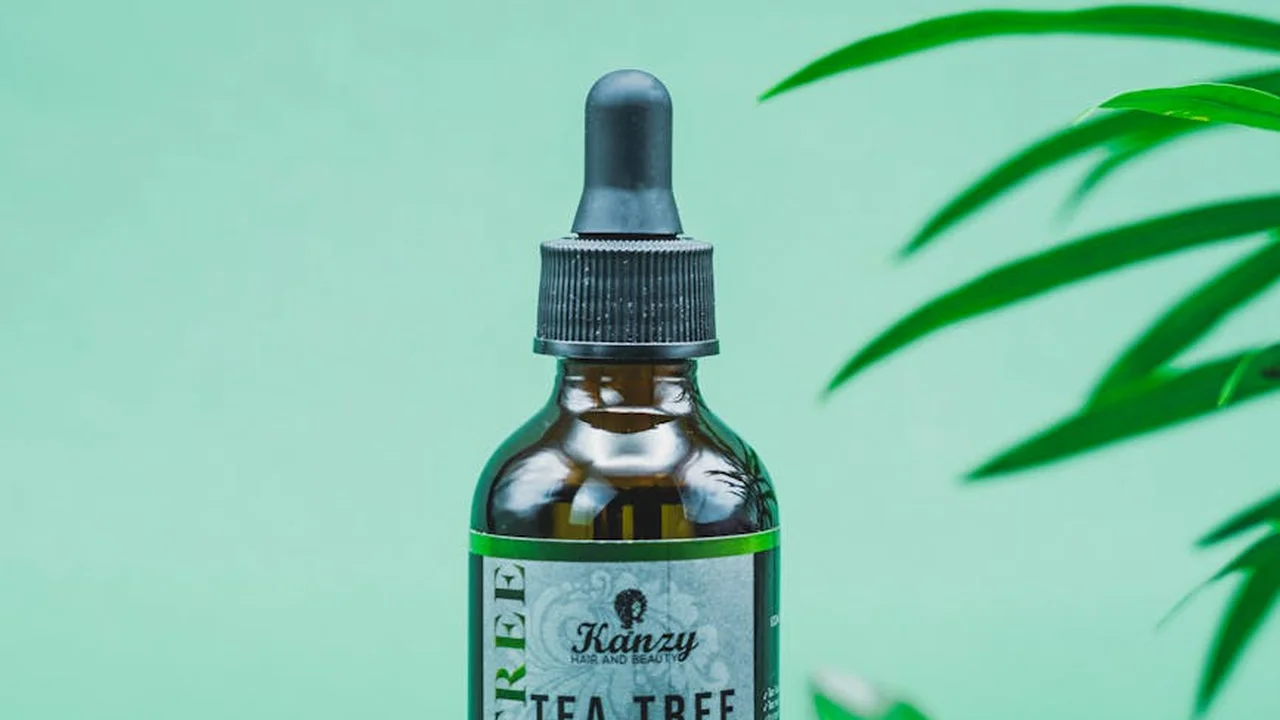
Let’s get practical. This is your simple guide to using tea tree oil effectively and safely. I want you to feel confident when you reach for that bottle.
We’ll walk through everything from choosing the right product to applying it for your specific goal.
Step 1: Start with the Right Form-Pure Oil or Product?
Your first choice is between pure tea tree essential oil and a ready-made tea tree hair product.
Pure oil is my go-to for custom blends. I love mixing it myself so I know exactly what’s going on my scalp. It’s perfect for targeted treatments like a pre-shampoo scalp massage.
Ready-made products, like a good tea tree hair oil or a thickening shampoo, are fantastic for convenience. When I pick one off the shelf, I look for a brand that lists tea tree oil (Melaleuca alternifolia) clearly and doesn’t overload the formula with harsh sulfates. This choice answers the common question, “can I put tea tree oil on my hair?”-yes, but the form matters.
Step 2: Dilute, Dilute, Dilute for Safe Use
If you’re using pure essential oil, this step is non-negotiable. Tea tree oil is potent.
My favorite, easy-to-remember ratio is 3 drops of tea tree oil per tablespoon of a gentle carrier oil like jojoba or sweet almond. This dilution is how you can safely use tea tree oil on your hair without risking a reaction. Proper dilution ratios are key when mixing essential oils with carrier oils.
Skipping this can lead to a stinging scalp, redness, and dryness. In severe cases, that irritation can damage follicles, which touches on concerns about can tea tree oil cause hair loss-it’s usually the irritation, not the oil itself, that’s the problem.
Step 3: Apply for Your Specific Goal
Now, let’s put it to work. Your method changes based on what you want to address.
For overall scalp health and dandruff, mix your diluted oil blend. Part your hair in sections and massage it directly onto your scalp with your fingertips. I let this sit for about 15-20 minutes before hopping in the shower to shampoo. This gives it time to work without overstaying.
For an ingrown hair along your hairline or neck, the approach is different. Take a tiny dot of your diluted mix on a clean cotton swab or finger. Apply it just to the bump itself. You can leave this on and won’t need to wash it immediately.
Step 4: Integrate into Your Routine Gently
Start slow. Your scalp needs to adjust.
I recommend using a diluted scalp treatment just once a week to begin. For ready-made products like a tea tree leave-in conditioner, follow the label instructions but pay attention to how your scalp feels. This gradual approach helps you figure out if you can leave tea tree oil in your hair comfortably, or if a rinse-out treatment is better for you.
Before any new product touches your scalp, do a patch test. Dab a little diluted oil or product behind your ear. Wait 24 hours. If your skin is happy, your scalp likely will be too.
Common Mistakes with Tea Tree Oil and How to Sidestep Them
We’ve all been eager and made a misstep. Think of this as friendly advice from someone who’s learned a thing or two.
Applying It Straight from the Bottle
I see this often, and my scalp tingles in sympathy just thinking about it.
Pure tea tree oil is incredibly concentrated. Applying it directly causes a hot, burning sensation. That burn signals irritation that can inflame hair follicles and potentially lead to breakage or temporary shedding.
Always, always dilute it. The benefits only come when it’s properly mixed with a carrier.
Using Too Much, Too Often
More is not better. Tea tree oil is a clarifier.
Using it daily or using too many drops in your mix can strip away your scalp’s precious natural oils. This can leave your scalp dry, tight, and ironically, even itchier than before you started.
If you notice increased flakiness or a papery feel, you’re likely overdoing it. Scale back to once a week and ensure your dilution is correct.
Not Pairing It with a Nourishing Carrier Oil
Tea tree oil cleans and clarifies. It doesn’t moisturize.
Think of it like using a facial cleanser. You wouldn’t just cleanse and skip moisturizer, right? Your scalp needs the same balance. A good carrier oil delivers the tea tree and then stays behind to nourish the skin and hair follicle. If you’re curious, discovering which oils are best for scalp health, dandruff control, and hair loss prevention can guide your choices. A few well-chosen oils can simplify your routine and enhance results.
On my shelf, I always have jojoba oil (it mimics scalp oil), argan for extra shine and softness, and fractionated coconut oil for a light, non-greasy feel. They make all the difference.
Navigating Tea Tree Oil Hair Products: A Shopper’s Guide

With so many options, picking a tea tree product can feel confusing. Think of it like choosing a tool for a job. You need the right one for your specific task.
I keep a few different formulas in my own routine. Each one serves a unique purpose.
Shampoos, Treatments, and Creams: What’s What?
Let’s break down what you’ll find on the shelf.
A good tea tree hair thickening shampoo cleanses with a gentle, purifying lather. It whisks away the daily buildup that weighs hair down. The result is a scalp that feels refreshed and hair that has more natural lift and volume from the roots.
A tea tree hair and scalp treatment is a different beast. It’s a more concentrated, leave-on product. You massage it into your scalp after washing and let it work. This is your targeted strategy for persistent flakiness or itch.
For styling, you might see tea tree hair gel or shaping cream. These offer hold with a benefit. They can help keep the scalp environment fresh under your style, though the primary job is managing your look.
Are These Products Safe for Colored or Treated Hair?
This is a common worry. The tea tree oil itself is not the enemy for your color.
Well-formulated, diluted tea tree products are generally safe. The real culprit for fading color is harsh sulfates, not the tea tree oil. Look for products labeled “color-safe” or “sulfate-free” to be sure.
My rule is to always do a strand test first. Apply a bit of the new product to a hidden section of hair, wait a day, and check for any unwanted reaction.
Can I Use It on My Eyelashes or Eyebrows?
I must be very clear here. You should never use pure, undiluted tea tree oil near your eyes.
The risk of irritation or getting it in your eye is too high. If you are determined to try, the dilution must be extreme. We’re talking one single drop mixed into an entire bottle of a lightweight carrier oil like jojoba.
You could then apply a tiny amount with a meticulously clean spoolie brush. For any serious concerns about brow or lash health, consulting a dermatologist or professional aesthetician is the wisest and safest path.
Tea Tree Oil Compared: How It Stacks Up Against Other Hair Oils
Tea tree is wonderful, but it’s not a one-oil-fits-all solution. Understanding how it differs from other popular oils helps you build a smarter routine, especially when you purchase oils online or in stores.
It’s like knowing when to use a disinfectant versus a conditioner.
Tea Tree Oil vs. Peppermint Oil
Think of their sensations. Tea tree offers a medicinal, clarifying punch that tackles microbes and gunk.
Peppermint oil creates a distinct cooling tingle on the scalp. This sensation is thought to stimulate blood flow. While tea tree cleans up the environment, peppermint may help wake up the hair follicles with that icy rush.
In my own scalp serums, I often use them as a team. They complement each other beautifully.
Tea Tree Oil vs. Castor Oil
This is a contrast of texture and purpose. Tea tree oil is light and cleansing.
Castor oil is famously thick, sticky, and deeply nourishing. Use tea tree for scalp health and castor oil to seal moisture into the length of your hair shaft.
They work on different areas. I might use a tea tree shampoo on my scalp, then apply a bit of castor oil to my dry ends as a sealant.
Tea Tree Oil vs. Argan Oil
Here’s my favorite analogy. Tea tree oil is the scalp’s janitor. Argan oil is the hair’s silken robe.
Argan oil is a superstar for adding shine, taming frizz, and smoothing the hair’s surface. It doesn’t deeply cleanse the scalp like tea tree. These two oils address completely different concerns, which is why you often see them used in sequence: tea tree for the scalp wash, argan for the ends treatment.
Common Questions
Which tea tree hair product is right for me?
Choose based on your goal: a thickening shampoo for daily clarifying, a scalp treatment for targeted issues, or a light hair oil for a diluted, pre-wash massage. Styling products like gels offer hold with a refreshing benefit but are less about treatment.
Can I use tea tree oil on a sensitive scalp?
Yes, with extra care. Always perform a patch test with your diluted blend first, and consider starting with a product already formulated for sensitivity. The key is a proper dilution and listening to your skin’s response.
What’s the best carrier oil to mix with tea tree oil for my hair?
Jojoba oil is my top pick as it closely mimics the scalp’s natural sebum. For a lighter feel, try fractionated coconut oil, or use argan oil if you want added shine and moisture for your hair ends. This aligns with the science of sebum and natural hair oils in balancing scalp production. Exploring these dynamics can help you choose oils that support a healthier, balanced scalp.
Can I use tea tree products with other active ingredients like salicylic acid?
Proceed with caution, as combining potent actives can increase irritation risk. I recommend using them on alternating days, not together in the same application, to safely assess your scalp’s tolerance.
How long until I see results from using tea tree hair products?
For issues like itchiness or flakiness, you may notice relief within a few uses. For improvements in overall scalp health and hair fullness, consistency is key-look for changes over 4 to 6 weeks of regular use.
A Parting Note on Tea Tree and Hair Care
The single most important rule with tea tree oil is to always dilute it in a carrier oil before it touches your skin or scalp. This simple practice transforms a potent botanical into a safe, versatile ally for your hair routine, from soothing your scalp to managing pesky ingrown hairs. Proper dilution is equally essential when using it on skin for various conditions.
I encourage you to follow along here for more trusted guidance and begin your own experiments. Start with one simple recipe from your own shelf, and you might just find a new favorite in your wellness toolkit.
References & External Links
- Paul Mitchell Tea Tree Hair Loss Lawsuits | Irritation | ClassAction.org
- Tea Tree Oil for Healthy Hair: What to Know
- Tea Tree Oil for Hair | Good Health by Hims
- Amazon.com : Tea Tree Shampoo and Conditioner Set for Hair Growth, Thinning Hair Loss Treatments Women & Men, Thickening Products, Paraben & Sulfate Free 20.2 FL Oz Each. : Beauty & Personal Care
- Tea Tree Oil Benefits for Treating Hair Loss | Divi
- r/HaircareScience on Reddit: Hair loss due to tea tree oil?
Noemi Kamińska
Noemi is an accomplished wellness researcher, nutrition care guide and body care expert. She has years of experience in formulating various oil combinations for full body wellness including face, hair, body care, essential oils and cooking oils. She works as a bio-formulator working with oil chemistry and analyzing the best formulations when it comes to your needs. Feel free to reach out to get your oil needs sorted.