
What Are the Biblical Meanings and Rituals for Anointing with Oil?
If you feel curious or hesitant about using oil in a spiritual way, you are in good company. From my own shelf, where frankincense sits beside my everyday lavender, I’ve seen how this ancient practice offers real comfort and focus.
My goal is to give you a clear, practical foundation so you can approach anointing with confidence. We will look at:
- The core purposes of anointing in scripture.
- Oils traditionally used and why they matter.
- Simple, respectful methods you can use at home.
- How to weave this practice into your own moments of wellness.
What Are the Biblical Meanings of Anointing with Oil?
At its heart, anointing with oil is about setting apart, healing, and blessing. It is a tangible act that marks a person or object as special, dedicated to a holy purpose.
The smooth, flowing oil represents a transfer of spiritual authority, comfort, or consecration in a way that everyone present could see and smell.
In the Old Testament, we see this with the consecration of priests and the coronation of kings. A fragrant oil was poured on their heads, a public and sensory declaration of their new role.
The New Testament shares moments like a woman anointing Jesus’s feet with costly perfume, or the disciples using oil to pray for the sick. The act became deeply personal.
I always think about the tactile experience-the warmth of the oil in the palm, the gentle pressure of application, the way the fragrance lingers in the air. It made the spiritual moment physical.
This wasn’t just symbolism; oil was a cornerstone of ancient wellness, used to soothe muscles, cleanse wounds, and perfume living spaces, blending everyday care with sacred ritual.
Anointing in the Old Testament: Consecration and Authority
Take the story of Samuel anointing the young shepherd David as future king. He used a horn filled with oil, likely a specially prepared blend.
That oil probably contained olive oil as a base, infused with spices like myrrh or cinnamon, creating a rich, spicy-sweet aroma that filled the space.
The physical pouring of oil directly connected to spiritual realities-it visibly signified God’s favor, protection, and Spirit resting upon the chosen person.
Anointing in the New Testament: Healing and Honor
Here, anointing often focuses on compassionate care. The woman who anointed Jesus with spikenard oil performed an act of profound honor and devotion.
Later, Jesus instructed his followers to anoint the sick with oil for healing. This brought the practice into homes and communities as a tool for comfort and prayer.
This shift turned anointing into a communal care practice, where the simple, fragrant oil served both the body and the spirit in times of need.
The Botany of Blessing: Oils Mentioned in Scripture
The oils named in scripture are not vague symbols; they are specific, aromatic botanicals with properties we still appreciate today. Let’s explore four key ones and their definitions and common uses.
Olive Oil
Olive oil is the foundational carrier oil, pressed from ripe fruit. Its scent is mild, grassy, and faintly fruity, with a smooth, rich texture.
Historically, it was extracted using stone presses. Its moderate viscosity makes it a nourishing moisturizer for dry skin and a classic hair conditioner, which is why I keep a bottle of extra virgin olive oil in my kitchen and my craft room.
Myrrh
Myrrh is a thick, resinous essential oil with a deep, warm, and slightly bitter aroma. It was harvested by wounding the bark of the Commiphora tree to collect the gum resin.
Compared to olive oil, myrrh resin is much thicker. Today, its essential oil is valued for soothing skin irritations. Always dilute myrrh essential oil in a carrier oil; its potency can be too strong for skin on its own.
Frankincense
Frankincense offers a bright, woody-citrus scent from the resin of Boswellia trees. Like myrrh, it was collected by tapping the bark.
Its viscosity is lighter than myrrh’s. In modern wellness, frankincense essential oil is loved for promoting a calm atmosphere and supporting even-looking skin. For safe use, I always mix a drop or two of frankincense into a spoonful of jojoba oil before applying it to my face or wrists.
Spikenard
Spikenard is a precious essential oil from a root, with an intense, earthy, and floral scent. It was used in very costly perfumes and ointments.
The oil itself has an oily, medium-weight feel. Its aroma is deeply grounding. Because spikenard is so potent and expensive, a single drop diluted in a carrier oil is enough to create a meaningful, fragrant anointing blend for personal reflection.
Remember, essential oils like myrrh, frankincense, and spikenard are highly concentrated. For any topical use on body or hair, always dilute them in a gentle carrier oil like olive or almond oil to ensure they are safe and comfortable for your skin. If you have sensitive skin, choosing the right carrier oil is essential. A safe blending guide for the best carrier oils for sensitive skin can help you select gentle, skin-friendly options.
Your Anointing Oil Toolkit: Required Materials
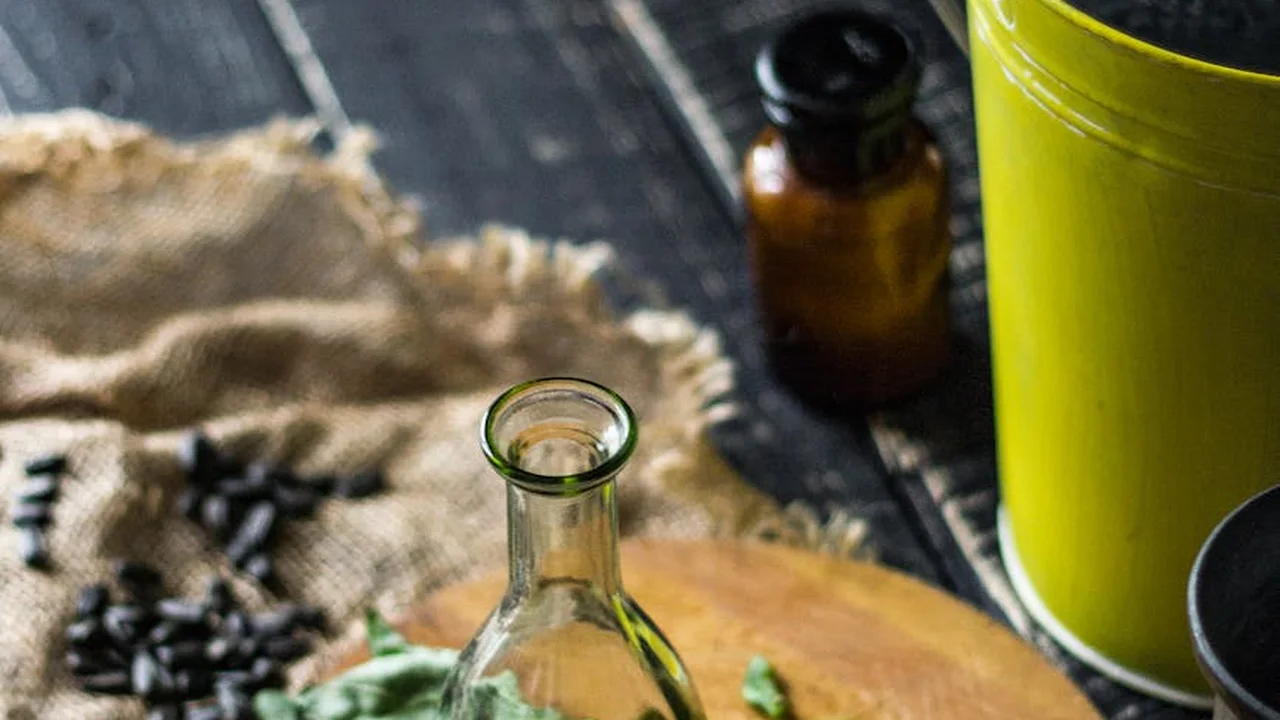
Gathering your supplies is the first practical step. Think of it as preparing a quiet space for prayer. I keep a dedicated basket on my apothecary shelf for this purpose. Having everything in one place turns the making into a focused ritual, not a scavenger hunt.
The Foundation: Carrier Oils
Your carrier oil is the base. It dilutes potent essential oils and carries your prayer onto the skin. Choose a pure, food-grade oil you trust, as this is a product for personal sacred use.
- Organic Olive Oil: This is the most traditional choice, rich in history and deeply nourishing for the skin. Its golden color and gentle, earthy scent feel ancient and grounding.
- Jojoba Oil: My personal favorite for its stability and silky texture. It absorbs beautifully without leaving a heavy residue, making it ideal for anointing the hands or forehead.
- Other worthy options include sweet almond oil or fractionated coconut oil. The key is purity and skin safety.
Intention & Aroma: Essential Oils
These are optional but powerful. They engage the senses and can align with your prayer’s purpose. Frankincense for reverence, lavender for peace, cedarwood for strength. Always use high-quality, authentic essential oils and dilute them properly in your carrier oil. For a gentle anointing blend, I rarely use more than 12 total drops of essential oil per ounce of carrier oil.
Vessels for Holding
You need something to mix in and something to store in.
- A small glass dish or bowl for mixing. I use a little ceramic one that feels special in my hands.
- A dark glass bottle (amber or cobalt blue) with a tight seal for storage. Dark glass protects the oil from light, which can cause it to spoil faster, preserving your anointing oil. A 1-ounce bottle is a perfect, portable size.
Tools for Precision & Memory
A few simple tools bring care and clarity to the process.
- Glass droppers let you add essential oils one precise drop at a time. This matters for both safety and intentionality.
- A small label is perhaps the most important tool. Write the date and a word or phrase of your prayer on the label-this personalizes your oil and roots it in a specific moment of faith.
With these simple items gathered, you are ready to create. Your toolkit is about quality, not quantity. Each item, chosen with care, supports the sacred act of making.
Quick Snapshot: Key Biblical Oils and Their Uses
These four oils have profound historical roots. I find having them in my apothecary connects daily rituals to deeper stories.
| Oil Name | Biblical Reference | Scent & Texture | Modern Ritual Use |
|---|---|---|---|
| Olive Oil | Used for lamps, food, and anointing kings (1 Sam 16:13) | Mild, smooth, golden liquid | A versatile carrier oil for skin and hair; base for blends. |
| Myrrh | A gift to Jesus (Matthew 2:11), used in holy anointing oil (Exodus 30:23) | Earthy, bitter, viscous resin | Promotes skin healing; add a drop to carrier oil for meditation. |
| Frankincense | Used in temple rituals and offered to Jesus (Matthew 2:11) | Woody, balsamic, thin resin | Calming for the mind; dilute for topical application or use in a diffuser. |
| Spikenard | Used to anoint Jesus’ feet (John 12:3) | Heavy, musky, earthy aroma | Often used in perfumery; a drop in a blend signifies deep devotion. |
How Do You Anoint Someone with Oil? A Gentle Guide
Anointing another person is a simple act of blessing. Follow these steps to do it with care.
- Prepare your heart and space. Choose a quiet moment. I often clear my kitchen table and light a single candle to focus my thoughts.
- Use a small amount of oil on your fingertip or a cotton swab. A drop is plenty. It should feel like a light kiss on the skin.
- Apply to the forehead, hands, or feet with a light touch, often in the shape of a cross. The forehead is common for blessing, the hands for service, the feet for journeying. The skin’s warmth gently releases the aroma.
- Speak a simple prayer or blessing aloud, tailored to the person’s need. Use your own words. For example, “May you feel peace today.” Your sincerity matters most.
Always ask for consent first, especially in a group setting. Respect personal boundaries. Someone might prefer to apply the oil themselves.
The oil can be washed off later with a gentle cleanser. This makes it easy to combine with any skincare routine.
Can You Anoint Yourself with Oil? Steps for Personal Ritual
Yes, you can. I anoint myself regularly. It’s a personal touchstone in my day.
Start with clean skin. Take one deep breath to arrive in the moment.
- Place a tiny drop of oil on your fingertip. For your face, use a light dilution (one drop of essential oil in a teaspoon of carrier oil) to avoid clogging pores.
- Gently apply it to your own forehead or wrists. I use my wrists in the morning to carry the scent with me.
- As you apply, whisper an intention. It could be “strength” or “calm.” This sets the tone.
This practice is a moment of sensory pause and intention-setting. It turns a daily act into a mindful ritual of self-care.
Pair it with your morning routine to start the day grounded, or before bed to encourage restful sleep.
Crafting Prayer and Intention: How to Bless Your Oil
Blessing oil is about infusing it with purpose, not following a magical formula. Your focus is the key.
Hold the bottle in your hands. Feel its weight and temperature. You can pray over it silently or speak your hopes aloud. When I mix oils, I focus on a specific need, like comfort or clarity, and that intention blends right in. Essential oil blends can bring your intentions to life, especially when paired with lavender for its soothing properties.
The act itself (the careful blending of botanicals) is a form of prayer. Your attention is the blessing.
Keep your language accessible and heartfelt. Here are two ways I often use.
For Healing and Comfort
Add a drop of lavender or chamomile essential oil to a carrier oil. Their calming properties are well-known.
Pray for physical or emotional restoration as you mix. Say something like, “May this bring gentle ease.” I have a small amber bottle of this blend for quiet evenings.
For Consecrating a Space
Use a citrus oil like lemon for its cleansing, bright scent. It smells like a fresh start.
Anoint doorframes or windowsills with a drop as a ritual for home protection and peace. I did this when I first moved into my current home, tracing the scent along the front door.
Recommended Botanical Oils for Anointing Today
You can start with oils that are easy to find and gentle to use. Here are my go-to categories.
Carrier Oils:
- Organic olive oil (traditional): Rich and nourishing. It’s my first choice for a simple anointing oil.
- Jojoba oil (similar to skin’s sebum): Light and absorbs quickly. It won’t leave a heavy feel.
- Almond oil (light for all skin types): Very gentle. I use this for blends meant for the face or sensitive skin.
Essential Oils for Blending:
- Frankincense (for spirituality): Its woody scent promotes a quiet, focused mind.
- Lavender (for calm): A versatile oil that soothes nerves. I always have a bottle on my shelf.
- Cedarwood (for grounding): Earthy and warm. It feels like a steadying breath.
- Rose (for love): Deeply floral. One drop can signify heart-centered intentions.
Always dilute essential oils in a carrier oil. Use 1-2 drops per teaspoon of carrier oil. Patch test on a small area of skin first to check for sensitivity. When you mix essential oils with carrier oils, you can create safe, effective body treatments. Explore how to do this safely and effectively.
Look for oils at local health stores or from reputable online suppliers who provide purity testing. Quality matters.
Integrating Anointing Oil into Modern Wellness Routines
This ancient practice fits neatly into modern life for body, skin, hair, and home.
For Skin: Use a drop of your blessed oil blend as a final moisturizing step. It delivers nourishing fatty acids directly to your skin. I press mine onto damp skin after washing my face.
For Hair: Massage a small amount into dry ends before shampooing. This tames frizz and adds shine as a pre-wash treatment. It’s a practical way to care for your hair with intention.
For Home: Anoint a soft cloth with a citrus blend to wipe surfaces. This symbolically cleanses the space while leaving a fresh, bright scent behind. I do this when I clean my kitchen counters.
For Wellness: Apply oil to your pulse points during prayer or meditation. The scent provides a sensory anchor, helping to calm and focus your mind.
Let your intuition and the oil’s natural scent guide you. The ritual is wonderfully adaptable.
How Do You Anoint Someone with Oil? A Gentle Guide
This act is about presence, not performance. It’s simple, quiet, and deeply personal. I keep a small bottle of anointing oil on my apothecary shelf, blended with frankincense and myrrh in a base of pure olive oil, for moments that call for a tangible prayer.
Step 1: Prepare Your Heart and Space
Intentionality is the first ingredient. Find a quiet corner. You might light a single candle or simply take three deep breaths. The goal is to shift from everyday hurry to a space of focused care. This quiet preparation turns a simple action into a sacred ritual.
Step 2: Use a Small Amount of Oil
A little goes a very long way. Dip the very tip of one finger into the oil, or use a clean cotton swab. You only need enough to make a light mark on the skin, about the size of a pea. I prefer using my fingertip for the warmth and direct connection it provides.
Step 3: Apply with a Light Touch
Gently apply the oil to the person’s forehead, the back of their hands, or the tops of their feet. The forehead symbolizes blessing and presence. The hands speak of work and service. The feet represent journey and grounding. Often, a small cross is traced, a quiet symbol of faith and consecration that has been used for centuries. Your touch should be soft, a whisper of contact.
Step 4: Speak a Simple Prayer or Blessing
Words give voice to the intention. You don’t need elaborate language. Speak from your heart for their need. It can be as simple as, “May you know peace,” or “I ask for healing and comfort for you.” Say it aloud. The sound makes the prayer part of the shared space between you.
A Note on Consent and Comfort
Always, always ask first. A quiet, “May I anoint you with oil?” is the foundation of this ritual. In group settings, some may prefer to anoint themselves. Honor that. The physical ritual should never override a person’s sense of safety or autonomy.
On Washing the Oil Away
The prayer remains even after the oil is gone. If the person needs to wash for their skin care routine or simply feels ready, that’s perfectly fine. The symbol has done its work. The olive or other carrier oil used is typically nourishing, but a gentle cleanser will remove it easily whenever they choose.
Can You Anoint Yourself with Oil? Steps for Personal Ritual
Yes, you absolutely can anoint yourself with oil. I do this regularly in my own home. Applying oil to yourself is a simple, personal act of care that connects ancient tradition to your daily wellness.
Think of it like a mindful touchpoint in your day. Here is a method I use and share with friends.
- Start with clean, dry skin. This removes barriers and lets the oil work with your body.
- Pause and take one deep, calming breath. Feel your shoulders relax.
- Place a drop of oil on your fingertip. Gently press it to the center of your forehead or the inside of your wrists.
That’s the core of it. The warmth of your skin will help release the aroma.
Try pairing this with another part of your routine. A morning anointing can set a focused tone for the day. A drop of citrus oil on my wrists is how I often start. An evening ritual, perhaps with lavender, tells your body it’s time to unwind.
If you’re applying oil to your face, like the forehead, dilution is key. For facial skin, always mix one drop of essential oil into a teaspoon of a light carrier oil, like jojoba or grapeseed. This protects your pores and prevents irritation. The bottle on my shelf for this is always a diluted blend.
This practice is a modern form of self-care. It forces a sensory pause. For those few seconds, you are just feeling the oil and setting a quiet intention. It’s a small act, but it can reshape a moment.
Crafting Prayer and Intention: How to Bless Your Oil
Blessing an oil is about focusing your purpose into it. It is not a magical incantation. Think of it like infusing water with lemon. The lemon changes the water’s nature through simple, patient presence.
You can bless oil in quiet ways. Hold the bottle in your hands. Close your eyes. Speak your hope or gratitude over it. Another method is to mix your oils while focusing completely on a specific person or need. Your focused attention is the key ingredient.
Your words can be simple. Speak them quietly or in your heart.
- For healing: “May this oil bring comfort and restoration.”
- For peace: “Let this blend be a reminder of calm and safety.”
- For dedication: “I set this apart for purposes of love and care.”
The careful act of blending botanicals is itself a form of prayer. Measuring each drop, noticing the scent change, you are fully present in an act of creation.
Keep your language plain and heartfelt. This practice is about connection, not complex terminology.
For Healing and Comfort
I often reach for lavender or Roman chamomile essential oils here. Their gentle, herbaceous scents are known for soothing tension. They feel like a soft blanket for the senses.
Start with a tablespoon of a simple carrier oil like jojoba. Add 2 or 3 drops of your chosen essential oil. As you stir, pray for physical ease or emotional rest. Picture the person feeling held and supported.
This blend can be applied to the temples, wrists, or feet as a comforting touch. Always dilute essential oils properly for skin safety.
For Consecrating a Space
Citrus oils like lemon, sweet orange, or frankincense work beautifully here. They have a bright, clarifying scent that feels like opening the windows on a spring morning.
For a home ritual, place a drop of this oil on your finger. Gently mark the doorframes or windowsills of your home. As you do, you can ask for protection, peace, and welcome within those walls.
Anointing these boundaries is a tangible way to set your intention for the space inside. The fresh scent that lingers serves as a daily reminder.
I keep a small bottle of lemon and olive oil mixed just for this purpose on my own shelf. It feels like a quiet act of care for my home.
Recommended Botanical Oils for Anointing Today
You don’t need a special, pre-blessed oil to begin a personal practice. I build my own anointing blends from simple, high-quality botanical oils. The key is to choose oils that feel right for your intention and your body.
Choosing Your Base: Carrier Oils
Think of a carrier oil as the canvas for your blend. It safely carries essential oils onto your skin. My own shelf has a few favorites I reach for again and again. Curious about the best carrier oils for skin for diluting essential oils? I’ll cover that next.
- Organic Olive Oil: This is the traditional choice, used for millennia. It has a rich, earthy scent and a slightly heavy feel. I use it when I want that deep historical connection.
- Jojoba Oil: This is actually a liquid wax, very similar to our skin’s own sebum. It absorbs beautifully without feeling greasy. It’s my go-to for anointing wrists or the face.
- Sweet Almond Oil: Light, gentle, and almost odorless, this is a wonderful all-purpose oil. It’s perfect if you have sensitive skin or want the essential oil’s aroma to shine through.
Adding Intention: Essential Oils for Blending
A single drop of essential oil transforms a simple carrier into a fragrant, purposeful blend. These potent plant essences are the heart of your anointing ritual, where aroma meets intention.
- Frankincense: The classic sacred oil. Its deep, woody, slightly citrus scent has been used for prayer and meditation for centuries. I find it clears my mind and creates a sense of solemn space.
- Lavender: This is the oil of calm and comfort. Its soft, floral-herbal scent is like a gentle sigh for your nerves. I use it in blends for peace before sleep or during stressful moments.
- Cedarwood: Warm, woody, and incredibly grounding. Its scent feels like the strong roots of a ancient tree. I reach for it when I need stability, courage, or a feeling of being protected.
- Rose: The ultimate oil for matters of the heart. Its lush, complex floral scent promotes feelings of love, compassion, and self-acceptance. A single drop is powerfully uplifting.
Safety First: A Non-Negotiable Practice
Essential oils are powerful. Using them safely is an act of respect for both the plant and your body.
Always, always dilute essential oils in a carrier oil before applying them to your skin. A good starting ratio is 1 to 2 drops of essential oil per teaspoon (5 mL) of carrier oil. This makes a gentle, effective blend, especially when you learn to correctly dilute and mix them for hair and skin.
Before your first anointing, do a patch test. Apply a small dot of your diluted blend to your inner forearm. Wait 24 hours. If you see any redness or irritation, wash it off and try a different oil.
Finding Your Oils: A Note on Sourcing
Quality matters. Look for organic, cold-pressed carrier oils and 100% pure, unadulterated essential oils.
I find my oils at a local health food store where I can sometimes smell them first. For a wider selection, I turn to reputable online suppliers. Trustworthy companies will provide details on the oil’s botanical name, origin, and method of extraction. They often share third-party purity test results, which builds real confidence. I make sure to buy from reputable sources.
Integrating Anointing Oil into Modern Wellness Routines
You don’t need a temple to bring this practice into your home. The core idea is simple: using a consecrated oil with focused intention. This ancient act fits neatly into the care you already give your body and your space.
It turns a daily moisturizing step into a moment of quiet blessing.
For Your Skin: A Nourishing Seal
Think of your anointing oil blend as the final, intentional layer in your skincare. After your serum or lotion, take one drop of your blessed oil.
Warm it between your palms and gently press it onto your face, neck, or any dry areas.
This method uses the oil’s natural fatty acids to lock in moisture while carrying your prayer or affirmation into your day. On my own shelf, I keep a small bottle of jojoba and frankincense oil blended for this exact purpose-it’s my morning ritual before I even brush my hair.
For Your Hair: A Ritual of Care
Dry, frizzy ends can benefit from this mindful touch. About 30 minutes before you wash your hair, take a tiny amount of your anointing oil.
Rub it just on the ends of your hair, not the scalp.
Massaging it in tames frizz, adds incredible shine, and protects the hair from washing. The slow, careful application is the ritual itself. You’re not just treating hair; you’re tending to yourself with patience.
A Simple Pre-Wash Treatment
- Measure a pea-sized amount of your oil blend.
- Warm it between your fingertips.
- Gently work it through the last two inches of your hair.
- Leave it on for 20-30 minutes, then shampoo as usual.
For Your Home: Cleansing the Atmosphere
This is one of my favorite ways to reset a room. Take a clean cloth and add a few drops of a citrus-based anointing oil, like a blessed blend of olive and lemon.
Use this cloth to wipe down surfaces-a kitchen table, a windowsill, a doorframe.
As you wipe, you’re not just cleaning physically; you’re symbolically clearing the space for peace and new beginnings. The bright, clean scent itself feels like a fresh start.
For Personal Wellness: An Anchor to the Present
During prayer, meditation, or a moment of needed calm, your anointing oil becomes a sensory tool. Apply a small dab to your pulse points-wrists, temples, the base of your throat.
The warmth of your skin releases the aroma.
Let this specific scent become your anchor, a physical reminder of peace and presence that you can return to with just a deep breath. It grounds your thoughts through your senses.
Let Your Intuition Guide You
The most beautiful part of this practice is its adaptability. There is no single right way.
Your personal ritual is found in the quiet moment you take, guided by the oil’s scent and your own intuition. Maybe lavender calls to you for evening calm, while rosemary feels right for a focused morning. Trust that feeling. Start simple, and let the practice grow with you.
Quick Answers
What is the core purpose of anointing with oil in a personal practice today?
For a modern practice, the core purpose is to create a tangible, sensory moment of intention-whether for blessing, focus, or comfort. It bridges spiritual significance with the real, nourishing benefits of botanical oils for skin and wellness.
Can I use any oil I have at home for anointing?
You can, but for a safe and meaningful ritual, choose a pure, skin-safe carrier oil like olive or jojoba as your base. If using potent essential oils like frankincense, always dilute them properly to respect both the plant’s power and your skin’s health.
How can I involve others in this ritual respectfully?
Always ask for clear consent before anointing another person, as touch is personal. Offering the oil for them to apply themselves is a beautiful and always-respectful alternative that honors their autonomy.
How do I practically weave anointing into a busy day?
Anchor it to an existing habit, like applying a moisturizer or taking a morning pause. A single drop on your wrists as you set an intention transforms a routine moment into a mindful ritual.
How should I store my anointing oil, and how long does it last?
Store your blend in a cool, dark place in a sealed amber or cobalt glass bottle to protect the oils from spoiling. Most blends with fresh carrier oils will last for several months; trust your nose-if it smells rancid, it’s time to make a new one.
Tending Your Anointing Practice
The most vital step is to begin with clear, heartfelt intention. Your focus and reverence transform a simple oil into a sacred tool for body, spirit, and home.
I invite you to explore these ideas further here on the blog as your own practice grows. Trust the wisdom in your hands and the quiet knowledge that turns your home into a sanctuary.
Citations and Authoritative Sources
- What does the Bible say about anointing oil? | GotQuestions.org
- What Does the Bible Say About Anointing Oil and It’s Importance? | Bible Study Tools
- Holy anointing oil – Wikipedia
- What is Anointing with Oil in the Bible? Meaning and Examples | Christianity.com
- Should We Anoint the Sick with Oil (James 5:14–15)?
Noemi Kamińska
Noemi is an accomplished wellness researcher, nutrition care guide and body care expert. She has years of experience in formulating various oil combinations for full body wellness including face, hair, body care, essential oils and cooking oils. She works as a bio-formulator working with oil chemistry and analyzing the best formulations when it comes to your needs. Feel free to reach out to get your oil needs sorted.