
How Often Should You Oil Your Hair and Scalp?
If you’re staring at your oil collection unsure where to start, I’ve been there too. Finding your perfect oiling schedule is less about strict rules and more about listening to what your hair tells you.
The key is to match your oiling routine to your hair’s texture, scalp condition, and lifestyle. Here’s what we’ll cover to get you there:
- Why your hair type changes everything
- Clear signs you’re oiling too much or too little
- My go-to weekly routine for most hair types
- When a daily touch-up makes sense
- Three simple blends from my own shelf
Key Takeaways: Your Quick Oil Frequency Guide
Let’s start with the simple truths before we get into the details.
- Your perfect routine depends on your unique hair. Its texture, thickness, and how your scalp feels are your personal guide.
- Think of oil as a treatment, not a daily conditioner. Applying oil too often can lead to buildup, making hair look limp and feel greasy.
- Your scalp and your ends have very different needs. One might crave weekly moisture while the other needs just a dab here and there.
What Hair Oiling Really Does (And Doesn’t Do)
I keep a few different oils on my shelf for hair, and I use them in specific ways. Knowing what they can and can’t do saves you from disappointment. Additionally, understanding how to apply oils properly is crucial for getting the best results.
Oils are brilliant at smoothing and protecting. Imagine each hair strand has a shingled outer layer, called the cuticle. A light oil, like fractionated coconut or argan, helps lay those shingles flat. This seals in moisture and adds a beautiful sheen.
Oils create a barrier that prevents your hair’s natural moisture from escaping into dry air. For your scalp, certain oils like jojoba mimic your skin’s natural sebum, which can help soothe a dry, flaky feeling. They work by balancing your scalp’s oil production.
But oil is not a deep conditioner or a protein treatment. It mostly works on the surface. It won’t repair broken bonds inside the hair shaft. Think of it like putting a nourishing balm on your lips versus eating a nutrient-rich meal for your skin-both are valuable, but they work differently.
This practice is ancient and sensory. From Ayurvedic head massage to my grandmother’s rosemary-infused olive oil treatments, it connects us to tradition and a moment of quiet care. The ritual itself-the scent, the warmth, the massage-is half the benefit.
Finding Your Perfect Oil Rhythm: The Key Factors
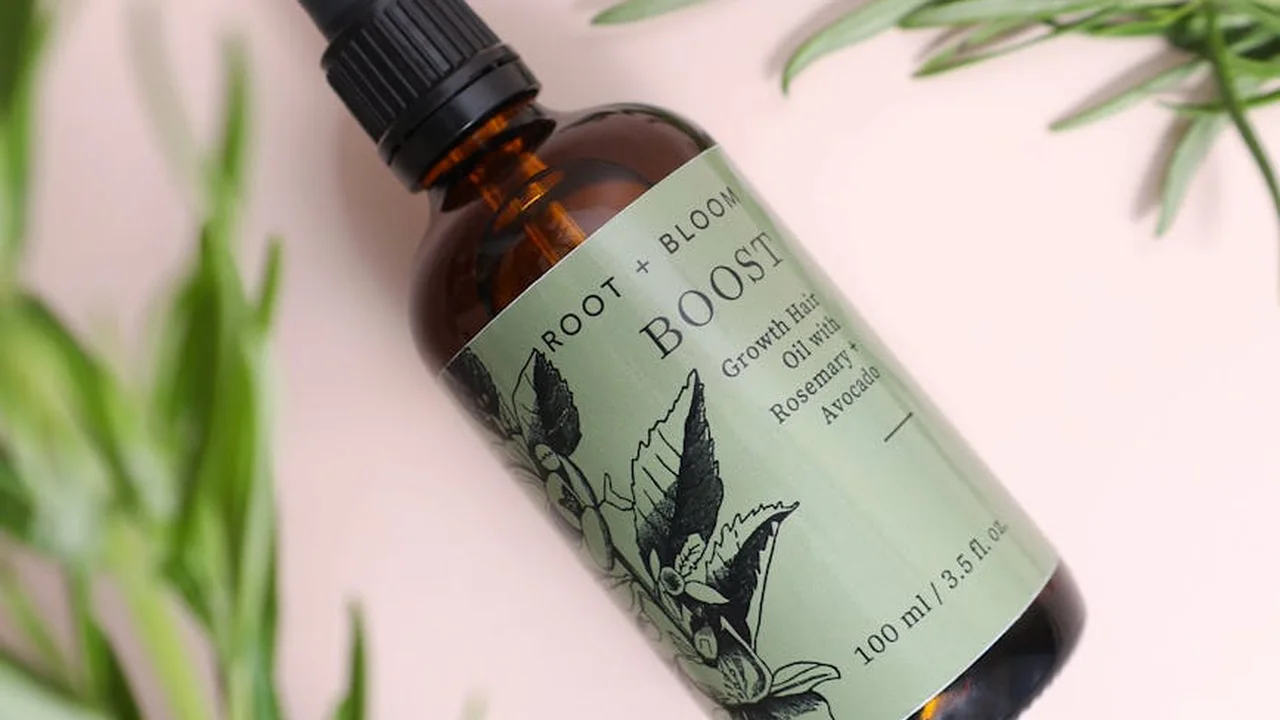
Think of oiling your hair like watering a plant. You check the soil. You look at the leaves. You learn its language. Your hair speaks to you every day, and learning to listen is the first step to a great routine.
Your scalp type is the boss here. It sets the pace for how often you apply oil directly to your roots. A dry scalp craves moisture, while an oily one needs a lighter touch. Your hair’s texture and porosity then tell you how much oil to use and where it will go. Curly, coily, or high-porosity hair often drinks oil up, while fine, straight hair can get weighed down faster.
So, how many times a week should you oil your scalp? For most people, once or twice is the sweet spot. I treat my own scalp to a light oil treatment every Sunday night before my Monday wash. This weekly date gives it a deep moisture boost without overwhelming it. If you’re chasing maximum benefits, you’ll want to consider how long to leave the oil on your scalp. The dwell time can vary by oil and hair type, and I’ll cover the optimal duration in the next steps.
Remember, a heavy pre-wash treatment is not the same as a daily leave-in. A pre-wash is a conditioning event you rinse out. A daily oil is just a drop or two smoothed on your ends to seal in moisture and fight frizz. Keeping this difference clear stops you from overdoing it.
Signs Your Hair Is Asking for Oil
Your hair will tell you when it’s thirsty. Look for these signals. Dull, lifeless strands that don’t shine. A rough, straw-like texture when you run your fingers down a hair strand. Frizz that pops up almost immediately after drying, especially in humid air. More split ends than usual. An itchy, tight-feeling scalp can also be a cry for moisture.
Now, notice the signs of too much oil. If your hair looks limp and flat by midday, or your roots feel greasy again just hours after washing, you might be over-applying. Your hair might also start to refuse other products, like stylers or mousses, because it’s already saturated.
When your comb glides through without tugging and your hair has a soft sheen, you’ve found your balance. It’s a feeling more than a rule.
How Your Scalp Guides Frequency
If you have a dry, flaky scalp, think of light and frequent moisturizing. A few drops of a light oil like jojoba or sweet almond, massaged in a couple times a week, can soothe that tight feeling. It’s like giving your scalp a long, cool drink of water.
For an oily scalp, focus your oil on the mid-lengths and ends. You can still treat your scalp, but do it sparingly-maybe once every week or two-and always before a shampoo. I keep a small bottle of grapeseed oil on my shelf for clients with this concern because it’s so lightweight. You might also wonder when to apply oil—before or after washing—and whether the best approach varies by hair type.
An irritated or flaky scalp often needs specific, targeted oils like tea tree or rosemary, not necessarily more oil. Sometimes, the goal is to balance and clarify, not just add moisture.
How Long to Leave Oil In for Different Goals
Timing changes everything. A quick pre-shampoo treatment needs only 30 minutes to an hour to penetrate the hair shaft before you wash it out. For a deep conditioning rescue, leaving oil in overnight under a silk cap lets it work its magic while you sleep.
That single drop of argan or camellia oil on your dry ends? You don’t rinse that out at all. It’s a daily finisher. I do this almost every morning on my own dry ends to tame flyaways and add softness.
People often ask how long to oil cleanse, which is a different process. Oil cleansing for the scalp is about dissolving buildup, so you massage for 5-10 minutes and then shampoo it out. It’s a cleanse, not a moisturizing treatment you leave on. Getting this goal clear makes the timing easy to remember.
Your Hair Type Oil Guide: From Fine and Straight to Thick and Curly
Your hair’s texture and needs are your personal map. Let’s walk through each type and answer “can you oil your hair every day” with clarity.
Fine, Straight, or Oily-Prone Hair
Your hair can feel greasy quickly and lose volume. You need the lightest touch possible.
Oils like jojoba are perfect. They feel silky and absorb fast, almost like your hair’s own sebum.
For a pre-wash treatment, once a week is plenty, and only apply from the ears down.
A tiny drop-smaller than a pea-on dry ends can be used daily. I do this from my own shelf to smooth flyaways without touching my roots.
Avoid heavy oils like coconut on your scalp. They will lead to buildup and make fine hair look limp.
Wavy, Curly, or Coily Hair
Your curls need moisture locked in. Richer, more emollient oils are your best allies here.
Avocado oil has a buttery texture. Castor oil blends are thicker and excellent for sealing parched ends.
Pre-wash oiling 1 to 2 times a week is a good rhythm. Small amounts can absolutely be part of daily styling.
This is where methods like LOC (Liquid, Oil, Cream) or LCO (Liquid, Cream, Oil) help. The oil step seals your leave-in conditioner.
On my own hair, a single drop of avocado oil scrunched into damp waves adds definition and prevents frizz all day.
Dry, Damaged, or Color-Treated Hair
Your strands are thirsty. They often feel rough and look dull without extra help.
Highly nourishing oils like argan or marula work deeply. Argan oil feels luxurious and leaves a soft, shiny finish.
For intensive care, 2-3 pre-wash treatments per week are supportive. Using a drop on ends daily as a leave-in is very common and safe.
I massage a bit of argan oil into my color-treated ends nightly. It keeps them supple and reduces breakage.
Special formulas like bond-building oils (e.g., K18) are different. For questions like “can I use K18 oil every day,” always defer to the brand’s instructions, not standard oil practices.
The Daily Oil Question: Can I Oil My Hair Every Day?
I hear this question all the time. Can I oil my hair everyday? The honest answer is a classic herbalist reply: it depends entirely on *what* you’re oiling and *where* you’re putting it.
Applying oil directly to your scalp every day is a very different practice than using a tiny bit on your ends.
Potential Benefits of a Daily Touch
Using a minuscule amount on your hair lengths daily can offer consistent support.
- It provides a steady stream of moisture to parched ends, preventing split ends before they start.
- It adds a beautiful, healthy shine and smooths the hair cuticle for instant frizz control.
- It can act as a gentle heat protectant for daily styling with dryers or straighteners.
A single drop of a light oil on your ends is like giving your hair a sip of water instead of a full glass, perfect for maintaining balance between washes.
The Real Risks of Over-Oiling
Going overboard, especially on the scalp, can create problems that undo the benefits.
- Oil buildup can clog hair follicles, potentially leading to irritation or a flaky, unhappy scalp.
- It can leave fine or thin hair looking stringy, flat, and greasy by midday.
- Oil attracts dust and environmental dirt, which can make hair look dull and require more frequent washing.
Think of your scalp like soil; daily heavy oiling is like overwatering a plant, which can suffocate the roots you’re trying to nourish.
A Clear, Nuanced Verdict
Here’s my straightforward guidance from years of trial and error on my own hair and with clients.
For your scalp: I do not recommend applying oil directly to the scalp every single day. Save those nourishing scalp treatments for once or twice a week before a wash.
For your ends: Yes, you can oil your hair everyday, but only if you use a literal drop or two of a very lightweight oil and apply it only from the mid-lengths down.
Your hair type guides you here. Coarse, curly, or very dry hair might love a daily droplet. Fine, straight, or oily hair likely needs this only every other day or just before heat styling.
If You Want to Try a Daily Ritual
If your ends are calling for daily help, this is how I do it without causing buildup. The bottle of argan oil on my bathroom shelf is specifically for this.
Use only 1-2 drops of a light oil like argan, jojoba, or sweet almond. Oils like coconut or castor are too heavy for most hair types in a daily context. For maximum effectiveness, apply to a clean scalp and massage gently to boost absorption.
Warm the oil between your palms and apply it only to the mid-lengths and ends of your hair. I do this on either dry hair for shine or damp hair post-shower to lock in moisture. Avoid the roots entirely.
Commit to a weekly clarifying wash with a simple shampoo. This resets everything, removes any accumulated residue, and keeps your scalp breathing easy. It’s non-negotiable for a daily oiling practice. If you use coconut oil, a quick step-by-step wash-out guide can help remove buildup cleanly. That way your weekly clarifier stays effective without leaving residue.
Your Gentle Hair Oil Checklist: A Step-by-Step Method
This simple routine is my favorite way to treat my hair. Think of it as a slow, intentional moment of care that builds strength over time.
-
Start with dry or lightly damp hair. Both work, but they offer different experiences. Dry hair lets the oil adhere directly, which I prefer for a deeper treatment. A light mist of water can help thin, fine hair absorb oil more easily without looking weighed down. I keep a small spray bottle in my bathroom just for this. Choosing the right hair moisture level is key for getting the most out of any oil.
-
Section your hair for even application. This is the secret to avoiding a greasy top layer and a dry underlayer. Use clips to divide your hair into four parts. It feels like a salon treatment and ensures every strand gets attention. Trust me, it takes two extra minutes and makes all the difference.
-
Warm a few drops of oil between your palms. Never pour oil directly from the bottle onto your head. I pour a quarter-sized amount into my palm, rub my hands together, and take a breath. This warmth makes the oil more pliable and helps it spread. You can also feel the aroma release, turning the process into a mini aromatherapy session.
-
Massage onto your scalp with fingertips (if needed for your type). Use the pads of your fingers, not your nails, and make small, firm circles. I focus on areas that feel tight. This isn’t a vigorous scrub. It’s a gentle massage meant to stimulate and soothe. If you have an oily scalp, you might skip this step and focus only on your lengths.
-
Glide remaining oil down the hair shaft, focusing on ends. Your palms will still have plenty of oil left. Smooth it over your hair in a praying-hands motion. Your ends are the oldest, most fragile part of your hair, so they are always the priority. I coat them until they feel silky, not dripping.
-
Comb through for distribution. A wide-tooth comb is perfect here. It helps spread any remaining oil from root to tip and detangles gently. I use my favorite sandalwood comb. You will feel the oil creating a smooth, slippery texture as you comb. Don’t rush this part.
-
Cover with a towel or cap and leave for your chosen time. This contains the warmth from your scalp and lets the oil penetrate. A soft, old t-shirt works better than a terrycloth towel for reducing frizz. I often do this on a weekend afternoon while I tidy up the house. Even thirty minutes can be beneficial.
-
Wash out thoroughly with a gentle shampoo, sometimes needing two washes. Your first shampoo will emulsify the oil. The second wash will cleanse your scalp and hair. If your hair still feels slick, a third lather is okay. I find a gentle, sulfate-free shampoo works perfectly. Your hair will feel clean, but incredibly soft and supple, not stripped.
When Oil Isn’t the Answer: Important Limitations
More oil is not always better. I have seen beautiful hair suffer from a simple case of too much love.
Applying oil too often or leaving heavy oils on for days can clog your hair follicles, which can lead to hair thinning and loss. Your scalp needs to breathe just like your skin.
Never layer a fresh oil treatment on top of yesterday’s styling creams or dry shampoo. Oiling on top of product buildup creates a barrier that traps dirt and dead skin, inviting irritation. Always start with a clean slate.
If you have a flaky, itchy scalp with redness, you might be dealing with a fungal issue like seborrheic dermatitis. Oils can feed the yeast that causes these conditions, making symptoms much worse. Even antifungal oils like tea tree need a doctor’s guidance here.
Your inner arm is your best friend for testing. Always patch test a new oil blend on your skin before you commit to a scalp treatment. I do this without fail, even with oils I’ve used for years from a new supplier.
Finally, listen to your body. Botanical oils are wonderful for care and maintenance, but they are not a substitute for a diagnosis or treatment plan from a dermatologist. If your scalp is painful, inflamed, or losing hair in patches, please see a professional first, even if you are using oils meant for scalp health.
Your Questions, Plant-Based Answers
How do I choose between different plant oils like jojoba, argan, or coconut?
Match the oil’s weight to your hair’s texture. Light jojoba suits fine hair, rich argan nourishes dry curls, and coconut offers deep penetration for thick, porous strands. Compare jojoba, almond, and coconut oils to find the best carrier oil for your needs.
Should I apply oil to wet or dry hair for the best results?
Apply to damp hair to seal in moisture, or to dry hair for a deeper pre-wash treatment. The goal dictates the method-both are effective when done intentionally.
Can I mix several oils together to create a custom blend?
Absolutely! Blending lets you balance properties, like mixing light grapeseed with nourishing avocado. Start with simple two-oil combinations to learn how your hair responds.
Where does oiling fit in with my conditioner and styling products?
Use oil after water-based leave-ins to seal them in, or before heavier creams to help them spread. Think of oil as a finisher or a sealant, not a replacement for your core products.
What’s the most common mistake people make when they start oiling?
Using too much oil, too often. Begin with a few drops once a week, and observe how your hair feels over three washes-this patience prevents buildup and disappointment.
From My Apothecary Shelf to Yours
The single most important practice is to let your hair’s texture and your scalp’s feel direct your oiling schedule. I always see better results with a mindful, weekly ritual that nourishes without overwhelming, rather than a rigid daily routine.
I share these insights from years of blending for body, skin, hair, wellness, and home, and I welcome you to explore more with our community here. Trust this gentle guidance, and just as importantly, trust your own observations as you craft what works for you.
References & External Links
- A Hair Care Dilemma: How Often Should I Oil My Scalp? – Davines
- Guide to Hair Oiling: Benefits, Frequency, and Technique | Aussie
- How Often Should You Oil Your Hair: For Healthy Hair & Growth! – Cosmetic World
- Oiling Hair: How often should you oil your hair for quick hair growth | – The Times of India
- How Often Should You Oil Your Hair? A Comprehensive Guide – GK Hair USA
- How Often Should You Oil Your Scalp for Healthy, Hydrated Hair?
Noemi Kamińska
Noemi is an accomplished wellness researcher, nutrition care guide and body care expert. She has years of experience in formulating various oil combinations for full body wellness including face, hair, body care, essential oils and cooking oils. She works as a bio-formulator working with oil chemistry and analyzing the best formulations when it comes to your needs. Feel free to reach out to get your oil needs sorted.