
Can You Put Rosemary, Lavender, and Peppermint Essential Oils Directly on Your Skin?
I hear the worry in your voice when you ask about using these potent oils straight from the bottle. From my own experience blending oils at home, I can reassure you that safety comes down to one simple, non-negotiable rule: always dilute.
I’ll explain the safe, effective way to use each of these oils on your skin, just like I do in my daily routine. Here’s what we’ll cover:
- Why you should never skip the carrier oil.
- Specific tips for rosemary, lavender, and peppermint on skin.
- My trusted dilution ratios for a gentle, effective blend.
The Simple, Safe Rule: Why “Neat” is Not a Treat
Putting rosemary, lavender, or peppermint oil straight from the bottle onto your skin is usually a bad idea.
Think of an essential oil like a shot of espresso. It is powerful and concentrated. A carrier oil, like jojoba or sweet almond, is like the steamed milk in a latte. It mellows and spreads that potency so your body can enjoy it without overwhelm. Diluting an essential oil in a carrier is an act of skin care, not a reduction in the oil’s power.
This simple step prevents irritation and allows your skin to absorb the benefits comfortably.
Rosemary on Your Skin: The Clarifying Wake-Up Call
Rosemary oil smells like a walk through a sunny, dry herb garden. Its scent is herbaceous and clean, with a slightly camphoraceous, medicinal edge that feels clarifying.
On the skin, it often brings a mild, invigorating tingle. I keep a small bottle of rosemary diluted in jojoba oil in my post-workout kit. This herbaceous oil is a classic supporter of scalp vitality, a welcome component in post-exercise muscle blends, and cherished for promoting a clear-looking complexion.
Its clarifying nature means it can be too stimulating for sensitive or very dry skin types. Always do a patch test with your diluted blend. If you have a specific condition like vitiligo, talk with your doctor or a certified aromatherapist before using rosemary oil on your skin.
Lavender on Your Skin: The Soothing First-Aid Kit
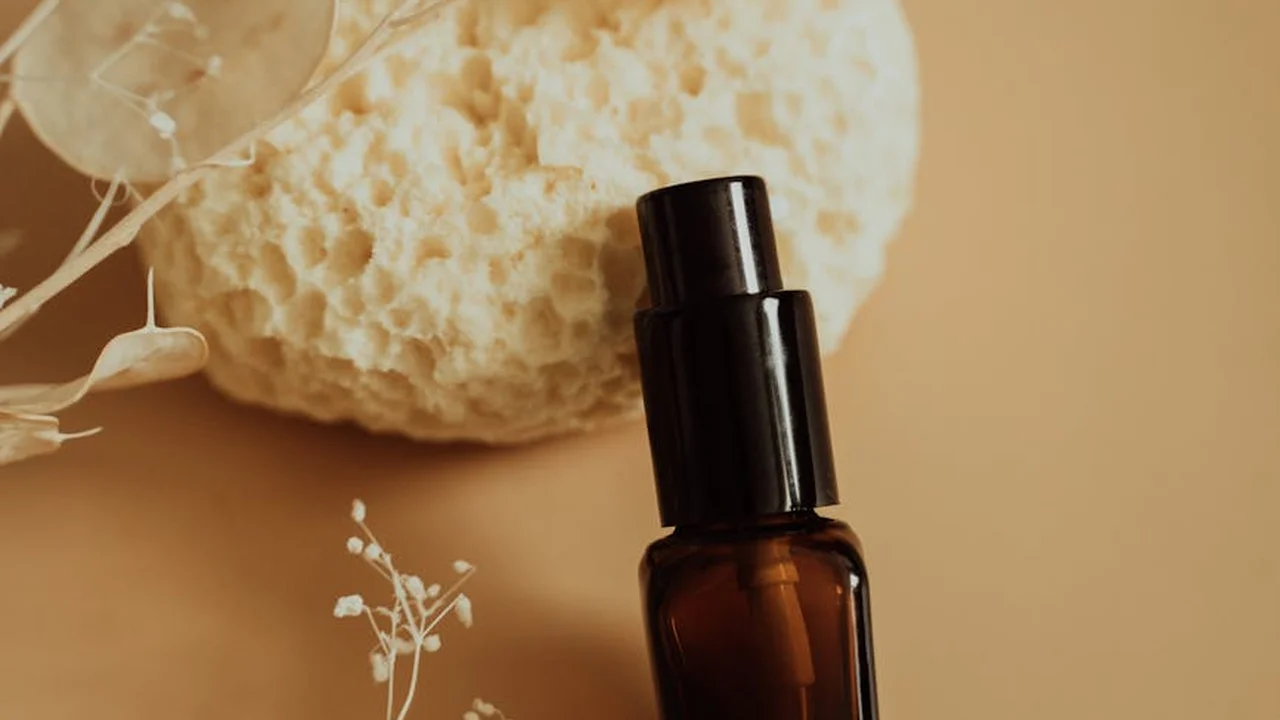
Of the three, lavender essential oil is the most forgiving for direct topical use. I keep a small bottle of pure lavender in my kitchen cabinet, right next to the honey, for those minor kitchen burns and scrapes. A single drop applied directly to a fresh bug bite or small burn can offer noticeable, quick relief.
This makes it a staple for skin that’s irritated or reactive. For eczema-prone or dry skin, lavender’s gentle nature is a gift, but it must work as part of a supportive team. I would never use it alone on large, sensitive areas.
Blending Lavender for Daily Care
For a daily soothing serum, I blend it into a moisturizing carrier oil base. This dilutes the essential oil safely and adds lasting hydration. My favorite carriers for this are jojoba or rosehip seed oil.
Here is my simple method:
- Add one tablespoon of your chosen carrier oil to a clean glass bottle.
- Add 3 drops of lavender essential oil.
- Cap the bottle and gently roll it between your palms to mix.
- Apply a few drops to cleansed skin, focusing on dry or irritated patches.
This creates a gentle 0.5% dilution, perfect for calm, daily support.
Listening to Your Skin’s Response
Genuine, high-quality lavender oil should feel calming, not alarming. The sensory cue is simple: it should bring a sense of relief, not a sharp sting or spreading heat. If you feel any prickling or discomfort, wash the area with a mild soap and carrier oil. That reaction is your skin asking for a break.
On my own shelf, a good lavender smells herbaceous and slightly floral, like a sunny hillside. If a bottle smells harsh or chemically, I don’t use it on my skin. Trusting that instinct has always served me well.
Peppermint on Your Skin: The Icy-Hot Reality Check
Peppermint oil delivers a powerful, instant cool. It feels like a brisk winter wind on your skin.
This intense sensation is why you must dilute it. Applying it neat can cause a burning feeling, redness, or irritation for many people. Dilution turns that sharp chill into a gentle, therapeutic cool that your skin can actually benefit from.
I use my diluted peppermint blends for a few specific things. A tiny dab on my temples can ease the tight grip of a tension headache. Rubbed onto sore shoulders after gardening, it creates a cooling layer that soothes tired muscles.
It’s also my first choice for an abdominal massage when I feel bloated or have minor digestive discomfort after a heavy meal.
You must respect its strength. Never apply it, even diluted, to broken or damaged skin. The menthol content is too intense. I also keep it far away from the faces of young children and infants, as it can be overwhelming for their sensitive systems.
Spotlight on Topical Use for Discomfort
For that bloated feeling, a simple abdominal massage oil can be incredibly comforting. The key is a very gentle dilution and a slow, clockwise massage.
Here is how I make a small batch for my own use. You will need a one-ounce (30 ml) glass bottle, a carrier oil like fractionated coconut or sweet almond, and your peppermint essential oil.
- Fill your one-ounce bottle almost to the top with your chosen carrier oil.
- Add 3 drops of peppermint essential oil. This creates a very safe 0.5% dilution, perfect for the sensitive abdominal area.
- Cap the bottle and roll it gently between your palms to mix.
Warm a few drops in your hands, then massage gently onto your abdomen in slow, clockwise circles for a few minutes. The effect is cooling and calming. I keep a bottle like this in my bathroom cabinet.
I often get questions about using peppermint topically for things like gout flare-ups or prostate discomfort. The cooling sensation may offer a temporary feeling of relief for some. Peppermint’s properties are well-regarded in aromatherapy for creating a cooling sensation.
Please view this only as a complementary comfort measure. It is not a treatment or a substitute for a doctor’s care. For any persistent or serious condition, your healthcare provider is your best resource.
Your Foundation: Choosing and Using Carrier Oils
Think of a carrier oil as your essential oil’s best friend and your skin’s personal bodyguard.
These are the pure, plant-based oils that safely dilute potent essential oils, carrying them onto your skin while providing their own layer of nourishment and protection. In my own apothecary, I keep a few favorites within easy reach.
Finding Your Perfect Carrier Match
Not all carrier oils feel the same. Your choice can make your blend a joy to use.
For your face, a light, silky oil like jojoba is my top pick because it closely mimics your skin’s natural sebum. It absorbs beautifully without clogging pores.
For a full-body massage or a richer treatment, I reach for gentle sweet almond oil. It has a lovely slip and leaves skin feeling soft and supple.
If you dislike any greasy residue, fractionated coconut oil is a brilliant choice. It stays liquid, absorbs quickly, and won’t stain fabrics, making it perfect for everyday use.
The Simple Art of Safe Dilution
Getting the dilution right is where safety meets effectiveness. A general guideline for healthy adult skin is a 1-2% dilution.
Here is a very easy way to measure it: for every one ounce (30 mL) of your chosen carrier oil, add 6 to 12 drops of your total essential oils. For quick reference on how many drops equal a milliliter, see our complete volume drop conversion guide. This helps keep your blends precise.
I always start on the lower end, with just 6 drops per ounce, especially for first-time use or sensitive areas. You can always adjust for your next batch.
My quick method is to pour my carrier oil into a clean glass bottle, then add the essential oil drops. Cap it and gently roll the bottle between my palms to blend everything together. It is ready to use.
Answering the Blender’s Call: Mixing Oils for Your Needs
You can absolutely blend these oils together, and I often find a blend works better than one oil alone. They can support each other’s benefits and create a more balanced, beautiful scent.
When I mix oils at my shelf, I treat it like a simple recipe. You start with your carrier oil, then add drops of your chosen essentials. Mixing essential oils with carrier oils is key for safe and effective body treatments.
Always start your blend in a clean glass bottle with your carrier oil first, then add the essential oils drop by drop. This helps prevent any direct skin contact with the potent essentials before they are properly diluted for hair and skin.
Clarifying Scalp & Hair Rinse
This is my go-to blend when my scalp feels tired or my hair looks limp. The rosemary feels stimulating, while the peppermint brings a cool, tingling sensation that wakes everything up.
For a simple treatment, add this to a tablespoon of your regular shampoo or a carrier oil for a pre-wash treatment.
- 2 Tablespoons Jojoba or Argan Oil (carrier)
- 4 drops Rosemary essential oil
- 2 drops Peppermint essential oil
Massage it into your scalp for a few minutes, then wrap your hair in a towel and leave it for 20 minutes before shampooing as normal. It feels refreshing and clarifying.
Night-Time Face Oil for Moisture
This blend is gentle, calming, and perfect for skin that needs a little help winding down. Lavender is the star here for its soothing qualities.
Jojoba oil is a wonderful carrier for the face because it closely resembles our skin’s own natural oils. Pairing calming lavender with vitamin-rich jojoba creates a simple, nourishing treatment your skin can drink up overnight. Look for carriers like rosehip seed oil or sea buckthorn oil, which are also packed with vitamins, to build your own custom vitamin-rich face oils.
- 1 Tablespoon Jojoba Oil
- 3 drops Lavender essential oil
Apply 3-4 drops to cleansed skin at night, gently pressing it in. The scent is a quiet signal to your body that the day is done.
Post-Exercise Muscle & Joint Oil
After a long walk or a busy day in the garden, my muscles sometimes ask for attention. This blend offers a cooling, soothing sensation.
I use a carrier oil like fractionated coconut oil here because it stays light and absorbs well without feeling greasy on sore areas.
- 2 Tablespoons Fractionated Coconut Oil
- 4 drops Rosemary essential oil
- 3 drops Lavender essential oil
- 2 drops Peppermint essential oil
Massage a small amount onto tired shoulders, legs, or feet. The peppermint provides a cool feeling, while lavender and rosemary work on soothing the area. Always wash your hands after applying.
Clearing the Confusion: Diffuser, Fragrance, and Aromatherapy Oils
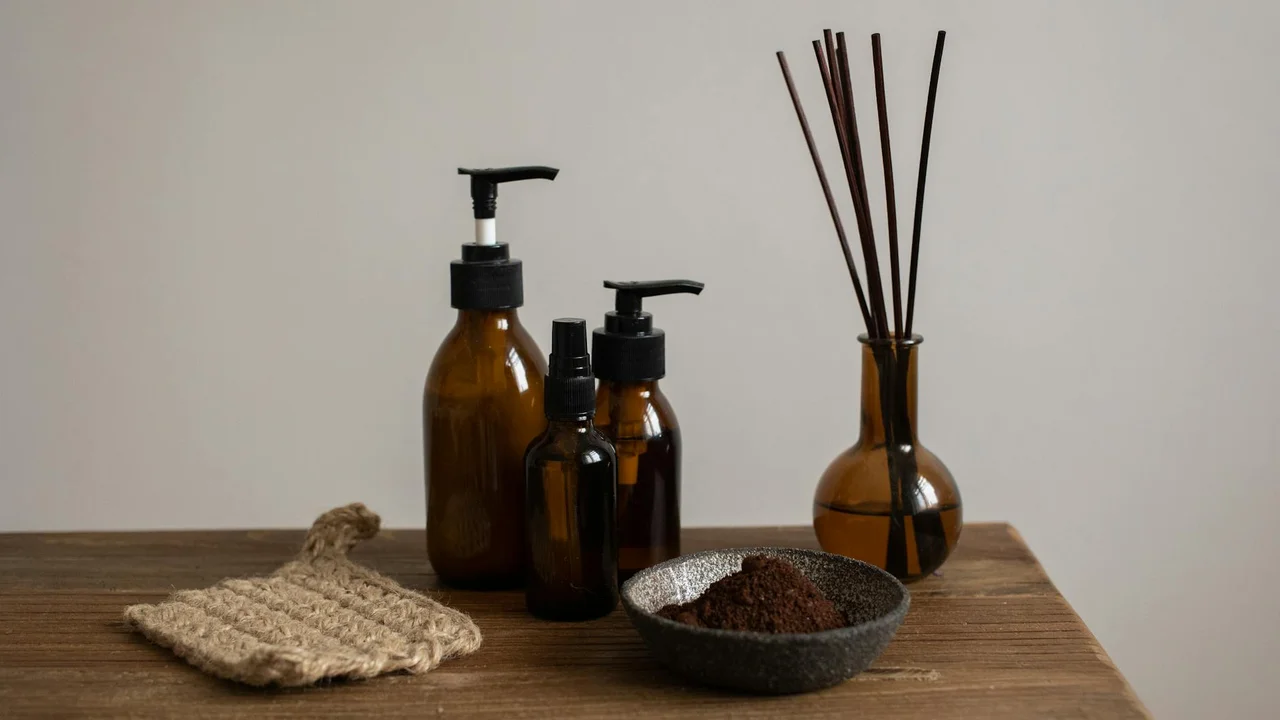
Let’s get straight to your questions. Can you put diffuser oils on your skin? Are fragrance oils safe for skin? The short, clear answer is no.
Oils sold only as “diffuser blends” or “fragrance oils” are crafted for scenting a room, not for your body. They often contain synthetic compounds and solvents that can cause serious skin irritation or allergic reactions.
I keep my diffuser blends and my skin-care oils on separate shelves in my apothecary for this exact reason. The labels tell the whole story.
For any direct skin contact, you must use pure essential oils labeled for topical or aromatherapy use from a source you trust. Look for clear information about the plant’s botanical name, like *Lavandula angustifolia* for true lavender.
Special Considerations for Home and Family
Sharing your space with loved ones, furry or small, means thinking a step further.
Cats and dogs process oils differently than we do. Oils like peppermint and rosemary can be problematic for pets, especially cats. I never apply these oils directly to my pets or use them in diffusers in rooms where my cat likes to lounge.
For children, dilution is everything. A safe dilution for an adult is far too strong for a child’s sensitive system. I make separate, much gentler blends for my nieces and nephews.
A good rule is to use at most half the adult dilution for older children, and for babies and toddlers, it’s best to consult a professional before using any essential oils topically. Their skin is delicate, and their bodies are still developing. A complete guide on essential oils for babies covers safe dilution, age restrictions, and approved application methods. The details will be linked in the next steps.
Your Safe-Skin Checklist: From Bottle to Body
Think of this as your new, non-negotiable routine. I follow these exact steps for every single blend I make for my skin, even after years of practice. It keeps things safe, simple, and effective.
1. The Non-Negotiable Patch Test
This is your most important safety step. Always test a diluted blend on a small area of skin first.
Mix one drop of your chosen essential oil with ½ teaspoon of your carrier oil. Apply a dab to the inside of your elbow or behind your ear.
Leave it alone for 24 hours, and watch for any redness, itching, or swelling. If your skin stays clear, you’re good to go. If it reacts, wash the area with a mild soap and avoid that oil.
2. Calculate Your Dilution
For general skin use on adults, a 2% dilution is a great starting point. Here’s the easy math.
For one ounce (30 mL) of carrier oil, this equals about 12 drops of essential oil. For a smaller, 10 mL roller bottle, you’d use about 4 drops. This is quite a different approach compared to using essential oils in a diffuser, where different dilution and usage guidelines apply.
Stick with this 2% rule for rosemary, lavender, and peppermint when using them on your body. For facial skin, I often start with an even gentler 1% dilution.
3. Choose a Clean Bottle
Glass is best, especially dark amber or cobalt blue. It protects the oils from sunlight which can break them down.
Make sure your bottle is completely clean and dry before you start. I reuse small amber glass dropper bottles or rollerballs from old blends, but I always wash them thoroughly first.
4. Mix Your Oils
Always add your essential oil drops to the carrier oil, not the other way around. This is called the “basil to the pasta” method in my kitchen.
Pour your chosen carrier oil-like jojoba, sweet almond, or fractionated coconut oil-into the bottle first. Then, carefully count and add your drops of rosemary, lavender, or peppermint.
Adding the potent oils to the gentle base ensures they integrate smoothly and safely.
5. Label Your Blend Immediately
Do not skip this. You *will* forget what’s in the bottle or when you made it.
Write the date, the oils used, and the dilution percentage on a label. I keep a roll of masking tape and a permanent marker right with my mixing supplies.
A simple label like “Soothing Lavender Roll-On, 2%, March 2025” is perfect.
6. Apply to Clean, Dry Skin
Your skin should be freshly washed and patted dry before application. This helps it absorb the blend.
Apply a small amount and massage it in gently. With peppermint, you’ll feel a characteristic cooling tingle. With rosemary and lavender, the effect is more softly warming or calming.
Always avoid applying any essential oil blend, even diluted, to damaged skin or sensitive areas like the immediate eye area.
7. Store It Right
After use, cap your blend tightly and put it away. Prolonged exposure to air degrades the oils.
Keep your bottle in a cool, dark cupboard, not on a sunny windowsill or in a humid bathroom. Proper storage keeps your blend potent and effective for months.
Most of my personal skin blends last about 6-9 months before I make a fresh one.
Your Top Questions, Answered
Can rosemary, lavender, or peppermint oils help with weight loss when applied to the skin?
While these oils can be part of a supportive routine-like a peppermint abdominal massage for temporary bloating-they are not a solution for weight loss. True wellness comes from a holistic approach to diet and movement, not topical applications.
Are these essential oils moisturizing on their own?
No, essential oils are not moisturizers; they are potent compounds that can even be drying. Their magic for skin hydration happens only when properly diluted in a nourishing carrier oil like jojoba or rosehip seed, which delivers the moisture.
Can I use them topically for conditions like gout or prostate discomfort?
The cooling sensation of peppermint may offer temporary, complementary comfort for some localized discomforts. However, these oils are not treatments; always consult your healthcare provider for any medical condition.
What’s the difference between these and “tropical” essential oils for skin?
Oils like rosemary and lavender are from temperate herbs, while “tropical” oils often refer to ones like coconut or tamanu used as carriers. The same safety rule applies: always dilute any potent essential oil, regardless of its origin, in a skin-friendly carrier.
Which of these oils is safest for my face?
Lavender is often the gentlest choice for facial skin when highly diluted (1% or less) in a light carrier like jojoba. For rosemary and peppermint, extreme caution is needed on the face-they are best used on the body and avoided by those with sensitive skin.
Tending to Your Skin’s Botanical Harmony
Always dilute your essential oils in a carrier oil before applying them to your skin. This one habit lets you enjoy the gifts of rosemary, lavender, and peppermint without risk, nurturing your skin’s health first. Selecting the right carrier oil is especially important for sensitive skin.
I hope you’ll keep exploring with me here on Botanical Oils for more practical guides. Trust your growing experience as much as my advice, and you’ll confidently weave these oils into your daily life for body, skin, hair, and home.
Further Reading & Sources
- How To Use Essential Oils: 16 Tips for Essential Oil Safety
- Are Essential Oils Safe for Your Skin? | VitalSkin Dermatology
- Art of Prevention: Essential Oils – Natural Products Not Necessarily Safe – PMC
Noemi Kamińska
Noemi is an accomplished wellness researcher, nutrition care guide and body care expert. She has years of experience in formulating various oil combinations for full body wellness including face, hair, body care, essential oils and cooking oils. She works as a bio-formulator working with oil chemistry and analyzing the best formulations when it comes to your needs. Feel free to reach out to get your oil needs sorted.