What Does Argan Oil Do for Your Hair and How Should You Apply It?
I see so many people with hair that feels dry, brittle, or just won’t behave. In my own routine, a bottle of argan oil is a trusted friend for adding softness and taming frizz with just a few drops.
Let me walk you through the proven benefits and my simple methods for applying argan oil correctly.
- Why argan oil moisturizes and protects hair so effectively
- Clear steps for using it as a treatment or a finishing product
- How to tailor application for your specific hair texture
- My tips for selecting a genuine, high-quality argan oil
What Is Argan Oil, Really?
In my kit, argan oil comes from the kernels of the argan tree, a resilient plant that grows in Morocco.
The best quality oil is cold-pressed. This gentle method keeps all its good stuff intact.
Pour a little into your palm. You’ll see a lovely golden color and catch a light, nutty scent. The texture is uniquely silky-dry, absorbing quickly without that heavy, greasy feel some oils have.
It’s crucial to know this is a carrier oil, not an essential oil. You can use it directly on your skin and hair without dilution (unlike essential oils which require blending with carrier oils for skin).
For generations, Berber women have harvested and used this “liquid gold.” That long history of care is why I trust it on my own shelf.
Key Benefits of Argan Oil for Your Hair
Argan oil is a champion at locking in moisture. It acts as a sealant, trapping hydration inside your hair shaft so it stays soft and supple. For high-porosity hair, it’s a solid pick where moisture tends to escape. It’s often listed among the best hair oils for locking moisture and preventing frizz.
The fatty acids in argan oil, like oleic and linoleic acid, work to smooth down the hair’s cuticle. Imagine it like gently polishing a rough surface. This leads to intense shine and frizz control that you can actually feel. And it’s not just great for hair; argan oil offers numerous benefits for facial skincare as well.
Heat from styling tools can be brutal. Applying a tiny amount before you blow-dry or use a flat iron creates a protective barrier. It helps shield your strands from direct heat damage.
A dry, flaky scalp often needs soothing moisture. Gently massaging a few drops into your scalp can calm that itch and irritation. It’s much gentler than many commercial treatments.
So, does argan oil help hair growth? It supports hair growth indirectly by nurturing a healthy, balanced scalp environment, but it is not a direct growth stimulant. Healthy hair grows from a healthy base, and argan oil helps provide that.
Beyond Your Strands: Skin and Beard Perks
This oil’s magic isn’t just for the hair on your head. Its versatility is why I always have a bottle handy.
I use a single drop to soften rough cuticles. A touch smooths beard frizz and adds a healthy sheen. For my face, a light layer after cleansing makes a perfect, non-comedogenic moisturizer.
On my shelf, it’s a key ingredient in several DIY balms. Its ability to moisturize and protect makes it a true multi-tasker for body care.
A Simple Checklist: How to Apply Argan Oil to Your Hair
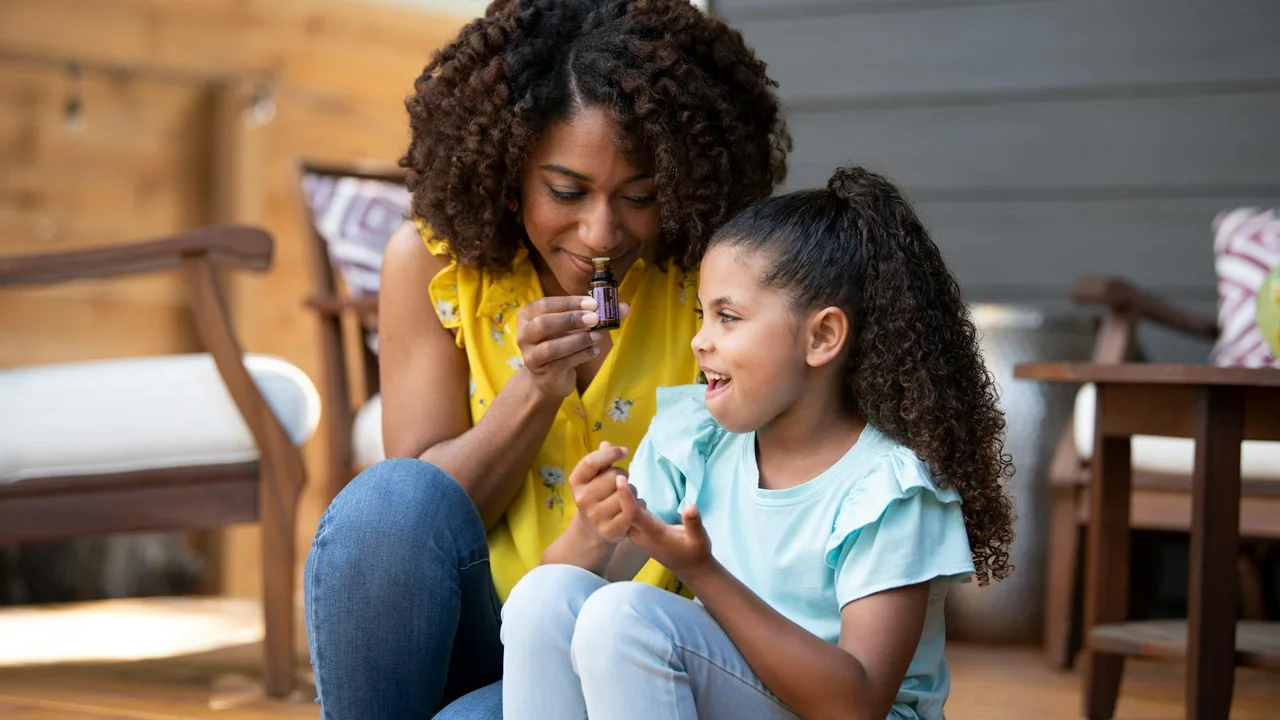
Getting the application right is the difference between silky hair and a slick of grease. I keep my bottle right by the shower.
The single most important rule is to start with less than you think you need. You can always add another drop, but you cannot take it back.
Step 1: Start with a tiny amount
For fine, straight hair like mine, one or two drops is truly plenty. If your hair is thick, curly, or coarse, you might need three or four. A pea-sized amount is often too much.
Step 2: Warm it between your palms
Pour the drops into your clean palm. Gently rub your hands together. This warms the oil, making it feel lighter and spread more evenly. You will see it go from clear to a soft, milky color.
Step 3: Apply to damp hair ends first
Always start at the very tips of your hair, where damage is worst. Coat them lightly. Then, with any oil left on your hands, smooth it onto the mid-lengths. Your roots usually do not need this oil, and applying it there can make your style look flat.
Step 4: For scalp use, mix and massage gently
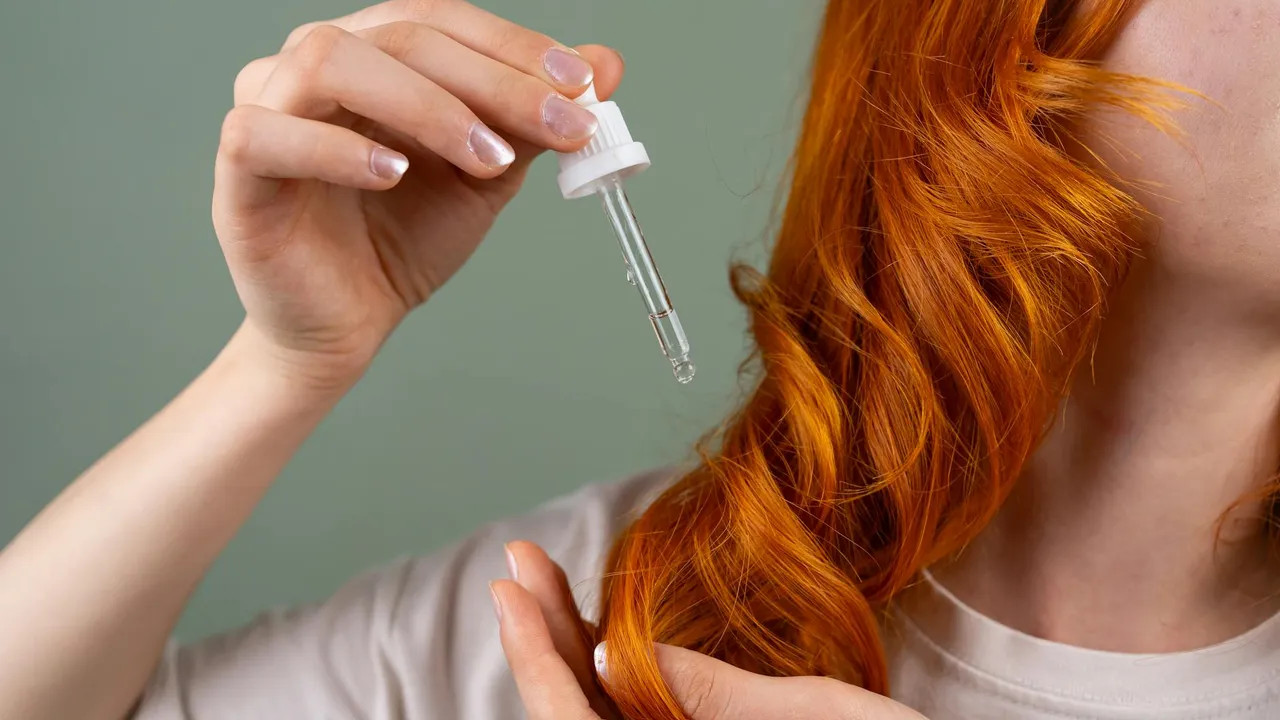
Pure argan oil is rich for a scalp. I like to mix 3-4 drops with a tablespoon of lighter jojoba or grapeseed oil. Part your hair in sections, apply the mix directly to your scalp with a dropper, and use your fingertips (not nails) to massage in small circles for five minutes.
Now, can you put argan oil on dry hair? Yes, for a frizz-taming finish. After styling, take one single drop, warm it, and lightly glaze it over the surface of your hair to smooth flyaways and add shine.
Common Mistakes and How to Avoid Them
I have made most of these myself over the years. Learning from them saves your hair and your bottle of precious oil.
Using Too Much Oil
This is the top mistake. Hair looks stringy and feels heavy. If this happens, do not panic. Blot the greasiest parts with a dry paper towel. Then, sprinkle a bit of cornstarch or dry shampoo at the roots, let it sit, and brush it out.
Applying to Roots Instead of Ends
Your scalp produces its own natural oils. Adding a heavy oil on top can weigh down your style and may lead to buildup. Focus your care on the lengths that are furthest from your scalp’s natural nourishment. This is particularly important because natural oils balance scalp production to maintain healthy hair.
Choosing a Low-Quality Oil
Not all argan oil is equal. A cheap, refined oil often has its natural scent and nutrients stripped. Look for bottles labeled “100% Pure,” “Cold-Pressed,” and ideally “Organic.” It should have a light, nutty aroma, not be completely odorless.
Skipping the Patch Test
Argan oil comes from a nut. If you have tree nut allergies, please be cautious. Before your first scalp application, rub a diluted drop on the inside of your elbow. Wait 24 hours to check for any redness or irritation.
Can Argan Oil Cause Hair Loss?
This is a common worry. Pure, quality argan oil itself does not cause hair to fall out. The issue arises if you consistently use too much and clog your hair follicles with heavy buildup. This can disrupt the natural growth cycle. Always use it sparingly, and clarify your hair with a gentle shampoo every few weeks to prevent buildup.
How to Choose Your Best Bottle
Your results start with the quality of the oil you bring home. The label is your first clue.
Always look for bottles labeled 100% pure, organic, and cold-pressed. This means the kernels were pressed without heat, preserving all the delicate nutrients. I skip any product that lists “fragrance” or “parfum” in the ingredients.
That beautiful amber or cobalt blue bottle isn’t just for looks. Argan oil is sensitive to light, which can make it go rancid faster. A dark glass bottle is a sign the maker understands how to protect their product. I keep my personal bottle in a cool, dark kitchen cupboard, far from the steamy bathroom.
When you first open it, take a moment to smell it. Pure, fresh argan oil has a mild, nutty, almost earthy scent. It should not smell strong, sharp, or like chemicals. If it does, it might be refined or of poor quality. My own bottle from a trusted co-op smells like toasted nuts and dry earth.
When to Seek Professional Help
While argan oil is gentle for most, it’s wise to know when a situation is beyond a simple DIY treatment.
If your scalp becomes noticeably red, itchy, or irritated after applying the oil, wash it off and pause use. This is rare, but it can signal an allergy or sensitivity. Listen to what your skin is telling you.
For ongoing concerns like significant hair thinning or a flaky, painful scalp, a professional diagnosis is the best path. A dermatologist can determine if you’re dealing with psoriasis, severe dandruff, or another condition that needs targeted care. Argan oil is a wonderful supporter, not a cure-all.
Finally, if you want to create a powerful blend for a specific issue, consider consulting an aromatherapist. I sometimes collaborate with one for clients. They can safely guide you in adding essential oils for circulation or inflammation. It’s a perfect partnership between your home care and expert knowledge.
Your Argan Oil Routine: Questions Answered
Now, let’s get practical. Here are the answers I give clients most often when they bring a new bottle of argan oil home.
How Often Should I Use It?
Start simple. I recommend using it once or twice a week.
You can always use more later if your hair asks for it. With argan oil, less is almost always more. A tiny amount delivers a big impact. For maximum effectiveness, apply natural hair growth oils sparingly and consistently. Pair with a gentle scalp massage to boost absorption and results.
If your hair feels heavy or looks stringy, you’re likely using too much or applying it too often. I learned this the hard way with my first bottle. Dial it back, and let your hair’s texture guide you.
Should I Apply It to Wet or Dry Hair?
You can do both. The timing changes the result.
On damp, towel-dried hair, argan oil acts as a sealant. It locks in the water from your shower, helping to smooth the hair shaft and prevent frizz as you air-dry or style.
On dry hair, it’s a perfect finishing polish. Rub one drop between your palms and gently smooth it over your ends and any flyaways for a soft, glass-like finish. It tames without weighing hair down.
Can I Mix It With My Shampoo?
Yes, this is a great trick for a moisture boost.
Place your normal amount of shampoo in your palm, then add a single drop of argan oil. Mix them together with a finger before lathering.
It creates a gentler, supercharged wash. This method is perfect for immediately adding softness without an extra step. Just don’t add the oil directly to the bottle, as it can separate and you might use too much over time.
Summarizing the Benefits and What to Watch For
Argan oil is a nourishing, multitasking friend for most hair types. Its magic lies in hydration, shine, and protection. You might wonder how it compares to jojoba oil for moisture and shine.
Always do a patch test first, especially if you have nut allergies. Apply a dime-sized amount to your inner arm and wait 24 hours.
Use it sparingly to avoid buildup, and focus on your mid-lengths and ends where hair is oldest and most fragile. If you have very fine or oily hair, you may only need it on the very tips.
When in doubt, start with a single drop. You can truly see and feel the difference it makes.
Questions We Hear Most
Can I use argan oil if I have oily hair or skin?
Absolutely! Its lightweight, non-comedogenic nature means it absorbs quickly without clogging pores. Just use a single drop-it moisturizes and balances oil production by signaling your skin it’s already hydrated. Non-comedogenic oils are specially formulated for skincare and cosmetic products to ensure they won’t clog pores.
Is there a difference between argan oil for face and argan oil for hair?
No, a single bottle of 100% pure, cold-pressed argan oil is perfect for both. The application method changes, not the product-use a lighter touch on your face and focus on hair ends.
How long does a bottle of argan oil last, and how should I store it?
An unopened bottle can last up to two years, while an opened one is best used within 6-12 months. Always store it in a cool, dark place away from direct sunlight to preserve its precious nutrients.
Will argan oil make my beard greasy?
Not if you use it correctly. Warm one drop between your palms and work it through your beard, avoiding the skin underneath if it’s prone to oiliness. It tames frizz and adds a healthy sheen without residue. Wondering if castor oil truly works for beard growth care? This routine helps you test its effects.
Are there any side effects I should be aware of?
Side effects are rare with pure oil, but those with tree nut allergies should perform a patch test first. Using excessive amounts can lead to buildup, so remember the golden rule: start with less than you think you need.
Your Argan Oil Hair Ritual
The most important step is choosing a pure, cold-pressed argan oil and applying it to damp, not dry, hair. This simple shift ensures the oil absorbs to nourish your strands instead of just sitting on top of them.
I invite you to try these tips and see how your hair responds. Your own experience, paired with a bit of trusted guidance, is the true path to finding what works for your home hair care routine.
Deep Dive: Further Reading
- Amazon.com: Argan Oil
- Argan Oil for Hair – How to Use It and Its Benefits
- r/HaircareScience on Reddit: Should I trust Argan oil?
- Argan Oil Products & Treatments to Repair Damaged Hair – HASK Beauty
- Argan Oil for Hair Growth: Overview, Benefits, Uses, and Efficacy
- Argan Oil for Hair: All the Benefits and How to Use It | Vogue
Noemi Kamińska
Noemi is an accomplished wellness researcher, nutrition care guide and body care expert. She has years of experience in formulating various oil combinations for full body wellness including face, hair, body care, essential oils and cooking oils. She works as a bio-formulator working with oil chemistry and analyzing the best formulations when it comes to your needs. Feel free to reach out to get your oil needs sorted.