
What’s the Right Way to Get Rid of Used Cooking Oil?
You’ve just finished frying up a batch of chicken or roasting veggies, and now you’re staring at a pot of cooled oil, wondering what to do with it. Pouring it down the drain might seem easy, but it can cause serious clogs in your home’s plumbing and in city sewers.
The safest path for your pipes and the planet involves letting the oil cool completely, then choosing between recycling, trash disposal, or repurposing.
- Why the sink drain is the worst option
- How to solidify oil for the trash
- Where to find local recycling drop-offs
- Creative ideas for reusing oil at home
Why You Should Never Pour Oil Down the Drain
Think about how bacon grease looks on a cold plate. It turns into a white, waxy solid. The oil from your frying pan does the exact same thing in your cool pipes.
That congealed fat sticks to pipe walls, catching food scraps and creating a massive, stubborn clog right in your own home. The repair bill for that is a shock you don’t need.
Beyond your home, this oil causes bigger problems. It contributes to fatbergs in city sewers and overwhelms water treatment facilities.
You might notice the first sign-a slow drain with a faint, unpleasant, rotten smell. That’s the scent of a problem building up.
Your First Step: How to Collect Oil for Recycling or Disposal
Handling used oil is simple with a good routine. I keep an empty, sturdy glass juice bottle under my sink just for this job. Spills happen, and keeping oil-based tools in good shape matters. There are straightforward methods for cleaning up oil spills and maintaining oil-based tools that fit right into this routine.
Follow these steps every time you have oil to dispose of.
- Let the oil cool completely in the pan. Hot oil is a burn risk.
- Strain it through a fine mesh sieve or cheesecloth into your container to remove food bits.
- Pour the clean, cooled oil into your chosen storage container.
- Seal the container tightly with its lid and label it clearly.
For containers, use something with a secure, screw-top lid. An old metal coffee can, a dedicated plastic bottle (like a laundry detergent bottle), or a glass jar all work.
A leak-proof seal is non-negotiable to prevent messy spills in your storage or trash can.
Now, you might wonder: can you store hair oil in plastic bottles? For fresh, cosmetic oils, certain plastics are fine. Used cooking oil is different. It’s often hot and can degrade flimsy plastic, so a sturdy, food-safe container is a much safer choice.
Finding a Cooking Oil Disposal Drop-Off Near You
Many communities have free drop-off programs. Finding yours is easier than you think.
Open your search engine and try a phrase like cooking oil disposal near me or be more specific, like cooking oil disposal Houston.
Check your city or county’s sanitation department website. They often list locations.
Common drop-off spots include local recycling centers, household hazardous waste facilities, transfer stations, and sometimes fire stations. Some restaurants with large recycling bins may also accept public drop-offs.
Cooking oil disposal regulations vary widely, so a two-minute check online can confirm the rules for your exact location. Different oils, such as linseed oil and other fats require proper disposal.
The Safe Way to Put Used Oil in the Trash
If no recycling option exists, your goal is to solidify the oil so it can’t leak in the garbage truck or landfill. It’s important to know how to properly dispose of and reuse leftover frying oil at home to minimize waste.
Let the oil cool completely first. Never pour hot oil into your trash.
Then, choose an absorbent to mix with it. I often use the used coffee grounds from my morning pot. Other great options are cat litter, sand, or shredded paper towels.
Mix the absorbent into the oil until it’s all soaked up and forms crumbly clumps. You can do this right in your collection container.
Finally, scoop the solidified mixture into a bag, tie it shut, and place it in your regular trash.
You may see products marketed as cooking oil disposal powder. Some are just absorbent clay. Check with your local waste provider before using any solidifier to ensure it’s approved for your trash system.
How Is Used Cooking Oil Recycled?
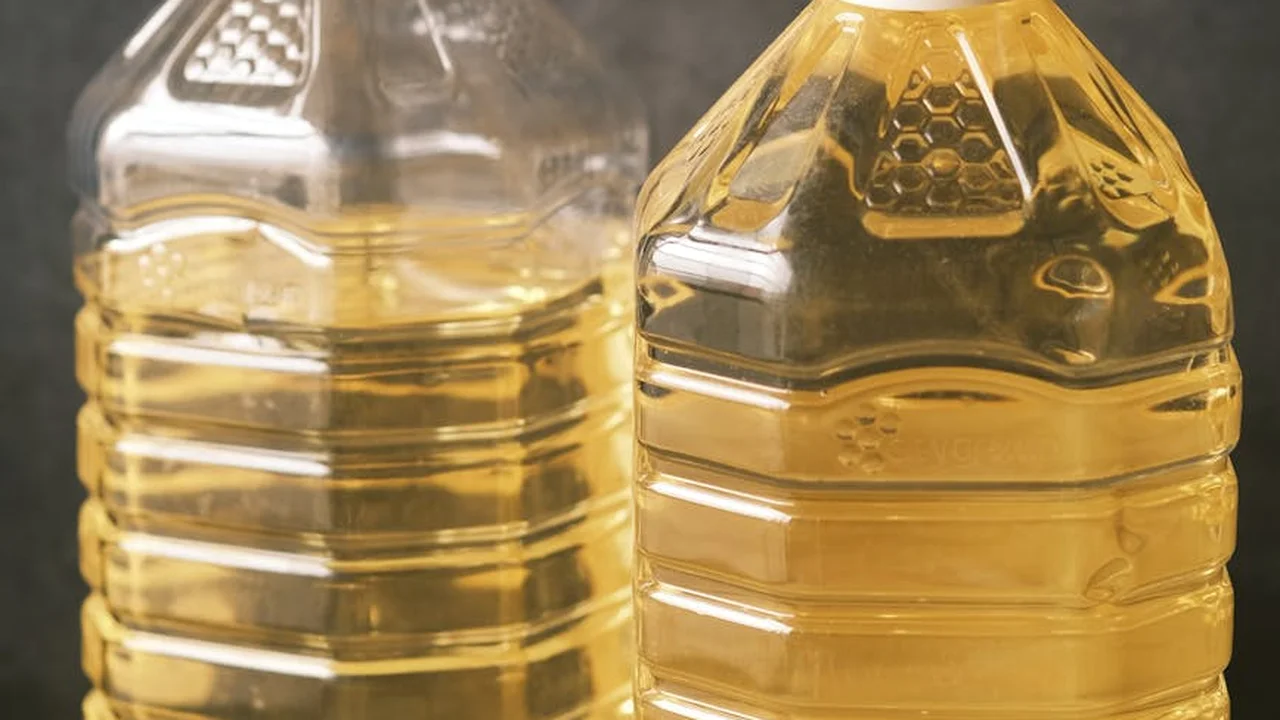
That jar of golden oil from your fryer has a journey ahead. Once it leaves your kitchen, it can be transformed into things like biofuel for trucks, ingredients for animal feed, or even soap.
I think of it like giving the oil a deep clean. First, collection services gather it from homes or restaurants. Then, at a facility, it goes through filtering to remove food bits and water. The cleaned oil is then processed, often through a chemical reaction, to break it down into usable raw materials.
This simple act keeps gallons of grease out of landfills and our pipes. It turns waste into a resource for renewable energy. On my shelf, I see similar care with botanical oils-ensuring every part of a plant is valued.
Clever Ways to Reuse Oil Before You Recycle It
Before sending oil off, see if it has one more job in your home. Check its clarity and smell. If it’s not too dark and smells neutral, like the oil you started with, it’s likely safe to reuse.
For a simple project, try making a bird feeder suet mix. Combine the cooled oil with birdseed, some oats, and a spoonful of peanut butter. Let it harden in a mold. This creates a high-energy treat for backyard birds during colder months.
You can also make a rustic outdoor lamp. Strain the oil well and use it in a proper oil lamp designed for cooking oils. Never use this indoors, keep it away from flames when filling, and place it on a stable, non-flammable surface outside. Make sure to use the correct type of oil for safety.
This kitchen reuse is practical, but different from my wellness oils. The jojoba oil I use for my skin can later polish wood, and leftover herb-infused oils might become a base for salves. For kitchen oils, think of immediate, simple tasks before recycling gives them a whole new life.
Don’t Forget the Container: Can You Recycle Oil Bottles?
Yes, you can recycle most cooking oil bottles, but you must prepare them correctly.
The process is simple and has just two critical steps. First, pour out every last drop of used oil using your chosen disposal method (do not pour it down the drain). Second, you need to clean the container thoroughly.
I take my empty plastic bottle, add a splash of dish soap and some warm water, cap it, and give it a vigorous shake. I rinse it until the water runs completely clear with no oily film. A sticky, oily bottle will contaminate an entire batch of recycling.
Containers must be completely empty and clean of any residue to be eligible for curbside recycling. One greasy bottle can ruin tons of otherwise good material.
This always reminds me of the opposite care I give my precious botanical oils. For my skin and wellness blends, I store oils like rosehip or argan in dark amber glass bottles, never plastic. The dark glass protects the delicate oils from light damage, and glass won’t leach chemicals. It’s a different kind of respect for the substance inside.
Your Quick-Reference Disposal Checklist
Follow this simple list to handle your used cooking oil safely and responsibly.
- Let the oil cool completely. Never pour hot oil. It’s a safety risk and can melt your trash bag.
- Strain it. Use a fine mesh sieve or coffee filter to remove any food particles. Cleaner oil is better for recycling or reuse.
- Choose a disposable container. A non-recyclable container like an old milk carton, a sturdy takeout tub, or the original oil bottle works perfectly.
- Seal it securely. Screw the cap on tightly or tape the lid closed. This prevents messy, smelly leaks in your trash.
- Find a drop-off location. For large quantities, search for “cooking oil recycling near me” or check with your local waste authority. Many cities have specific collection days or sites.
- For the trash, place the sealed container into a small bag, tie it, and then put it in your main kitchen garbage can. This double-bagging is my personal trick for extra peace of mind.
Your Cooking Oil Questions, Answered
How do I find a cooking oil drop-off spot in my city?
Your city or county’s official sanitation or public works website is the most reliable source. Searching “cooking oil disposal [Your City]” often leads directly to cooking oil disposal guidelines and a list of approved locations like recycling centers or waste facilities. These pages also point you to nearby drop-off sites for used cooking oil and related containers, including empty essential oil bottles. Following the local links makes it easy to dispose of waste near you.
Are cooking oil solidifier powders safe for my plumbing?
These powders are designed for solidifying oil in a container for the trash, not for use in your drain. Never pour any oil, treated or not, down the sink, as it can still cause major clogs further down the line.
Can I recycle the plastic bottle my cooking oil came in?
Yes, but only if it’s thoroughly cleaned. Rinse the bottle with soap and hot water until all oily residue is gone, as even a small amount can contaminate an entire recycling batch.
What are the regulations for disposing of cooking oil in my area?
Regulations vary greatly by municipality, so a quick call to your local waste authority is the best step. They can provide the definitive rules for your home, ensuring your disposal method is both safe and compliant.
Nurturing the Oil’s Journey Full Circle
Treat your spent cooking oil with the same thoughtful care you’d give a prized facial serum or hair treatment oil. Always let it cool, then seal it in a container for proper disposal or recycling – this one habit safeguards your home and gently returns the botanical gift to the earth, unlike used oils from beauty treatments.
I offer this grounded, practical wisdom on our blog for every aspect of using oils in your daily life. Trust this guidance and your own hands-on experience as you cultivate your personal practices with oils for body, skin, hair, wellness, and home. You’ll also find practical notes on which specific oils best support oil cleansing for skin and hair. A forthcoming guide on ‘do use specific oils perform oil cleansing skin hair’ will accompany these tips.
Related Guides and Information
- r/Cooking on Reddit: How do you dispose of cooking oil?
- How to Dispose of Cooking Oil and Fat Without Making a Big Mess
- Cooking oil and fats | Recycle Now
- How To Dispose of Cooking Oil Properly
- Used Cooking Oil Recycling | Solid Waste Authority of Palm Beach County, FL
Noemi Kamińska
Noemi is an accomplished wellness researcher, nutrition care guide and body care expert. She has years of experience in formulating various oil combinations for full body wellness including face, hair, body care, essential oils and cooking oils. She works as a bio-formulator working with oil chemistry and analyzing the best formulations when it comes to your needs. Feel free to reach out to get your oil needs sorted.