
What Is Mink Oil Used For? Your Guide to Leather Care and Origins
You might have picked up a tin of mink oil, felt its unique texture, and wondered if it’s the right choice for your leather. I use it regularly in my home workshop to condition and protect everything from work boots to vintage bags, and it’s a reliable staple.
This article will show you the versatile roles mink oil plays in leather care and demystify its source.
- Using mink oil on boots and leather goods
- How it benefits and protects leather
- The origin and production of mink oil
- What to know before you buy
Where Mink Oil Comes From and How It’s Made
Let’s talk about where this oil begins. The first question many people have is a serious one. Are minks killed for mink oil?
Yes, traditionally, mink oil is a byproduct of the fur industry. The fat is rendered from the pelts of farmed mink after they are harvested for their fur. There is no method to collect this fat from living animals. I keep a small tin in my workshop for leather, but I know its origin gives some folks pause.
The production process is called rendering. It’s a simple heat and purification method used for many animal fats. The raw mink fat is cleaned, melted down, and strained to remove impurities. What’s left is a stable, golden oil. No complex chemistry is needed. It’s a very old-school material.
This process leaves the oil’s natural properties intact. It’s rich in palmitoleic acid, a fatty acid also found in human sebum. This gives it a unique affinity for leather and skin. The texture is thick and waxy when cool, melting to a slick oil with the warmth of your fingers.
Choosing to use it is a personal decision. I support knowing exactly what’s on your shelf and why. If the origin doesn’t align with your values, excellent plant-based alternatives like coconut oil or cocoa butter blends exist for leather and skin. You get to decide what feels right for your home. Consider the olive oil vs coconut oil ultimate guide for a concise comparison of culinary and cosmetic uses. It covers kitchen uses and beauty routines in one place.
The Leather Care Workhorse: Conditioning Boots, Bags, and Jackets
For leather, mink oil is a heavy-duty protector. Think of your most rugged gear. It’s the classic choice for breaking in stiff work boots, reviving a dry leather jacket, or adding life to a worn-in belt or bag.
Why does it work so well? The oil sinks deep into leather fibers, which does soften stiff material over time. It also creates a barrier on the surface. Mink oil does waterproof leather to a notable degree, making it a favorite for hiking boots and outdoor gear expected to face the elements. It doesn’t make leather rubber, but it gives it a fighting chance against rain and snow.
Applying it is a satisfying, simple ritual. Here is how I treat a leather item.
- Clean the leather with a slightly damp cloth and let it dry completely.
- Scoop a small amount of mink oil with a clean cloth or your fingers. The warmth of your hands will soften it.
- Rub it into the leather using small, circular motions. Cover the entire surface evenly.
- Let the item sit for at least an hour, or better yet, overnight. The leather will drink it in.
- Buff off any remaining residue with a soft, dry cloth. You’ll see a nourished, matte finish.
Now, for a crucial piece of advice. Does mink oil darken leather? Almost always, yes. It will give leather a richer, deeper color. Test it on a small, hidden area first, like the inside of a tongue on a boot. Love the new shade? Proceed. Prefer the original color? You might want a different conditioner. Unlike coconut oil on skin, which has varying effects on lightening or darkening, mink oil consistently deepens leather’s hue.
One rule is absolute. Can you use mink oil on suede? Absolutely not. The oily, waxy texture will mat the delicate nap of suede and nubuck, creating dark, permanent stains. Keep it strictly for smooth, finished leathers.
Quick Snapshot: Mink Oil vs. Other Leather Conditioners
| Conditioner | Best For | Darkens? | Water Resistance | Feel |
|---|---|---|---|---|
| Mink Oil | Work boots, heavy leather | Yes, significantly | High | Waxy, protective |
| Neatsfoot Oil | Preserving softness in leathers like riding gear | Moderately | Medium | Oily, penetrative |
| Beeswax-Based Balm | Waterproofing, shine on dress shoes and bags | Minimally | Very High | Protective, matte |
| Lanolin | Reviving extremely dry, stiff leather | Slightly | Medium | Rich, emollient |
This table helps you pick. Need to armor your winter boots? Mink oil is your friend. Want to lightly condition a brown leather sofa without changing its color? A beeswax balm is likely a safer bet.
Mink Oil for Skin and Hair: A Personal Consideration
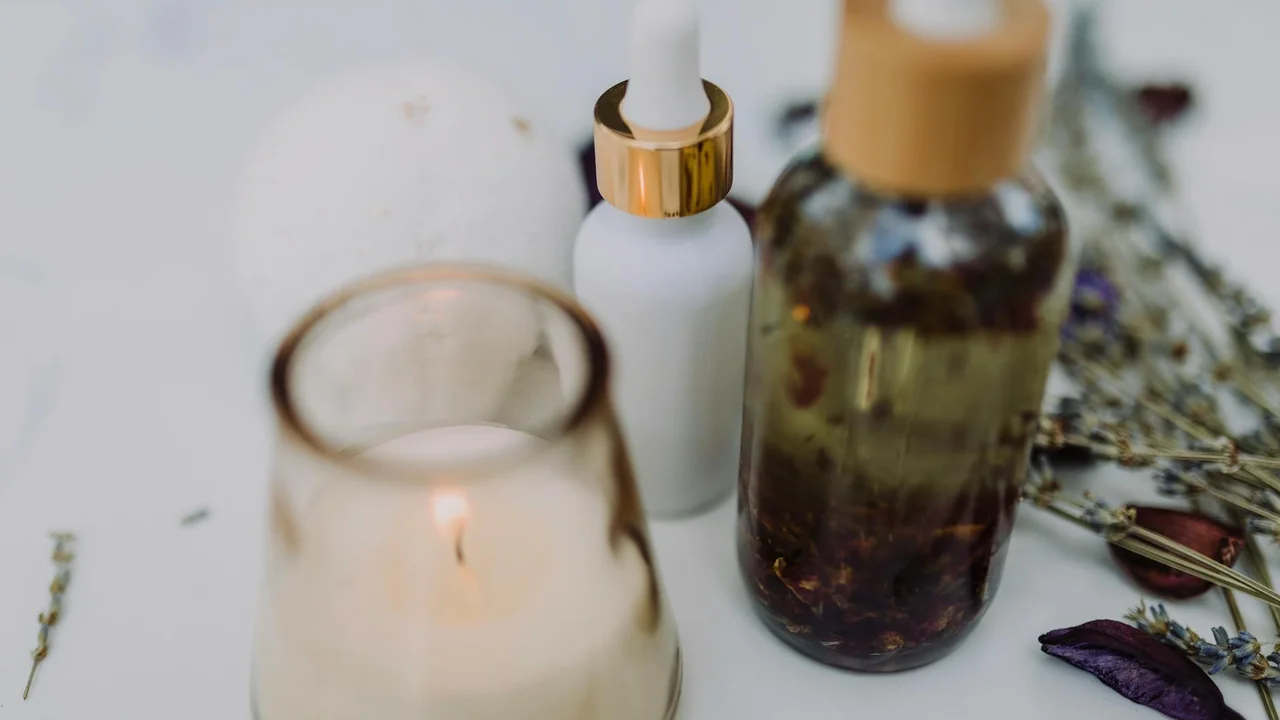
People often ask me if they can use mink oil on their face or in their hair.
I get it. It feels rich and luxurious. Historically, it was a prized emollient for softening very dry, cracked skin and adding shine to hair.
Its thick, occlusive nature can create a protective barrier that locks in moisture, which is why it found a home in old-school lotions and pomades.
My modern apothecary perspective is different. I see two main concerns.
First, mink oil is highly comedogenic. It can easily clog pores.
Second, as an animal-derived fat, it carries a higher risk of causing allergic reactions for some people.
Let’s compare it to oils I keep on my shelf for skin and hair.
Jojoba oil is a liquid wax that mimics our skin’s own sebum. It moisturizes without feeling heavy.
Argan oil is lighter and absorbs quickly. It nourishes hair without weighing it down.
Both are plant-based and generally non-comedogenic.
For personal care, I consistently choose botanical oils over mink oil. They are gentler and more predictable for daily use.
If you are still curious about trying mink oil on your skin, you must patch test.
Apply a small amount to your inner arm and wait 48 hours.
I do not recommend mink oil for anyone with acne-prone or sensitive skin. The risk of clogged pores or irritation is simply too high, unlike some non-comedogenic oils that are safer for acne-prone skin.
Navigating the Product Shelf: Oils, Pastes, and Sprays
When you shop for mink oil, you’ll find it in a few different forms. The texture tells you everything.
Pure mink oil is a thick, amber liquid. It feels greasy and warm to the touch.
Mink oil grease or paste is usually blended with beeswax. It has a stiff, salve-like consistency.
Conditioner sprays and blends mix mink oil with other oils and solvents. They are much lighter and easier to spread, unlike essential oils which require proper dilution.
Choosing the right type depends on your task.
Reach for pure mink oil or a heavy paste for deep conditioning. Think of restoring an old, dried-out leather jacket or winter boots.
Use a blended conditioner or spray for regular maintenance and light waterproofing on items like work gloves or baseball mitts.
Always read the label before you buy. I look for simple ingredient lists.
A good paste for boot care might just list mink oil and beeswax. Avoid products with long lists of synthetic chemicals if you can.
Mink oil can go rancid. Store it in a cool, dark place like a cupboard.
Most products have a shelf life of one to two years. Trust your nose. If it smells sour or off, it’s time to replace it.
For specific tasks, here is my shelf-inspired advice.
Look for a simple mink oil paste for boot care. The beeswax adds a durable, water-repellent layer.
A blended conditioner with lanolin offers fantastic softening for tough leather.
For quick, light applications on suede or nubuck, a spray formula gives you more control and prevents over-saturation.
Common Mistakes and How to Avoid Them
Even a fantastic oil can cause problems if used the wrong way. I have learned these lessons through trial and error in my own home. That’s why I’m compiling a complete guide on safe oil use in air fryers—types, methods, and best practices. It will help you cook safely and get great results.
- Never use mink oil on suede or nubuck. The thick oil will clump and ruin the soft, raised nap. It leaves a dark, oily stain that does not come out.
- Over-applying creates a sticky mess. Too much oil leaves a greasy film that attracts dirt and dust. A thin, even coat protects without feeling tacky.
- It will darken light-colored leather permanently. On a pale bag or jacket, expect a richer, deeper hue. I always test a hidden spot first, like an inside seam.
- Do not treat it as a universal skin oil. Mink oil is quite heavy and can clog pores for many people. For body care, I personally choose lighter oils like jojoba from my apothecary shelf.
- Always clean the leather first. Rubbing oil over dirt or salt simply seals that grime into the material. A quick wipe with a damp cloth makes your care effort count.
Your Practical Guide to Using Mink Oil
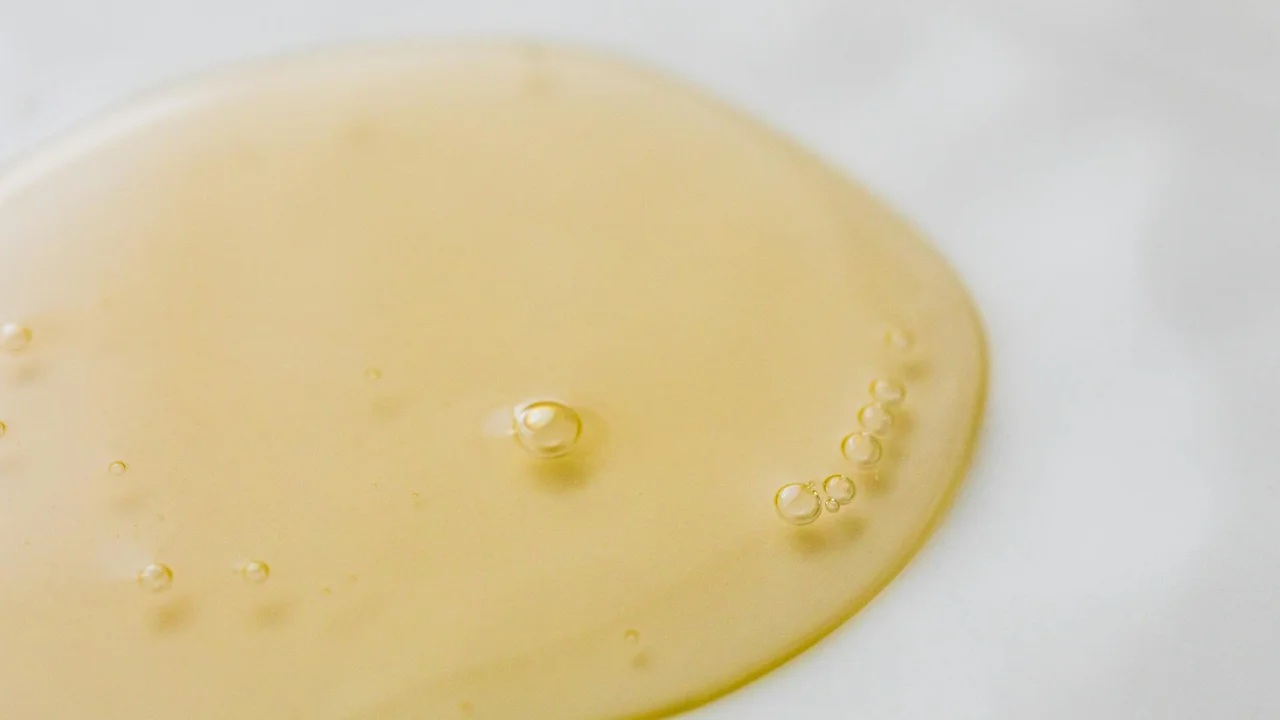
This is the hands-on part I love. Follow these steps for soft, resilient leather that ages gracefully.
A Simple Leather Care Checklist
- Gather tools: a clean, soft cloth (an old cotton shirt is perfect), a small brush for seams, and your tin of mink oil.
- Prepare the item: make sure the leather is clean and completely dry to the touch.
- Apply the oil: use a very small amount. Spread it with thin, even circles using your cloth.
- Let it soak in: place the item in a warm, well-ventilated area for a full day.
- Buff it gently: use a dry part of your cloth to remove any leftover surface oil for a soft sheen.
How to Apply Mink Oil the Right Way
Dab a pea-sized drop of oil onto your cloth. The warmth from your hand will soften it. Rub the oil into the leather using small, circular motions, covering every inch evenly—especially when using natural oils recommended for leather care. Pay close attention to seams and folds where wear happens first.
Specific Tips for Your Gear
For Boots: Concentrate on the toe and heel. These high-wear spots need the most protection. On my own hiking boots, I apply a light coat each autumn.
For a Leather Bag: Treat the straps and the bottom panel that rests on surfaces. Go easy around any light-colored stitching to avoid dark stains.
For a Jacket: Use a sparing hand to keep the leather supple. Too much can make it stiff. I always test on the inside cuff before doing the whole jacket.
Mink oil is not for every leather or every need. When used thoughtfully on sturdy, dark leathers, it is a reliable, old-school conditioner that I trust. It has a permanent place in my care kit for its straightforward, rugged results. If a spill or oil stain occurs, knowing how to remove oil stains from leather materials without harming the finish is essential. I’ll cover practical steps next.
Your Mink Oil Questions, Answered
Can I use mink oil on a delicate leather bag or jacket?
For delicate or dressier leathers, I recommend a lighter conditioner. Mink oil can over-soften fine grains and will noticeably darken the leather, which may not be the desired look for a handbag or fashion jacket.
Is mink oil safe to use on my face?
I do not recommend it for facial use. Its high comedogenic nature makes it likely to clog pores, and plant-based oils like jojoba or squalane are gentler, more predictable choices for nurturing your skin.
What are the best plant-based alternatives to mink oil for leather?
For conditioning, look for blends with coconut oil or cocoa butter; for waterproofing, beeswax-based balms are excellent. These plant-derived options offer effective care without an animal origin.
Does mink oil work as a hair conditioner or pomade?
Historically it was used for shine, but its heavy, greasy texture weighs hair down. Lightweight botanical oils like argan oil or apricot kernel oil provide superior nourishment and manageability for healthy-looking hair.
Why is mink oil so bad for suede?
Its thick, waxy consistency mats and flattens suede’s delicate nap permanently. Once applied, it creates an oily stain that cannot be reversed, which is why I always keep it away from suede and nubuck.
Your Leather’s Faithful Conditioner
For boots and bags that last, consistent, light conditioning with mink oil is the single most effective step you can take. This practice deeply nourishes the leather, maintaining its supple strength season after season.
I share more trusted methods like this on the blog to help you care for your belongings and yourself. Your own attentive hands and growing confidence with oils for skin, hair, and home are the most valuable tools you have.
Citations and Authoritative Sources
- Should You Use Mink Oil On Leather Goods? | Leather Honey
- What is Mink oil? (And is it good for Leather) | Fibrenew International
- Mink oil – Wikipedia
- The Ultimate Guide to Mink Oil on Leather – Moonster Leather Products
Noemi Kamińska
Noemi is an accomplished wellness researcher, nutrition care guide and body care expert. She has years of experience in formulating various oil combinations for full body wellness including face, hair, body care, essential oils and cooking oils. She works as a bio-formulator working with oil chemistry and analyzing the best formulations when it comes to your needs. Feel free to reach out to get your oil needs sorted.