
How Do I Make Garlic Infused Olive Oil Safely at Home to Prevent Botulism?
I understand that fear of botulism can turn a fun kitchen project into a source of stress. After years in my home apothecary, I can tell you that safe, flavorful garlic oil is absolutely achievable with a few key steps.
This article walks you through the non-negotiable practices that keep your oil safe and delicious. Here is what we will cover:
- Why raw garlic in oil poses a real botulism risk
- The simple pre-infusion step that makes all the difference
- My preferred safe infusion method using gentle heat
- How to store your oil correctly and for how long
- A few ways I love to use this oil from my own shelf
Key Takeaways: Your Safe Infusion Checklist
Follow these steps every single time. They are your shield against risk.
- Always acidify your garlic. A splash of lemon juice or vinegar changes the environment, making it impossible for harmful bacteria to grow.
- Never store your infused oil at room temperature. Your countertop or pantry is a danger zone. Your refrigerator is its safe home.
- Always use gentle heat during infusion. A brief, warm steep helps the flavors meld and adds an extra layer of safety without frying your garlic.
- Use your oil within one week. On my own shelf, I label every jar with the date it was made. This is non-negotiable for peace of mind.
This method prevents the risk of garlic oil botulism. You can make a small, fresh batch that’s perfect for home cooking and body care.
Why Garlic and Oil Can Be a Risky Pair: Understanding Botulism
Botulism is a rare but serious illness. It comes from a toxin made by bacteria that love low-acid, airless places.
Think of a damp basement with no windows. That’s what raw garlic in oil creates. The garlic clove itself holds a bit of moisture. The oil seals it in a dark, anaerobic environment.
This becomes a perfect home for bacterial spores that might be present. They can grow and produce their toxin without you seeing or smelling a change.
If someone is affected by garlic oil botulism, symptoms usually start with the muscles. Watch for weakness, blurred or double vision, drooping eyelids, and trouble swallowing or speaking.
These symptoms demand immediate medical attention. Public health agencies like the FDA consistently warn against storing raw garlic in oil at room temperature for this exact reason.
The Simple Science Behind the Danger Zone
The “danger zone” is between 40°F and 140°F (4°C and 60°C). This is the room-temperature range where bacteria grow fastest.
Letting raw garlic sit in oil for days lets it linger in this zone. Our safe method speeds through it. We use heat to warm the oil briefly, then we cool it down quickly by refrigerating it right away.
This leads to a common question: can you store garlic in olive oil? The answer lies in your goal. You are making a short-term infusion for flavor, not a long-term preservation method. If you’re curious about longer-term storage, you’ll want to understand olive oil’s shelf life, expiration dates, and the best storage tips.
Safe infusing is a quick, controlled process. Risky storing is an open invitation. Knowing the difference lets you enjoy your homemade oil with total confidence.
Your Safe, Step-by-Step Guide to Making Garlic Infused Olive Oil
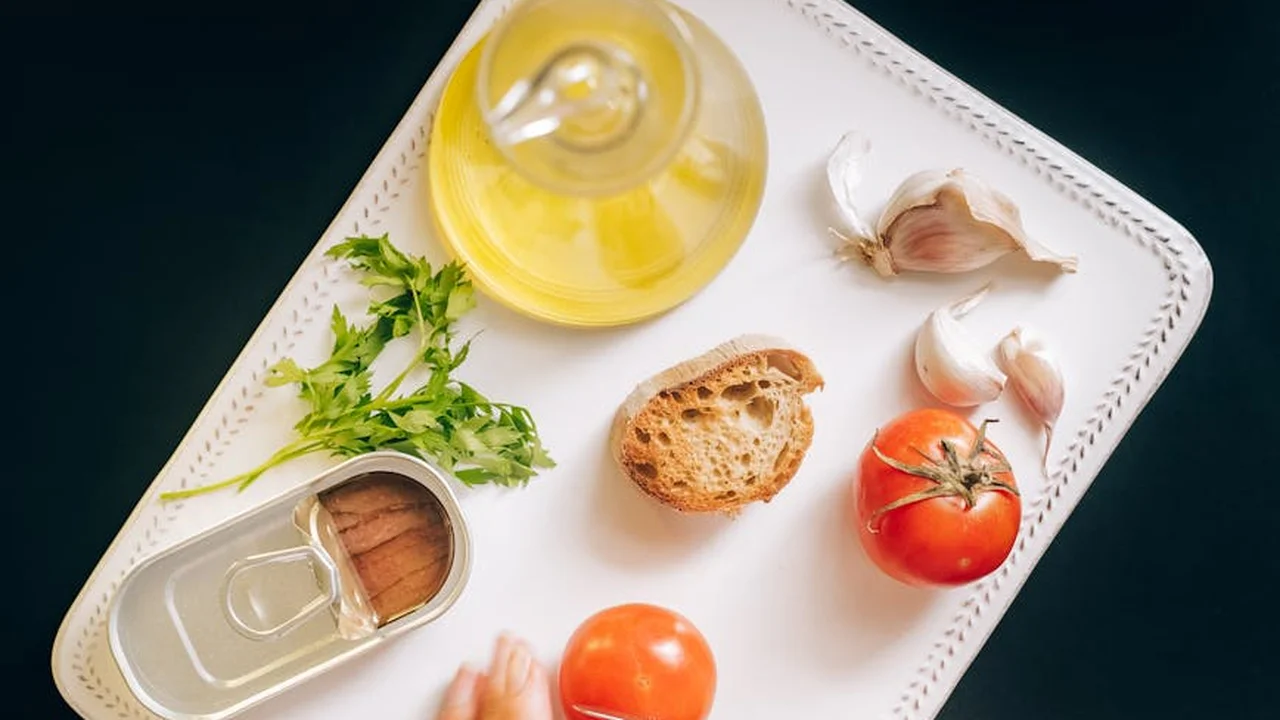
This is the core method I use. It answers exactly how you make garlic infused olive oil and takes the guesswork out of safety, much like when you infuse basil olive oil for cooking, dressings, and marinades.
We combine an acid soak with gentle heat to create a space where bacteria simply cannot survive. I follow this same process for the oils I use in my home kitchen.
Tools and Ingredients You’ll Need
Get everything together first. All your equipment should be very clean, as if you were preparing a salad.
- Fresh garlic cloves
- A mild olive oil, good for everyday use
- White vinegar or fresh lemon juice
- A small, heavy-bottomed saucepan
- A perfectly clean glass bottle with a tight-sealing lid
- A small funnel
- A wooden spoon or spatula
I have a few small amber bottles on my apothecary shelf I reuse just for projects like this.
Step 1: Preparing Your Garlic-To Chop or To Crush?
Start by peeling your garlic cloves. Your cut changes the flavor.
For a robust, full-bodied infusion, mince the garlic finely to create the most surface area. Thin slices will give a softer taste. You can also just give each clove a gentle crush with the side of your knife.
This is raw garlic, yes. We are putting raw garlic in olive oil, but we treat it right away to make it safe.
Step 2: The Crucial Acidification Step
This is the most important part of the whole process. Measure your prepared garlic by weight.
For every ten parts garlic, use one part acid. So, for 50 grams of minced garlic, mix in 5 grams (about a teaspoon) of white vinegar or lemon juice. Stir it and let it sit for a full five minutes.
The acid lowers the pH dramatically. Bacteria like botulism cannot grow in this acidic environment. I usually reach for the lemon juice for a slightly fresher note.
Step 3: The Gentle Heat Infusion
Place your oil and the acidified garlic into your saucepan. Turn the heat to the lowest setting.
Warm the mixture slowly until you see the tiniest bubbles begin to form around the garlic pieces. This is a bare simmer, not a boil. Let it stay like this for 5 to 7 minutes, giving it an occasional stir.
The low heat provides an extra layer of safety and coaxes the savory garlic essence into the oil. Your kitchen will fill with the most comforting, warm aroma.
Step 4: Straining, Bottling, and Labeling
Take the pan off the heat and let it cool for about ten minutes. You want it warm, not hot.
Set up your funnel over your clean bottle and strain the oil through, leaving every bit of garlic solid behind. This step is critical for long-term safety. Screw the lid on tightly.
Immediately label it with today’s date. The oil will be a rich, golden color with a pungent, savory smell that’s ready for your recipes.
How Long Does Homemade Garlic Oil Last? Storage Facts
The shelf life is firm and non-negotiable for safety. Your homemade garlic oil will last no more than seven days in the refrigerator. This directly answers how long you can keep it before botulism becomes a risk.
It must live in the fridge. Do not leave it out on the counter, even during dinner. A few hours at room temperature is too long.
I always make mine in a small 4-ounce bottle to ensure I use it all within the week. This way, nothing goes to waste and everything stays safe. For garlic oil, the refrigerator is its only home.
Beyond the Kitchen: Using Your Safe Garlic Oil for Body, Skin, and Home
Once you have your safely prepared oil, its uses extend far beyond salad dressings and pasta.
This versatile infusion becomes a botanical ingredient for your personal apothecary. Before using any new oil on your skin, always perform a patch test on a small area to check for sensitivity. I keep a small amber bottle labeled for topical use right on my shelf next to the arnica and calendula oils.
For a Warming Muscle Rub (Wellness)
Garlic oil gently warms the skin and stimulates circulation. I find it wonderful for tired muscles.
For a simple massage blend, dilute one teaspoon of your garlic oil in a quarter cup of a neutral carrier oil like sweet almond or fractionated coconut oil. This leads into considering what the best carrier oils are for massage therapy. The right carrier can affect texture, absorption, and skin feel.
The blend produces a soft, comforting heat that feels like a gentle hug for your shoulders or lower back. This makes a wonderful post-workout or end-of-day rub for soothing weary limbs.
As a Clarifying Scalp Treatment (Hair)
Garlic has a long history of use for supporting a healthy scalp environment.
For an invigorating pre-shampoo treatment, mix just a few drops of your garlic oil into a tablespoon of melted coconut oil. Massage this mixture thoroughly into your scalp, leave it on for about 15 minutes, then shampoo as usual. For maximum effectiveness, apply natural hair growth oils consistently as part of your routine. Pairing with a gentle scalp massage may help maximize results.
It leaves my scalp feeling incredibly clean and stimulated. For an extra herbal boost, I sometimes add a drop of rosemary essential oil to this same blend.
In a Purifying Surface Cleaner (Home)
Harness the natural properties of garlic and vinegar for a simple kitchen cleaner.
In a small spray bottle, combine one cup of water, half a cup of white vinegar, and one tablespoon of your garlic oil. Shake well before each use to emulsify the oil.
It cuts through grease on countertops and leaves a fresh, clean scent behind. It also helps with quick cleanup of spilled vegetable oil on floors, countertops, or even clothing. It’s a versatile option for everyday spills around the kitchen. This solution is great for wiping down kitchen surfaces, but always spot-test on delicate materials like stone first.
Common Questions Answered: Raw Garlic, Dried Garlic, and More
Let’s address a few lingering questions I often hear from fellow home herbalists.
Can you use dried garlic to make infused oils?
Yes, and it’s a safer starting point. Completely dried garlic lacks the water that botulism bacteria need to grow. For a cold-infused version, simply add a few tablespoons of dried garlic flakes to a bottle of olive oil and let it steep in a cool, dark place for 1-2 weeks before straining.
I’ve seen “garlic oil botulism recipe” discussions online.
Many traditional recipes call for just submerging raw garlic in oil and storing it at room temperature. This is the precise method food safety experts warn against. Any recipe that doesn’t include an acidifying step or proper heat processing carries a risk.
What about “garlic oil botulism reddit” threads?
Online forums are full of personal anecdotes and conflicting advice. It’s easy to find someone saying “I’ve done it for years, no problem.” I listen to the consistent guidance from food safety authorities instead. The method we used at the start is the science-backed way to bypass the gamble.
Can you preserve garlic in olive oil?
This is a key distinction. Our quick, acidified method is for creating a flavored oil to be used within a month. It is not a safe method for preserving raw garlic cloves long-term. For that, you’d need proper canning techniques, vinegar pickling, or reliable dehydration. Even when using any preservation methods, it’s essential to monitor the freshness of the oil.
Quick Answers for Your Peace of Mind
Why is acidifying the garlic so non-negotiable?
The bacteria that cause botulism cannot produce toxin in a high-acid (low pH) environment. Adding vinegar or lemon juice actively creates that hostile, safe condition, which heat alone cannot fully guarantee.
If I refrigerate it immediately, is the risk gone?
Refrigeration is a critical part of the safety chain, but it is not the whole solution. Starting with acidified garlic and using gentle heat ensures the oil is safe before it even goes into the fridge. However, it’s equally important to know when to refrigerate oils and understand their storage requirements.
What exactly does the FDA say about this?
The FDA explicitly warns against storing raw garlic in oil at room temperature. Our method aligns with this by mandating the acidification and heat steps that change the garlic’s condition, making the resulting infused oil safe for short-term refrigeration.
I see people online saying they’ve never had a problem with risky methods. Why shouldn’t I?
Botulism toxin is odorless, tasteless, and invisible. Anecdotes of “no problem” are simply luck, not evidence of safety. We follow the proven science so you never have to rely on chance with your wellness.
Could I use this method for other fresh herbs, like rosemary?
Absolutely! This gentle heat method is perfect for robust, low-moisture herbs. The crucial acidification step, however, is specifically for high-moisture, low-acid ingredients like fresh garlic, onions, or chili peppers.
Your Botanical Blueprint for Safe Infusions
Keep your garlic infused oil refrigerated and use it within a week to prevent any risk of botulism-this is the non-negotiable rule in my own kitchen. Following it lets you enjoy the robust, wellness-supporting properties of your creation with complete peace of mind.
I share more trusted recipes for oils that care for your body, skin, hair, and home right here on the blog. You can explore which specific oils work best for oil cleansing of skin and hair. Do use those oils mindfully as you try them. As you experiment, trust both this guidance and your own attentive hands-they are your best tools in building a nurturing home practice.
Sources and Additional Information
- Safely making herb or garlic infused oils at home | Oklahoma State University
- r/Cooking on Reddit: Safety of garlic infused olive oil
- Is it safe to make flavored oils with garlic or fresh vegetables?
Noemi Kamińska
Noemi is an accomplished wellness researcher, nutrition care guide and body care expert. She has years of experience in formulating various oil combinations for full body wellness including face, hair, body care, essential oils and cooking oils. She works as a bio-formulator working with oil chemistry and analyzing the best formulations when it comes to your needs. Feel free to reach out to get your oil needs sorted.