
Is Coconut Oil Comedogenic? Your Guide for Acne-Prone Skin
If you’re hesitant to use coconut oil on your face because you fear clogged pores, your caution is completely valid. In my work as an aromatherapist, I’ve found that this oil’s impact on skin is deeply personal and rarely a simple yes or no.
This article will empower you with the knowledge to make a confident choice based on your skin’s unique needs.
- What “comedogenic” actually means for your pores
- How different coconut oil types affect acne-prone skin
- The reliable patch test method I use at home
- Practical ways to incorporate coconut oil without causing breakouts
What Does ‘Comedogenic’ Really Mean for Your Skin?
Comedogenic simply means a substance is likely to clog your pores.
Picture trying to stuff a thick paste into a tiny, delicate tube. That’s what can happen in your pores with certain oils. The likelihood of clogging depends heavily on the size of the oil’s molecules and, most importantly, your unique skin type. Not all oils behave the same way on every face.
To help us make sense of this, we use a comedogenic scale from 0 to 5. Think of it as a helpful map, not a strict rulebook. This scale gives us a starting point, but it cannot perfectly predict how your skin will react.
Coconut Oil’s Comedogenic Rating: The Straight Facts
Most coconut oil sits at a 4 on the comedogenic scale. A rating this high signals a strong potential to clog pores for a lot of people.
In my own practice, I see this play out often. Many dermatologists point to this rating when they advise against using coconut oil directly on the face, especially for those with oily or acne-prone skin.
Yet, if you read stories from users online, you will find passionate advocates who swear by it. This split opinion shows just how personal skincare truly is.
Understanding the Comedogenic Scale
Let’s give that 0-5 scale some texture you can feel. A 0 rating is light like water, easily absorbed without a trace.
A 5 is thick and occlusive, like trying to spread cold butter on your skin. Coconut oil’s rating of 4 is a clear warning to proceed with extreme caution if your skin is already prone to breakouts. It tells us the oil is likely to sit heavily rather than sink in seamlessly.
What the Experts and Everyday Users Say
The common expert guidance is clear. For acne-prone skin, coconut oil is often a recipe for congestion. Its fatty acid profile can be a feast for the bacteria that worsen breakouts. In contrast, linoleic acid-rich oils are usually better for such skin types.
This is why you see so many mixed “before and after” stories. One person’s miracle moisturizer is another person’s breakout trigger. Your skin’s history, current condition, and even genetics create a unique landscape that no universal rating can fully capture. The only real test is a careful patch test on your own skin.
Breaking Down Coconut Oil: From Whole Oil to Isolates
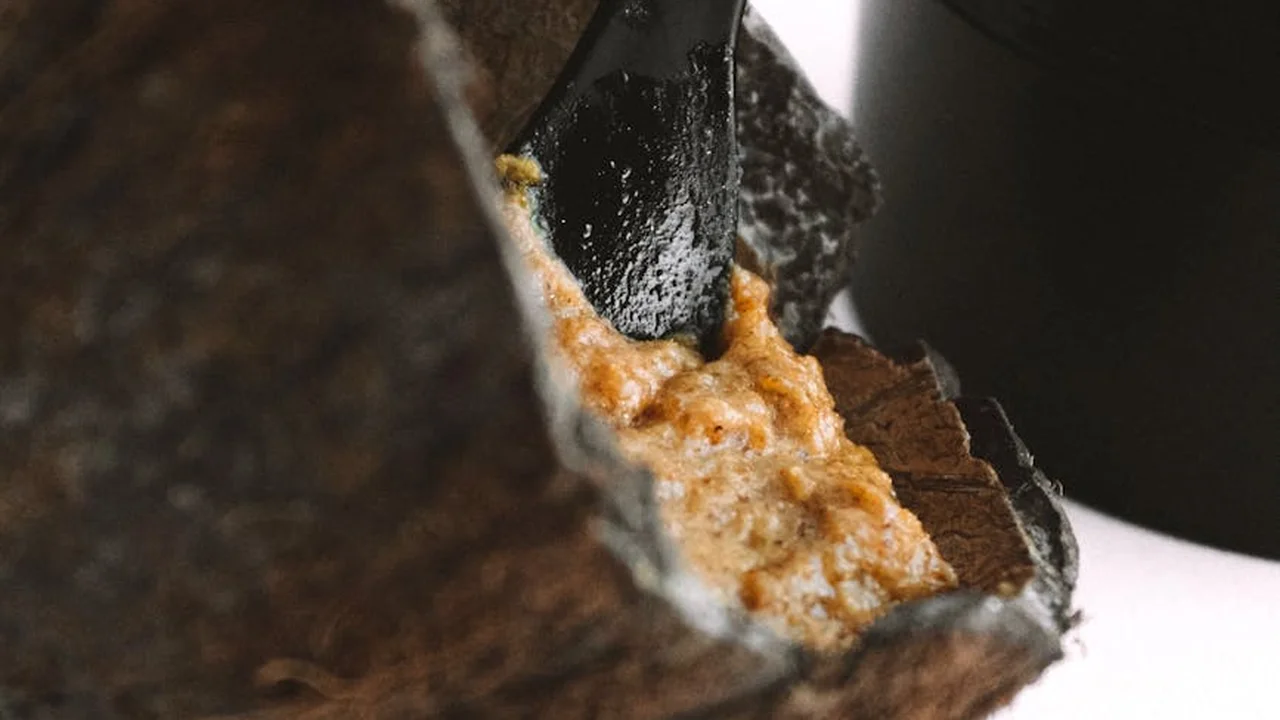
When you scoop coconut oil from the jar, what you’re holding depends entirely on how it was processed. Virgin coconut oil, which I always keep in my kitchen apothecary, has a distinct tropical, nutty aroma and a creamy, opaque white color when solid. Refined coconut oil undergoes bleaching and deodorizing, leaving it neutral in scent and often a clearer white.
Then there’s fractionated coconut oil, a permanent liquid. Fractionated coconut oil has a much lower comedogenic rating because the pore-clogging fatty acids are removed, making it a notably lighter option for skin blends. This is the one I reach for when formulating facial serums for oilier complexions.
When scanning labels, you might see coconut alkanes, coconut acid, or coconut alcohol. These are derivatives. Ingredients like coconut alkanes or coconut alcohol are not the whole oil and often have different, typically non-comedogenic, properties. They’re usually used as texture enhancers or emollients in products.
Virgin vs. Refined: Which One for Your Shelf?
Let’s compare the two main jars you’ll find. Virgin oil smells like a beach vacation and retains more antioxidants. Refined oil is scentless and has a higher smoke point for cooking. For your skin, the critical point is that both virgin and refined coconut oil carry a high comedogenic rating. Their fundamental structure is similar. You can learn more about the key differences and benefits between virgin and refined coconut oil for skin, hair, and cooking in this article.
I choose virgin for body butter or hair masks where its lovely scent is part of the ritual. I grab the refined version when I need a neutral base oil for a blend where fragrance might clash. For facial skin prone to clogging, I generally keep both off my shelf.
Coconut Derivatives in Your Products
Don’t panic when you see “coconut” on your moisturizer. Ingredients such as coconut extract or coconut fruit juice are aqueous, water-based components, not the heavy oil, and they have their own comedogenic profiles which are often much lower. They’re included for hydration or soothing benefits.
Your best move is to become a label detective. In your cleansers or creams, look for these specific terms. If the ingredient is “cocos nucifera (coconut) fruit juice,” it’s likely safe for more skin types than straight “cocos nucifera (coconut) oil.”
Can Coconut Oil Help or Hurt Acne-Prone Skin?
This is where personal experience really guides us. On one hand, coconut oil is a profoundly moisturizing agent that can soothe a damaged skin barrier. It also contains lauric acid, a fatty acid with natural properties that can combat certain acne-causing bacteria. For those dealing with eczema, psoriasis, or persistent dryness, many find coconut oil helpful as part of a soothing skincare routine. Used thoughtfully, it can support a gentle skin barrier.
On the other hand, its thick, occlusive texture is a common trigger for blackheads and pimples in skin that clogs easily. For facial acne, coconut oil is often more risky than helpful, but it may be a savior for very dry, non-clogging skin on the body. I’ve seen both outcomes in my practice.
The Case for Moisture and Soothing
Where coconut oil shines is on body skin that doesn’t share your face’s pore-clogging tendencies. A dab of virgin coconut oil can relieve severe dryness or eczema patches on elbows, knees, and heels beautifully. It creates a protective seal that allows parched skin underneath to heal.
Some people with dry skin use it for oil cleansing, massaging it onto a dry face to dissolve makeup and sunscreen. If you try this, it is absolutely mandatory to follow it with a thorough, gentle wash to remove every trace of oil. Any residue left behind is an invitation for congestion. However, it may not be suitable for all skin types.
Why It’s a Common Pore-Clogging Culprit
The issue lies in its fatty acid profile. Coconut oil is predominantly made up of medium-chain fatty acids like lauric acid, which are rich and highly occlusive. This density can potentially trap dead skin cells and sebum inside the pore, leading to a clog that becomes a blackhead or pimple.
Think of it this way. Using coconut oil on acne-prone facial skin is like wearing a thick wool sweater on skin that already runs hot and oily. It’s simply too heavy for the job, likely leading to overheating and blockage, especially when considering its potential effects on hyperpigmentation and acne scars.
Your Step-by-Step Checklist for Testing Any Oil
Before you put any new oil on your face, a simple patch test is your best friend. This is non-negotiable for anyone with acne-prone skin.
Always dilute a comedogenic oil like coconut with a known safe carrier oil before testing it on your skin. This reduces the risk while giving you a clear signal of how your skin reacts.
I keep a small bottle of diluted jojoba and coconut oil mix in my apothecary just for this purpose.
The Patch Test Protocol
Follow these steps exactly. Patience here saves you from potential breakouts later.
- Cleanse a small, discreet area of skin. The side of your jaw or behind your ear works perfectly.
- Mix one drop of coconut oil with a teaspoon of a low-rated carrier oil, like jojoba or grapeseed.
- Apply a tiny amount of this blend to the clean test area.
- Leave it completely alone for 48 to 72 hours. Do not wash it off.
- Check the area in good light. Look for new small bumps, redness, or itching.
Only if the test area remains perfectly clear should you consider using the oil more broadly.
If You Proceed: Smart Application Habits
If your skin passes the test, move forward with care. Think of coconut oil as a special treatment, not a daily staple.
I might use it sparingly on a dry winter patch on my cheek, but I would never slather it all over my face. Apply it occasionally as an overnight treatment on specific dry areas.
Always apply any oil to damp skin to help it absorb better and avoid a heavy film. After 15 minutes, gently blot any excess with a clean, soft cloth.
Oils That Play Nice with Acne-Prone Skin

For a daily facial routine, your safest bets are carrier oils with a comedogenic rating of 0, 1, or 2. These are much less likely to clog pores.
If you have oily, acne-prone skin, you need light, fast-absorbing oils. For dry but still acne-prone skin, you can handle slightly richer textures that nourish without clogging.
Oils like cocoa butter and some heavier olive oils have a high clogging potential, similar to or greater than coconut oil’s. I keep those for my body, not my face.
Top Carrier Oil Picks for Clear Skin
Here are my go-to oils for keeping skin balanced and clear. These are the best oils for acne-prone skin to build a routine around.
- Jojoba Oil: This is a liquid wax that mimics your skin’s own sebum. It’s light, non-greasy, and tells your skin to produce less oil. It has almost no scent.
- Rosehip Seed Oil: Thin and reparative, it sinks in quickly. It has a subtle, nutty, earthy scent and is rich in vitamins that support skin healing.
- Grapeseed Oil: Light as water and slightly astringent. It’s wonderful for oily skin and absorbs in seconds with a very mild, neutral smell.
Building a Non-Clogging Facial Oil Blend
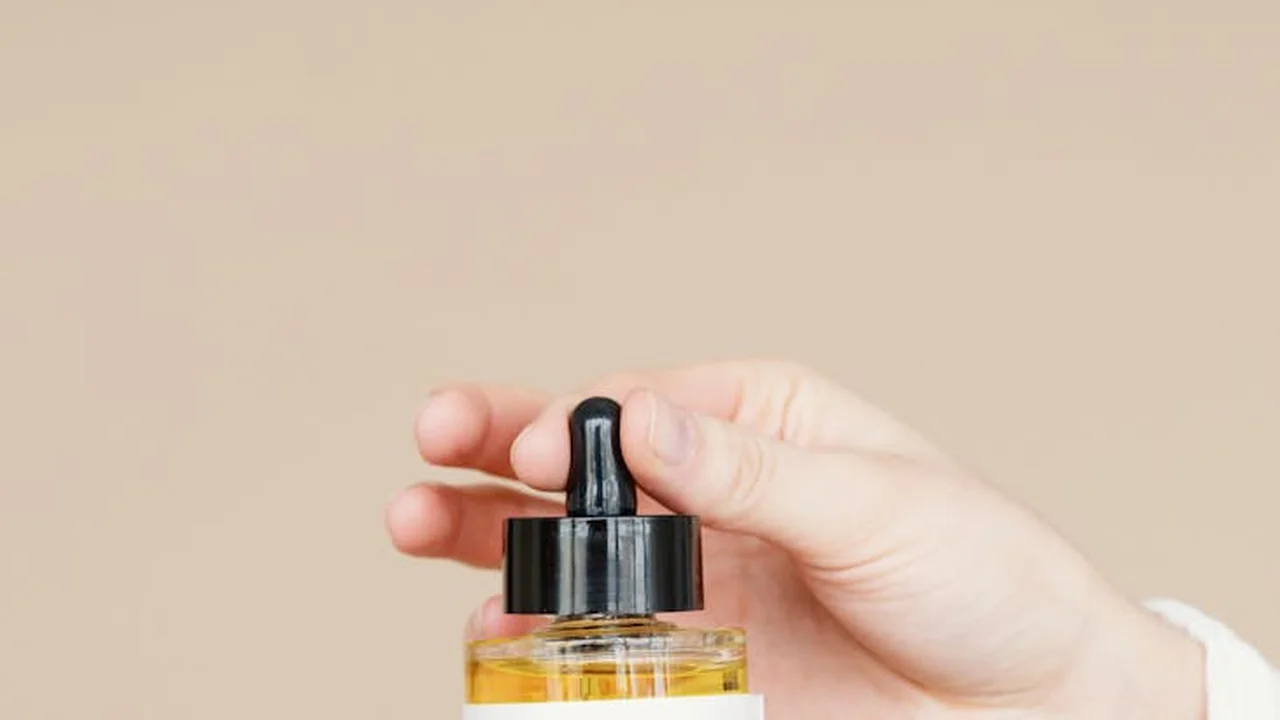
Creating your own serum is simple. Start with a base of a trusted oil like jojoba. From my shelf, I use a one-ounce amber glass bottle.
Fill it 3/4 full with your jojoba base. Jojoba oil is versatile for face, hair, and scalp care, making it a great base for blends. Add a drop or two of a complementary oil like argan for extra nourishment. Avoid starting with heavy oils like coconut for facial blends.
Remember, using three drops of oil consistently every night is far more effective than a full dropper once a week. Consistency trumps quantity every time.
Your Coconut Oil Questions, Answered
What does a comedogenic rating of 4 actually mean for my skin?
A rating of 4 indicates a high likelihood of clogging pores, especially for those with oily or acne-prone skin. Think of it as a strong caution sign, not a guaranteed reaction, as your unique skin biology is the final deciding factor.
I see “fractionated coconut oil”-is that better for my face?
Yes, fractionated coconut oil, which stays liquid, has a lower comedogenic rating (around 2) because the heavier pore-clogging components are removed. This makes it a much safer, lighter option for facial blends compared to virgin or refined coconut oil.
If coconut oil is so pore-clogging, why is it in so many skincare products?
Many products use coconut-derived ingredients like coconut alkanes or esters, which are chemically different from the whole oil and are often non-comedogenic. They’re typically used as lightweight emollients or texture enhancers, not as the primary moisturizing oil.
Can the antibacterial properties in coconut oil help fight acne?
While its lauric acid has antibacterial properties, the oil’s thick, occlusive nature can trap bacteria and sebum inside pores, often outweighing any potential benefit for facial acne. For most acne-prone skin, this makes it a counterproductive choice.
Is there a safe way to get the moisturizing benefits of coconut oil?
For facial skin, it’s safest to enjoy its benefits indirectly by using products formulated with its non-comedogenic derivatives. For the body, where skin is less prone to clogging, applying virgin coconut oil to dry areas like elbows or heels can be deeply nourishing, especially after sun exposure. It can also help soothe sunburned skin and improve your daily skincare routine.
Finding Your Path with Coconut Oil
The core truth is that coconut oil’s relationship with your skin is deeply personal. Your best guide is a careful patch test and paying close attention to how your unique skin responds over time.
I invite you to keep following along here as we explore more blends and uses for oils at home. I’ll also highlight which specific oils work best for oil cleansing for skin and hair. Trust the wisdom you gather from your own skin just as much as the advice you find here.
Relevant Resources for Further Exploration
- Does Coconut Oil Treat Acne or Make It Worse?
- Does Coconut Oil Cause Acne? | CLEARSTEM
- Coconut Oil Cause or Heal Acne Skin | Sterling Minerals
- Does Coconut Oil Clog Pores? Dermatologists Weigh In
Noemi Kamińska
Noemi is an accomplished wellness researcher, nutrition care guide and body care expert. She has years of experience in formulating various oil combinations for full body wellness including face, hair, body care, essential oils and cooking oils. She works as a bio-formulator working with oil chemistry and analyzing the best formulations when it comes to your needs. Feel free to reach out to get your oil needs sorted.