
Can You Mix Cooking Oils for Frying? Blending Olive Oil for Better Results
Staring at your cabinet, you might worry that mixing oils will cause a kitchen disaster. From my own stove, I can tell you that blending oils is a simple, effective way to improve your frying.
I’ll walk you through how to combine olive oil with other oils to master heat and flavor. Here’s what we’ll cover:
- Why mixing oils works better than using one alone
- Which oils pair best with olive oil for frying
- How to blend oils safely for any temperature
- My go-to combinations from my own kitchen shelf
Key Takeaways
Yes, you can absolutely mix different cooking oils for frying. In my own kitchen, blending oils is a common and practical habit. For most home cooking, combining oils is a safe way to get the best qualities from each one. It is a simple act of resourcefulness.
Remember how blending a thick carrier oil with a lighter one changes the feel on your skin. Heat works similarly. The smoke point of your final blend is a weighted average, not the highest point in the mix. Adding a little olive oil to a high-heat oil will gently lower its resistance.
This practice is not just about surviving the heat. The main goal is to weave flavors together, creating a more complex and pleasing base for your food. A robust olive oil can gain a buttery smoothness from avocado oil, for instance.
Once you create a blend, its nature changes. Mixed oils should be used faster than their separate components, as the blend’s stability can decrease. Treat it like a fresh infusion you make for skin care-best used promptly.
What You’ll Need for Your Oil Blends
Getting set up is easy. I keep these items together on a dedicated shelf, much like my blending station for body oils.
- A clean, dry glass bottle or jar for storage. Glass is inert and lets you see the beautiful color of your blend. An old 500ml olive oil bottle works perfectly after a good wash.
- A small funnel. This is your best friend for a mess-free transfer from bottle to bottle. Mine has a tiny spout that gives me control.
- Your chosen oils. Think of a trio: a flavorful oil (like olive), a high-heat oil (like avocado), and a neutral oil (like grapeseed). Choose cold-pressed versions for their richer character and wellness benefits.
Do not forget one critical tool. A permanent marker for labeling with the date and blend is a must for safety and freshness. I write directly on the glass bottle so I never have to guess.
Is It Safe to Mix Oils in the Frying Pan?
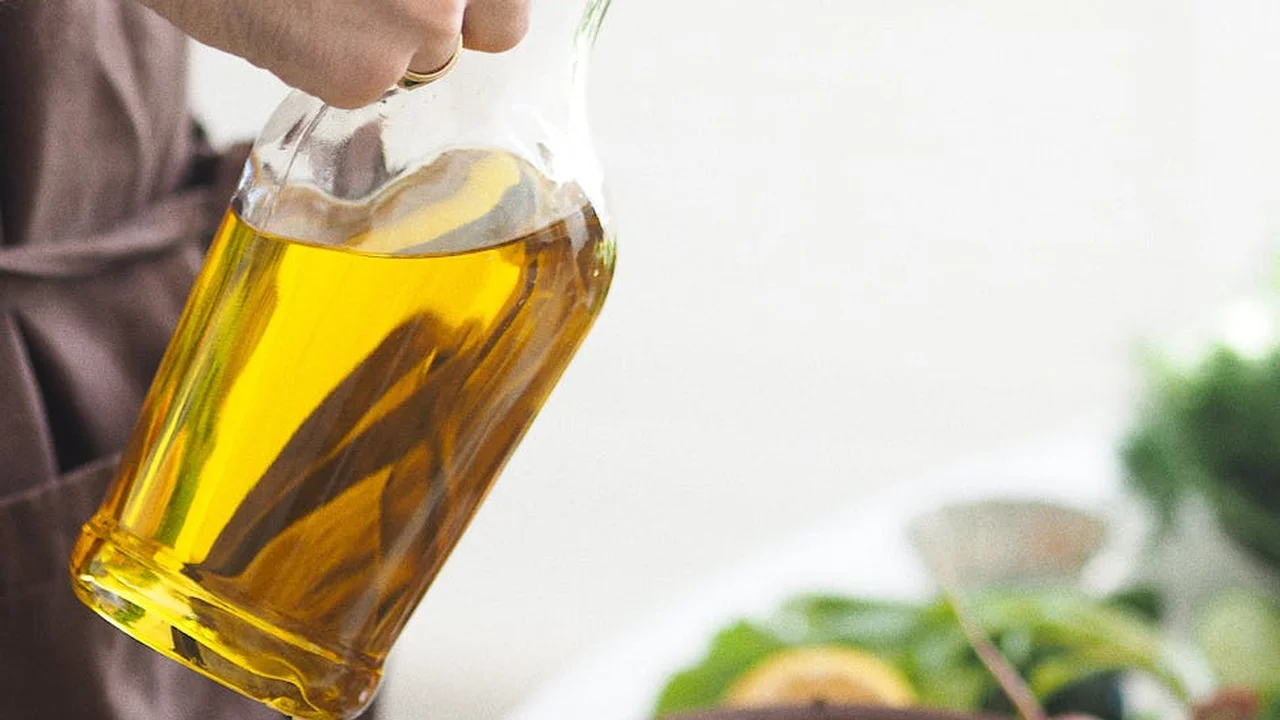
Yes, it is generally safe to mix cooking oils for frying. I do this in my own kitchen all the time.
From a chemical standpoint, most plant oils are compatible. They blend together easily, much like different herbal infusions mix in a carrier oil.
The primary rule is simple: the most fragile oil in your mix dictates the care needed for the entire blend. Treat the whole batch with the same temperature respect you’d give that delicate oil alone.
My own fry station has a dedicated bottle for blends. It often holds a high-smoke point oil for safety and a drizzle of something flavorful from my pantry.
Can I Mix Avocado Oil and Olive Oil?
Yes, you absolutely can! This is one of my go-to blends for everyday cooking.
They are fantastic partners. Avocado oil offers a high smoke point and buttery stability, while olive oil contributes its rich, grassy flavor and wellness properties. Often, the choice between avocado oil and extra virgin olive oil depends on the dish and cooking method.
This is a premium blend I use for searing and sautéing, where you want both heat tolerance and a delicious taste. The aroma is warm and inviting.
Can I Mix Canola and Vegetable Oil?
You can, and this is very common. It’s a practical move I see in many home kitchens.
Both oils are typically refined and neutral in flavor. Blending them is mostly about economy, making your oil supply last a bit longer.
There is little change in flavor or cooking performance. The blend simply gives you more volume for tasks like pan-frying or making a large batch of roasted vegetables.
How Blending Changes Your Oil’s Smoke Point
I often hear a hopeful idea in my kitchen. Blending a high-smoke point oil with a lower one will not create a new, higher tolerance for heat. The oils do not magically transform each other.
Picture mixing a cup of hot water with a cup of cold water. You get warm water, not water that is hotter than your original hot cup. Your oil blend follows this same, simple principle.
This gives you a practical guide. Your blend’s safe heating temperature is roughly an average of the oils you use. For a half-and-half mix of avocado oil and extra virgin olive oil, expect a middle ground between their individual smoke points.
From my own stove to yours, here is my steadfast rule. Always err on the side of the lower smoke point oil in your mixture when judging safe heat. This protects the oils from breaking down, which prevents that acrid smell and keeps your kitchen air and food clean. It’s important to understand the smoke points of various oils to make informed choices for different cooking methods.
Crafting Flavor with Oil Blends
This is the creative part, the real joy of blending oils for your kitchen. Think of it like composing a scent for your home-you start with a base note and add accents for complexity.
A robust, peppery extra virgin olive oil can be wonderful, but it might overpower a delicate piece of fish. By blending it with a neutral, high-heat oil like refined avocado or high-oleic sunflower, you temper that intensity. You get a hint of olive’s fruitiness without it taking over the whole dish.
I keep a dedicated bottle on my shelf for a high-heat blend. My current favorite is two parts refined avocado oil to one part bold, early-harvest olive oil. It gives roasted vegetables a clean, buttery finish with just a whisper of the Mediterranean in the background.
Does the Flavor of Fried Food Change?
Yes, absolutely. And that’s often the entire point of blending.
Frying chicken in pure, neutral peanut oil gives you that classic, clean crunch. But swap half that peanut oil for a mild, refined olive oil, and the flavor profile shifts in a delicious way. The crust takes on a subtle, savory depth that pure peanut oil alone can’t provide.
Your best approach is to start small. Fry a single piece of chicken or a handful of potato slices in your new blend. Taste it. Note the flavor. Is it what you wanted? Your own preference is the only guide that matters here. From my own tests, a 70/30 split of a neutral oil to a flavorful one is a perfect, safe starting point for finding your signature fry blend.
The Simple Math of Oil Ratios
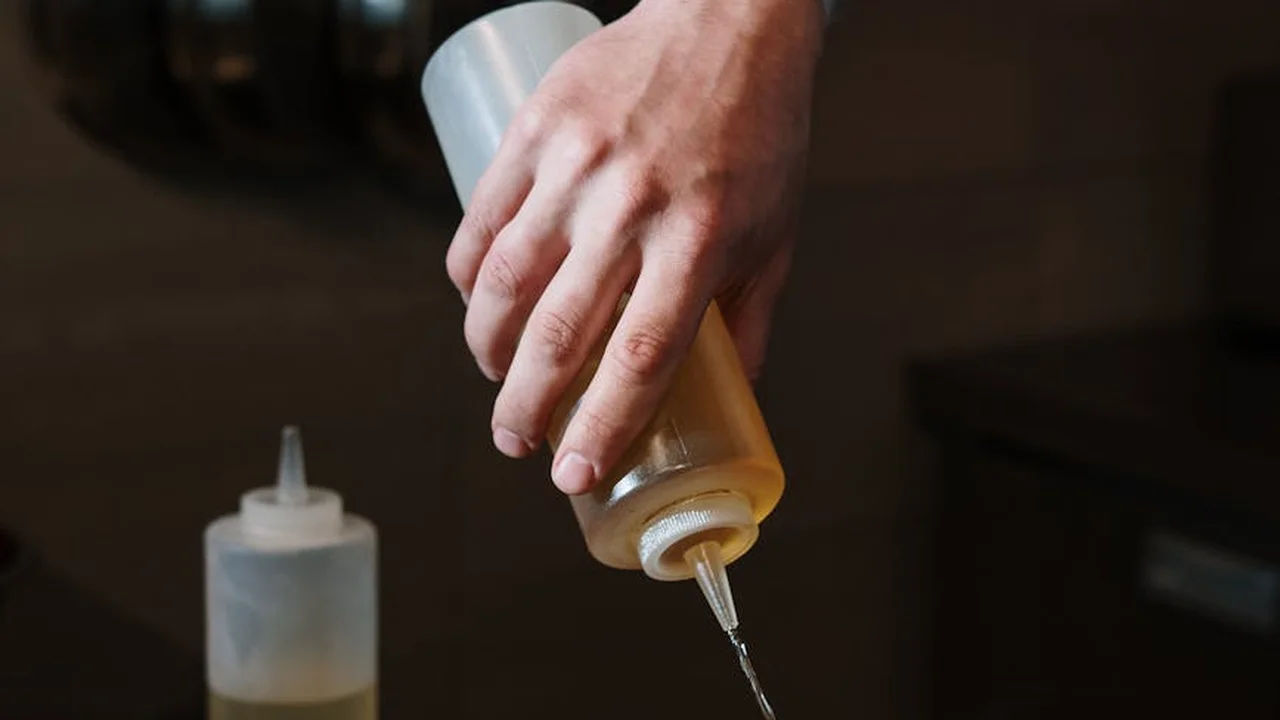
You don’t need a chemistry degree to blend frying oils well. I keep it simple in my own kitchen.
There is no single perfect ratio that works for every dish or pan. Your goal for the meal sets the guideline.
Are you searing a steak and need a very high smoke point, but want a whisper of flavor? That’s one blend. Are you making fried rice and want a totally neutral base with just a bit more nutritional depth? That’s another.
Think of your intention first: “high heat with a flavor kiss” or “neutral base with extra depth.” The rest is just gentle pouring.
A Starter Ratio for Olive and Avocado Oil
Olive oil and avocado oil are friends on my shelf. They balance each other beautifully.
I suggest a 1:1 ratio as your perfect starting point. Half extra virgin olive oil, half avocado oil. This blend gives you a smoke point well above 400°F, a lovely golden shimmer, and a subtle, fruity background note.
It’s wonderfully versatile for sautéing vegetables, pan-frying fish, or making a frittata.
You can easily adjust from that equal mix based on what you’re cooking. For very high-heat searing, tip the scale toward more avocado oil. For a stronger, grassy olive flavor in a quick veggie sauté, add a heavier pour of olive oil. Listen to what you’re making.
Blending Neutral Oils Like Canola and Vegetable
This is where kitchen thrift shines. I do this all the time.
When my bottle of canola oil is down to the last cup and the sunflower oil isn’t full either, I just combine them right in the pan. The ratio here isn’t about precision. It’s about using what you have and avoiding waste.
Blending neutral oils is a frugal practice, not a flavor experiment. You’re creating a functional frying medium, not crafting a finishing sauce.
The result is a reliable oil with a composite smoke point that’s perfectly fine for most frying tasks. Just give the bottle a little swirl before you pour to mix them gently.
Are There Real Health Perks to Blending?
Let’s be clear. I don’t want you to think blending oils is a magic trick for perfect health.
It isn’t. But there is a sensible, practical benefit rooted in the same principle I use for my herbal blends.
Just like how rosemary oil and peppermint oil do different things for your scalp, different cooking oils bring different strengths to your kitchen.
Each Oil Has Its Own Profile
Think of fatty acids and phytonutrients like notes in a complex scent. Olive oil is rich in monounsaturated fats and contains oleocanthal, a compound with a distinctive peppery feel. Avocado oil also has monounsaturated fats but brings a different set of plant sterols and vitamin E to the mix. These subtle differences influence their uses and benefits in cooking and skincare.
By blending, you naturally create a more diverse nutritional profile in your meal, just as using different herbs creates a more complex wellness blend.
Variety is the True Goal
In my apothecary, I rotate my base carrier oils-sweet almond one week, jojoba the next-to give my skin a range of nutrients. Your diet works the same way.
Relying on just one oil for everything means you might miss out on the unique compounds others offer. Using a high-oleic sunflower oil with a robust extra virgin olive oil, for instance, combines stability with a burst of phytonutrients you wouldn’t get from a neutral oil alone.
A simple rotation or blend of quality fats is a sound, holistic principle, not a fleeting trend.
The Frying Reality Check
Here is my crucial caution from years of working with heat-sensitive botanicals. High heat changes everything.
Frying stresses an oil, breaking down those delicate compounds we might blend for. The primary reason to mix oils for frying should always be to balance flavor with a higher smoke point.
I might blend a touch of sesame oil for its rich, nutty aroma with a larger amount of a high-heat avocado oil. The goal is a delicious result, with the diversity of fats as a thoughtful bonus, especially when using homemade oils that add an extra layer of care during cooking.
Don’t blend two unstable oils solely for a perceived health boost that the frying process itself will likely diminish. Choose at least one oil you trust to handle the heat.
Oil Combinations to Approach with Caution
Think of blending oils like hosting a dinner party. You want all the guests to get along. Most oils mix beautifully, but a little forethought keeps everything harmonious. My guidance here is less about strict rules and more about practical wisdom from my kitchen.
Oils with Very Different Smoke Points
Mixing a delicate oil with a hardy one for high-heat frying is a common misstep. Imagine trying to have a quiet conversation next to a roaring fire. The delicate oil, like unrefined walnut or pumpkin seed oil, will burn and turn acrid long before your avocado oil even breaks a sweat.
This burned oil layer coats your food with bitter, off flavors you can’t fix with seasoning. It defeats the purpose of blending. For shallow frying or a quick sauté, a small splash of a flavorful, low-smoke-point oil can work. For deep frying, stick to oils that play in the same heat league.
Strongly Flavored Oils in Large Amounts
Oils like toasted sesame, unrefined coconut, or a very robust extra virgin olive oil are powerful. I love them, but they can easily overpower a dish, especially when used as the primary oil in a blend for eastern dressings or Asian cuisine. Using them as the primary oil in a blend is like making a soup that’s all garlic.
Instead, treat these potent oils as a finishing seasoning. Add a small drizzle to a neutral, high-heat base oil to introduce their character without letting it dominate. A 1:4 ratio of flavorful oil to neutral oil is a safe, delicious starting point. My favorite weekend fry-up often starts with avocado oil, finished with just a teaspoon of fragrant sesame oil right at the end.
Fresh Oils with Old Oils
This is the one piece of advice I consider non-negotiable. Never, ever top up your frying vessel with fresh oil to replenish what you’ve used. Do not mix a new bottle with an old, questionable one sitting in the cupboard.
Used oil contains food particles and has begun to break down. Adding fresh oil to old oil instantly introduces the entire batch to those breakdown compounds, accelerating rancidity for everything. It’s like adding fresh cream to soured milk. You will spoil the good with the bad. I keep a dedicated container for used oil and dispose of it all at once.
Storing Your Custom Oil Blend
This step is about safety, not just shelf life. I treat every custom blend I make, whether for the pan or the skin, with this same respect.
Mixing oils changes their chemistry. Once blended, they become more perishable than any single oil in the bottle.
Think of it like a team where the weakest link sets the pace. Your blend’s lifespan is now defined by the oil that spoils the fastest.
The Golden Rules for Storage
Follow these simple steps to keep your fusion oil fresh and effective.
Always use a clean, dry, dark glass container. Light and plastic can degrade oils. I reuse dark amber bottles from my apothecary for this very reason.
Label with the date you mixed it. Write it directly on the bottle. Your future self will thank you for this one small habit.
Store in a cool, dark cupboard, not by the stove. Heat, light, and air are the three enemies of oil. Find a spot away from your oven or windowsill.
Remember, the shelf life resets when you mix. The clock now runs on the shortest-lived oil in your blend. If you combined a long-lasting oil with a more delicate one, the delicate oil dictates when the whole mix should be used.
Can You Give Used Oil Blends a Second Life?
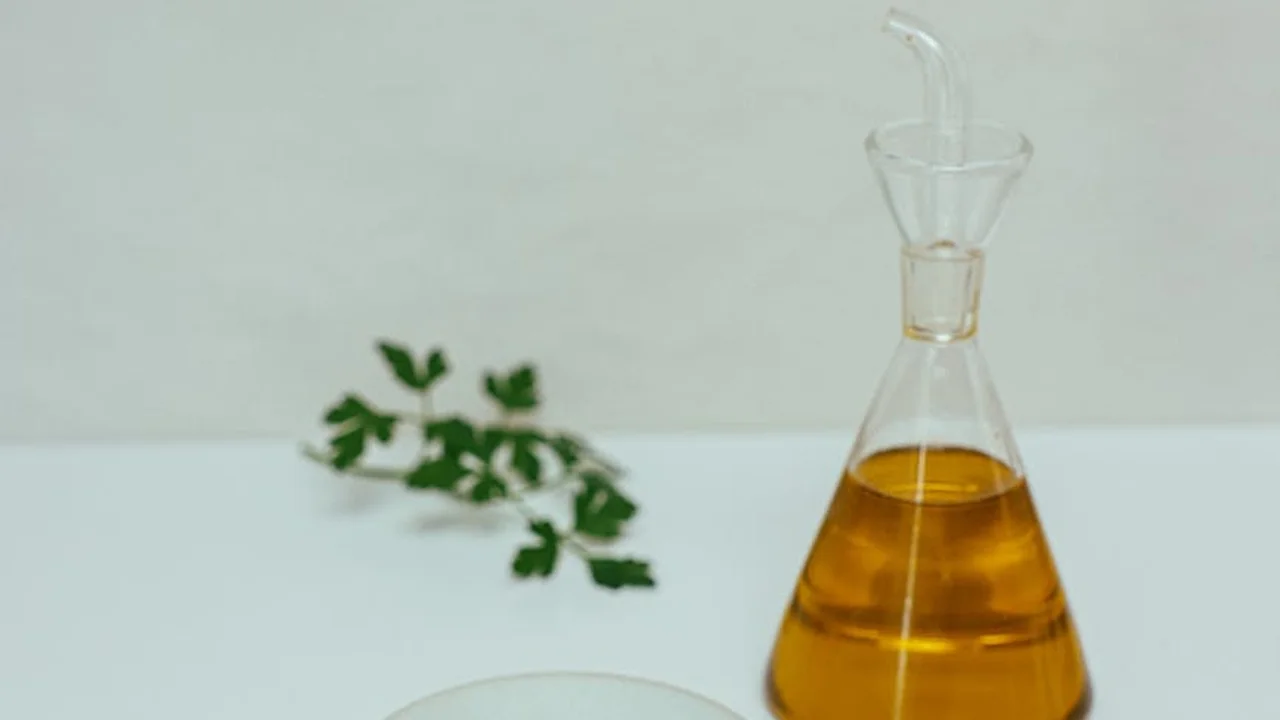
You can, but with caution. My answer is a careful “sometimes.”
The rules for reusing a blend are much stricter than for a single oil. Each oil in your mix breaks down at its own pace. Once heated together, their stability becomes a shared, and often weaker, link.
I treat every blended batch as more fragile after its first use, and I’m very picky about giving it a second chance.
When to Reuse a Blend
I only consider reuse under these perfect conditions. All three must be true.
- Only if it was used for a brief, clean fry. Think plain blanched potatoes or fresh vegetables. Minimal food particles and no seasonings that burn.
- It was strained well through a fine mesh or cheesecloth. I keep a dedicated jelly bag in my kitchen just for this. You want to remove every tiny speck.
- It smells fresh and shows no foam, dark color, or off odors. Pour a little into a clear glass. It should look relatively clear and smell like a pleasant, warm oil-not fishy, burnt, or sour.
When to Let It Go
Knowing when to stop is a key kitchen skill. Do not reuse your blend if:
- After frying fish, breaded foods, or anything that left particles. Those bits will continue to burn next time, ruining your food and creating unhealthy compounds.
- If the oil smokes during use. That smoke point was breached. The oil’s structure is damaged, and it will smoke even faster next time.
When in doubt, dispose of it. A bottle of new oil costs far less than a ruined meal or concerns about your wellbeing. I compost my used oils if they’re plant-based, or cool and dispose of them in a sealed container. If you have leftover oil, you can reuse it for future frying after straining and proper storage. When it’s time to part with it, follow proper at-home disposal methods to avoid clogs, leaks, and environmental harm.
Blends to Try on Your Next Fry Day
Mixing oils is a little like building your own kitchen apothecary. These are my personal templates, the ones I reach for again and again.
Think of them as starting points you can trust.
The Confident Sauté Blend
This is the workhorse blend I keep in a dedicated bottle by my stove. I use a 50/50 mix of avocado oil and light olive oil.
Avocado oil brings an incredibly high smoke point, while the light olive oil adds a whisper of fruitiness. Together, they create a stable, all-purpose medium that won’t break down under sudden heat. This makes them ideal for high-heat cooking and frying.
It’s my absolute favorite for searing chicken thighs until the skin crackles, or for tossing a heap of chopped kale and garlic in a hot pan. The clean result lets your ingredients shine.
The Frugal Deep-Fry Base
Deep frying at home doesn’t need to be expensive. For a big pot of oil, I blend 75% neutral oil (like canola or vegetable) with 25% regular olive oil, not extra virgin.
The neutral oil handles the high-temperature bulk of the work without any flavor transfer. The olive oil, with its slightly lower smoke point, is safe here because it’s diluted. This small addition imparts a subtle, savory depth you just don’t get from a plain oil.
I find it perfect for apple fritters or homemade falafel. It gives a golden, richer-tasting crust without making your kitchen smell like a fast-food joint.
The Flavor-Forward Finish
This blend is for when you want the soul of a good olive oil to sing, even with heat. I mix 80% grapeseed oil with 20% of a robust, peppery extra virgin olive oil.
Grapeseed oil is nearly tasteless and has a high smoke point, so it protects the delicate EVOO from burning. The magic happens as it heats; the beautiful aromatic notes of the olive oil bloom into the food instead of vanishing in smoke.
I use it to pan-fry potato slices until they’re crisp, or to quickly warm herbs and garlic for a last-minute pasta finish. The flavor stays bright and true.
Your Quick Questions, Answered
What are the best oils to blend with olive oil for frying?
Choose oils with high smoke points to complement olive oil’s flavor. My top partners are avocado oil for buttery stability and refined high-oleic sunflower or grapeseed oil for a neutral, high-heat base.
How does blending actually affect the smoke point for frying?
Blending creates a weighted average of the oils’ smoke points; it does not magically adopt the highest one. Always gauge your heat by the most delicate oil in your blend to prevent it from smoking.
Are there health benefits to blending cooking oils?
While not the primary goal for frying, blending can diversify the fatty acids and phytonutrients in your meal. Think of it as a practical way to enjoy a wider spectrum of plant-based compounds.
What oils should I avoid mixing for a frying blend?
Avoid pairing a very low smoke-point oil (like unrefined walnut oil) with high-heat frying, as it will burn. Also, never mix fresh oil with old, used oil, as this accelerates rancidity for the entire batch.
How should I store my custom frying oil blend?
Always store blends in a clean, dark glass bottle in a cool cupboard and label it with the date. Use it within a few weeks, as its stability is now guided by the most perishable oil in the mix.
Harvesting Flavor from Your Oil Shelf
From my apothecary to your stove, remember that successful blending starts with understanding each oil’s character, similar to choosing a lavender for calm or a citrus for zest. Pair a high-heat oil with a flavorful one like olive oil to create fries that are both crisp and rich, a simple practice that nurtures wellness from your kitchen out.
I share more practical guides for using oils in daily life right here on the blog. Trust your hands and your nose as you experiment, they often guide you to blends that bring balance to your body, your home, and your table.
Research and Related Sources
- r/AskCulinary on Reddit: When mixing two different oils does the mixed oil smoke point average out or is it limited by the lower point of the two?
- Can you mix oils for frying? – Quora
- Can you mix oils for frying? – My Creative Home Cooking – Quora
- Instead Of Limiting Your Cooking To Just One Oil, Mix Them Up – Tasting Table
- Can You Mix Oils for Frying?
Noemi Kamińska
Noemi is an accomplished wellness researcher, nutrition care guide and body care expert. She has years of experience in formulating various oil combinations for full body wellness including face, hair, body care, essential oils and cooking oils. She works as a bio-formulator working with oil chemistry and analyzing the best formulations when it comes to your needs. Feel free to reach out to get your oil needs sorted.