
Is Neem Oil the Safe Garden Pest Solution You Need?
I understand the frustration of watching bugs feast on your plants, especially when you want to avoid harsh chemicals. My own shelves hold a bottle of neem oil for exactly this reason, and it’s a trusted part of my organic garden routine.
Neem oil can be incredibly effective, but using it the right way makes all the difference. This guide will cover:
- What neem oil really is and how it works.
- How to mix a simple, effective spray.
- The best times and methods for application.
- What to expect when you use it.
What Is Neem Oil and Why Does It Work on Pests?
Neem oil comes from pressing the seeds of the neem tree, a plant I’ve relied on for years.
You’ll know it by its unique scent-earthy and nutty with a definite hint of raw garlic. The texture is thick and rich, like warm honey, and its color is a deep golden-green.
The magic lies in a compound called azadirachtin. Azadirachtin cleverly disrupts the hormones that control how pests grow, eat, and reproduce.
This means it’s not a simple poison. Think of it as a multi-purpose tool for your garden. It makes plants taste bad so pests stop feeding, it keeps new bugs from maturing properly, and its strong smell sends many critters scrambling.
Finding the Right Neem Oil for Your Garden
You have two main choices. Pure, cold-pressed neem oil is a concentrated raw material you mix yourself. The commercial neem sprays on the shelf are usually this oil already diluted with water and a little soap. If you’re buying for acne or eczema skincare, look for pure, cold-pressed neem oil from a reputable retailer. Check the label for “cold-pressed” or “unrefined” to ensure minimal processing.
I keep a bottle of the pure oil on my shelf. It gives me control. I can make a strong treatment for a bad infestation or a gentle one for routine care.
Look for it at garden centers, natural food stores, or reputable online herb shops. Always check the label for the words “100% cold-pressed” to ensure you’re getting the full, unheated extract with all its active compounds intact.
Avoid any product that lists extra synthetic pesticides. You want the power of the neem tree, nothing else.
One beautiful thing about the pure oil is its shelf life. Stored in a cool, dark place, that same bottle can serve your garden for several seasons. It’s a long-term investment in natural care.
Is Neem Oil Pest Control Safe for My Plants, Family, and Pets?
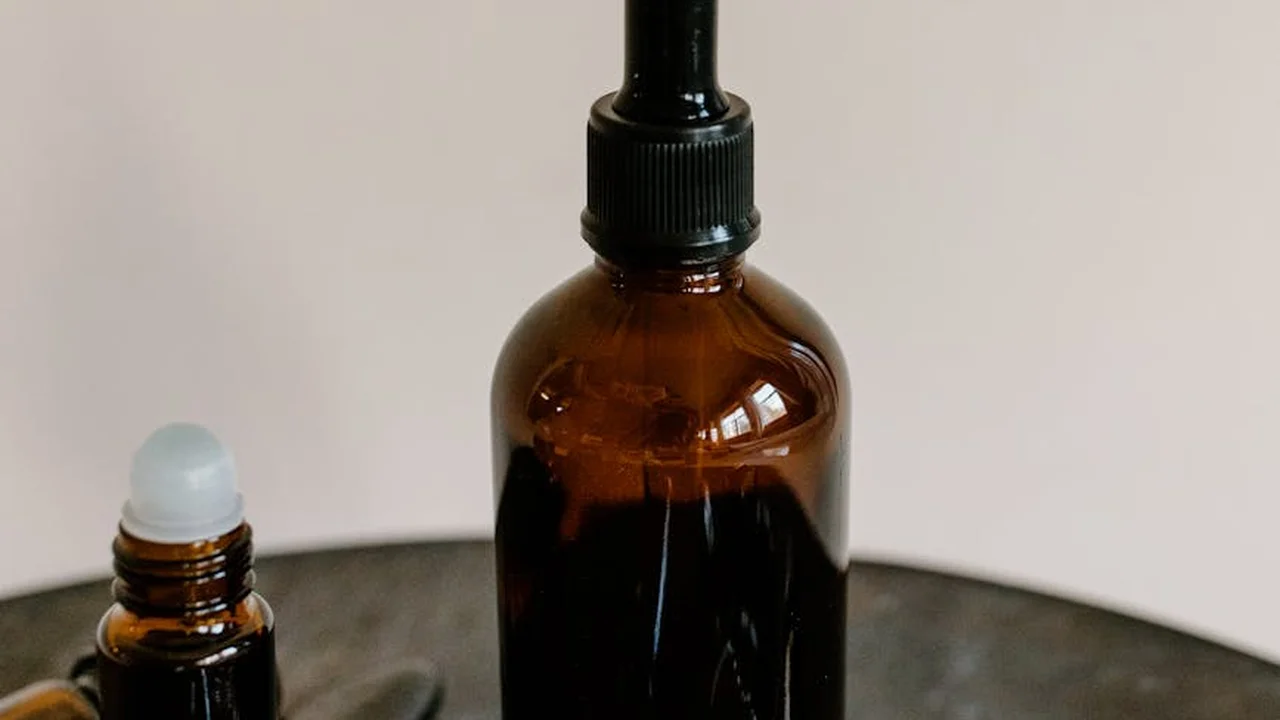
Here is the most important thing to know: neem oil pest repellent is safe for humans and pets when used correctly on plants. It breaks down quickly in sunlight and soil and is non-toxic to mammals and birds when applied as a diluted spray.
I keep a bottle in my garden shed without worry. That said, there is one non-negotiable rule you must always follow.
You must always dilute pure neem oil and perform a plant patch test on a small area first. Even natural oils can be potent. Test a few leaves, wait 24-48 hours, and look for signs of burn or stress before treating the whole plant.
For the safest and most effective results, I stick to a few key safety rules in my own routine.
- Apply sprays in the early morning or evening. This avoids strong sun that could cause leaf burn on wet foliage.
- Avoid spraying flowers directly. We want to protect our precious bees and other pollinators who visit the blooms.
- Wear gloves. Neem oil has a strong, earthy scent that lingers on skin.
It is a champion for organic gardening and is approved for use on food crops. Just give any harvested produce from treated plants a good wash under running water before eating, which is a smart practice anyway.
The Golden Rule: Always Dilute and Emulsify
Pure neem oil is thick and will not mix with water. If you try, you will just get oily blobs floating in your sprayer, which can clog leaves and harm your plants. This is a classic example of why oil and water don’t mix due to solubility and immiscibility. Understanding these mixing properties helps explain how botanical oils behave in sprays.
You need an emulsifier – a simple ingredient that binds oil and water together into a stable, milky mixture. Think of how whisking egg yolk (the emulsifier) lets you make mayonnaise from oil and vinegar.
My go-to is a few drops of liquid castile soap. It is gentle, effective, and I always have it on my shelf for home cleaning. A mild, natural dish soap can work too.
Some gardeners prefer using a small amount of natural alcohol, like ethanol or vodka, as their emulsifier. It mixes instantly and evaporates quickly. I find soap creates a slightly longer-lasting blend on the leaves, but both methods are perfectly valid.
Your Master Recipe: How to Mix Neem Oil Spray
Getting the mix right is the difference between a slick that slides off leaves and a fine mist that sticks. My go-to formula balances strength with gentleness for most plants. This basic recipe is my garden’s first line of defense, and I mix a fresh batch every week during peak bug season.
What You’ll Need
- 1 quart (32 oz) of warm water
- 1 teaspoon of pure, cold-pressed neem oil
- 1/3 teaspoon of a liquid castile soap (like Dr. Bronner’s) or a mild, pure liquid dish soap
- A clean 32 oz spray bottle (I prefer the amber or blue ones to protect the oil from light)
- A small bowl or cup for mixing
Step-by-Step Instructions
-
Start by measuring your neem oil. Pour that 1 teaspoon into your small mixing bowl or cup. The oil is thick and has a strong, nutty aroma-that’s the smell of protection.
-
This next step is non-negotiable: you must mix the neem oil with your emulsifier first. Add the 1/3 teaspoon of liquid soap directly to the neem oil in your bowl. Stir or whisk it vigorously until it forms a smooth, creamy, uniform mixture with no separate oil globules. The soap breaks the oil into tiny droplets that can mix with water.
-
Fill your spray bottle about halfway with the warm water. Warm water helps everything blend more easily.
-
Slowly pour your neem-and-soap mixture into the bottle with the water. Swirl it gently to combine.
-
Top off the spray bottle with the remaining warm water, leaving a little air space at the top. Screw the lid on tightly.
-
Now, shake it like you mean it. Shake the bottle for a good 30 seconds to create a stable, milky-white emulsion. This vigorous shaking is what makes your spray effective.
Tips for Best Results
Always, always shake the bottle vigorously right before you spray and then again every minute or two as you work. The mixture will start to separate as it sits, and shaking recombines it.
Mix only what you plan to use within a day or two. I keep a fresh batch on my potting shelf and never store a pre-mixed spray for weeks. The active components break down, and the emulsion can spoil, losing potency and potentially harming plants.
Test the spray on a small, inconspicuous part of a plant first, wait 24 hours, and check for any adverse reaction before treating the whole plant or garden.
Tailoring Your Spray: Common Garden Pests and Problems
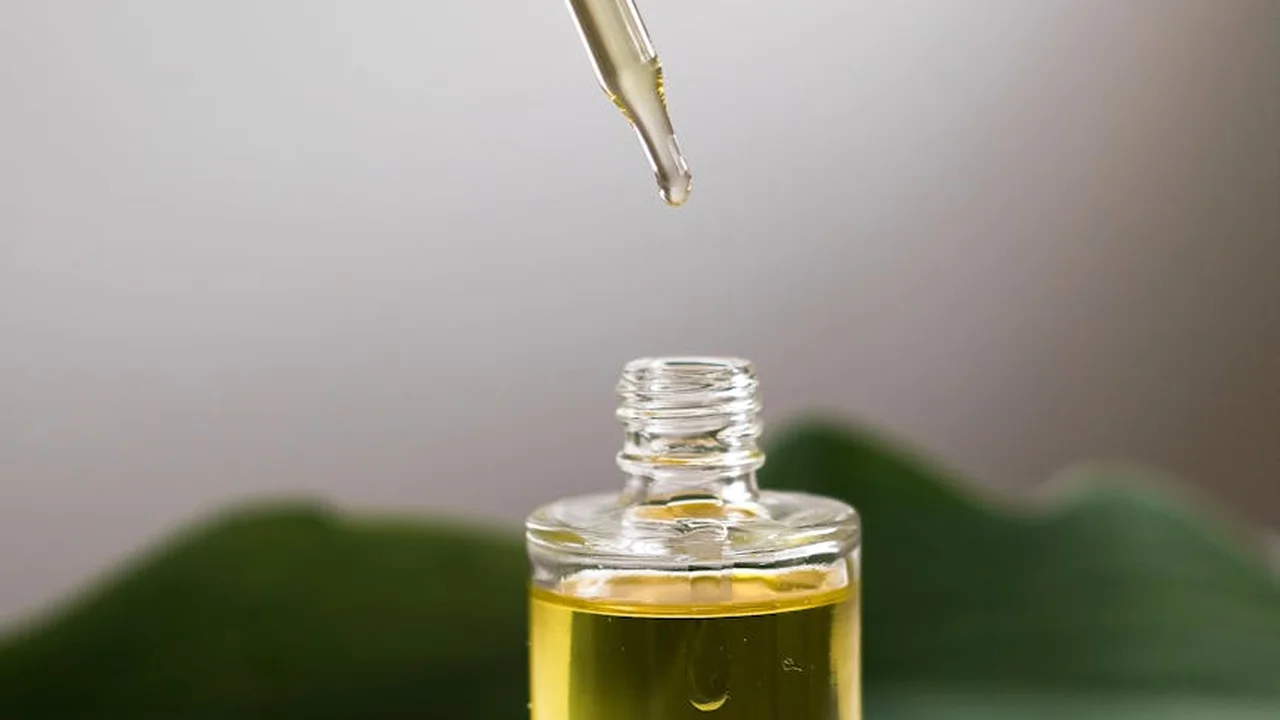
Different bugs need different tactics. Here is how to adjust your aim for common garden troublemakers.
For Soft-Bodied Insects (Aphids, Mealybugs, Whiteflies)
These pests love to hide. You will often find them clustered on the tender undersides of leaves and along new stems.
Your mission is to coat those hidden spots thoroughly. I flip the leaf in my hand and spray until it glistens.
Neem oil works in two ways here: it disrupts their hormones so they stop feeding and breeding, and it can coat their bodies, suffocating them. The effect is not instant, but within a few days, you should see the colony shrink.
For Mites (Spider Mites, Others)
Spider mites are incredibly tiny. You might see their fine webbing before you see the mites themselves.
So, can neem oil kill spider mites? Yes, absolutely. It is very effective, but consistency is everything.
You must cover every millimeter of the plant, especially the leaf undersides. Because mites thrive in dry conditions, I follow my neem spray with a light mist of plain water to raise humidity around the plant. This one-two punch works wonders on my indoor plants.
For Flying Nuisances (Fungus Gnats, Others)
Fungus gnats are more annoying than harmful, but their larvae can munch on tender roots.
To stop them, you must target the soil. The adult flies are a distraction. Can neem oil kill fungus gnats? It excels at killing the larvae in the soil. I do a light drench of the soil surface with my spray mix, just enough to moisten the top inch.
Repeat this every few days to break their life cycle. The earthy, nutty scent of the neem seems to deter the adults from landing, too.
For Crawlers (Ants, Slugs)
Ants are often farmers of aphids, so controlling aphids with neem helps deter ants indirectly.
Does neem oil deter ants on its own? It can. Spraying it along their scent trails and entry points disrupts their communication. It makes the area less appealing and can encourage them to take their business elsewhere. It is a gentle deterrent, not an instant eliminator.
For slugs, snails, or larger visitors like rabbits, neem is a mild repellent at best. The smell might give them pause. For these, physical barriers like copper tape or fencing are far more reliable solutions.
When and How Often to Apply Neem Oil
Timing is everything with neem. Think of it like watering your plants or feeding them. A consistent routine works much better than a frantic one-time spray.
For an active pest problem, you need to interrupt their life cycle. I treat my plants every 7 days, like clockwork.
Spray every 7 to 14 days to stop bugs that are already munching on your leaves. This breaks the cycle for pests like aphids that reproduce quickly.
Once the bugs are gone, you can relax the schedule. For keeping pests away, a light spray every 2 to 3 weeks is my go-to method.
Switch to a preventive spray every 2 to 3 weeks once your garden is pest-free. This creates a gentle barrier that makes your plants less inviting.
The Best Time of Day to Spray
Neem oil and bright sunlight are not friends. Applying it in the heat of the day can cause the oil to magnify the sun’s rays.
This can lead to leaf burn, leaving unsightly brown or yellow spots. I learned this the hard way with my basil one summer.
Always apply neem oil in the cool, early morning or late evening hours to prevent leaf burn. The leaves have time to absorb the spray before the sun gets strong. This timing is also important for safeguarding pollinators when using any botanical oils.
Also, check the sky. If a heavy rain is forecast for the next few hours, wait.
Avoid spraying right before a heavy rain, as it will wash the oil away before it can work. A light drizzle is usually fine, but a downpour wastes your effort.
Using Neem Oil Near Harvest Time
You can absolutely use neem on vegetables and herbs you plan to eat. It’s a natural part of my kitchen garden routine.
The key is allowing a brief window for the oil film to break down. I give my plants a little breathing room.
You can safely apply neem oil up until about 5 to 7 days before you plan to harvest. This is a typical pre-harvest interval for natural oils, including neem oil for plant care.
Even though neem is non-toxic when used correctly, I always wash my homegrown produce thoroughly. It’s just a good habit.
A final, light spray a week before picking helps protect your crops at their most vulnerable stage. Then, simply rinse your bounty under cool water when you bring it inside.
Storing Your Neem Oil for Maximum Potency
Opening your cabinet to find a bottle of solid neem oil is a common surprise. Pure, cold-pressed neem oil has a high melting point and will happily solidify in a cool room.
This is completely normal and a sign of a good, unrefined oil-just warm the bottle in your hands for a few minutes before use. I keep mine in the pantry, and giving it a gentle roll between my palms has become part of the routine.
Light and heat are the biggest threats to your oil’s pest-fighting power. They break down the active compounds, making your spray less effective over time.
Store your main bottle in a cool, dark cabinet, much like you would a prized bottle of olive oil for cooking. A steady, moderate temperature keeps it ready for action.
For the mixed spray in your garden bottle, a simple label is your best friend. Write the date you made it right on the container with a permanent marker.
I find a fresh batch works best, so I label every bottle and aim to use it within 4-6 weeks. This little step ensures you’re always giving your plants the most potent, caring protection.
Recommended Products for Your Garden Toolkit
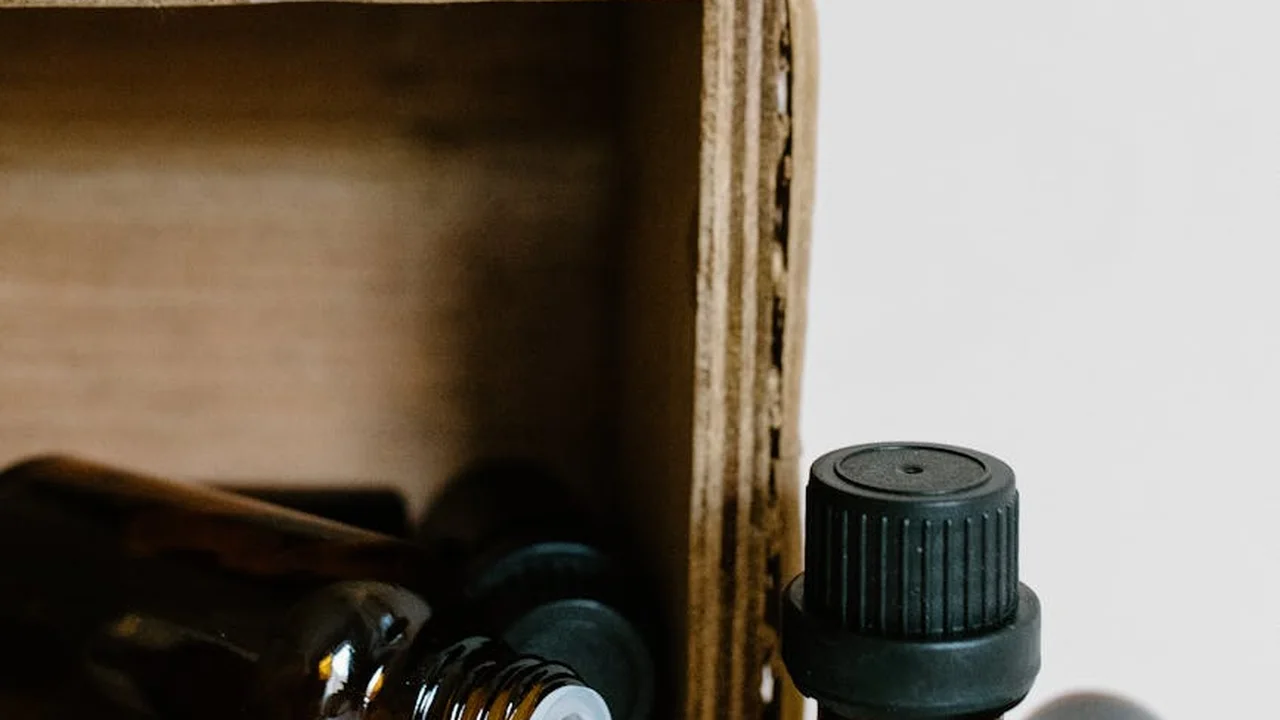
Having the right tools on hand turns neem oil from an idea into a simple routine. This is the kit I’ve built from years of trial and error in my own garden, similar to how I’ve learned to use castor oil packs properly.
Cold-Pressed Neem Oil
This is your main ingredient. Cold-pressed oil is raw and unrefined. It has a deep, earthy aroma and a viscous, almost syrupy texture. This processing method keeps the natural pest-fighting compounds fully intact, making it the most effective choice for your plants. I always buy mine in a dark amber bottle to shield it from light, and I keep it in a cool cupboard. The bottle on my shelf has a potent, nutty scent that means it’s ready for work.
A Garden Spray Bottle with a Fine Mist Nozzle
Do not use an old household cleaner bottle. You need a dedicated sprayer that creates a light, fog-like mist. A fine mist nozzle distributes the neem mixture evenly, coating the tops and undersides of leaves without drowning them. I have one labeled clearly for garden use. It feels balanced in my hand, which makes treating my rosemary and tomato plants much easier. Especially when using essential oils for pest control, a fine mist ensures effective coverage without over-saturating the plants.
Natural Liquid Castile Soap
Think of this as your mixing helper. Neem oil and water do not want to stay together. A small amount of castile soap binds them into a stable emulsion. Choose a pure, unscented formula to avoid any hidden ingredients that could harm sensitive plants or soil life. The one I use has a gentle, honey-like color and consistency. Just a teaspoon is usually enough for my standard batch.
Your Mixing Assistants
A little organization prevents mess and guesswork. I recommend keeping a dedicated set of measuring spoons and a small funnel right in your garden supply box. This keeps your kitchen tools separate and makes pouring the thick neem oil a clean, simple task. My own funnel has rescued many bottles from sticky rims.
Your Neem Oil Questions, Answered
How quickly will I see results after spraying?
Neem oil works by disrupting pest life cycles, so it’s not an instant knockout. You’ll typically notice a reduction in feeding and activity within a few days, with more significant control after 1-2 weekly applications. For best results, prepare neem oil solutions with proper mixing and dilution. Check our guide on mixing, diluting, and applying neem oil as a natural pesticide.
Can I use this spray on my indoor houseplants?
Absolutely, it’s excellent for indoor use. Ensure good ventilation while spraying and consider the lingering, earthy scent, which is a natural part of the oil’s pest-deterring power.
Will neem oil harm beneficial insects like ladybugs or earthworms?
When applied as a targeted spray to affected plants, it’s very selective. It primarily impacts pests that chew or suck on leaves and is considered safe for soil-dwelling beneficials and pollinators that avoid the treated foliage.
Is neem oil effective against every type of garden pest?
It’s a fantastic broad-spectrum tool for soft-bodied insects and mites but is a mild repellent for larger pests. For issues like Japanese beetles or heavy caterpillar infestations, you may need to combine it with other organic methods like hand-picking.
The smell is quite strong. Is that normal, and will it linger?
The potent, nutty-garlic aroma is completely normal for pure, cold-pressed oil and signifies its potency. The scent on plants dissipates outdoors in a few hours, though it may linger longer indoors.
Growing a Resilient Garden with Neem
Remember, neem oil works best as a gentle, consistent protector for your plants. Treat it like a weekly ritual, and you’ll cultivate a healthy garden that thrives without harsh chemicals. Typically, apply neem oil weekly—or every 7–14 days—(and after rain) to support pest control and disease prevention. When used consistently, it provides ongoing protection with minimal effort.
I love hearing how these botanical methods work in your own spaces. Trust your hands and your instincts, and I’ll keep sharing what I learn from my own herb shelf here for you.
Further Reading & Sources
- Neem Oil Fact Sheet
- Neem Oil and Crop Protection: From Now to the Future – PMC
- How to Use Neem Oil Spray as an Organic Insecticide
- Neem Oil Insecticides | Knockdown Control Sprays
- How to Dilute and Apply Neem Oil to Control Plant Pests and Some Types of Fungus
Noemi is an accomplished wellness researcher, nutrition care guide and body care expert. She has years of experience in formulating various oil combinations for full body wellness including face, hair, body care, essential oils and cooking oils. She works as a bio-formulator working with oil chemistry and analyzing the best formulations when it comes to your needs. Feel free to reach out to get your oil needs sorted.