
How Do You Make Perfume, Cologne, Reed Diffusers, Room Sprays, and Diffuser Jewelry with Essential and Fragrance Oils?
If you’ve ever wanted to create a scent that feels uniquely yours, you’re in the right place. I make these things all the time at home, and I can show you how simple it really is.
You’ll learn the core method I use for every project, which boils down to mixing a few key ingredients.
- Perfume
- Cologne
- Reed Diffusers
- Room Sprays
- Diffuser Jewelry
Key Takeaways Before You Begin
Making your own scented creations is wonderfully simple once you know a few ground rules.
- Diluting your concentrated oils is the single most important safety step for anything that touches your skin.
- Essential oils and fragrance oils come from different places and have different best uses.
- Letting your finished blend sit for a week or two, a process called maceration, will blend and deepen the scent beautifully.
- You cannot use just any base liquid for any project. The carrier must be matched to the purpose.
Your Scent Arsenal: Essential Oils vs. Fragrance Oils
Think of your oils as two different toolkits. Essential oils are steam-distilled or pressed from plants. I have little brown bottles of lavender and peppermint on my shelf that smell exactly like the fields and leaves they came from. Fragrance oils are crafted in a lab to mimic scents like “fresh linen” or “pumpkin pie.”
For a scent you want to wear or use for wellness, like in a rollerball for calm or a scalp serum, essential oils are my go-to. They offer complex, living aromas. Their shelf life is shorter, usually 1-3 years, and they can be pricey. Fragrance oils are champions for home scent. They are strong, consistent, and less expensive, making them ideal for reed diffusers or room sprays where you just want a lovely, lasting fragrance. Later, we’ll also touch on carrier oils, top brands, best scents, and aromatherapy to help you compare essential oils and fragrance oils.
Many people ask me how to do a DIY fragrance oil with essential oils. You don’t really “make” a fragrance oil. Instead, you blend different essential oils together to create a unique scent profile, just like a perfumer. Start with a small collection of versatile oils. A citrus (like sweet orange), an herb (like lavender), and a wood (like cedarwood) can be blended in countless ways for body and home.
Can You Use Fragrance Oils on Skin?
The rule here is firm. Only use a fragrance oil on your skin if the supplier’s information explicitly, clearly states it is safe for that purpose. Many are not, as they are designed for candles and soaps. In contrast, a pure essential oil can be used on skin, but it must always be diluted in a carrier oil like jojoba or almond oil.
I patch test every single new blend. I mix a tiny bit, dab it on my inner forearm, and wait 24 hours. It’s a simple habit that keeps my skin happy.
Choosing a Carrier: Oils, Alcohols, and Waters
The carrier is the unsung hero. It safely dilutes the powerful scent oils and carries the fragrance where it needs to go. Using the wrong one can ruin your project.
For perfume oils you roll on your wrists, a light, non-greasy carrier oil like fractionated coconut oil is perfect. It absorbs well and won’t stain. For a spray-on perfume, you need a high-proof alcohol like perfumer’s alcohol or vodka. It evaporates quickly, pushing the scent onto your skin without oiliness.
For a DIY fragrance oil spray for your room, you must use an alcohol or a specialized solvent like DPM, never plain water. Oils and water do not mix, and your spray will separate and could clog. For reed diffusers, a thin, light oil like sweet almond or a diffuser base liquid (often DPM or dipropylene glycol) is needed to travel up the reeds. If you want a simple room mist, you can use distilled water with a dispersant, but the scent will be lighter and won’t last as long on fabrics.
Crafting Scents for Your Body: Perfumes & Colognes
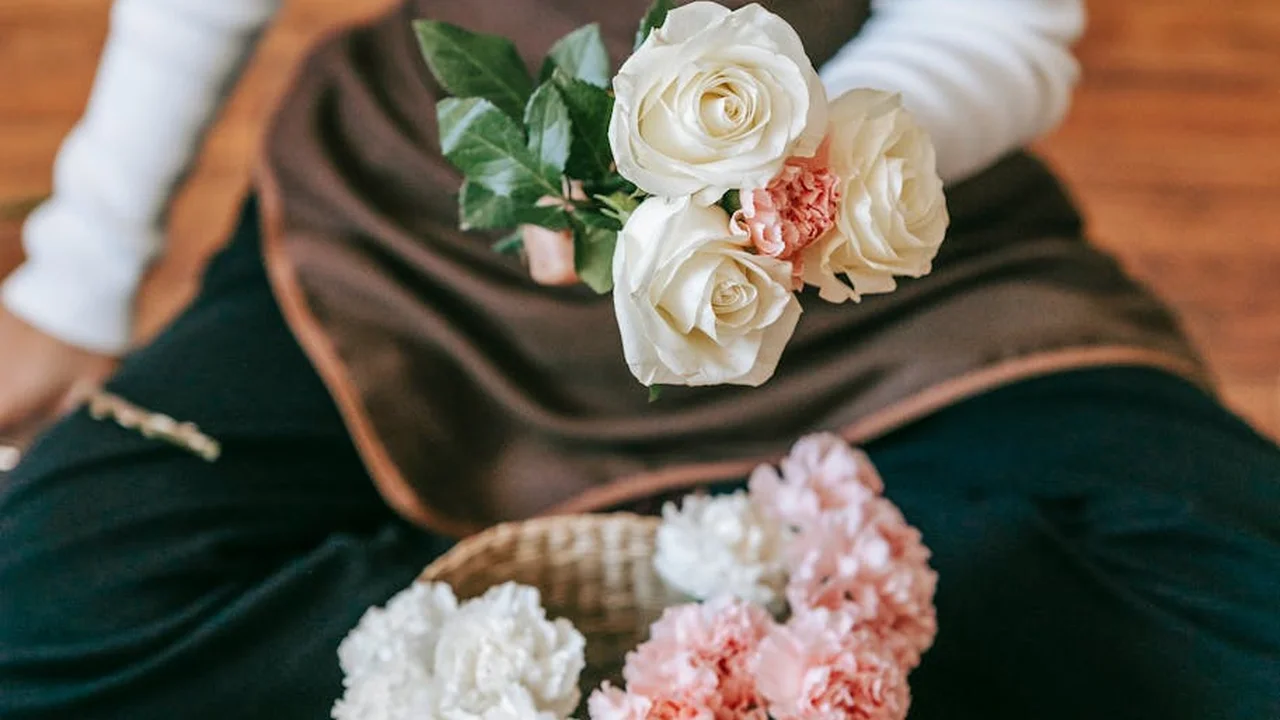
There is something uniquely personal about creating a scent that is only yours. I think of it as mixing a perfume oil that you truly *have*, one that becomes a part of your daily story.
The joy is in the process. You get to blend notes that speak to you, creating something no store shelf can offer.
Understanding Perfume Notes and Strength
Think of a scent like a musical chord. It has different layers that appear over time.
Top notes are the first impression, light and evaporating quickly. Grapefruit, lemon, and peppermint are classic top notes.
Middle notes, or the heart, appear as the top fades. They form the core personality. Lavender, geranium, and rosemary are great heart notes.
Base notes are the deep, lasting foundation. They anchor the entire scent. Vetiver, cedarwood, and frankincense are my go-to base oils.
Concentration defines the strength and lasting power of your creation, from a light cologne to a rich perfume.
- Perfume (or Parfum): 15-30% aromatic oils. This is the most potent and longest-lasting form.
- Eau de Parfum (EDP): 10-20% aromatic oils. A common strength for many designer fragrances.
- Eau de Toilette (EDT): 5-15% aromatic oils. Lighter and more refreshing.
- Cologne (Eau de Cologne): 2-5% aromatic oils. The lightest and most traditional for a brisk, citrusy splash.
If you ask me how to make perfume smell stronger, I look to two things. First, use a generous amount of anchoring base notes. Second, simply increase the total concentration of oils in your carrier, moving closer to a true perfume strength.
A Simple Roll-On Perfume Recipe
This is my favorite way to start. It’s simple, portable, and safe for skin with proper dilution.
You will need a clean 10ml glass roll-on bottle, a carrier oil like fractionated coconut or jojoba, and your chosen essential oils.
Follow this basic formula: for a gentle Eau de Toilette strength, use about 12-15 total drops of essential oil per 10ml of carrier oil.
- Fill your 10ml bottle almost to the top with your carrier oil, leaving a little space for the essential oils.
- Add your essential oils. A balanced blend could be 5 drops top note (sweet orange), 7 drops heart note (lavender), and 3 drops base note (cedarwood).
- Cap the bottle tightly and roll it vigorously between your palms for a minute to mix everything well.
- Let it rest, or “meld,” in a cool, dark place for 48 hours. This waiting period allows the scents to fully marry and soften.
A quick note: you can use skin-safe fragrance oils here too. I keep a few for scents that are hard to replicate with naturals, like a true vanilla or fresh linen.
Making an Alcohol-Based Cologne or Spray
For a mist that feels light and evaporates quickly on the skin, an alcohol base is the classic choice.
High-proof vodka (at least 80 proof) or perfumer’s alcohol works because it carries the scent, then vanishes, leaving just the aroma on your skin.
The basic ratio is straightforward: for a classic cologne, use about 20-30 drops of essential oil per ounce (30ml) of alcohol.
Combine your oils and alcohol in a small glass bottle. Shake it well.
Now, the most critical step. Your blend needs time to mature, a process called maceration. Store it in a dark place for 2 to 4 weeks, giving it a gentle shake every few days.
This waiting period smooths out any harsh edges and allows the scent to become round and full. The difference between a spray used the next day and one aged for a month is remarkable.
Creating Ambiance: Reed Diffusers and Room Sprays
Can you make your own reed diffuser oil? I absolutely can, and so can you.
This is a wonderfully cost effective way to scent your home with custom aromas you love.
The Secret to a Successful Reed Diffuser Blend
Pure essential or fragrance oil is too thick to travel up a reed by itself.
You need a thinning agent, called a diluent, to help it climb.
On my own shelf, I keep a bottle of DPM (Dipropylene Glycol Methyl Ether) for this, as it’s a common professional choice.
For a more natural approach, a light carrier oil like fractionated coconut or safflower oil works, though the scent throw may be softer.
A basic, safe formula is easy to remember and adjust.
Try this ratio in a small glass bottle:
- 1 part essential or fragrance oil
- 9 parts DPM or light carrier oil
Shake it gently to combine.
Pour your blend into your diffuser vase, add the reeds, and let them soak for an hour.
Flip the reeds every few days to refresh the scent. This is your complete guide to a diy fragrance oil diffuser.
Always place your diffuser on a stable surface, out of reach of curious pets and children.
Quick & Refreshing DIY Room Spray
Unlike a steady reed diffuser, a room spray is for a quick, temporary refresh.
It is perfect for a bathroom, a musty closet, or to freshen linens.
The key is getting the oil to mix with water, which requires a solubilizer.
Polysorbate 20 is my go to for this job.
This simple recipe comes together in minutes.
- In a 2 oz glass spray bottle, combine 1 teaspoon of polysorbate 20 with 30 drops of your chosen essential or fragrance oil blend.
- Swirl gently until fully mixed.
- Fill the rest of the bottle with distilled water, leaving a little space at the top.
- Cap and shake well before each use.
The spray will be lightly cloudy, which is normal.
A critical safety note: if you have cats, avoid citrus, pine, and eucalyptus oils in your airborne sprays.
This is a vital part of any plan for diy fragrance oils if you have cats. Essential oils can be very irritating to them, so care should be taken when using them around pets.
Love this scent blend? You can often use the same oil mixture for other projects.
A strong, fresh room spray recipe is a perfect starting point for diy fragrance oil for shower steamers, too.
Wearable Aromatherapy: Making Diffuser Jewelry

Diffuser jewelry turns personal scent into a quiet accessory. These are necklaces, bracelets, or earrings with a small compartment that holds a porous clay pad or a rough lava stone.
I wear my terra cotta pendant nearly every day. The porous material slowly releases the aroma you choose, creating a gentle, personal scent bubble as you move. This is aromatherapy you can take anywhere, offering a subtle whisper of calm or energy without filling a whole room.
How to Use and Care for Your Scent Jewelry
Caring for your scent jewelry keeps it working beautifully for years. The process is simple and quick.
- Add only 1 or 2 drops of your chosen oil directly onto the pad or stone. Any more can leak and stain your clothes.
- Let the oil absorb for a full minute. You will see the stone or pad darken as it drinks in the scent.
- Close the jewelry and wear it. Your body warmth helps diffuse the aroma gently throughout the day.
I recommend lighter, uplifting oils for daily wear. Citrus oils like sweet orange or floral scents like lavender are ideal because they evaporate cleanly. Heavier oils like vanilla or myrrh can leave a sticky residue that is hard to clean from the porous surface.
To refresh the scent, simply add another drop when the aroma fades. For a deep clean, I gently swipe the pad with a cotton ball dampened with rubbing alcohol, then let the piece air dry completely before using it again.
This is a wonderful way to use the smaller bottles in your oil collection. That half-full vial of peppermint or lemongrass on your shelf is perfect for a quick, portable refresh.
Common Mistakes and How to Avoid Them
I have made my share of messy, weak, or just plain odd-smelling creations over the years. Learning from these slip-ups is part of the fun. Here are the most common pitfalls I see, and my straightforward advice for steering clear of them.
Mistake 1: Trying to Mix Oil and Water
This is the big one. Oil and water famously do not mix. If you try to make a room spray by shaking essential oils into plain water, they will separate in minutes. You’ll get a burst of scent followed by a spritz of water.
My fix is to always use a solubilizer, like perfumer’s alcohol or polysorbate 20, to bind the oil and water together into a stable mist. For a simpler project, skip the water entirely and make an oil-based perfume or reed diffuser blend instead.
On That Note: The Oil Burner Question
I often see people ask how to use DIY fragrance oil in a burner. Those little ceramic dishes with a tea light underneath are designed for water. You add water and a few drops of essential oil. Water alone doesn’t carry essential oils evenly; diluting essential oils with water helps diffusion. Diluting the oil (or using a carrier) prevents residue and a greasy mess. Pouring a premixed oily blend into one creates a greasy, sooty mess. Save your oil blends for reed diffusers or perfume rollers, and use only water and essential oils in those heated burners.
Mistake 2: Rushing the Process (Skipping Maceration)
You mix your oils, take a sniff, and think… is that it? Fresh blends often smell sharp or one-dimensional. They need time to get to know each other.
Maceration is just a fancy word for letting your blend rest in a dark place. Over days or weeks, the molecules marry and soften. That harsh top note mellows, and the deeper base notes emerge. I never judge a blend until it has rested for at least 48 hours, and I prefer a full two weeks for perfumes. Patience is your most important ingredient.
Mistake 3: Overstuffing Your Reed Diffuser
It seems logical: more reeds equal more scent. In reality, cramming ten reeds into a small bottle floods the air too quickly and can cause headaches. It also makes your precious oil blend evaporate in days.
Start with just 4-6 reeds. You can always flip them more often for a stronger scent burst. If the fragrance is too weak, the issue is usually your blend’s strength, not the number of reeds. Try a higher concentration of fragrance oils next time.
Mistake 4: Using Any Oil on Your Skin
This is a critical safety point. The oils you use for home fragrance are often not safe for skin. “Fragrance oils” or “perfume oils” for diffusers may contain synthetic components that can cause rashes or sensitization.
For anything touching your skin—perfume, cologne, body oil—stick to skin-safe fragrance oils from reputable suppliers or pure, properly diluted essential oils. I keep my home-blending oils and my body-blending oils on completely separate shelves to avoid mix-ups, especially when using carrier oils for sensitive skin.
A Crucial Sidebar on Candles
This same principle applies to candle-making, a topic that comes up often. You cannot use just any oil in a candle; it must be a fragrance oil specifically tested and rated for high-heat stability in wax. Using the wrong oil can prevent your candle from burning properly, create excessive soot, or even be a fire hazard. Always check the supplier’s specifications.
Mistake 5: The Mystery Jar (Not Labeling)
That beautiful amber bottle on your shelf? In three months, you will have zero memory of what’s in it. Trust me, I have a small collection of “mystery mists” from my early days.
Label everything immediately with the date and what’s inside. I use simple masking tape and a pen. This is vital for safety, for replicating blends you love, and for knowing when a blend might be past its prime. Your future self will thank you.
Your DIY Scent Project Checklist
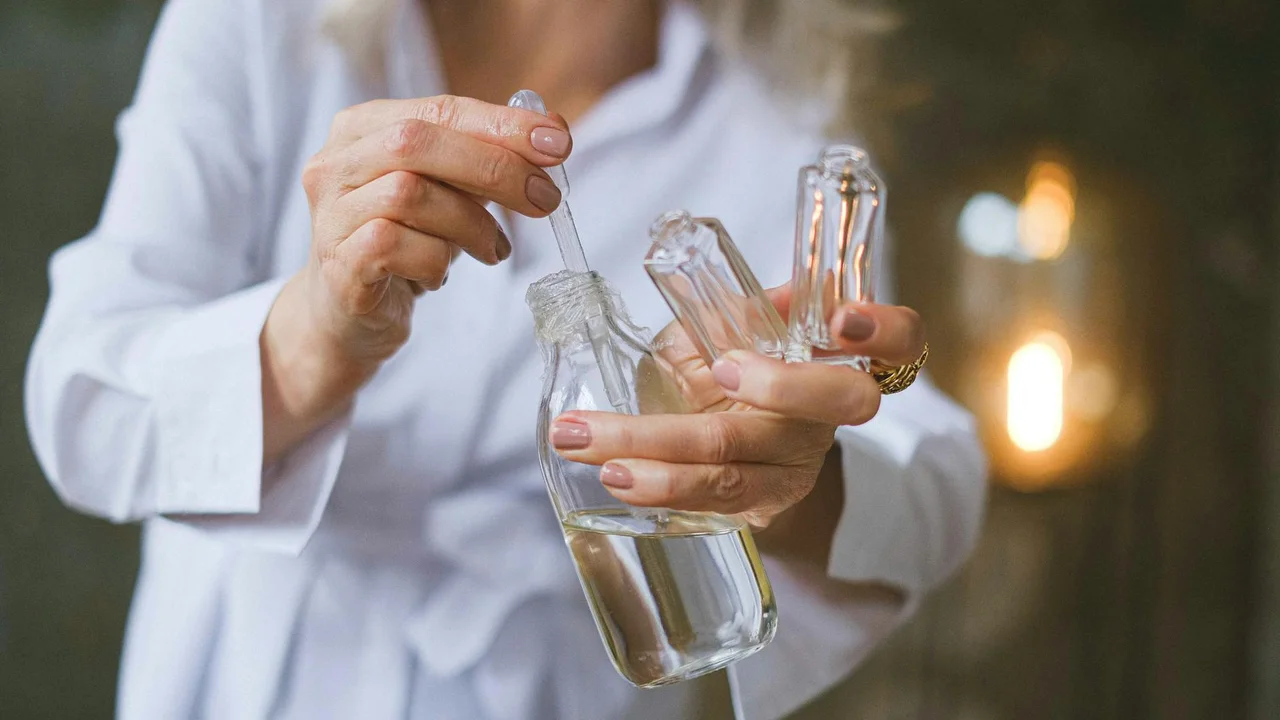
Before you start mixing, gather your thoughts here. This list works for any project you choose.
I keep a printed version of this on my apothecary shelf, smudged with oil drops and notes. It helps me stay organized and safe.
1. Decide Your Project
What do you want to make? Your goal changes everything else.
Think about where you want to enjoy the scent. Is it for your skin, your hair, or the air in your home? A perfume for your wrist needs a different plan than a spray for your sofa.
Choosing a project first keeps you focused and helps you pick the right ingredients.
2. Choose Skin-Safe or Home-Use Oils
This is the most important safety step. Not all oils are for skin.
For anything touching your body (perfume, cologne, jewelry), you must use skin-safe essential oils and proper dilution. For room sprays and reed diffusers, you can use a wider range, including fragrance oils designed for home use.
I only use pure essential oils from trusted sources for my skin. For home scents, I sometimes blend them with fragrance oils for a longer-lasting aroma. When using essential oils on skin, it’s important to dilute them with carrier oils to avoid irritation.
Always check the safety guidelines for each oil before you use it on your skin.
3. Select the Correct Carrier or Base
Oils and water don’t mix. You need the right base to hold your scent.
For perfumes, cologne, and jewelry: Use a neutral carrier oil like jojoba or fractionated coconut oil. They don’t go rancid quickly and have no smell.
For room sprays: Use distilled water with a dispersant like perfumer’s alcohol or witch hazel. This stops the oils from separating and clogging your sprayer.
For reed diffusers: Use a thin, unscented carrier oil or a special diffuser base liquid. This allows the scent to travel up the reeds properly, especially when using essential oils in diffuser reeds.
Your carrier is just as important as your scent oils. It makes your creation work.
4. Gather Clean Bottles and Tools
Cleanliness is key. Any residue can spoil your blend.
Use glass bottles with tight seals. Amber or cobalt glass protects oils from light. Have a separate set of glass pipettes or droppers for different oil families.
I wash my bottles and tools with hot, soapy water and let them air dry completely before using them. It’s a simple habit that makes a big difference.
5. Measure and Mix Carefully
Start small. Write everything down.
Use a notebook. Note every drop. For skin applications, follow safe dilution rates: usually 1-2% for daily use perfumes. That’s about 6-12 drops of essential oil per ounce of carrier. These ratios also apply to hair care and skin blends. See how to mix essential oils with carrier oils safely.
Add your oils to the carrier base, not the other way around. Swirl the bottle gently to mix. Don’t shake it vigorously, as this can introduce air bubbles.
Precise measurement is the secret to a successful, safe blend you can make again.
6. Label with Date and Ingredients
You will forget what you made. I promise.
As soon as you finish mixing, write it down. A simple label with the project name, date, and every ingredient is vital.
I use masking tape and a permanent marker. Seeing “Summer Citrus Room Spray – May 5th – sweet orange, lemon, cedarwood” saves so much guesswork later.
7. Let It Rest If Needed
Some blends need a quiet moment. This is called “maturing.”
Perfumes and colognes often smell better after sitting for a week or two. The notes blend and soften. Room sprays are usually ready right away.
If your first sniff seems sharp or unbalanced, cap it and put it in a cool, dark place. Check it again in a few days. The change can be beautiful.
8. Patch Test Skin Products
Never skip this. Your skin is unique.
Before wearing a new perfume or cologne, do a patch test. Apply a small dot to the inside of your elbow or wrist. Wait 24 hours.
Look for any redness, itchiness, or irritation. This simple test tells you if the blend agrees with your skin. It’s the final, caring step before you enjoy your creation.
A patch test is the responsible, final step for any scent you make for your body.
Now you’re ready. Making your own scents is a simple joy. It connects you to the plants and puts you in control of what touches your skin and fills your home.
Your Questions, Answered
Can I make my own fragrance oils for candles?
While you can’t truly recreate commercial candle fragrance oils at home, you can create beautiful, natural wax melts by blending essential oils that are safe for low heat. Always test a small batch first, as some essential oils can affect how wax burns or holds scent. Some readers wonder if diffuser oils can be used in candles. That topic—differences in formulation and heat stability—will be explored in a related guide.
How do I make a DIY fragrance oil blend safe to use around my cat?
For cat safety, avoid diffusing or spraying citrus, pine, tea tree, eucalyptus, and mint oils, as they can be irritants. Always provide your cat with an escape route from scented areas and consult your veterinarian for personalized advice.
What’s the difference between a DIY fragrance oil and an essential oil blend?
An “essential oil blend” is the accurate term for mixing pure plant extracts, while “fragrance oil” typically refers to synthetic scents. Your unique blend of essential oils is a natural, aromatic recipe crafted by you, not a manufactured fragrance oil.
Is a DIY fragrance oil burner safe to use?
Traditional ceramic burners with a tea light are designed for water and a few drops of essential oil. Never pour a premixed oil blend into the bowl, as it can create a fire hazard; use only water and essential oils in these devices.
Can I use the same oil blend for shower steamers and a room spray?
Absolutely! A fresh, uplifting blend you love in a room spray is a perfect candidate for shower steamers. Just ensure you’re using skin-safe essential oils and proper citric acid/baking soda ratios for the steamer recipe to fizz correctly.
Caring for Your Scented Sanctuary
Everything you make starts with the quality of your oils. Working with pure, authentic ingredients is the single most reliable way to ensure your creations are both beautifully fragrant and a joy to use.
I hope you feel inspired to blend a small bottle of something wonderful this week. For more guidance, the stories and recipes here on Botanical Oils are a great place to continue your journey.
Expert Resources and Citations
- r/candlemaking on Reddit: Making your own fragrance oils
- DIY fragrance oil | Soapmaking Forum – Soap & Candle Forums
- How to Make Fragrance Oil: Step-by-Step DIY Guide – HIQILI Official Store
- Candle Fragrance Oils | DIY Scented Oils for Candles | Bramble Berry
Noemi Kamińska
Noemi is an accomplished wellness researcher, nutrition care guide and body care expert. She has years of experience in formulating various oil combinations for full body wellness including face, hair, body care, essential oils and cooking oils. She works as a bio-formulator working with oil chemistry and analyzing the best formulations when it comes to your needs. Feel free to reach out to get your oil needs sorted.