
How Do You Remove Vegetable Oil and Diesel Oil Stains from Clothing, Upholstery, and Concrete?
I’ve wiped up plenty of oil spills from my kitchen counter and workbench over the years. That greasy mark doesn’t mean the end for your favorite jeans or your driveway-I can show you how to make it disappear.
You can handle these messy stains by using simple absorbers and cleaners tailored to each material.
- My step-by-step process for clothing stains
- Gentle ways to clean upholstery fabrics
- Powerful methods for concrete surfaces
- Why vegetable oil and diesel need different tactics
Understanding Your Oily Opponent: Vegetable Oil vs. Diesel
To win a fight, you need to know what you’re up against. These two stains may look similar at first, but they come from very different worlds in my apothecary.
A vegetable oil stain is a plant-based fat. It feels greasy and will coat fabric fibers or concrete pores, setting in as it cools.
Diesel oil is a refined petroleum product, which means it’s much thinner and more penetrating than cooking oil. Its chemical nature lets it seep deep quickly, and it brings a persistent, sharp odor that becomes part of the stain itself.
For both, the first five minutes are your golden window. Heat and time work against you, bonding the oil to the material. Your first move is always the same: blot, never rub. Rubbing grinds the oil deeper and can damage the weave of your fabric.
The Kitchen Splatter: Vegetable Oil Stains
This is the stain I see most often, usually on the apron hanging by my stove or on the chair cushions in the breakfast nook. It’s a familiar nuisance in any home.
If you miss it, that clear grease spot won’t stay invisible. Vegetable oil oxidizes over time, turning into a yellowish patch that shouts “stain” and becomes much harder to lift.
The Garage Drip: Diesel Oil Stains
Diesel doesn’t just sit on the surface. On concrete, it acts like a dye, soaking deep into the porous surface. On fabric, it can actually break down fibers if left too long, weakening the material.
Cleaning a diesel stain isn’t done until the smell is gone. That chemical odor lingers in the oil residue, so your goal is to fully absorb or break down the oil itself.
Rescuing Your Fabrics: How to Get Oil Out of Clothes and Upholstery
Take a deep breath. The process below works for both vegetable oil and diesel stains on any washable fabric. The principles of lifting oil are universal and can be applied when removing cooking oil stains as well.
Always check the care label on upholstery or delicate clothing first; sometimes a professional clean is the safest choice. For everything else, let’s get to work.
The Immediate Response: What to Do in the First Minute
Stay calm and move quickly. First, use a dull butter knife or spoon to gently scrape off any big globs of excess oil. You’re removing what you can before it spreads.
Next, grab a stack of plain paper towels or a clean, absorbent cloth. Place it under the stain if you can. Gently press and blot from the outer edges of the stain toward the center. This pulls oil out instead of pushing it further in, which is especially useful when dealing with coconut oil stains.
This is critical: do not use heat yet. Hot water or a dryer will “cook” the oil into the fibers, making the stain permanent. We treat it cold first, especially when dealing with
body and massage oil stains.
The Core Cleaning Ritual: Dish Soap and Friends
Your best tool is likely already at your sink: plain liquid dish soap. It’s designed to cut through grease. Apply a small dab directly onto the stain.
Gently work it into the fibers with your fingers or a soft toothbrush. Let it sit for at least 15 minutes, or even overnight for an old stain. The soap needs time to break the oil’s bond.
For a stain that’s already set, make a simple paste. I keep a jar of baking soda mixed with a little water for this. Cornstarch works too. Smear a thick layer over the stained area and let it sit for an hour. It will draw the oil up and out. This method is especially useful for removing oil stains from shoes and fabric.
People often ask me, “how do I get oil out of jeans?” Denim is a champion here. Its tough, thick cotton can handle a bit more gentle scrubbing with your dish soap and brush, so don’t be afraid to be a little more thorough.
The Final Wash and Dry Check
Now, wash the item. Use the hottest water temperature the fabric’s care label allows, as heat helps dissolve the oil once it’s been broken up. Wash it alone the first time, or with other similarly stained items. Be particularly careful when dealing with plant or pepper oils, as they can be more stubborn and irritating.
Here is my non-negotiable rule. When the wash cycle finishes, take the item out and inspect the stain area while it’s still wet. If you see even a faint shadow, treat it again. Do not put it in the dryer.
Heat from the dryer will set any remaining oil for good, so you must air dry the item completely until you are 100% sure the stain is gone. Patience here saves your favorite shirt.
Healing Hard Surfaces: Oil Stain Removal from Concrete and Brick
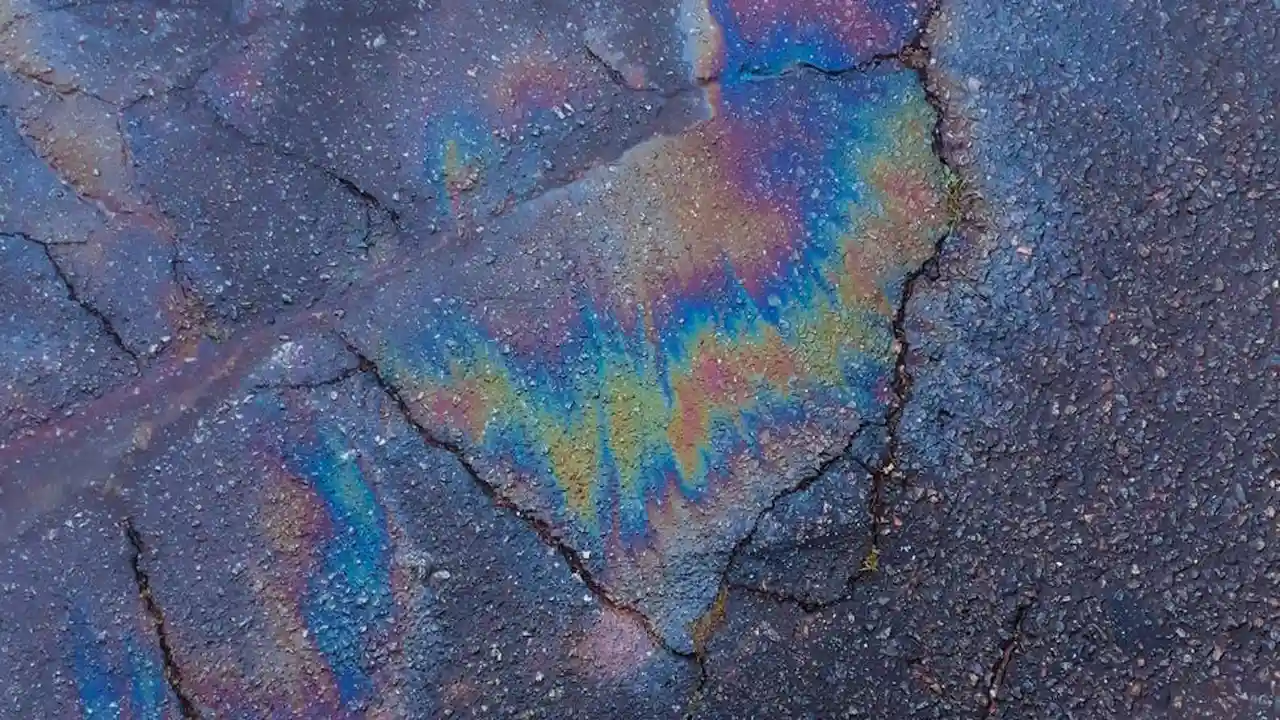
Getting oil out of a hard surface is a different kind of care. You are not washing it away so much as coaxing it out.
Think of it like using a clay mask for your skin, which pulls impurities from your pores. For concrete and brick, you need an absorbent material to pull the oil up and out. Patience here is your most valuable tool.
For Fresh Stains on Driveways and Patios
Speed matters with a new stain. Your goal is to soak up as much liquid oil as possible before it sinks deep into the porous surface.
I keep a bag of cheap, non-clumping cat litter in my garage just for this. Plain clay litter, baking soda, or cornstarch all work on the same principle.
Here is exactly what to do.
- Cover the entire stain with a thick, generous layer of your absorbent powder. Do not be shy.
- Use your foot to gently crush and grind the powder into the stain. This helps it make better contact and start absorbing.
- Let it sit. I often leave it overnight, especially for a darker patch. The powder will slowly turn darker as it pulls the oil up.
- Sweep away the used powder. You will likely see a significant improvement.
For a light stain, this one treatment might be all you need to restore the surface.
For Older, Set-In Stains
An old, dark stain has settled in. Now you need a method that can break it up and lift it. This is where a simple paste works wonders.
Mix baking soda with just enough water to make a spreadable paste, like the consistency of thick peanut butter. Baking soda is mildly abrasive and helps deodorize.
Slather this paste over the stain. Let it dry completely; this can take a few hours. As it dries, it continues to draw oil out. Once dry, scrub the area with a stiff-bristle brush, then rinse thoroughly with a hose.
For a tougher job, I reach for a citrus-based degreaser. The natural d-limonene in orange oil is a powerful solvent. Spray it on, let it dwell for 10-15 minutes to break the oil bonds, then scrub and rinse.
You may need to repeat this process two or three times for a very old stain, but you should see it lighten with each application.
If you are working on brick pavers or historic walkways, use a gentler touch. Scrub the brick surface itself, but avoid aggressive scrubbing on the mortar lines between bricks. You want to remove the oil stain without damaging the mortar that holds everything together. The same careful approach can be used on concrete driveways, patios, and garage floors when removing cooking oil stains.
When to Consider a Professional Service
Most oil stains on concrete can be handled at home. Sometimes, though, calling a professional is the wisest choice. That includes how to remove oil stains from concrete driveways and garage floors. If a stain remains stubborn, professional help might be the best option.
Think about seeking an oil stain removal service for a few specific situations. If the stained area is very large, a pro has industrial-strength equipment. If you have decorative, stamped, or historical concrete, the risk of damage from a wrong product is too high.
If you have tried the methods above a couple of times with no real change, a professional assessment can save you time and frustration.
They have access to commercial-grade bioremediating cleaners and hot water extraction systems that can tackle what home remedies cannot.
Your Natural Cleaning Allies: Household Ingredients That Work
You probably already own the best tools for this messy job. I keep a dedicated cleaning caddy in my laundry room with these items, because they are gentle on surfaces but tough on grease.
These common kitchen staples are powerful, safe, and effective for lifting oil from almost any surface.
The Power of Powders: Baking Soda and Cornstarch
Think of these powders like tiny sponges. They pull oil up and out of fibers and pores.
Cornstarch is my first reach for clothing or upholstery. It has a super fine, silky texture that clings to fabric without being abrasive.
For a fresh stain on a cotton shirt, a thick blanket of cornstarch left overnight will often pull the oil up completely.
Baking soda has more grit. I love it for concrete or tougher fabrics like denim. Its gentle abrasion helps scrub the surface clean.
For a greasy driveway spot, I make a simple paste.
Mix a quarter cup of baking soda with just enough water to form a thick, spreadable paste. Slather it over the stain like peanut butter on toast. Let it sit until it’s fully dry and powdery. This can take a few hours. Sweep it up, and you’ll see much of the oil lifted away with it. This is especially effective when used for cooking oil stains in carpets.
Liquid Heroes: Dish Soap and White Vinegar
Dish soap is designed for one thing: cutting grease. It works through emulsification.
This means it breaks the oil into tiny droplets, suspending them in water so they can be rinsed away.
Use the plain, classic kind. Apply it directly to the stain, rub it in gently, and let it sit for ten minutes before washing or rinsing.
White vinegar is the perfect follow-up. After you’ve treated a stain, rinsing with a diluted vinegar solution cuts any leftover greasy film.
It also neutralizes the pungent chemical smell of diesel fuel. Mix one part white vinegar with two parts water in a spray bottle for a versatile rinse.
A Botanical Boost: Essential Oils as Degreasers
This is where my apothecary shelf comes in handy. Citrus essential oils are natural solvents.
Oils like lemon, wild orange, and grapefruit contain compounds called limonene that help dissolve grease. They leave a fresh, clean scent behind, too.
Adding a few drops of lemon essential oil to your baking soda paste or dish soap gives it an extra cleaning punch and a wonderful aroma.
My favorite trick is adding five drops of grapefruit oil to my vinegar rinse spray. It makes the whole process feel more like herbalism and less like a chore.
The Quick-Reference Stain Rescue Checklist
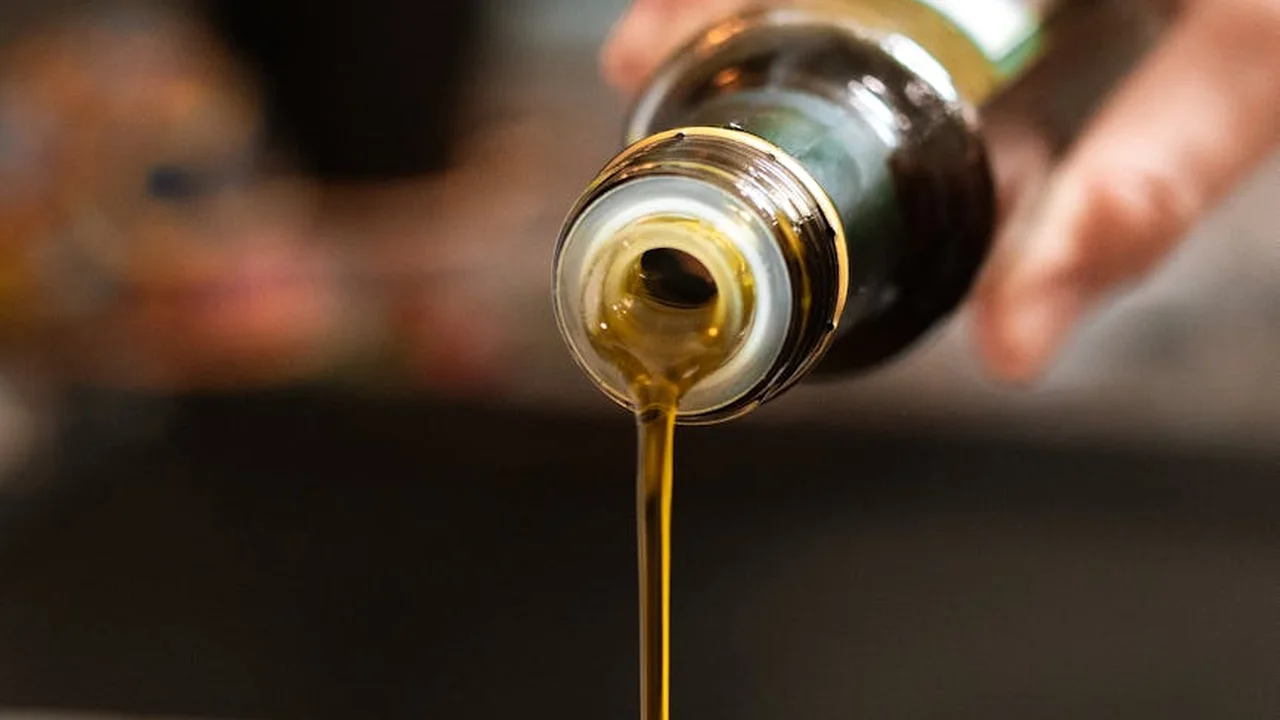
Before you grab any fancy products, start here. These steps form the backbone of tackling any greasy spill.
- Act fast. Fresh stains are always easier to manage.
- Protect yourself. Wear gloves, especially with diesel.
- Work from the outside of the stain inward to prevent spreading.
- Always test your cleaning method on a small, hidden area first.
- Patience is your most powerful tool. Let your treatments sit.
For Clothing & Upholstery
Fabric stains can feel urgent. Take a breath. I keep a dedicated bottle of plain blue dish soap in my laundry room for this exact moment.
The goal is to lift the oil out before heat sets it in permanently. Rubbing grinds it deeper. Blotting gently coaxes it to the surface.
- Scrape excess. Use a dull knife or spoon to gently lift off any globs of vegetable oil or pooled diesel.
- Blot, don’t rub. Layer clean paper towels or cloths under and over the stain. Press down firmly to absorb as much as you can. Change the towels as they become saturated.
- Apply dish soap. This is the magic step. Dish soap is designed to cut through grease. Apply a generous dab directly onto the stain and gently work it in with your fingers or a soft brush.
- Let sit. Walk away for at least 30 minutes. For an old or dark stain, I let it sit overnight. This gives the surfactants time to break the bond between the oil and the fabric fibers.
- Wash in hot water. Use the hottest water the fabric care label allows. The heat helps melt the oil, allowing the soap to carry it away in the wash water.
- Air dry & check. Do not put the item in the dryer until you are sure the stain is gone. Heat will set any residual oil. Check it in natural light. If a shadow remains, repeat the process before washing again.
For Concrete & Brick
Porous surfaces need a different approach. Here, we absorb first, then lift. I keep a bag of cheap clay cat litter in my garage just for driveway spills.
Absorbent powders like cat litter or baking soda pull the oil up and out of the concrete’s tiny pores. It’s a slow but effective pull.
- Cover stain with absorbent powder. Pour a thick layer of clay-based cat litter, baking soda, or cornstarch over the entire stain, extending past its edges.
- Crush it in. Use your foot to grind the powder into the stain. You want to create a gritty paste that makes good contact with the oil.
- Wait 24 hours. This is the hardest part. Let the powder do its work, pulling the oil up from below.
- Sweep up. Brush away all the dried, stained powder. You’ll likely see a significant improvement already.
- Scrub with soapy water or paste. For a lingering shadow, make a thick paste with more baking soda or a powdered oxygen cleaner and a little water. Scrub it in with a stiff brush. The gentle abrasion helps lift the last bits from the surface.
- Rinse. Use a hose or bucket of water to rinse the area completely. Repeat the powder and scrub steps if needed for tough diesel stains.
Special Surfaces and Stubborn Situations
Some oil stains test your resolve more than others. You might face a surface that seems too delicate or a stain that’s especially dark and ingrained. Don’t worry. The right gentle approach works wonders.
What About Powder Coated Metal?
Powder coating gives metal a beautiful, durable finish, but it can be delicate. Think of it like a hard shell that you don’t want to scratch or dull. Aggressive scrubbing is the real enemy here.
My first move is always the gentlest one. I mix a few drops of a clear, mild dish soap into a bowl of warm water. Using a soft microfiber cloth, I dab and lightly wipe the stained area. This mild solution lifts fresh oil without damaging the coated surface. Rinse the cloth often to avoid smearing. These steps also apply to wood surfaces—tables, floors, and furniture—when removing oil stains from wood. The next steps offer a wood-specific approach.
For a slightly more tenacious spot, I make a thin paste with baking soda and water. I gently apply it with my fingertips, let it sit for ten minutes to absorb the oil, then rinse it away with a soft, wet cloth. The key is patience, not pressure.
Tackling Bike Oil and Black Oil Stains
Bike chain grease and dark mechanic’s oil are a different beast. They’re thick, loaded with carbon, and love to sink deep into fabric fibers. This is where a two-step attack shines.
Before you even reach for the dish soap, try this trick from my own laundry shelf. Mix one part white vinegar with two parts cool water in a bowl or sink. Soak the stained part of the garment for 30 minutes. The vinegar helps break the bond of that dark, greasy grime, making the next step far more effective.
After the soak, apply liquid dish soap directly to the stain. Work it in with your fingers or a soft brush, then wash the garment as hot as the fabric allows. Check the stain before drying. If a shadow remains, repeat the process. That dark stain often needs a second chance to fully let go.
Keeping Things Clean: Simple Habits to Prevent Oil Stains
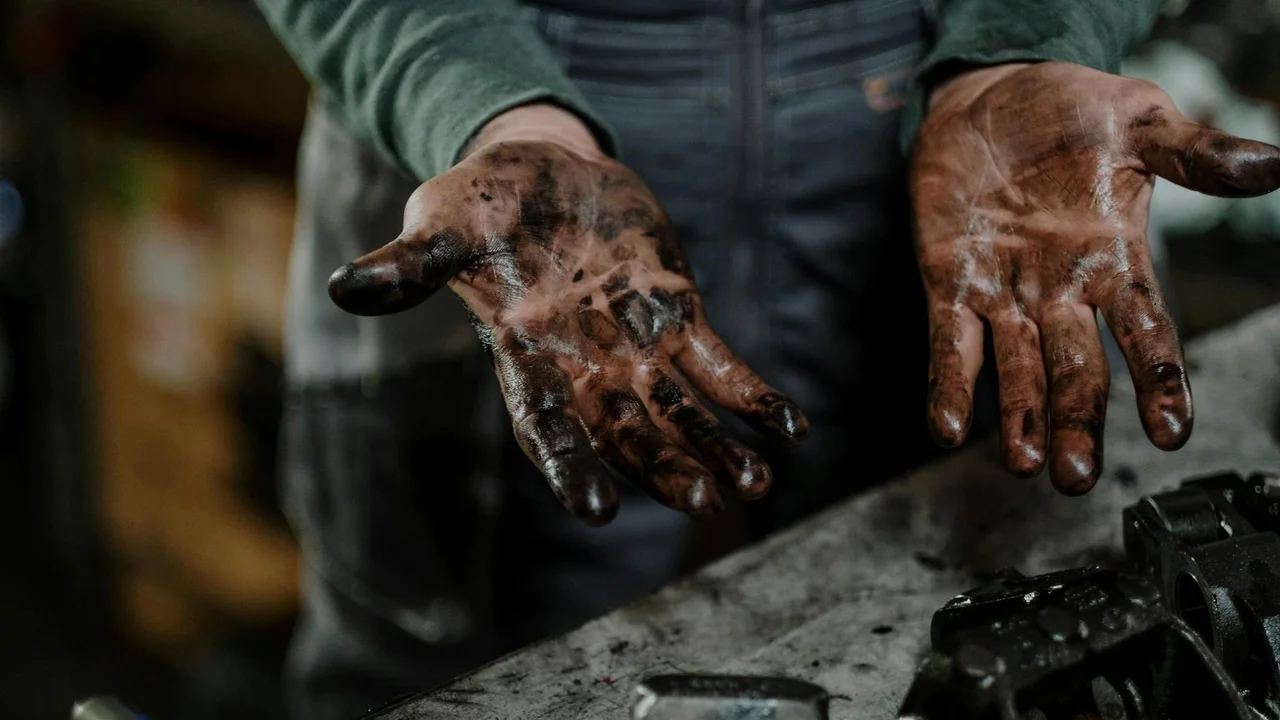
The best way to handle an oil stain is to stop it before it sets. I keep a few simple habits that make cleanup feel like part of my home care routine, not a frantic chore. It’s especially important when dealing with cooking oil stains on various surfaces.
In the Kitchen and Laundry
My favorite kitchen apron is stained with dozens of little oil splatters. That’s its job. Wearing an apron is the simplest shield for your clothes when working with any kind of oil.
When I spill vegetable oil on the stovetop or counter, I wipe it immediately with a dedicated cloth. Letting it sit makes it gummy and harder to lift later.
For clothes, think like an herbalist making a preventative tonic. I pre-treat the cuffs and fronts of my partner’s work shirts before every wash, as these areas attract grease first. A simple paste of baking soda and a drop of dish soap works wonders.
In the Garage and Driveway
In my garage, a shallow drip pan lives under any vehicle I’m working on. It’s a small step that saves huge headaches on the concrete floor.
For fresh diesel or motor oil spills, speed is everything. I keep a bag of plain clay-based kitty litter or sawdust in the garage specifically for absorbing liquid spills right away. Sprinkle it on, let it clump, and sweep it up.
Think of a concrete sealer like a protective barrier oil for your skin. Applying a quality penetrating sealer to a driveway gives the porous concrete a fighting chance against oil soaking in. It won’t make it stain-proof, but it gives you crucial time to clean.
Your Oil Stain Questions, Answered
Can I use the same method for oil stains on brick pavers as on concrete?
Yes, the absorption method with clay litter or baking soda works beautifully. Just use a gentler scrubbing touch on the brick faces to protect any historic mortar between them.
Is baking soda effective on old, set-in oil stains?
Absolutely. Made into a thick paste and left to dry completely, baking soda will draw out aged oil through its powerful absorbent and mild abrasive action.
What’s the safest way to clean an oil stain from powder-coated metal?
Start with a warm, soapy water dab with a soft cloth. For a stubborn spot, a gentle baking soda paste rinse is your best botanical-friendly bet to avoid scratches.
When should I call a professional oil stain removal service?
Consider a pro for very large areas, delicate historic surfaces, or if a few diligent DIY attempts show no progress. Their industrial-grade solutions can save your time and the material.
Why are citrus oils recommended for diesel stains?
The natural d-limonene in citrus essential oils is a powerful solvent that breaks down petroleum bonds. It tackles the grease and leaves a fresh, clean scent behind, unlike harsh chemicals.
Nurturing Your Home Through Stain Care
Your most powerful tool is speed, reaching for a simple absorbent like baking soda the moment a spill occurs. I keep a jar on my laundry shelf, and this quick step makes all the difference for saving fabrics and floors.
You can find more gentle, effective methods for your home, body, and hair care routines right here on the blog. Trust your growing knowledge and your own hands as you craft a naturally caring home.
Industry References
- r/laundry on Reddit: What is everyone’s favorite way of removing tough oil stains (cooking oils)?
- I Tried 4 Methods for Removing Oil Stains on Clothes | Apartment Therapy
- r/CleaningTips on Reddit: How do I get oil stains out of clothes?
Noemi Kamińska
Noemi is an accomplished wellness researcher, nutrition care guide and body care expert. She has years of experience in formulating various oil combinations for full body wellness including face, hair, body care, essential oils and cooking oils. She works as a bio-formulator working with oil chemistry and analyzing the best formulations when it comes to your needs. Feel free to reach out to get your oil needs sorted.