Is There Gluten in Your Everyday Cooking Oil?
If you’re managing celiac disease or a sensitivity, checking every pantry item brings real stress. From my years blending oils for home and health, I can tell you most cooking oils are naturally safe, but let’s look closer to ease your mind.
The straightforward answer is that pure, refined oils like canola and olive contain no gluten, though processing practices matter. I’ll guide you through:
- Why the oil extraction process typically removes gluten proteins
- How to read labels on common oils like vegetable blends with confidence
- My personal method for vetting oils in my own gluten-free kitchen
- When to be extra cautious with less processed or artisan varieties
Understanding Gluten: It’s a Protein, Not a Fat
Let’s start with the basics. Gluten is a group of proteins found in specific grains, mainly wheat, barley, and rye.
It’s what gives bread its chewy texture and helps dough stretch and rise. Think of it as the sticky, elastic network that holds things together.
This is why the key question is not “does oil have gluten?” but “do oils have protein?”. The answer shapes everything. Pure, extracted oils are fats, and fats do not contain the gluten proteins you’re concerned about.
People often search for gluten in unexpected places like milk or brown rice because those are whole foods that could be contaminated. Oils are different. They are a refined product, a separation of the fat from everything else.
Imagine kneading bread dough-that sticky, stretchy feel is the gluten. Now, picture pouring a stream of golden olive oil. That smooth, fluid quality is the fat. They are fundamentally different substances.
The Heart of the Matter: Do Pure Cooking Oils Have Gluten?
Here is the simple, reassuring truth. A pure, single-ingredient cooking oil, straight from its source seed, fruit, or nut, is naturally free from gluten.
The process of pressing or extracting oil separates the fat from the protein and fiber. Let’s look at the oils on your shelf.
Is Canola Oil Gluten-Free?
Yes, pure canola oil is gluten-free. It comes from the seeds of the rapeseed plant, which is not related to wheat, barley, or rye.
The oil itself contains no gluten proteins. The one place to be mindful is with flavored or infused oils. Always check the label for additives like “natural flavors” or “wheat germ oil” that could introduce gluten.
Does Olive Oil Contain Gluten?
Extra virgin olive oil and other pure olive oils are completely gluten-free. They are pressed from olives, a fruit, which have no relation to gluten-containing grains. Understanding the difference between virgin and extra virgin olive oil helps you choose the right oil for flavor and use. This distinction centers on processing methods and acidity, not gluten.
I keep a bottle of rich, peppery extra virgin on my counter for dressings and finishing dishes with total confidence. You might see searches for “does olive oil have soy?”-this mixes up two very different plants. Olives and soybeans are unrelated, and cross-contact between them during processing is exceptionally rare. Unlike some oils that may lack consistent quality or antioxidative properties, extra virgin olive oil is known for its polyphenol content, which contributes to its health benefits and distinct flavor.
What About Vegetable Oil and Gluten?
“Vegetable oil” is a general term for a blend of oils from plant sources. The most common bases are soy, corn, or canola oil—all gluten-free plants. Different types exist, with flavors and uses depending on the base oil and processing. They’re used in cooking, baking, and food production.
While the oils in the blend are gluten-free, always scan the ingredient list for any lesser-known additives. The query “does palm oil have soy?” highlights this confusion. Palm oil comes from the fruit of the oil palm tree. Pure palm oil does not contain soy, but a “vegetable oil” blend might mix palm and soybean oils, so checking is a good habit.
And Other Common Oils?
Let’s quickly address two other favorites. Coconut oil is pressed from coconut meat. It contains only trace amounts of protein, and that protein is not gluten. So, to answer “does coconut oil have protein?”-technically yes, but not in any meaningful or gluten-related way.
For sesame oil (often searched as “does sesam”), the same rule applies. Pure sesame seed oil is a gluten-free fat, perfect for adding a nutty, aromatic finish to a stir-fry or by itself. Sesame oil can also be used in finishes and salad dressings, where its flavor really shines.
Your Gluten-Free Oil Quick Reference Table
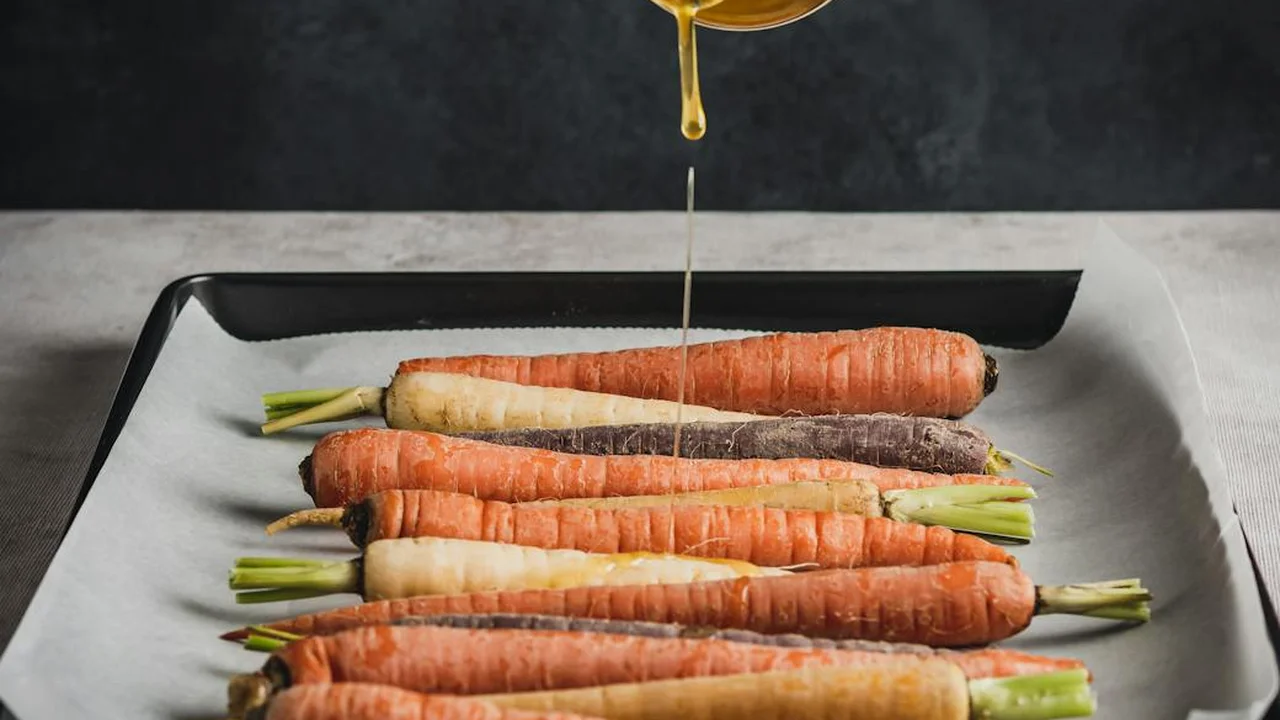
When you’re managing celiac disease or a sensitivity, checking every label becomes second nature. I keep a list like this taped inside my own pantry door. Think of it as your quick-glance guide, a calm reference to ease your mind in the grocery aisle.
| Oil Type | Naturally Gluten-Free? | Primary Source | Notes on Blends & Processing |
| Canola (Rapeseed) | Yes | Rapeseed plant seeds | A highly refined oil. The processing removes proteins, making gluten contamination exceptionally unlikely. I use this often for high-heat cooking. |
| Olive (Extra Virgin, Virgin, Light) | Yes | Olive fruit pulp | All pure olive oils are safe. Be mindful of flavored or infused olive oils. Check that any added herbs or seasonings are certified gluten-free. |
| “Vegetable Oil” (Blend) | Typically Yes | Often soy, corn, canola, sunflower blends | The blend itself is gluten-free. Always scan the ingredient list for any wheat germ oil, which is rare but possible. Most generic brands are safe. |
| Coconut (Refined & Unrefined) | Yes | Coconut meat | Perfectly safe. I prefer unrefined (virgin) for its lush tropical scent in body balms and hair treatments. Refined is neutral for cooking. |
| Avocado | Yes | Avocado pulp | A beautiful, rich green oil. It’s a stellar gluten-free choice for both high-heat searing and as a nourishing base for facial serums. |
| Sesame (Regular & Toasted) | Yes | Sesame seeds | Pure sesame oil is gluten-free. Toasted sesame oil is for flavor, not high-heat cooking. Its deep, nutty aroma transforms a simple stir-fry. |
| Sunflower | Yes | Sunflower seeds | A wonderful, light carrier oil for the skin. In the kitchen, it’s my frequent, neutral-tasting go-to for sautés and baking. |
| Grapeseed | Yes | Grape seeds (wine byproduct) | Lightweight and gentle. This is another kitchen staple for me that doubles as a non-greasy moisturizer for the body and hair. |
My personal rule? If an oil has only one ingredient on its label, you are on very solid ground. The moment you see “natural flavors,” “herb-infused,” or a list of multiple oils, pause and verify the brand’s gluten-free practices. It takes just a second, but it builds lasting peace of mind for your kitchen and your wellness routines.
How Gluten Can Sneak In: Cross-Contamination Risks
Gluten contamination often happens through simple, overlooked steps in your own kitchen.
I practice this vigilance daily when I handle oils for both cooking and making herbal salves.
Cross-contact usually occurs in a few practical ways you can watch for.
- Use separate spoons or funnels for different oils. A utensil that touched wheat flour can leave traces in your oil bottle.
- Wipe down counters and bottles before use. I always give my olive oil container a quick clean if it’s been near my baking station.
- Store your cooking oils away from open flour containers or bread crumbs. In my pantry, I keep baking ingredients on a completely different shelf.
Shared equipment in manufacturing facilities is a common source.
Some plants that press vegetable or sunflower oil might also process wheat germ oil on the same machinery.
Minute particles can linger in shared tanks or on conveyor belts, much like a dusty residue.
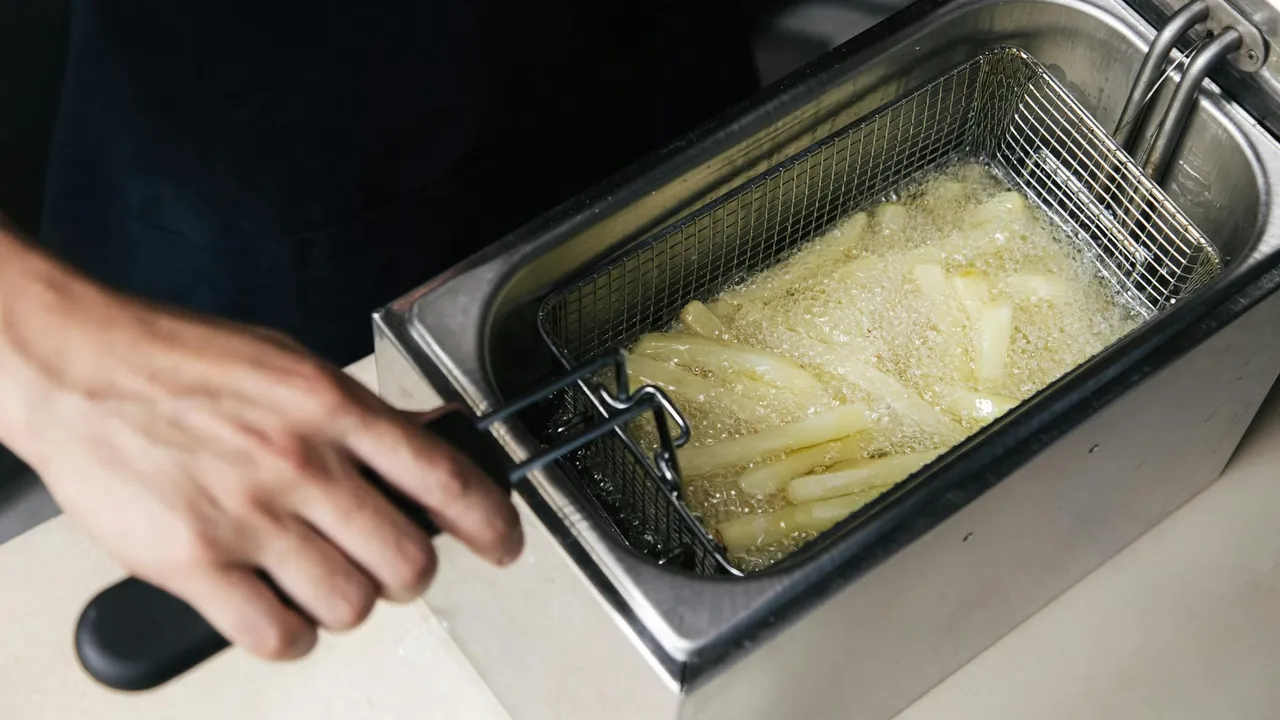
Fryer oil contamination is a huge risk, both at home and when eating out.
When you fry breaded onion rings or chicken, gluten proteins break off and swim in the hot oil.
If that same oil is used later for French fries or doughnuts, it transfers those proteins.
This fryer issue is where most “gluten in oil” scares truly begin, not with the oil in its pure state.
Oils like pure olive, canola, and corn oil do not contain gluten on their own.
Reading Between the Lines on Labels
Understanding oil labels is key for your kitchen and wellness routine.
You need to look for specific, cautious wording from manufacturers.
- Phrases like “may contain wheat” or “processed in a facility that also processes wheat” are your main clues.
- Statements such as “made on shared equipment with gluten-containing grains” indicate a real possibility of cross-contact.
A “gluten-free certified” seal from a group like the GFCO provides a much higher level of trust than a general “gluten-free” claim.
Certification means the oil was tested to meet a strict standard, often below 10 parts per million of gluten.
For the oils I use in sensitive skin balms or for family meals, I always choose certified brands to ensure safety and purity, especially when it comes to olive oil.
Gluten-Free Oils Beyond the Kitchen: Body, Skin, and Hair Care
Those same bottles of safe cooking oils can become the foundation of your personal care routine.
I regularly reach for my kitchen olive oil to make a soothing after-shower balm.
If you have celiac disease and are concerned about glutenin cilde zararları, using pure, gluten-free oils on your skin is generally considered safe.
Topical application of gluten-free oils like almond or jojoba is a low-risk way to moisturize and protect sensitive skin. When comparing carrier oils for massage and skincare, jojoba, almond, and argan are commonly evaluated for their hydration and absorption properties. Understanding these nuances helps tailor routines to sensitive skin and massage preferences.
I always recommend a patch test first, applying a small amount to your inner arm and waiting 24 hours to check for any reaction.
Creating a Safe Gluten-Free Body Oil Blend
Here is a simple, calming blend I make often.
You will need a clean, dry glass bottle.
- Pour 1/4 cup of a gluten-free carrier oil like sweet almond or jojoba into the bottle.
- Add 3 to 5 drops of your favorite essential oil, such as lavender or chamomile.
- Securely close the lid and gently swirl the bottle to mix.
This gentle recipe leaves your skin feeling soft and carries a light, relaxing scent.
You must check every component for hidden gluten.
This includes any vitamin E oil you add as a preservative or thickeners like beeswax pellets.
I only buy from suppliers who provide clear gluten-free certifications for all their products.
Oil Pulling and Oral Care
Coconut oil is my go-to for oil pulling, and it is naturally gluten-free.
This is good news because some toothpastes and mouthwashes contain gluten-derived ingredients.
Swishing with a spoonful of pure, unrefined coconut oil gives you a simple way to maintain oral care without gluten concerns. You can even learn how to extract coconut oil at home and use it in DIY body care recipes.
The oil feels warm and silky in your mouth.
I keep a jar in my bathroom cabinet just for this purpose.
Navigating the Gray Areas: Other Gluten Questions
Now that we’ve covered oils, you might be thinking about other items in your pantry. Here’s a quick look at some other common points of confusion, from my own experience reading labels and chatting with folks.
Gluten in Grains Like Millet and Rice
Pure millet is a naturally gluten-free seed, much like the plants our pure oils come from. The same goes for brown rice, or zilvervliesrijst.
Gluten is not in the millet or rice itself, but it can sometimes wind up there during growing, transport, or processing in a shared facility. Cross-contamination is the real concern.
I always look for a certified gluten-free label on these grains, especially if I’m cooking for someone with celiac disease. It’s the same careful sourcing I apply to my carrier oils.
Unexpected Sources: Beer, Chocolate, and Nuts
This is where things get trickier, and it highlights how beautifully simple pure oils are.
Most traditional beers, like Miller Lite, are made from barley or wheat. They contain gluten. Many chocolates, including some Milka bars, use ingredients like barley malt for flavor. These are processed foods where gluten is often an added or inherent ingredient, unlike a bottle of olive oil which is just pressed fruit.
What about gluten noix, or nuts? In their whole, raw form, nuts like almonds and walnuts are gluten-free. I keep a big jar of them in my kitchen for making nut milks and body scrubs.
But flavored nuts, or ones processed on shared equipment, are a different story. You must read the label every time.
This broader view makes me appreciate the inherent purity of a well-sourced botanical oil. For your skin, your hair, or your pan, a single-ingredient oil from a trusted producer is one of the safest, most straightforward choices you can make. Understanding various botanical oils and their uses further enhances this appreciation.
Your Action Plan for Choosing and Using Gluten-Free Oils
Let’s move from the theory to the practical. If you’re navigating a gluten-free life, whether by necessity or choice, your kitchen and your self-care shelf should feel like safe havens. Here’s a simple, step-by-step guide I use myself to ensure everything stays pure and supportive.
Step 1: Choosing Your Bottles with Confidence
Start at the source: the label on the bottle. This is your first and best tool.
- Look for pure, single-source oils. A bottle that says just “Extra Virgin Olive Oil” or “100% Pure Avocado Oil” is a green flag.
- Scan for allergen statements. Many reputable brands now clearly state “Gluten-Free” on the label, which is a wonderful reassurance.
- Be cautious of generic “Vegetable Oil” blends. While the oil itself is fine, shared facilities are a small risk. If you are highly sensitive, opt for a certified gluten-free brand or stick to single oils like coconut or sunflower.
My own shelf has a few trusted, clearly-labeled bottles I reach for every day: a rich olive oil for dressings, a light high-heat avocado oil for roasting, and a jar of coconut oil that does double duty in the pan and in my skincare.
Step 2: Setting Up Your Gluten-Free Kitchen Zone
Cross-contamination at home is often the hidden hurdle. A few mindful habits make all the difference.
- Consider a dedicated bottle for gluten-free cooking. If others in your home use flour or soy sauce, having your own squeeze bottle of canola or grapeseed oil prevents accidental drips from a contaminated main bottle.
- For deep frying, this is non-negotiable. Gluten proteins can linger in fryer oil. If you share a fryer, it’s safest to have a separate, labeled one just for your gluten-free foods.
- Wipe down shared counters and utensils before preparing your food. A quick clean removes any stray crumbs from other cooking projects.
This isn’t about fear, it’s about creating easy, fail-safe routines that let you cook and bake with complete peace of mind.
Step 3: Curating Your Gluten-Free Wellness Apothecary
This is my favorite part. Pure, gluten-free carrier oils are the foundation of so many nurturing DIY projects for your body, skin, and hair.
Since gluten cannot be absorbed through the skin, the primary concern here is avoiding any oil that might have trace additives. Luckily, the pure plant oils we love for wellness are naturally perfect. Here’s a shortlist for your starter shelf:
- Sweet Almond Oil: A classic, light oil that absorbs easily. It’s my go-to for gentle body massage and as a base for facial serums.
- Jojoba Oil: Actually a liquid wax, it mimics the skin’s own sebum. I use it for scalp treatments and to balance oily complexions.
- Fractionated Coconut Oil: This version stays liquid and odorless. It’s a flawless carrier for essential oil blends and won’t stain fabric.
- Sunflower Oil: Affordable, lightweight, and rich in vitamin E. I keep a bottle specifically for whipping up thick, skin-softening body butters.
When you blend these with your favorite essential oils, you’re crafting potent, personalized wellness that you can trust from the bottle to your skin. Pairing them with a carrier oil supports safe, effective body treatments. Start with one or two that call to you, and let your personal apothecary grow from there. A quick patch test and proper dilution help tailor strength to your skin.
Your Gluten & Oils Questions, Answered
Can the gluten in oils like wheat germ oil harm my skin?
Topical application of pure, gluten-free botanical oils is generally safe and nourishing for the skin. If you have celiac disease and are concerned about dermatitis herpetiformis, choose oils with a certified gluten-free label for absolute peace of mind in your skincare rituals.
Is a beer like Miller Lite gluten-free?
No, traditional Miller Lite is brewed from barley and contains gluten. For a gluten-free lifestyle, you’ll need to seek out beers specifically crafted from gluten-free grains like sorghum or rice.
Could gluten be hiding in chocolate, like Milka bars?
Yes, many chocolates use gluten-containing ingredients like barley malt for flavor. Always check the label carefully, as a pure, dark chocolate is more likely to be safe than a flavored or malted milk chocolate.
Are nuts and whole grains like brown rice naturally gluten-free?
Yes, whole foods like nuts (*gluten noix*) and brown rice (*zilvervliesrijst*) are naturally free of gluten proteins. The risk comes solely from cross-contamination during processing, so I always look for a “certified gluten-free” seal on these items.
What about gluten in milk?
Pure, unflavored milk from cows, goats, or sheep does not contain gluten. Be mindful of flavored milks or milk beverages, as additives like thickeners or cookie flavorings could introduce gluten.
A Clear Path Forward with Your Oils
Pure, minimally processed cooking oils are naturally free from gluten, so your focus should be on sourcing and labels to avoid cross-contamination. By choosing reputable brands and being a diligent label reader, you can cook and create with complete confidence for your wellness and home.
I encourage you to use this knowledge as a foundation for your own kitchen experiments. Trust your growing understanding, and know this space is here to support your journey with every oil you bring into your home.
Further Reading & Sources
- r/glutenfree on Reddit: Do cooking oils have Gluten? I never thought they did but?
- Is Oil Gluten-Free? | BeyondCeliac.org
- Is vegetable oil gluten free? | Schär
- Is Vegetable Oil Gluten Free? Real Answers for Clean Cooking
Noemi is an accomplished wellness researcher, nutrition care guide and body care expert. She has years of experience in formulating various oil combinations for full body wellness including face, hair, body care, essential oils and cooking oils. She works as a bio-formulator working with oil chemistry and analyzing the best formulations when it comes to your needs. Feel free to reach out to get your oil needs sorted.