
What Are the Key Uses, Safety Guidelines, and Certification Standards for Olive Oil?
If you’re curious about moving olive oil from your kitchen shelf to your skincare routine but feel unsure, I understand. Having worked with it for years in my own apothecary, I can assure you that a few simple guidelines make all the difference for safe and effective use.
This article will give you the clear, practical knowledge to confidently choose and use olive oil.
- Its versatile uses for skin, hair, wellness, and home
- Essential safety guidelines to follow
- How to identify trustworthy certification standards
Olive Oil’s Kitchen Magic: Beyond the Salad Bowl
Choosing the right olive oil for cooking comes down to its smoke point, the temperature where it starts to burn and lose its goodness. Extra virgin olive oil has a lower smoke point, around 375°F. I use it for gentle sautéing, roasting vegetables below 400°F, and making dressings. Refined or “light” olive oil has a higher smoke point, closer to 465°F, making it my pick for higher-heat searing or stir-frying.
You can absolutely make a roux with olive oil. I do it often for a richer flavor. The key is to use medium-low heat and stir constantly, as it can brown a bit faster than butter. You’ll get a beautiful, nutty base for soups and sauces.
Where olive oil truly sings is as a finishing touch. A final drizzle over a finished soup, hummus, or grilled fish adds a lush texture and a peppery, fruity flavor. A small dish of it with good bread and flaky salt is a ritual on my table.
Beyond taste, many people value a daily spoonful of high-quality extra virgin oil for its wellness support, integrating it into their routine much like a dietary supplement.
Nourishing Your Body: Olive Oil for Skin and Hair
Long before fancy bottles lined shelves, olive oil was the original carrier oil. It’s a classic for good reason, offering deep nourishment straight from the kitchen cabinet.
For your skin, it’s a potent moisturizer. I use a few drops on damp skin after a shower to lock in moisture. It’s also fantastic for oil cleansing, especially on dry skin, as it gently dissolves makeup without stripping. A capful in a warm bath leaves skin feeling incredibly soft. If your skin is very oily or prone to clogged pores, you might prefer a lighter oil like jojoba.
For hair, olive oil is a hero for dry ends and frizz control. I warm a tablespoon and massage it through the ends before washing. For a scalp treatment, I mix it with a drop of peppermint essential oil. Just remember, olive oil is quite rich and viscous compared to light argan or jojoba oil, so a little goes a long way to avoid a greasy feel, especially when used on high porosity hair.
This brings up a key point: olive oil is a carrier oil, used to dilute potent essential oils for safe skin application. This is different from the pure essential oils people ask about taking on planes. Carrier oils like this one are generally not restricted, especially when compared to other oils used for various purposes, like coconut oil for cooking or skincare.
A Simple Olive Oil & Honey Face Mask Recipe
This is my go-to for a quick, hydrating boost. Honey is soothing and helps the moisture from the olive oil sink in.
You will need:
- 1 tablespoon of extra virgin olive oil
- 1 teaspoon of raw honey
- Mix the oil and honey in a small bowl until they form a smooth, sticky blend.
- Apply a thin layer to clean, slightly damp skin, avoiding the eye area.
- Let it sit for 10-15 minutes.
- To rinse, use a warm, wet washcloth to gently press and wipe away the mask. The warmth helps melt the oils for easier removal. Follow with a splash of cool water.
Your skin will feel plump and calm. If it feels too oily after, you used a bit too much. Next time, try a lighter hand with the olive oil.
The Gentle Homesteader: Olive Oil Around the House

That same bottle in your pantry can transform your home care routine. I keep a small tin of basic olive oil right next to my beeswax and cleaning vinegar.
It moves far beyond the kitchen.
For Wood and Leather Care
Think of olive oil as a gentle moisturizer for thirsty wood and dry leather. It feeds the fibers without harsh chemicals.
For a simple wood polish, I mix two parts olive oil with one part fresh lemon juice or white vinegar in a glass jar. The oil nourishes, while the acid helps cut through old grime.
Shake it well, apply a small amount with a soft cloth, and buff. The wood glows with a soft, satin finish, not a greasy one.
For a leather bag or boots, a tiny drop on a soft cloth is all you need. Rub it in circular motions, let it soak in for an hour, then buff away any excess. Always test on a hidden spot first. Be careful not to apply too much, especially when dealing with oil stains on leather, as they can be tricky to remove.
Quiet Squeaks and Season Surfaces
A squeaky hinge is no match for a drop of olive oil. Use a cotton swab to apply it directly to the hinge pin. Wipe away any drips to avoid stains.
For wooden cutting boards and spoons, olive oil is my go-to for seasonal conditioning.
To season a cutting board, clean it thoroughly, let it dry completely, then rub a generous amount of olive oil all over it.
Let the oil soak in overnight. Wipe off any oil that hasn’t absorbed by morning. This helps protect the wood from moisture and cracks.
A Simple Tarnish Remover
You can make a gentle paste for brass or copper. Mix a tablespoon of olive oil with two tablespoons of salt or baking soda until it forms a spreadable paste.
Rub it onto the tarnished metal with a cloth, using small circles. The mild abrasion of the salt lifts tarnish while the oil polishes.
Let it sit for ten minutes, then rinse with warm water and dry completely.
The Multi-Tasking Pantry Staple
You do not need a special product for every little household task. That basic can of olive oil on your shelf has many lives.
I reach for my inexpensive, mild olive oil for these home projects, saving the prized, peppery extra virgin for my salads and dipping bowls.
It is a thrifty, effective way to care for your home with a single, simple ingredient.
Using Olive Oil Safely: For Your Body and Your Home
Think of olive oil as a trusted friend in your pantry and bathroom cabinet. Using it wisely means respecting its nature for both internal wellness and external care.
Safety in the Kitchen and Diet
I store my favorite bottles in a cool, dark cupboard, never next to the stove. Light and warmth are its enemies, turning that vibrant green gold dull and rancid over time.
Keeping your oil in a dark place is the simplest way to preserve its freshness and health benefits.
While it’s a heart-healthy fat, olive oil is still dense with calories. I use it generously for flavor, but mindfully as part of a balanced plate. A quick guide to its nutritional content, serving sizes, and measurements helps me portion it wisely.
All oils eventually go off. Trust your senses. Rancid oil loses its fruity aroma and often smells like waxy crayons or stale peanuts. A sip will taste unpleasantly bitter or sharp.
If your olive oil smells or tastes “wrong,” it’s best not to consume it.
Safety on Skin, Hair, and Surfaces
Your skin might love olive oil, but it’s wise to introduce it slowly. I always do a patch test on my inner arm before using it on my face or body.
For acne-prone skin, patch testing is non-negotiable to see how your unique chemistry responds.
It makes a wonderful wood conditioner for cutting boards or spoons on my own shelf. Avoid using it on floors or walking surfaces, as it can leave a slippery, uneven film.
Compared to commercial cleaners full of unpronounceable ingredients, olive oil is a pure, plant-based alternative. It polishes without fumes and conditions without synthetic waxes.
For home care, its simplicity is its greatest safety feature.
Decoding the Label: Olive Oil Certification and Standards
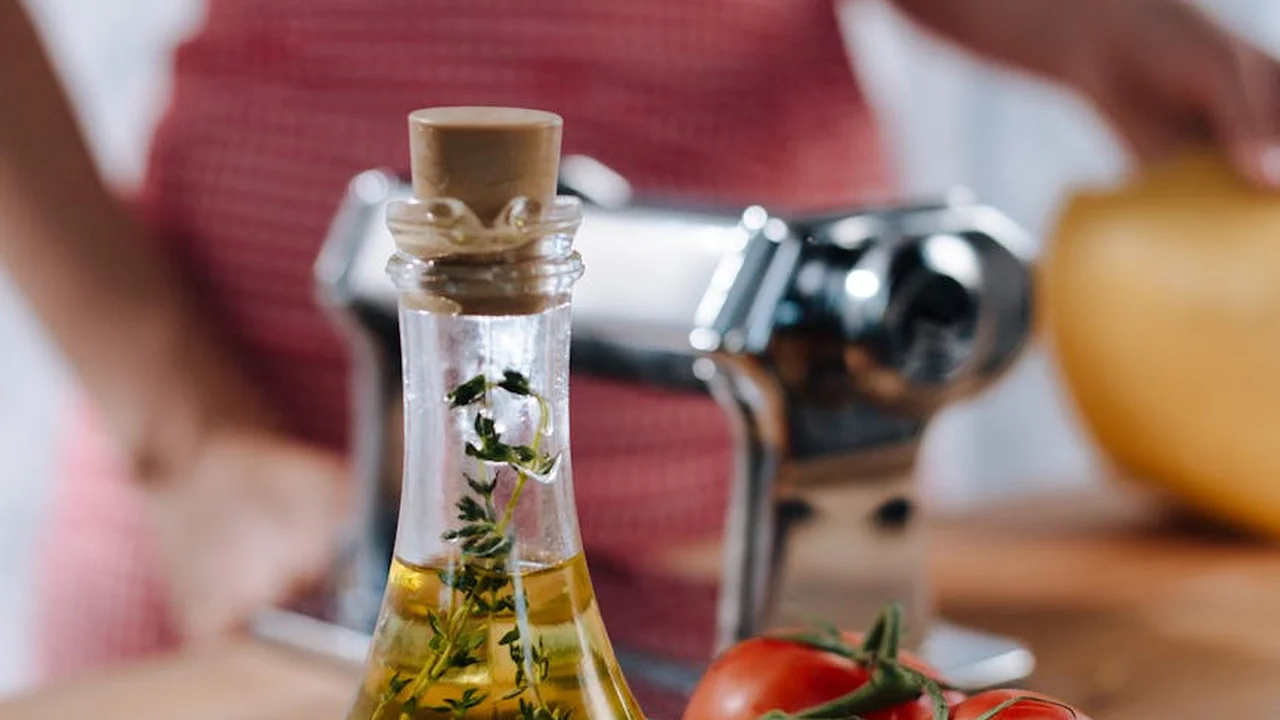
When you choose an olive oil for your skin care or kitchen, the label holds the truth. I have opened bottles that smelled flat or felt greasy, a sign of poor quality. Certification standards exist to shield you from fraud and guarantee you get a pure, effective oil for your body and home. They answer your real questions about what you are actually buying. Certified oils are especially important as they have passed rigorous quality checks. Reliable certifications help you trust that you’re getting pure, unadulterated extra virgin oil.
The Global Benchmark: International Olive Council (IOC) Standards
The International Olive Council (IOC) sets the world’s most recognized rules. Think of them as the common language for olive oil quality. Their grading system is your essential guide for picking the right oil, whether for a hair treatment or a wellness recipe.
Here are the core IOC grades, straight from my own comparison notes:
- Extra Virgin Olive Oil: This is the highest grade, from the first cold press. It has very low acidity and a perfect, fruity flavor with no defects. On my shelf, this is the one I use for facial serums and finishing a dish.
- Virgin Olive Oil: It has a slightly higher acidity level but is still unrefined. Its milder taste works well in body oil blends where you don’t want a strong scent.
- Olive Oil: This is usually a mix of refined and virgin oils. It lacks the vibrant nutrients, so I reserve it for high-heat cooking or making household cleaners.
- Olive Pomace Oil: Extracted from leftover pulp with chemical solvents. I do not use this on skin or hair. It is best for industrial soaps or lubricants.
To earn these labels, every oil must pass tests. Chemical tests check for acidity and peroxides, ensuring the oil is fresh and stable enough for your skincare routine. Sensory tests involve expert tasters who smell and taste for flaws like rancidity or muddiness.
National and Regional Protections
Beyond global rules, many places have their own shields. In the U.S., the USDA provides a standard of identity. This is a legal definition for terms like “virgin” or “olive oil.” It is a helpful baseline, but seeking out stricter certifications gives you more confidence.
Look for proactive standards like the California Olive Oil Council (COOC) seal. COOC certification often means stricter testing than the IOC, which I trust for oils I use in massage blends or after-sun care. Australian standards are similarly rigorous, with a focus on transparent labeling.
An “Organic” certification is about how the olives were grown, without synthetic pesticides or fertilizers. Organic status matters for your wellness practices if you prefer botanicals from clean soil, but it does not define the oil’s quality grade. You can find organic oil that is extra virgin or just plain olive oil, so always check both seals on the bottle.
Olive Oil Versus Other Kitchen and Beauty Oils
Choosing an oil can feel overwhelming with so many bottles on the shelf. The trick is to match the oil’s personality to your specific task, whether you’re cooking dinner or treating dry skin. I like to think of them like tools in a kit, each with a special job it does best.
Here’s a quick look at how our star, olive oil, measures up to some common alternatives. We’ll focus on how they feel, smell, and perform where it counts.
For Cooking: Olive Oil vs. Coconut Oil vs. Sunflower Oil
In the kitchen, an oil’s smoke point and flavor decide everything. The science behind smoke points is that heat breaks down oil into volatile compounds, causing smoke and off-flavors. That breakdown is why choosing the right oil matters. Using an oil past its smoke point makes it taste bitter and can create unhealthy compounds.
Quick-Reference Table: Cooking Oils
| Oil | Best Smoke Point & Type | Flavor Profile | My Go-To Uses |
| Olive Oil | Medium-High (EVOO) to High (Refined/Light) | Fruity, Grassy, Peppery (EVOO) to Mild (Light) | Dressings, low-heat sauté, finishing drizzle |
| Coconut Oil | Medium (Unrefined) to High (Refined) | Distinct Tropical, Nutty (Unrefined) to Neutral (Refined) | Baking, medium-heat stir-fries, dairy-free recipes |
| Sunflower Oil | High (especially High-Oleic versions) | Very Light, Almost Neutral | Pan-frying, deep-frying, high-heat roasting |
Extra virgin olive oil (EVOO) is the flavor champion of my pantry. I save my good EVOO for where its taste shines: in vinaigrettes, drizzled over hummus, or as a final touch on roasted veggies. Its lower smoke point means it’s not my pick for searing a steak.
Refined or “light” olive oil has a higher smoke point. It’s my quiet workhorse for sautéing onions or making a simple pan sauce.
Unrefined coconut oil brings a sweet, tropical scent. It’s fantastic in granola or vegan muffins. For high-heat cooking where you don’t want coconut flavor, look for the refined version, which has a much higher smoke point and neutral taste.
Sunflower oil is the true neutral. High-oleic versions are very stable. I reach for it when I need a clean-tasting oil for frying falafel or making a big batch of roasted potatoes. It’s different from other vegetable oils, which can have distinct flavors or lower smoke points.
For Skin and Hair: Olive Oil vs. Jojoba Oil vs. Grapeseed Oil
For your body, think about thickness and how fast an oil soaks in. A thick oil can feel luxurious on parched skin but might overwhelm an oily complexion.
Quick-Reference Table: Beauty Oils
| Oil | Texture & Absorbency | Best For | A Note on My Shelf |
| Olive Oil | Rich, Viscous, Slow to Absorb | Very Dry Skin, Cracked Heels, Intensive Hair Masks | A nourishing sealant; I use it like a heavy blanket for moisture. |
| Jojoba Oil | Light, Liquid-Wax Feel, Absorbs Well | Most Skin & Hair Types, Scalp Health, Makeup Removal | My daily multitasker; it closely mimics our skin’s own sebum. |
| Grapeseed Oil | Very Light, Thin, Absorbs Quickly | Oily or Acne-Prone Skin, Lightweight Hair Serum | It leaves no greasy trace, perfect for a dewy daytime face oil. |
Olive oil is a deeply nourishing, occlusive moisturizer. This means it forms a protective layer on top of the skin, which is wonderful for locking in moisture on rough elbows or feet overnight. For hair, a small amount of warm olive oil makes a fantastic pre-shampoo treatment for dry, brittle ends. It’s often compared to other vegetable oils used for hair care because of its moisturizing benefits.
Because it’s heavier, I don’t recommend pure olive oil for the face if you’re prone to clogged pores. It’s a body and hair specialist in my kit.
Jojoba oil is the adaptable friend. Its texture is light yet substantial. I find jojoba oil balances both dry and oily complexions beautifully, and it’s my first choice for a gentle, effective oil cleanse.
Grapeseed oil is the lightest of the three. It feels almost like water and vanishes into the skin. This makes it ideal for someone who wants the benefits of oil without any heaviness. I often blend a few drops into my moisturizer for an extra boost.
Always do a patch test with any new oil. And remember, for skin care, look for oils labeled “cosmetic grade” or “cold-pressed” from a trusted source, just as you would for the kitchen.
Choosing and Using Your Best Bottle

Finding a truly great olive oil can feel overwhelming with so many options. I look for a few simple clues that tell me a producer cares about quality from tree to table.
What to Look For on the Label
Your first stop is the bottle itself. A dark glass bottle, usually green or brown, is non-negotiable. Light is one of the biggest enemies of fresh oil, causing it to oxidize and go rancid quickly.
Turn the bottle around and look for a harvest date, not just a “best by” date. Olive oil is a fresh fruit juice, not a wine. You want the most recent harvest you can find, ideally within the last 12-18 months.
Specific certifications are your friends. Look for seals like “PDO” (Protected Designation of Origin) or “PGI” (Protected Geographical Indication). These mean the oil was produced in a specific region using traditional methods. “Extra Virgin” should be the only grade you consider for wellness or finishing food.
Bringing It Home: Storage is Everything
Once you’ve chosen your bottle, how you store it makes all the difference. Think of it like a delicate herb in your apothecary.
Keep it in a cool, dark cupboard away from the stove or any heat source. I have a dedicated shelf in my pantry. Never store it on a sunny windowsill or right next to the oven.
The three enemies of your olive oil are heat, light, and air. Always screw the cap on tightly after use. For larger bottles I use for body oil blends, I sometimes decant a small amount into a dark glass dropper bottle for daily use to limit exposure to air.
Your First Experiment with Quality
You don’t need a giant, expensive bottle to start. I recommend finding a small, quality bottle from a recent harvest. Use it specifically for “finishing.”
Drizzle it over ripe tomatoes, hummus, or a piece of grilled fish at the very end. Taste the difference. You might notice a pleasant peppery sensation at the back of your throat-a sign of fresh polyphenols.
For your skin, try a simple test. After a shower, while your skin is still damp, massage a few drops of the oil onto one arm. Feel how it absorbs compared to your regular lotion. Notice the subtle, grassy aroma. This direct experience teaches you more about the oil’s character than any label ever could, even when you know it’s used at the right time.
Quick Answers from a Plant Friend
What is the most reliable global standard for olive oil?
The International Olive Council (IOC) standards are the essential global benchmark. They define grades like “Extra Virgin” through strict chemical and sensory tests to ensure purity and quality for both your kitchen and self-care.
Are standards like Australia’s or California’s better than the IOC’s?
Standards from bodies like the COOC (California) or the Australian Olive Association are often stricter *additions* to the IOC baseline. Seeking their seal typically means you’re getting an oil that has passed more rigorous, localized quality checks.
What does the U.S. “Standard of Identity” for olive oil mean?
This is the USDA’s legal definition for terms like “virgin” or “olive oil,” setting a minimum baseline. It’s a helpful rule against mislabeling, but for the highest quality, look for oils that also meet voluntary, stricter certifications.
How can I simply test olive oil quality at home?
While lab tests are definitive, your senses are powerful tools. True extra virgin olive oil should smell fresh and fruity, and often taste pleasantly peppery at the back of your throat, with no stale, rancid, or “off” notes.
Your Olive Oil Apothecary
In all my years, I have learned that starting with properly certified olive oil makes every application, from a hair mask to a wooden spoon polish, more effective and secure. That seal of quality is your simplest assurance for nurturing your body and home.
I welcome you to explore more on our blog as you build your oil repertoire. Your own trials with these botanicals will become your most trusted resource.
Further Reading & Sources
- Olive Oil and Olive-Pomace Oil Grades and Standards | Agricultural Marketing Service
- 2025-2026 Grade and Labeling Standards for Olive Oil, …
- International Olive Oil Standards Explained – Big Horn Olive Oil
- United States Standards for Grades of Olive Oil and …
Noemi Kamińska
Noemi is an accomplished wellness researcher, nutrition care guide and body care expert. She has years of experience in formulating various oil combinations for full body wellness including face, hair, body care, essential oils and cooking oils. She works as a bio-formulator working with oil chemistry and analyzing the best formulations when it comes to your needs. Feel free to reach out to get your oil needs sorted.