
How Many Calories Are in Olive Oil? Your Guide to Nutrition and Smart Serving Sizes
You might be checking labels or hesitating before a pour, curious about how olive oil fits into your day. Having worked with oils for years in my own apothecary and kitchen, I can help you get clear, usable answers without the stress.
I’ll give you the straightforward calorie count and show you how to measure it for any recipe or wellness routine.
- The exact calorie content and key nutrients in olive oil
- What a standard serving size really looks like
- Simple ways to measure tablespoons and teaspoons accurately
- How different olive oils compare
- Fitting olive oil into your meals and self-care naturally
Does Olive Oil Have Calories? A Simple Truth
Yes, olive oil has calories. All pure fats do.
Fats are a wonderfully concentrated source of energy for your body. This density is precisely what makes a little olive oil so satisfying in food and so effective in moisturizing treatments. A single tablespoon packs more energy than a tablespoon of sugar.
This truth is useful whether you’re whisking a vinaigrette or mixing a hair mask. Being mindful of the amount you use helps you harness its benefits without overdoing it.
You might see “zero calorie” cooking sprays. That’s a labeling trick. The serving size is so tiny (like a fraction of a second spray) that it rounds down to zero. If you use it like I do to coat a pan, you’re absolutely adding calories from the oil.
Your Handy Guide to Olive Oil Calories and Measurements
This table is my quick reference. I keep it saved on my phone.
| Measurement | Approximate Calories |
| 1 teaspoon (5ml) | 40 |
| 1 tablespoon (15ml) | 120 |
| 2 tablespoons (30ml) | 240 |
| 1/4 cup (60ml) | 480 |
| 1 cup (240ml) | 1,920 |
| 1 fluid ounce (30ml) | 240 |
| 100ml | 800 |
| 100 grams | 884 |
For accuracy, use a liquid measuring cup. The spout helps control the pour of this viscous oil.
If you use a kitchen scale, remember oil is lighter than water. One milliliter of water weighs one gram. One milliliter of olive oil weighs about 0.92 grams. That slight difference matters for precision in recipes and DIY formulations.
Calories in a Tablespoon: Your Daily Benchmark
The tablespoon is your best friend for visual reference. Most recipes and bottle labels use it.
A tablespoon of any olive oil-extra virgin, virgin, or light-contains about 120 calories. The “light” refers to flavor, not calories. The energy content is virtually identical.
Think of 120 calories as a tangible unit of fuel, like the energy in a small apple. It’s a manageable amount that can transform a plain dish or deeply condition your skin.
From a Teaspoon to a Cup: Sizing Up Your Use
Small amounts add up quickly. A teaspoon drizzled over roasted veggies is 40 calories. Two teaspoons in your morning smoothie for creaminess is 80.
Now, picture a recipe that calls for a quarter cup to roast a tray of vegetables. That’s 480 calories in the entire tray. Your personal serving might only contain a fraction of that oil.
This perspective applies to body care, too. A deep hair oiling treatment might use two tablespoons of oil blended with essential oils. While you’re not consuming those calories, it shows how a little concentrated oil goes a very long way, whether in your kitchen or your apothecabinet.
What’s Inside: The Nutritional Content of Olive Oil
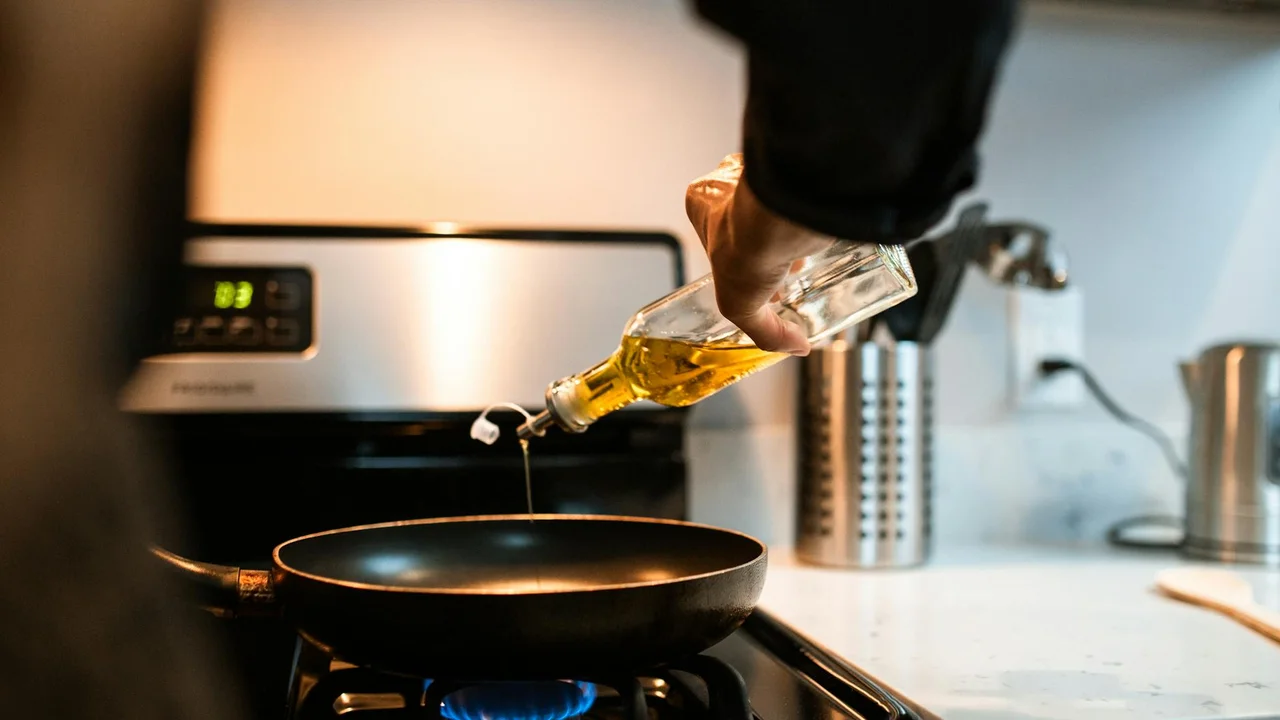
Let’s look past the calorie count for a moment. Olive oil’s magic is in its fat profile.
Most of its fat is oleic acid, a stable monounsaturated fat. I think of it as a friendly, flexible fat. This type of fat is known for supporting heart health and maintaining balanced cholesterol levels. It’s the same reason I reach for it over other oils for both my cooking and my homemade body oil blends.
A Touch of Vitamins for Skin and Wellness
You will find some vitamin E and vitamin K in olive oil. In my work, I see these as gentle supporters.
Vitamin E is a beloved antioxidant for skin. When I use a bit of olive oil in a hand salve, the vitamin E adds a protective quality. Vitamin K plays a role in healthy blood and bones. While it’s not a major source, this nutrient mix complements the oil’s overall wellness profile for your body.
The Real Source of Its Goodness
Here’s my personal take, after years of comparing oils. The supreme value of a quality olive oil isn’t really in its vitamin content.
It’s in two things: the exceptional quality of its fats and its rich load of natural antioxidants. These antioxidants, like polyphenols, are fierce defenders against damage at a cellular level. The health benefits you hear about are deeply tied to these compounds working together, not to any single nutrient.
Why Extra Virgin Makes All the Difference
This is the critical point for your pantry and your wellness recipes. Extra virgin olive oil (EVOO) is mechanically pressed without high heat or chemicals.
That gentle process preserves all the delicate antioxidants and the true, fruity flavor. The “regular” olive oil on the shelf is often refined, stripping away most of these beneficial compounds. Polyphenol content varies by oil type, with extra virgin typically richer than refined or virgin oils. This difference helps explain the deeper flavor and the greater antioxidant benefits of extra virgin. For the full nutritional and sensory experience, from your salad to your skin, extra virgin is the only type I keep on my shelf.
How Olive Oil Calories Compare to Other Oils
At first glance, the numbers seem to tell a simple story. A tablespoon of olive oil gives you around 120 calories. Here is something I learned early on in my practice: this number is remarkably consistent for most pure fats. That raises a question: which fats are healthier for cooking and heart health—butter versus olive oil? In the next steps, we’ll compare these fats and others for nutrition and heart outcomes.
From my shelf, the lesson is clear: a tablespoon of any pure plant oil will hover right near that 120-calorie mark because, gram for gram, fat is the most energy-dense nutrient.
Let us look at a few common ones side-by-side. This is not about picking a winner on calories. It is about seeing the practical landscape.
| Oil | ~Calories per Tbsp | A Note from My Kitchen |
|---|---|---|
| Extra Virgin Olive Oil | 120 | That classic, peppery flavor. I use it for dressings and low-heat sautéing. |
| Avocado Oil | 124 | Very mild and buttery. Its high smoke point makes it my go-to for searing. |
| Refined Coconut Oil | 117 | Neutral taste. I prefer unrefined for skin balms, but refined is great for baking. |
| Canola Oil | 124 | A neutral workhorse for high-heat frying or when you do not want any oil flavor. |
The difference is minimal, maybe a pinch of salt’s worth of energy.
The real calorie impact comes not from choosing avocado over olive oil, but from choosing any oil over a water or broth-based preparation.
Think about a can of tuna packed in olive oil versus one packed in water. The oil-packed version can have nearly triple the calories, all from the surrounding oil you might drain off. That is a meaningful choice for your meal planning.
So, if the calories are almost identical, how do you choose? You look past the calorie label. You think about what you are making.
Is it a fragrant salad? A robust extra virgin olive oil adds flavor complexity you can taste. Are you stir-frying vegetables on high heat? A refined avocado or canola oil will handle the temperature without smoking. Are you making a hair serum? Fractionated coconut oil stays liquid and absorbs well.
Let flavor, smoke point, and nutrient profile guide your hand, not a one- or two-calorie difference that will not change your wellness journey.
Using Olive Oil Mindfully in Wellness Routines
When you smooth olive oil onto your skin or work it into your hair, you are not eating it. The calories in olive oil only count when you ingest them, so you can enjoy its topical benefits without any dietary concern.
I keep a bottle of extra virgin olive oil right next to my jojoba and sweet almond oils on my shelf. It is a gorgeous, multi-purpose base for nourishing blends.
For a quick, scalp-nourishing mask, try this simple combination. You will need two tablespoons of extra virgin olive oil and one tablespoon of a lighter carrier oil, like jojoba or argan. Warm them together in your palms before applying.
For daily skin hydration, I love a simple body oil. Mix a quarter cup of olive oil with two tablespoons of fractionated coconut oil in a pump bottle. Natural oils can be among the best oil-based moisturizers for hydrating and nourishing skin. They work by sealing in moisture without clogging pores. This blend absorbs beautifully and leaves skin feeling supple, not greasy.
Your kitchen counting and your self-care rituals are completely separate. One fuels your body, the other soothes your spirit. Let the joy of the ritual be your focus.
A Soothing Hair Oil Treatment
This treatment is my go-to for reviving dry, stressed hair. Gather your materials:
- Two tablespoons of extra virgin olive oil.
- One tablespoon of jojoba oil (optional, but it helps the blend penetrate).
- Three to five drops of an essential oil like lavender or rosemary (always optional).
Always dilute essential oils in a carrier oil first; never apply them directly to your skin or scalp. Proper dilution ratios are crucial for preventing irritation.
- Pour the oils into a small glass bowl. Place this bowl in a larger bowl of hot water to gently warm the mixture for a minute.
- Test the temperature on your wrist. It should feel comfortably warm, not hot.
- Using your fingertips, part your hair and massage the warm oil directly onto your scalp in small circles. Work any remaining oil through the lengths of your hair.
- Twist your hair up, cover it with a shower cap or old towel, and relax for 20 to 30 minutes.
- Shampoo thoroughly to remove all the oil. You may need to shampoo twice.
Before using any new oil, do a patch test on your inner arm and wait 24 hours. Be careful to keep all oils away from your eyes during application.
When to Seek Professional Help
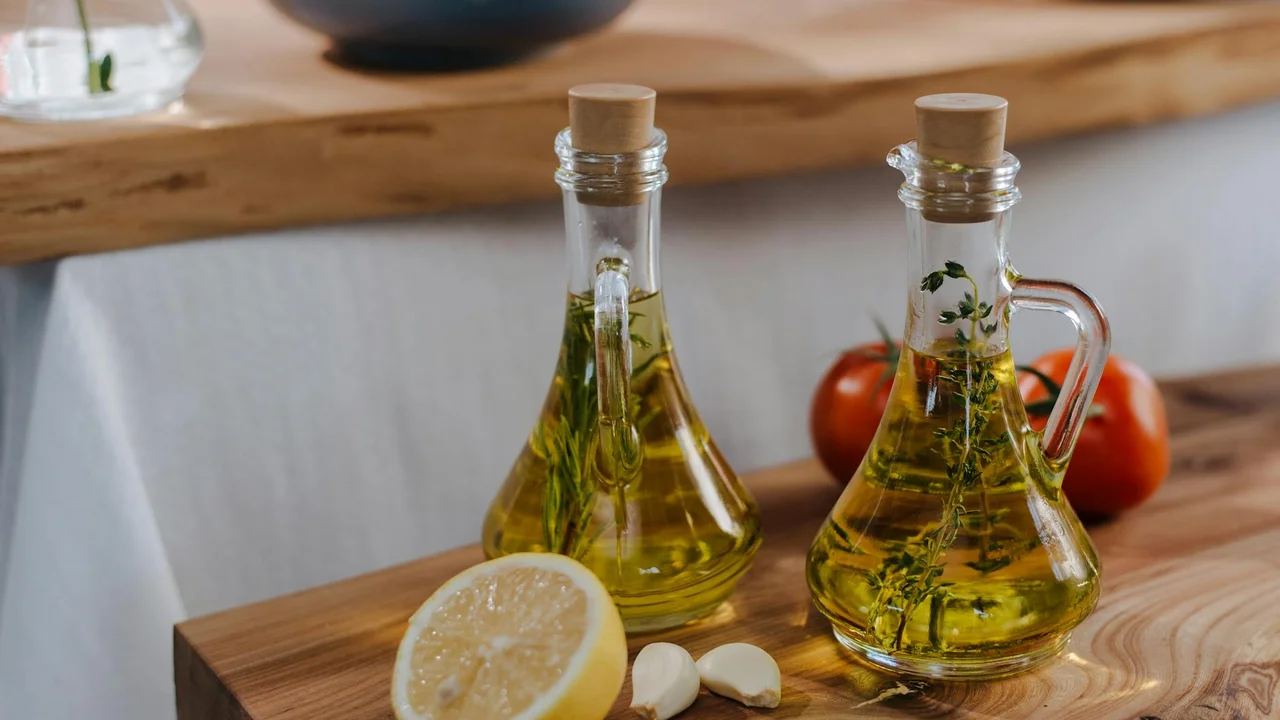
Olive oil is a wonderful, simple food. But how it fits into your whole life is unique to you.
For a truly personalized eating plan, especially around weight or health goals, talking to a registered dietitian is your best step. They can look at your entire pattern of eating. I’ve seen clients get wonderfully clear, manageable plans that thoughtfully include fats like our beloved olive oil, rather than fear them.
For Managing Health Conditions
We often hear about the heart-healthy perks of extra virgin olive oil. Its antioxidants are powerful.
If you are exploring oils as a complementary part of managing a specific condition, please loop in your doctor or a qualified herbalist. They can ensure it supports your overall care safely. I value olive oil in my own routine, but it is a food, not a prescribed treatment.
Before New Topical Applications
Olive oil is a classic, gentle carrier oil for skin and hair. I keep a small bottle of organic, cold-pressed oil on my apothecary shelf for homemade balms.
Your skin is your largest organ. If you have known food allergies (especially to olives) or very sensitive, reactive skin, a quick chat with a dermatologist can provide peace of mind. They might suggest a patch test behind your ear before a full application.
Listen to your body. What works for my skin in my home blend may not be right for yours, and an expert can help you navigate that safely.
Embracing Oil as Part of a Whole Picture
Knowing the numbers is useful, but it paints an incomplete picture. Olive oil is a food, a flavor, and a tool for wellness. Its fat content is measured and analyzed, revealing a heart-healthy profile that underpins its role in cooking. This balance of flavor and nutrition guides how we use it in meals.
It’s like looking at a beautiful wooden spoon and only seeing its weight. You miss its smooth feel in your hand and the way it stirs a simmering soup.
Olive oil brings richness and satisfaction to meals, which can actually help you feel more content with smaller portions of other foods.
Why Quality Beats Simple Calculation
This is where choosing a good extra virgin olive oil changes everything. The highest grade is not just for chefs.
Extra virgin means the oil is from the first press, handled with care, and not treated with heat or chemicals.
This gentle process preserves a treasure trove of antioxidants and compounds that are good for you, which refined oils simply don’t have in the same measure.
In my own kitchen, I keep one bottle of vibrant, green extra virgin for finishing dishes and another milder, pure olive oil for everyday cooking. The good stuff has a place in my home apothecary, too.
From Your Kitchen to Your Skin
That same quality oil you drizzle on a salad can nourish your skin. The monounsaturated fats are incredibly moisturizing.
After a shower, I sometimes massage a few drops of extra virgin olive oil onto damp skin, especially on rough elbows or knees. It absorbs beautifully and leaves a soft, not greasy, finish. Using oil after showering helps lock in moisture effectively.
You can add a tablespoon to a warm bath for an all-over skin treat. For a simple hair mask, warm a small amount, massage it into your scalp and ends, wrap your hair, and rinse after 20 minutes.
A Celebration of the Senses
Move past the spreadsheet and engage your senses. This is where olive oil truly lives.
Pour a little into a small cup. Warm it in your hands. Inhale. A good oil might smell grassy, like green tomatoes, or like fresh almonds.
Take a sip. Let it coat your tongue. That peppery tickle in the back of your throat? That’s the sign of those potent antioxidants.
That peppery finish and silky texture are the real markers of a quality oil, transforming it from a simple fat into an experience for your food and your body.
It’s a reminder that the best parts of wellness are often felt, not just counted.
Quick Answers from the Apothecary
Does “light” olive oil have fewer calories?
No, “light” refers only to its mild flavor and color, not its calorie content. A tablespoon of light olive oil still provides about 120 calories, just like extra virgin.
If I use olive oil on my skin or hair, do I absorb the calories?
No, the calories in olive oil only count when you ingest it. You can enjoy its full moisturizing benefits in homemade body and hair treatments without any dietary impact.
What’s the easiest way to measure olive oil without over-pouring?
For the most accuracy, use a liquid measuring cup with a spout. To eyeball a tablespoon for dressings, think of it as roughly the size of a standard poker chip in volume.
Does heating olive oil change its calorie count?
No, heating does not alter the calorie content. However, very high heat can damage its beneficial antioxidants, which is why I recommend using extra virgin for lower-temperature cooking or finishing.
I see different numbers online-why is there a slight calorie variation?
Small variations (e.g., 119 vs. 120 calories per tbsp) occur due to natural differences in olive composition and rounding in lab testing. For practical use, 120 calories per tablespoon is a reliable benchmark.
Savoring Olive Oil with Intention
Grasping that precise measurement lets you embrace olive oil’s rich, peppery notes and skin-nourishing fats without second-guessing your wellness goals. I keep a graduated measuring spoon right by my stove to make this habit as natural as reaching for the bottle itself.
I encourage you to trust your own hands and senses as you weave this golden oil into your kitchen and care rituals. For more trusted guidance on using oils for body, skin, hair, wellness, and home, I warmly invite you to follow along right here on our blog.
Relevant Resources for Further Exploration
- Calories in Olive Oil & Nutrition Facts – Olive Oil Lovers
- Olive Oil Nutrition Facts and Health Benefits
- Olive oil contains the same calories as any other cooking oil. What makes it special? – Have A Plant
- Why Extra Virgin Olive Oil Is the Healthiest Fat on Earth
Noemi Kamińska
Noemi is an accomplished wellness researcher, nutrition care guide and body care expert. She has years of experience in formulating various oil combinations for full body wellness including face, hair, body care, essential oils and cooking oils. She works as a bio-formulator working with oil chemistry and analyzing the best formulations when it comes to your needs. Feel free to reach out to get your oil needs sorted.