
What Can Castor Oil Really Do for Your Facial Skin?
You might wonder if a thick oil like castor belongs on your face. From my own apothecary shelf, I can tell you that this rich, golden oil has become a non-negotiable in my routine for its gentle, balancing touch.
I will walk you through using castor oil to nurture your skin’s moisture barrier safely and effectively.
- The key moisturizing and soothing benefits for your complexion
- My go-to methods for cleansing and overnight treatment
- How to select a quality oil and perform a crucial patch test
- Ways to mix it with lighter oils for your perfect blend
The Core Benefits of Castor Oil for Your Face
First, let’s talk about its feel. Castor oil is famously thick. I think of it like warm honey or maple syrup when I pour it from my bottle. It has a mild, slightly nutty scent that fades quickly after application.
The magic lies in its main fatty acid, ricinoleic acid. This unique component allows the oil to penetrate deeply. It works as both an occlusive and an emollient, which means it seals moisture into your skin while also softening and smoothing its surface. This one-two punch is fantastic for supporting your skin’s natural barrier.
So, can castor oil help with wrinkles? It can certainly make them less noticeable. Its humectant properties help attract moisture to the skin, plumping up fine lines from within. Can castor oil tighten skin? The emollient action creates a temporary smoothing and softening effect that can make skin feel firmer. Think of it as giving your skin a deep drink of water and then putting a cozy blanket over it to keep that hydration locked in.
That same ricinoleic acid has studied anti-inflammatory properties. On my shelf, I reach for a diluted bottle to gently pat onto the occasional red, irritated spot or a patch of wind-chapped skin. It brings a soothing, calming feeling.
It is wise to know its limits. Castor oil is not a proven skin lightener for dark spots or hyperpigmentation. For those concerns, oils like rosehip seed or tamanu might be better allies in your routine.
How to Apply Castor Oil to Your Face Safely
Yes, you can put pure castor oil directly on your skin, and many people do with no issue. Its thickness, though, means it can feel heavy. For most faces, especially on first try, diluting it is a kinder approach. And yes, you can absolutely leave it on your face overnight. That’s often the best way to let it do its deep moisturizing work.
Always do a patch test first. Apply a small, diluted drop to the inside of your elbow. Cover it with a bandage and leave it for 24 hours. If you see no redness or itching, it’s likely safe for your face.
Dilution is your friend. I use these simple ratios in a small glass dropper bottle:
- For dry skin: 1 part castor oil to 2 parts of a lighter oil like jojoba or sunflower seed oil.
- For normal or combination skin: 1 part castor oil to 3 parts lighter oil.
- For oily skin: Start with just 1 part castor oil to 4 parts lighter oil, like grapeseed oil.
Application is simple. Right after cleansing, while your skin is still slightly damp, pour 3-4 drops of your blend into your palms. Rub your hands together to warm it. Then, gently press the oil all over your face and neck. Follow with a soft, upward massage. The damp skin helps the oil absorb better.
Can you use castor oil for dermaplaning? I would wait. After dermaplaning, your skin has micro-cuts. Applying any oil, even a clean one, immediately afterward could sting or introduce bacteria. Let your skin settle for a few hours, or better yet, until the next evening, before using your castor oil blend.
My Simple Nighttime Facial Oil Blend
Here is the recipe from my own bedside shelf. In a 1-ounce amber bottle, I combine:
- 1 teaspoon cold-pressed castor oil
- 2 teaspoons jojoba oil
- 1 drop of lavender essential oil (optional, for a hint of calm)
I shake it gently before each use. Pressing this slightly warm, silky blend onto my skin is the last step of my day. It feels like a protective hug. In the morning, I rinse with lukewarm water. My skin always feels softer, more supple, and quietly nourished. It’s a simple ritual that really works.
Using Castor Oil for Acne, Wrinkles, and Specific Concerns
Castor oil is a powerful tool, but it is not a universal solution for every face on my shelf. Your skin’s unique needs dictate how you should use this thick oil, or if you should use it at all. I approach it differently for my dry patches than I would for a breakout. Some folks want to know its comedogenic rating and pore-clogging tendencies, so I always weigh skin safety first. If you’re curious, a quick castor oil comedogenic guide can help you decide when it’s worth trying.
For Acne-Prone and Blemish-Prone Skin
This requires a cautious, strategic hand. Castor oil contains ricinoleic acid, a component with noted antimicrobial properties that can help calm inflamed skin. Some blends pair castor oil with helichrysum oil to support skin health. These blends are also discussed for potential support of vein function in vulnerable areas. The challenge is its dense, occlusive texture, which can be comedogenic for some and potentially trap debris.
I never apply it neat to acne-prone areas. Instead, I make a highly diluted blend.
My go-to is one drop of castor oil mixed into a full teaspoon of a light, non-comedogenic carrier oil. Hemp seed oil is my first choice for its balancing feel. Grapeseed oil works well, too.
For a safe application, I use a short-contact “mask” method instead of an overnight treatment. Here is my routine.
- Cleanse your face gently with a mild cleanser.
- Pat your skin dry, then apply your diluted castor oil blend only to areas of concern.
- Let it sit for just 15 to 20 minutes.
- Rinse thoroughly with lukewarm water and follow with your usual moisturizer.
This gives the oil time to work without overwhelming your pores.
For Dryness, Fine Lines, and Mature Skin
Here, castor oil’s heaviness becomes its superpower. It acts as a superb occlusive, sealing your skin’s natural moisture and any serums you apply underneath. This locked-in hydration can plump the skin’s surface, softening the appearance of fine lines over time. These same properties tie into the top uses and benefits of castor oil for skin and hair health. We’ll explore them in the next steps.
On its own, it can feel a bit sticky. I prefer to blend it for a more elegant serum.
I combine a few drops of castor oil with nourishing oils like rosehip seed or argan in a small glass bottle. Rosehip brings vitamin C for brightness, while argan adds a silky, nurturing touch. The mix feels luxurious.
Applied to damp skin at night, this blend leaves a healthy, glossy finish that parched skin drinks right up. You wake up with a noticeably smoother, more supple complexion.
Castor Oil for Facial Hair: What to Really Expect
Let’s address the trend directly. You have seen the videos promising lush brows and long lashes. Castor oil is not a magic growth serum that will create hair follicles from nothing. Manage your expectations from the start. To separate hype from reality, we’ll examine: does castor oil actually work for eyelash growth? In the next steps, we’ll share practical application methods and a safety guide.
The anecdotal theory makes some sense. By moisturizing the hair shaft and the skin around the follicle, you may support the health of the hair you already have. Healthier hair is less prone to breakage, which can make lashes or brows appear fuller over a long period.
If you want to try it, consistency is your only friend. Here is a simple routine.
You will need a small, clean bottle of pure, cold-pressed castor oil and clean application tools. For brows and beard areas, I use a clean finger or a cotton swab. For lashes, a cleaned mascara wand or a dedicated spoolie is best.
- Dip your tool lightly into the oil. You need the tiniest amount.
- Apply a fine layer along your lash line (avoiding the eye itself) or to your brows or beard area.
- Gently massage it in for a moment to stimulate circulation.
- Leave it on overnight or for a few hours, then cleanse in the morning.
Discussing castor oil facial hair before and after timelines requires patience. This is a marathon, not a sprint. Do not expect visible changes for at least two to three months of nightly use. Any effect will be subtle.
I must be categorically clear on one point. Castor oil is not for use on intimate areas. If you are wondering, can I use castor oil on my private area, the answer is a firm no. The skin there is highly sensitive with a specific pH balance, and applying a thick oil can disrupt that and lead to irritation or infection.
Safety, Side Effects, and Smart Alternatives
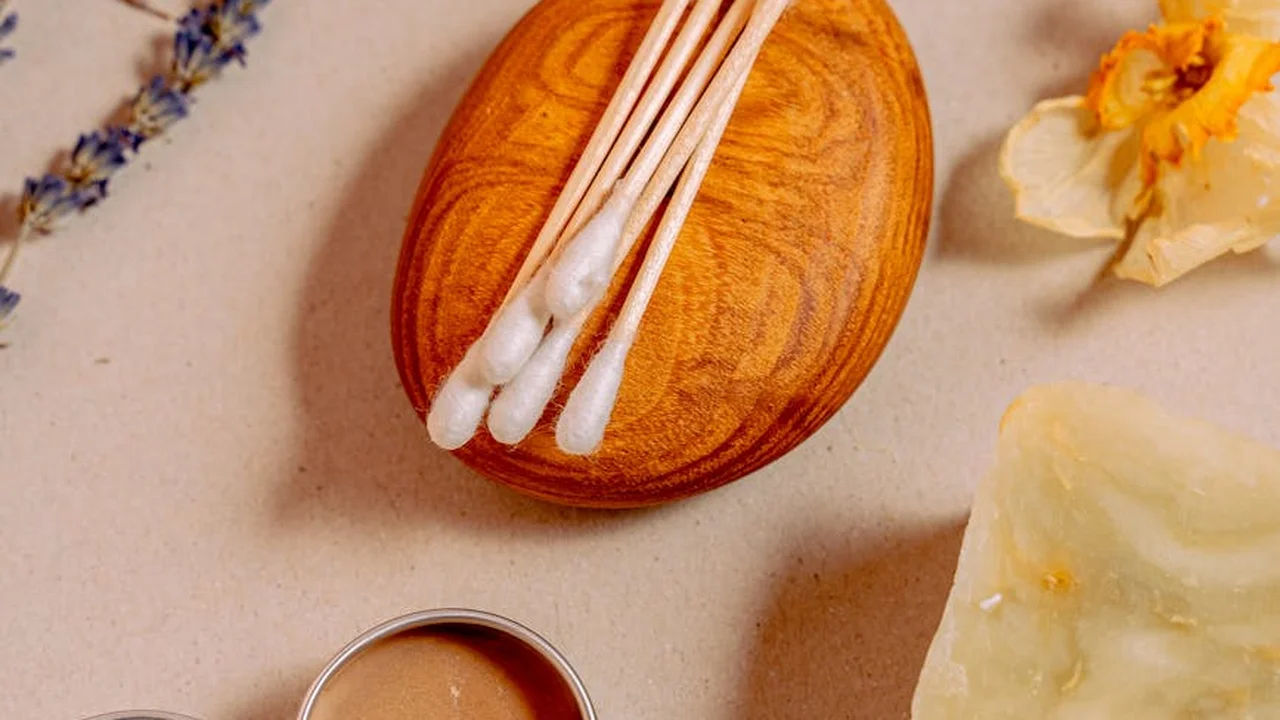
Even the most beneficial botanical ingredient needs respect. Castor oil’s thickness is both its strength and a potential downside for facial skin.
The most common castor oil facial side effect is clogged pores, which can lead to breakouts, especially for those prone to congestion. Its dense, occlusive nature creates a powerful seal, which can trap debris and dead skin cells if not applied correctly.
Allergic reactions, while less common, are possible. Signs include redness, itching, or hives. Eye irritation is another risk, so be very careful when applying near the lash line.
There are times to avoid castor oil completely. Do not use it if you are pregnant, as it has historical use for stimulating labor. Skip it if you have active, severe inflammatory acne, known rosacea flares, or a confirmed allergy to castor beans.
Common Mistakes and How to Avoid Them
I see these missteps often. Avoiding them makes all the difference between a glowing result and a frustrating one.
Using castor oil 100% undiluted on the face is the biggest error. Always dilute it in a lighter carrier oil; a single drop mixed into your regular serum or moisturizer is often plenty. This cuts the viscosity without losing the benefits.
Applying too much creates a sticky, uncomfortable film. Your skin feels tacky, and your pillowcase will protest. This over-application is a fast track to clogged pores. You only need a tiny, pea-sized amount of your diluted blend for the entire face.
Never skip the patch test. Apply a small amount of your diluted mixture to the inside of your elbow or behind your ear. Wait 24 hours. If there’s no reaction, you’re likely good to go.
Manage your expectations. Castor oil is a supportive treatment, not a magic potion. It will not regrow hair or erase wrinkles overnight. If you’re wondering whether castor oil really works for eyelash growth, look at the reported benefits and typical results. Knowing the typical application results can help set realistic expectations before you try it. Consistency over weeks is what yields the subtle improvements in hydration and lash or brow appearance.
If Castor Oil Isn’t Right For You: Recommended Alternatives
Your skin’s needs are unique. If castor oil feels too heavy, these alternatives on my shelf might be a perfect match.
For a similar occlusive, protective feel but in a solid form, try shea butter or mango butter. I reach for shea when my skin feels particularly parched and needs a comforting, creamy barrier.
For a lighter, fast-absorbing moisturizing oil that mimics skin’s own sebum, jojoba or squalane are brilliant. Jojoba has a lovely, neutral slip, and squalane sinks in with zero greasy residue.
For a dedicated anti-aging focus, look to rosehip seed or sea buckthorn oil. Rosehip seed oil is my go-to for evening out texture and supporting skin renewal, thanks to its natural retinoids. Sea buckthorn is a potent, orange-hued oil packed with antioxidants for stressed skin.
No matter which oil you choose, quality matters. Look for cold-pressed, hexane-free oils stored in dark glass bottles. This protects the delicate compounds inside, so you get the full benefit nature intended.
Your Castor Oil Questions, Answered
Can I use castor oil if I have oily or acne-prone skin?
You can, but a strategic approach is key. Always dilute it heavily and consider the short-contact method to gain its soothing benefits without overwhelming your pores.
Can I mix castor oil with my daily moisturizer or serum?
Yes, this is a wonderful way to add its occlusive power. Simply stir one diluted drop into your palm with your usual product to lock in that extra hydration.
How often should I apply castor oil to my face for best results?
For deep moisture and barrier support, applying your diluted blend nightly is perfectly safe. Listen to your skin-it will tell you if that’s too much.
What’s the best way to store castor oil to maintain its quality?
Keep it in a dark glass bottle in a cool, dark cupboard, just like I do on my apothecary shelf. This protects its precious fatty acids from light and heat.
What should I do if castor oil doesn’t work for my skin?
Don’t worry-botanical beauty is personal. If it feels too heavy, gracefully switch to a lighter occlusive like jojoba or squalane for similar barrier-loving support.
Nurturing Your Skin Naturally
The single most important step is to always dilute thick castor oil with a lighter companion. Using it straight can work against your goals, but a gentle blend respects your skin’s balance.
My apothecary shelf is always evolving as I learn, and I share those honest trials right here. Trust the wisdom of your own skin as much as you trust the oil, and let that guide your routine.
Citations and Authoritative Sources
- Castor Oil for Face: Acne and Skin
- Experts Say Whether Castor Oil Really Tightens Skin Like Botox
- Castor oil: Benefits, use, and side effects
- Castor Oil for Skin: 10 Benefits, How to Use
- How to Use Castor Oil for Dry Skin, Wrinkles, and More, According to D – 100% PURE
Noemi Kamińska
Noemi is an accomplished wellness researcher, nutrition care guide and body care expert. She has years of experience in formulating various oil combinations for full body wellness including face, hair, body care, essential oils and cooking oils. She works as a bio-formulator working with oil chemistry and analyzing the best formulations when it comes to your needs. Feel free to reach out to get your oil needs sorted.