
What Are the Benefits of Cuticle Oil and How Do You Apply It Correctly?
If your cuticles are dry, cracked, or prone to hangnails, I know how frustrating that can feel. Based on years in my home apothecary, I can assure you that a few drops of the right oil can make a dramatic difference in comfort and appearance.
This article will give you my straightforward, practical method for using cuticle oil to nurture your nails and skin.
- The key benefits for nail strength and cuticle health
- A simple, effective step-by-step application routine
- How to select a quality oil blend
- Easy ways to fit it into your day
A Quick Snapshot: Cuticle Oil at a Glance
| Main Goal | Nourish & Protect |
| Key Ingredients | Jojoba, Sweet Almond, Vitamin E |
| Best For | Dryness, Hangnails, Brittle Nails |
| How Often | Daily (or after every hand wash) |
The Real Rewards: What Cuticle Oil Does for Your Nails and Skin
So, does cuticle oil work? I keep a bottle on my desk, and the answer from my own hands is a firm yes.
Its magic is simple. It gives that delicate, often-ignored skin exactly what it’s asking for.
It Quenches Thirsty Skin
Your cuticles are a barrier. When they’re dry, they crack and peel. Cuticle oil benefits for skin start by delivering deep moisture that creams can’t match, sinking in to soften that papery, tight feeling immediately.
You’ll see a before-and-after difference in softness within days. The ragged edges smooth out. That persistent dry patch? Gone.
It Builds Flexible, Resilient Cuticles
Well-moisturized skin is strong skin. Hydrated cuticles are flexible. This flexibility means they are less likely to tear, which prevents painful hangnails before they start.
Think of it like conditioning leather. A supple cuticle lays flat, looks neat, and protects the nail matrix (where new nail grows) from bacteria.
It Supports Stronger Nail Growth
The health of your nails begins under the cuticle. By keeping that area nourished, you create a better environment for growth. This raises the question: do cuticle oil benefits promote healthy growth? It’s worth exploring. While oil doesn’t make nails grow faster, it aids in strengthening nails and promoting healthy growth by preventing dryness-related weakness.
I notice my nails are less prone to peeling and splitting when I’m consistent with my oil.
It Soothes and Repairs
Manicures, cold weather, and constant hand washing are rough. Applying oil is a direct, soothing treatment for irritation, like a healing balm for that specific area.
It calms redness and helps repair minor cracks overnight. This is the benefit you’ll see praised in countless cuticle oil benefits reddit threads, where real users share their repair stories.
The ritual itself is a moment of care. It’s a sensory pause in your day that yields visible, tangible results.
How Cuticle Oil Works Its Magic
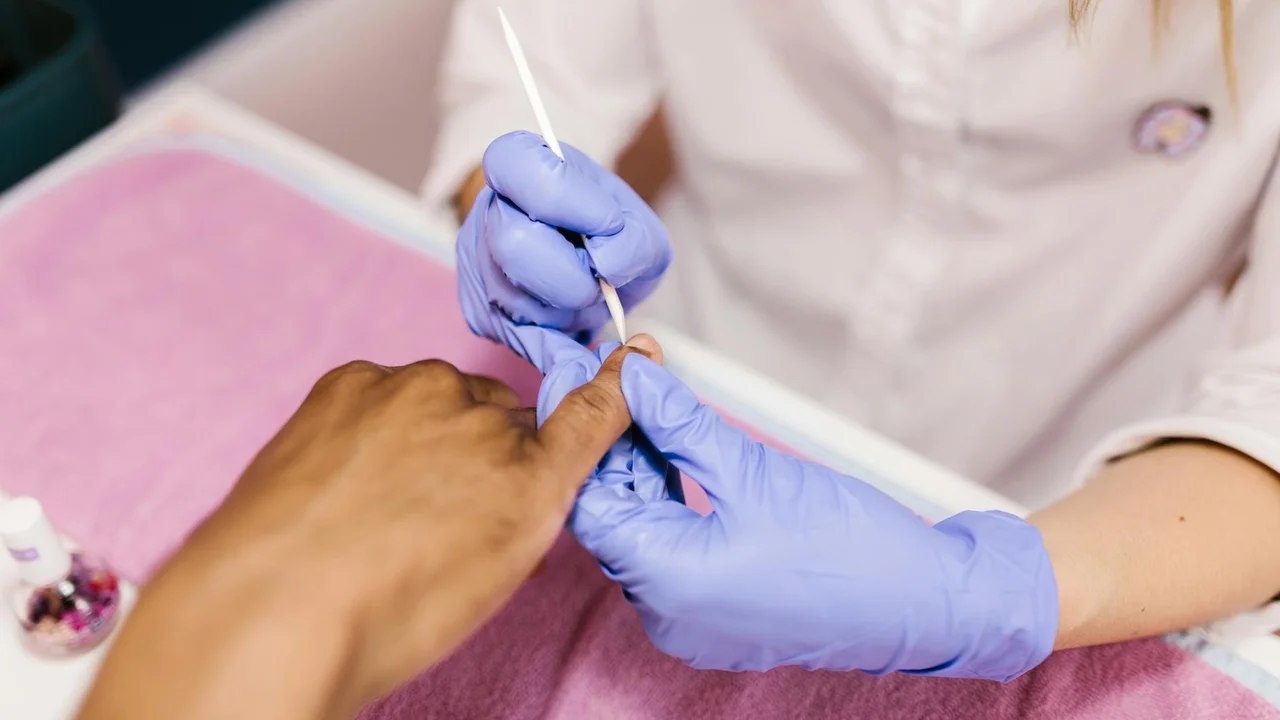
Think of a dry, cracked lip. A swipe of balm creates a soft, protective shield that locks in moisture. Cuticle oil does the same thing, but for the delicate skin around your nail.
The oil forms a gentle, nourishing barrier that seals hydration into the skin and the nail plate itself. This prevents the dryness and cracking that lead to painful hangnails, making it especially beneficial for various skin types.
Some oils, like jojoba, are special. Jojoba is actually a liquid wax ester, and its structure is incredibly close to our skin’s own sebum. That closeness makes jojoba a natural fit for facial care. It’s also a popular choice for hair and scalp care—the best uses of jojoba oil for face, hair, and scalp care.
Because it so closely mimics what our body produces, jojoba absorbs beautifully without leaving a heavy, greasy film. It sinks in to soothe and soften from the inside out.
This dual action of sealing and absorbing is the secret. Your nails get the flexible strength they need from consistent moisture. Your cuticles become soft and pliable, which supports healthy, uninterrupted nail growth. It’s a simple bit of care with a powerful payoff, much like castor oil for nails and feet.
Your Toolkit: What You Need to Get Started
You don’t need much. Here is everything required for a perfect application:
- A quality cuticle oil. Look for blends with jojoba, sweet almond, or vitamin E.
- Clean, dry hands.
- A gentle nail brush (optional, for pre-cleaning).
- A moment of calm.
Now, about the bottle. The applicator can change your whole routine. On my own shelf, I have a few types.
The glass dropper bottle feels apothecary-special, but you have to be careful not to let it run down your fingers. A brush-in-cap bottle is classic and gives you good control right where you need it. My personal favorite for my purse is a roll-on pen; it’s the cleanest, most direct method for a quick fix anywhere.
Try a few styles to see what feels right in your hand. Consistency is what matters most.
The Gentle Art of Application: A Step-by-Step Guide
Preparing Your Nails
Begin with clean, dry hands. I wash mine with a mild soap and pat them dry with a towel from my linen cupboard.
This simple step removes barriers like old lotion or dirt. Clean skin welcomes the oil deeply, making your routine more effective. Biochemically, cleansing oils dissolve dirt and sebum without stripping moisture. This balanced chemistry helps lift impurities while preserving the skin barrier.
If your cuticles look ragged, you can gently push them back with a soft towel. Do this after washing while your skin is still soft.
Just nudge them. Never cut unless a professional is doing it.
How to Apply and Massage
Using cuticle oil is simple. Think of it as a tiny ritual of care. Here is how I do it at my kitchen table every evening.
- Shake your bottle lightly. Dispense just one small drop onto your fingertip or the brush applicator.
- Dot that single drop onto the base of one nail, right where the skin meets the nail.
- Use the pad of your thumb to gently massage the oil in. Make small, slow circles over the cuticle and the nearby skin.
Feel the warmth grow under your touch. This motion encourages healthy blood flow to the nail bed.
Focus your massage on the cuticle and the surrounding skin, not just the shiny nail plate itself.
That skin is what truly needs the hydration. Let the oil sink in for a minute. Your hands will feel quietly nourished.
How Often Should You Use Cuticle Oil?
Frequency depends on your goal. Listen to what your skin is asking for.
For repairing dry, cracked cuticles, apply a little oil two to three times throughout the day. I keep a rollerball in my bag for this.
For general maintenance, once a day is perfect. I love doing it right before bed. The oil works while I sleep.
Your climate plays a role too. In winter, my cuticles beg for more attention. In a humid summer, once a day might be plenty.
Start with once daily. See how your nails feel after a week. You can always adjust.
Cuticle Oil vs. Its Cousins: Nail Oil, Balm, and Cream
It’s easy to get confused by the options. Let’s clear that up. The main difference is often texture and purpose.
- Cuticle Oil or Nail Oil: These are usually the same thing. It’s a light, liquid blend that absorbs quickly. I use it for targeted care because it’s so precise.
- Cuticle Balm: This has a richer, creamier texture. It feels like a soft wax or butter. It sits on the skin longer, which is great for overnight repair on very dry areas.
- Hand Cream: A wonderful product, but it covers the whole hand. It moisturizes broadly but isn’t as concentrated on the delicate cuticle area.
For portability, a small bottle of oil is my go-to. A tin of balm is thicker and better for a bedside table.
On my own shelf, I have a bottle of jojoba and vitamin E oil for daily use and a shea butter balm for extra-tough days. You don’t need all three. Start with one.
Crafting Your Own Blend: A Simple Home Recipe
I get this question all the time: can you really make cuticle oil at home? You absolutely can. I consider it one of the most satisfying little projects in my home apothecary. It’s a fun way to create something perfectly suited to your skin’s needs and your favorite scent.
A Basic, Flexible Template
This recipe is a template, not a rigid rule. The goal is to blend a nourishing carrier oil with a few special additions. I keep a version of this with lemon oil in a rollerball on my desk.
Here is a simple formula to follow:
- 90% Carrier Oil: This is the nourishing base. My top pick is jojoba oil because it closely mimics our skin’s own sebum. Sweet almond oil is another fantastic, lightweight option.
- 10% Nurturing Additions: This is where you personalize. Add a few drops of pure Vitamin E oil from a capsule-it’s a fantastic natural preservative and moisturizer. For a gentle scent, consider one single drop of a skin-safe essential oil like lavender (calming) or lemon (bright and cleansing).
For a 10ml roller bottle, that looks like 9ml of your chosen carrier oil and about 1ml or 20 drops of your Vitamin E and essential oil combination. We also cover how to mix essential oils with carrier oils safely and effectively for body treatments. This helps you choose safe pairings and proper dilutions.
The Non-Negotiable Safety Note
This part is critical for your comfort and safety. Essential oils are potent plant compounds and must be diluted. Never apply them directly to your skin. A 1% dilution is perfect for nail care. That means for every 5ml (one teaspoon) of carrier oil, you add only 1 drop of essential oil. Using more can cause irritation. Your carrier oil safely “carries” the benefits without the risk. Understanding proper dilution ratios for hair and skin helps you tailor blends with carrier oils. These guidelines show how to safely mix essential oils for scalp and skin care.
Putting It All Together
- Clean and dry a small glass bottle or rollerball.
- Using a small funnel, pour in your 9ml of jojoba or sweet almond oil.
- Add your Vitamin E oil and, if using, your single drop of essential oil.
- Cap the bottle and roll it gently between your palms to mix.
Label your creation with the date and ingredients-future you will be grateful. A rollerball applicator makes it incredibly easy to swipe on the oil without any mess, which means you’ll actually use it. Store it in a cool, dark place and enjoy your handmade nail care for months.
What People Ask
How soon will I see the benefits of using cuticle oil?
You’ll feel an immediate improvement in softness, but visible repair of dryness and hangnails typically shows within one to two weeks of consistent, daily use. Think of it as nurturing your skin’s health, which always takes a little patience.
Is cuticle oil only for natural nails, or does it help with manicures too?
It’s wonderful for both! For natural nails, it nourishes the source of growth. For acrylics or gels, it’s essential for maintaining the health of the skin around the enhancement and preventing dehydration, which keeps your manicure looking fresh longer.
What’s the real difference between an oil and a balm?
Oil is a lighter, fast-absorbing liquid perfect for frequent, targeted application. A balm is a thicker, occlusive wax or butter designed for intensive overnight repair; choose based on your need for convenience or deep treatment.
Why are jojoba and vitamin E so common in quality blends?
Jojoba oil mirrors our skin’s natural sebum for superb absorption, while vitamin E is a potent antioxidant that moisturizes and helps preserve the oil blend. Together, they create an effective, skin-loving synergy, especially when compared to argan oil.
Is making my own cuticle oil better than buying it?
Making your own allows for total ingredient control and customization, which is lovely. A reputable store-bought blend offers guaranteed stability and convenience; the “best” choice is the one you’ll use consistently.
Nurturing Your Nail Bed Garden
The most profound benefit comes from consistency. A simple, regular ritual with a quality oil blend is what truly transforms dry, ragged cuticles into soft, resilient frames for your nails.
I hope this guide helps you care for your hands with confidence. For more trusted, hands-on advice for using oils for body, skin, hair, wellness, and home, keep following along here on Botanical Oils.
Industry References
- r/longnaturalnails on Reddit: What exactly is the purpose of cuticle oil?
- Cuticle Oil: Benefits, How to Use It, and Nail Growth
- The Benefits of Using Cuticle Oil – Deborah Lippmann
Noemi Kamińska
Noemi is an accomplished wellness researcher, nutrition care guide and body care expert. She has years of experience in formulating various oil combinations for full body wellness including face, hair, body care, essential oils and cooking oils. She works as a bio-formulator working with oil chemistry and analyzing the best formulations when it comes to your needs. Feel free to reach out to get your oil needs sorted.