
What Are the Best Non-Comedogenic Oils for Your Skincare Routine?
I understand the worry that adding oil to your face might lead to clogged pores and breakouts. From my blending table, I can tell you that many plant-based oils are remarkably light and can actually help balance your skin.
This guide will walk you through selecting oils that moisturize effectively without feeling heavy or causing congestion.
- What “non-comedogenic” really means for your skin
- My top shelf picks for different skin types
- Simple ways to blend these oils into your daily routine
What Does “Non-Comedogenic” Really Mean for Your Skin?
Let’s break it down without the jargon. Your skin has tiny openings called pores. When a pore gets blocked with dead skin cells and oil, it forms a clog, or a “comedone.” That’s the start of a blackhead or a whitehead.
A non-comedogenic product is simply one formulated to be less likely to clog those pores.
Think of it like your clothing. A heavy, dense sweater can trap heat and sweat. A lightweight, breathable cotton tee lets your skin function normally. Non-comedogenic oils aim to be that breathable tee for your face.

It’s helpful to know this term started as a rating from lab tests on rabbit ears, not human faces. No oil can be 100% guaranteed for every single person, as skin is deeply personal. But decades of use by folks like me show some oils are consistently gentler.
This is why you see the claim on many moisturizers. When someone searches “is cerave a non comedogenic moisturizer,” they’re looking for that same assurance-a product designed to hydrate without adding to the clogging problem.
Why Your Skin Might Love a Lightweight Oil
It sounds counterintuitive, I know. Putting oil on skin that may already feel oily? But the right plant oil can be a game-changer.
A good non-comedogenic oil works with your skin, not against it. It can actually signal to your skin that it has enough moisture, which may help balance sebum production over time.
It provides deep hydration without a greasy film. These oils feel silky and thin. They sink in quickly, leaving a soft, supple finish rather than a shiny one.
They are also brilliant supporters of your skin’s natural barrier. This barrier is what keeps good moisture in and irritants out. Light oils can help reinforce it without feeling heavy or occlusive.
Contrast this with some thicker creams. While wonderful for very dry areas, their richer textures can sometimes sit on top of the skin, which might feel suffocating if you’re prone to congestion.
The sensation is the best clue: a well-chosen oil should feel like a drink of water for your skin, not a heavy blanket.
How to Test if an Oil is Right for Your Skin Type
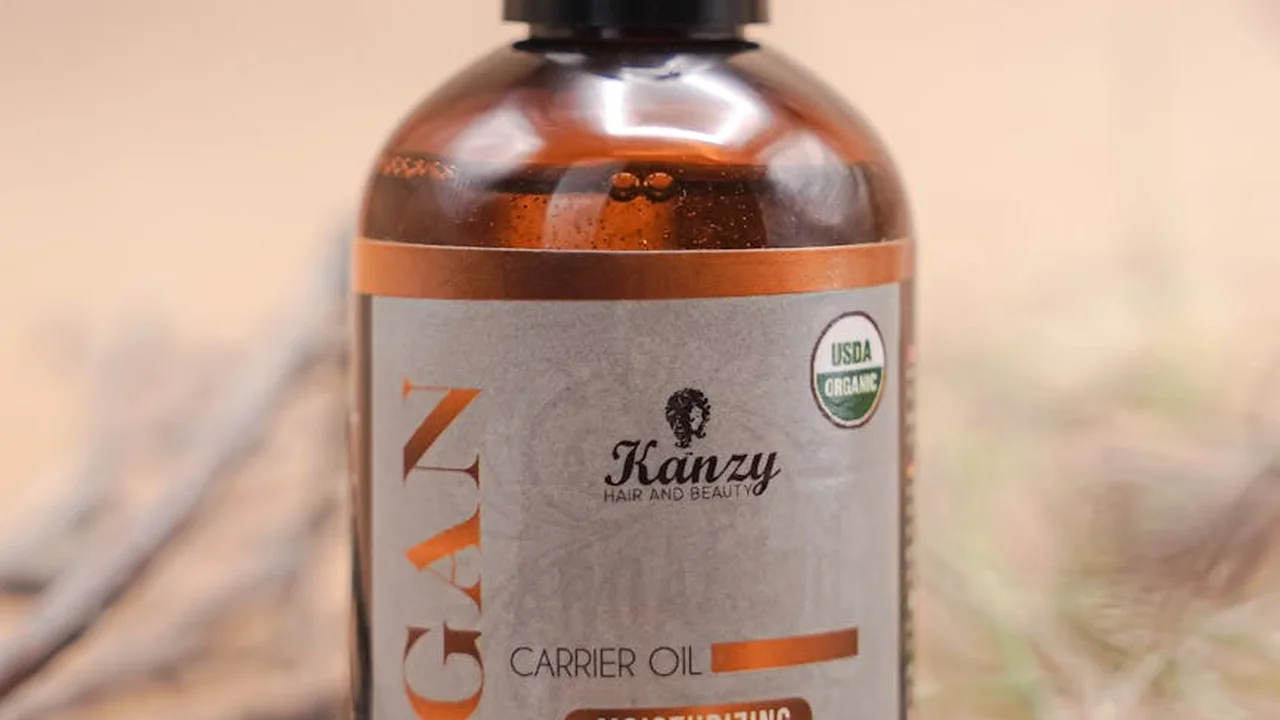
I keep a small bottle of jojoba oil on my shelf just for testing new oils.
Always perform a patch test on a small area like your inner arm or behind your ear before using any oil on your face.
This lets you see how your skin reacts without risking your whole complexion.
Start with one single oil, not a pre-made blend.
It is much easier to pinpoint a reaction when you only introduce one new ingredient at a time.
If your skin is acne-prone, move extra slowly and treat every new oil with respect.
I introduce new oils to my acne-prone clients over weeks, not days.
Remember, a “non-comedogenic” label is a helpful guide from the manufacturer, not a personal guarantee for your unique skin, even if they are botanical or crafted.
The Patch Test: Your Personal Safety Check
Here is my go-to method for a safe, clear patch test.
Follow these steps over 24 to 48 hours.
- Clean a small patch of skin on your inner forearm with mild soap and water. Pat it dry.
- Apply a dime-sized amount of the pure carrier oil you want to test. Do not rinse it off.
- Leave the area alone. Do not cover it with a bandage.
- Check the spot after 24 hours, then again at 48 hours.
You are looking for any new redness, a persistent itch, or small raised bumps.
Any of these signs means this oil might not be a friendly match for your skin right now.
If the skin looks and feels exactly the same as the surrounding area, you have a green light.
For Very Sensitive or Acne-Prone Skin
I take a gentler approach with my most reactive skin clients.
For your first test, try diluting one drop of the new oil into a teaspoon of pure aloe vera gel.
This further buffers the oil and can feel very soothing on testy skin.
Apply this mixture for your patch test instead of the oil alone.
I also recommend keeping a simple skin journal.
Jot down the oil name, date, and any sensations you notice over the test period.
My own notebook has saved me from repeating mistakes with oils that seemed fine at first but caused trouble later.
The Best Non-Comedogenic Oils for Your Face
When you ask for the best non-comedogenic oils for your face, you want a shortlist you can trust. I keep a few of these bottles front and center on my shelf because they work. I’ve arranged them from the most lightweight feel to those with a bit more body, so you can find your perfect match.
1. Jojoba Oil: The Skin Mimicker
This is my desert-island face oil. The reason is simple: jojoba oil is not a true oil but a liquid wax ester that’s structurally very close to our skin’s own sebum. Your skin recognizes it.
It has a light, barely-there texture and a subtle, nutty scent that fades quickly. Because it so closely matches your natural oils, it can help balance skin, signaling oily zones to produce less and helping dry areas feel more comfortable. I use it alone as a cleanser or mix a few drops with my night cream.
2. Grape Seed Oil: The Lightweight Protector
If you fear any greasy feeling, start here. Grape seed oil is incredibly thin and dry, absorbing almost like dry white wine on the palate. It leaves a soft, matte finish.
It has a very mild, clean scent. This oil offers a slight, gentle astringent quality, which is why I often recommend it for those with oily or combination skin. Think of it as a breathable, protective layer that won’t weigh your skin down.
3. Rosehip Seed Oil: The Nourishing Renewer
This oil has a beautiful rich, amber-orange color and a distinct earthy, herbal scent. It feels more nourishing than the first two, with a medium weight that sinks in beautifully.
It’s celebrated for supporting skin renewal and helping to fade the look of marks and uneven tone over time. While it’s richer, it’s still considered non-comedogenic for most people and is my go-to for giving skin a nourished, radiant look. A little goes a long way-just three drops for the whole face.
4. Hemp Seed Oil: The Soothing Balancer
You’ll notice its light green hue and a mild, fresh, grassy aroma. The texture is light and fluid, spreading easily without feeling heavy.
Its magic is in its perfect balance of omega-3 and omega-6 fatty acids. This profile makes it exceptional for calming skin that’s irritated, inflamed, or prone to redness. I reach for it when my skin feels reactive or sensitive, and it always feels like a cool drink of water.
Remember, “non-comedogenic” is a general guide. Your skin is unique. Always patch test a new oil on a small area for a few days. Start with one oil, use just a few drops, and see how your skin responds. These four from my shelf are the most reliable friends I know for keeping skin happy and clear.
Gentle Oils for Your Body and Scalp
Choosing oils for your body and scalp follows a slightly different logic than for your face. The skin on your body is often less prone to congestion, but the rules of non-comedogenic care still matter. You can often use a slightly richer oil on your limbs, but a lightweight touch is still wise for your chest, shoulders, and back where pores can be more reactive.
For your scalp, think of it as an extension of the skin on your face. The goal is hydration and balance, not heavy coating. A healthy, clear scalp is the foundation for everything else, including hair that feels good.
For Your Body: Sunflower and Meadowfoam Seed Oils
When I want a body oil that sinks in fast and leaves no trace, I reach for high-linoleic sunflower seed oil. It feels light as a feather and never leaves a greasy film on my hands or clothes. This is my top pick for summer or for skin that just needs a simple, clean layer of moisture.
For evenings or when my skin feels drier, meadowfoam seed oil is a beautiful choice. Meadowfoam seed oil has a unique, velvety texture that feels supremely moisturizing without being heavy, and it leaves a wonderful softness that lasts all day. I keep a bottle blended with a little lavender on my apothecary shelf for after-shower moisturizing.
For Your Scalp: Lightweight Hydration
Your scalp needs to breathe. For a moisturizing scalp massage, jojoba oil is a star because it so closely mimics our skin’s own sebum. The science of sebum and hair oils is fascinating because it shows how natural oils can balance scalp production. Grapeseed oil is another excellent, light option that won’t weigh hair down. I use just a few drops, warmed between my fingertips, and massage it gently into my scalp before washing.
It is crucial to avoid thick, heavy oils like pure coconut or castor oil for all-over scalp treatments, as they can easily clog hair follicles and lead to buildup. If you love those oils, use them sparingly on just the hair ends.
Many people search for the best non-comedogenic oils for scalp growth. The connection is simple. Hair grows best from a calm, balanced, and healthy scalp environment, which is exactly what these light, non-clogging oils help to support. Focus on scalp health first, and growth often follows naturally.
Blending and Using Non-Comedogenic Oils Safely
These lightweight oils make wonderful bases, or carrier oils, for more potent botanical extracts.
Think of a carrier oil as a gentle vehicle that safely delivers essential oils to your skin.
For facial skincare, a good standard dilution is about 1-2% essential oil, which translates to roughly 6-12 drops per ounce of carrier oil. Essential oil dilution ratios for hair and skin matter, and knowing how to mix them with carrier oils safely is key to effective results.
My own apothecary shelf has a dedicated dropper bottle for each of my favorite carrier oils, ready for blending.
Never apply essential oils directly to your skin. They are highly concentrated and can cause serious irritation or sensitization. Always mix them with carrier oils for safe and effective body treatments.
Always dilute them in a friendly carrier oil like jojoba or squalane first.
To keep your oils fresh and effective, store them in a cool, dark place.
A kitchen cabinet away from the stove or a bedroom drawer works perfectly. Light and heat are the enemies of these precious botanicals.
A Simple Night Serum Formula to Try
This is the kind of simple, soothing blend I make for myself after a long day.
You will need a clean one-ounce glass dropper bottle.
- 1 ounce (30 ml) of jojoba oil
- 5 drops of lavender essential oil
Add the jojoba oil to your bottle. Then, carefully drop in the lavender essential oil.
Cap the bottle and roll it gently between your palms to mix. No need to shake it vigorously.
The scent is softly floral and herbaceous, like a calm garden at dusk.
Apply 3-4 drops to your fingertips and press it gently onto your damp, cleansed face and neck each evening.
The slight dampness helps the oil absorb beautifully, leaving your skin feeling supported and quietly nourished.
Answering Your Questions About Creams and Moisturizers
You might be looking at a jar of moisturizer and wondering if it’s safe for your skin. Let’s clear up some common confusions.
Are all CeraVe products non-comedogenic?
No, not every single one. CeraVe is a great brand known for gentle formulas, but they make many different products. The key is to check each product’s label for the specific “non-comedogenic” claim. I have their lightweight PM Facial Moisturizing Lotion on my shelf, and it’s clearly marked as non-comedogenic and oil-free, which makes it a reliable choice.
Is calendula cream non-comedogenic?
Calendula oil itself is considered non-comedogenic and wonderfully soothing. The answer for a cream, though, depends on the rest of the recipe. A cream labeled “non-comedogenic” that contains calendula is likely a good bet, as the formulator has chosen other ingredients that won’t clog pores. If the label doesn’t say it, the base oils or butters in that particular cream might be heavier.
How to read a moisturizer label
Don’t just glance at the front. Turn the bottle around and get curious about the ingredients.
- First, look for the words “non-comedogenic” on the front or back. This is the brand’s promise to you.
- Then, scan the ingredient list (called the INCI list). Ingredients are in order of concentration. Look for the lightweight oils we talked about-like squalane, hemp seed, or sunflower-to appear high on that list. If you see them, that’s a very good sign.
- If the first ingredient after water is a heavy butter or a thick oil like coconut, that product might feel richer and could be more pore-clogging for some skin types.
It’s about the team, not just one player
Think of a moisturizer like a recipe. One non-comedogenic oil doesn’t guarantee the whole formula is clear. “Non-comedogenic” describes the final, tested mixture of all ingredients working together. A formulator can take a lovely light oil and pair it with heavy waxes or comedogenic emulsifiers, changing how it behaves on your skin.
A simple rule of thumb
When you see a cream or lotion labeled non-comedogenic, you can feel confident. Most of the time, companies achieve this by using the lighter, high-linoleic oils we’ve already discussed as their core oily ingredients. It also helps to know which oils are truly non-comedogenic and won’t clog pores. That way you can pick the best non-comedogenic oils for skincare and cosmetic products that feel light on your skin. They’ve done the testing work so you don’t have to guess. Your job is to find one that also feels beautiful on your skin.
Building Your Routine: When and How to Apply
Using a face oil feels different from a lotion. The ritual matters. I use oils in both my morning and evening routines, but I change my approach slightly for each.
The golden rule is to apply oil to skin that is still slightly damp. Think of your toner, essence, or a simple splash of water. Applying your oil to damp skin helps seal all that hydration in place, like closing a window on a misty morning to keep the room dewy.
You only need a little. I use just two or three drops for my entire face and neck. Pour them into your clean palm, rub your hands together gently to warm the oil, and then press and smooth it onto your skin. Warming it makes it more fluid and welcoming for your skin.
Morning Light Layer
Your morning goal is hydration and protection without heaviness. This is when I reach for my lightest bottle, often grapeseed or a simple jojoba blend.
Apply your light oil as the final step before your sunscreen. Let it sink in for a minute. It should absorb fully, leaving a prepared canvas. This prevents your makeup from slipping and helps your sunscreen form an even shield.
Evening Nourishment
Nighttime is for repair and deeper nourishment. On my shelf, this is when I use a richer oil like rosehip seed or a calming chamomile-infused blend.
The technique changes too. Instead of rubbing, I use a gentle pressing motion to press the oil into my skin. This feels more soothing and helps it absorb without tugging. Your skin does its best restorative work while you sleep, and a good oil supports that process perfectly.
Recommended Types of Non-Comedogenic Products to Look For
Once you know which specific oils to try, the next step is finding them in products you’ll love. My own shelf is a mix of simple, single oils and a few clever blends. Here’s how I categorize what to look for.
100% Pure Plant Oils
This is where I started my journey. A bottle of pure, single-origin oil is a versatile powerhouse. You can use it alone, mix a few drops into your favorite moisturizer, or create custom blends.
Choosing a pure oil means you control every ingredient on your skin, which is perfect for sensitive or reactive complexions.
Look for terms like “cold-pressed,” “unrefined,” or “expeller-pressed” on the label. I keep a small bottle of pure squalane on my bathroom counter for days my skin just needs one simple thing.
Serums with a Non-Comedogenic Oil Base
Many facial serums use lightweight oils as their carrier, or base, to deliver potent ingredients like vitamins and antioxidants. A serum can be a brilliant way to get a double benefit.
Check the ingredient list. You want to see squalane, jojoba, or hemp seed oil near the top, not heavier oils or silicones. The texture should feel like water or slip on without a greasy film.
A well-formulated serum absorbs quickly and layers beautifully under sunscreen or makeup.
Lightweight Moisturizers That List These Oils First
If a cream or lotion is your preference, its ingredient order tells a story. Ingredients are listed from highest to lowest concentration.
When a non-comedogenic oil is in the first five ingredients, it’s a major player in that formula. This often creates a moisturizer that hydrates without suffocating your pores, unlike some comedogenic oils and soaps which can clog pores.
I personally gravitate toward gel-cream textures; they often use squalane for a silky finish that doesn’t feel heavy. A quick scan of the list can save you from a product that feels like it’s just sitting on your skin.
Check for Minimal, Clean Ingredient Lists
Less is usually more, especially when you’re prone to congestion. A long list full of scientific names can hide common cloggers like certain waxes, heavy butters, or comedogenic esters.
I read labels like I read a recipe. If I can’t picture what most ingredients are, I put it back. A short, recognizable list centered around your trusted non-comedogenic oils is a very good sign.
Be a little wary of “natural” fragrances, as citrus oils can be phototoxic and some floral absolutes are quite concentrated.
Oil Blends Marketed for Facial Use
Many brands create pre-mixed facial oils designed for balance. These are a fantastic, no-fuss starting point. They take the guesswork out of dilution and synergy.
Look for blends described as “balancing,” “lightweight,” or “for oily/combination skin.” These are typically formulated with our non-comedogenic friends in mind.
While marketing isn’t everything, a blend made specifically for the face is often a safer first try than a body oil. My first successful facial oil was a simple jojoba and rosehip blend from a local herb shop, and it changed everything for me.
Your Questions, Answered
What are the top non-comedogenic oils I should try first?
For most people, I recommend starting with jojoba oil for its skin-balancing similarity to our own sebum, or grapeseed oil for its exceptionally light, matte finish. Both are versatile stars from my top shelf that set a great foundation for any routine.
Can I use the same oil on my face and body?
You can, especially a light multitasker like high-linoleic sunflower seed oil. For your face, I suggest using lighter oils like those mentioned above, while you can opt for slightly richer textures like meadowfoam seed oil on drier body areas without as much congestion concern.
Which oil is best for acne-prone skin?
Look for oils high in linoleic acid, like hemp seed or grapeseed oil, as they are lightweight and help support a calm, balanced skin barrier. Always patch test first and introduce any new oil slowly to see how your unique skin responds.
Do non-comedogenic oils help with scalp growth?
Healthy hair starts with a healthy scalp, and lightweight oils like jojoba oil can moisturize without clogging follicles, creating a better environment for growth. Avoid heavy, occlusive oils on the scalp itself, as they can lead to buildup and irritation.
How do I use these oils with my retinol or vitamin C serum?
Apply your treatment serum first to clean, dry skin, then follow with a few drops of your non-comedogenic oil to seal in the actives and add hydration. Think of the oil as the supportive last step that helps soothe and nourish.
Nurturing Your Skin’s Natural Balance
The best place to start is with a single, trusted non-comedogenic oil like argan or jojoba. I keep a bottle of each on my shelf for days my skin needs simple, breathable moisture.
I encourage you to try one and see how your skin responds. Trust what you feel, and trust that caring for your skin can be this beautifully straightforward.
Expert Resources and Citations
- The Best Non-Comedogenic Oils For Your Skin | Root Science
- The 7 Best Non-Comedogenic Oils for Skin, According to Derms
- Noncomedogenic Oils: List Of Oils, Effects on Face, and Skin Care
Noemi is an accomplished wellness researcher, nutrition care guide and body care expert. She has years of experience in formulating various oil combinations for full body wellness including face, hair, body care, essential oils and cooking oils. She works as a bio-formulator working with oil chemistry and analyzing the best formulations when it comes to your needs. Feel free to reach out to get your oil needs sorted.