
Will Apricot Kernel Oil Clog Your Pores? Comedogenic Ratings for Clear Skin
Staring at a new bottle of face oil and wondering if it will lead to breakouts is a familiar worry in my apothecary. Choosing the right botanical oil starts with understanding its comedogenic rating, a simple number that predicts its pore-clogging potential.
I’ll explain the comedogenic scale and list the ratings for common oils, so you can build a skincare routine with confidence.
- How the comedogenic rating system actually works
- Where apricot kernel oil lands on the scale
- Low-rated oils I keep on my shelf for sensitive skin
- Oils to use sparingly or avoid if you’re prone to congestion
Key Takeaways
Apricot kernel oil has a comedogenic rating of 2. This low number means it’s considered unlikely to clog pores for most people, which is why I keep a bottle in my apothecary for daily, light moisturizing. It absorbs quickly with a soft, almost velvety texture.
Think of comedogenic ratings as a helpful starting guide, not an absolute law. Your unique skin chemistry is the final judge, so a personal patch test is the most important step before using any new oil. I’ve seen ratings surprise people, both good and bad, especially when it comes to cosmetic oil ingredients.
If you have oily or acne-prone skin, you have options. Light botanical oils like jojoba (which mimics your skin’s own oil) and grapeseed are fantastic, non-greasy choices I often use in blends. They can actually help balance your skin. If you’re wondering whether these are among the best non comedogenic skincare products for oily, acne-prone skin, this approach often fits well. It helps keep pores clear without adding excess oil.

Your application technique is just as critical as the oil’s rating. Using oils as a cleanser to dissolve grime or applying just a few drops to damp skin can prevent any feeling of heaviness or pore-clogging. I rarely use oils neat on my face; a light layer is key.
What Does “Comedogenic” Really Mean for Your Skin?
Comedogenic is a technical word for a simple idea. It describes how likely an ingredient is to plug up your pores and potentially lead to blackheads or pimples. A high comedogenic rating signals a higher risk.
The rating scale goes from 0 to 5. I explain it like a traffic light: 0 or 1 is a green light (very unlikely to clog), 2 or 3 is a yellow light (proceed with caution), and 4 or 5 is a red light (high risk for clogging). Most daily-use oils fall in the green or yellow zones.
It’s good to know where these numbers come from. They often originate from older lab studies on rabbit ears, which are more sensitive than human facial skin. Your skin on your cheeks may react very differently than a rabbit’s ear in a 1970s test.
Oils are just one piece of the puzzle. Factors like hormones, diet, stress, and the other products in your routine can be major players in breakouts. When a client has skin troubles, I look at their whole lifestyle, not just their oil bottle.
Apricot Kernel Oil: Your Skin’s Lightweight Partner
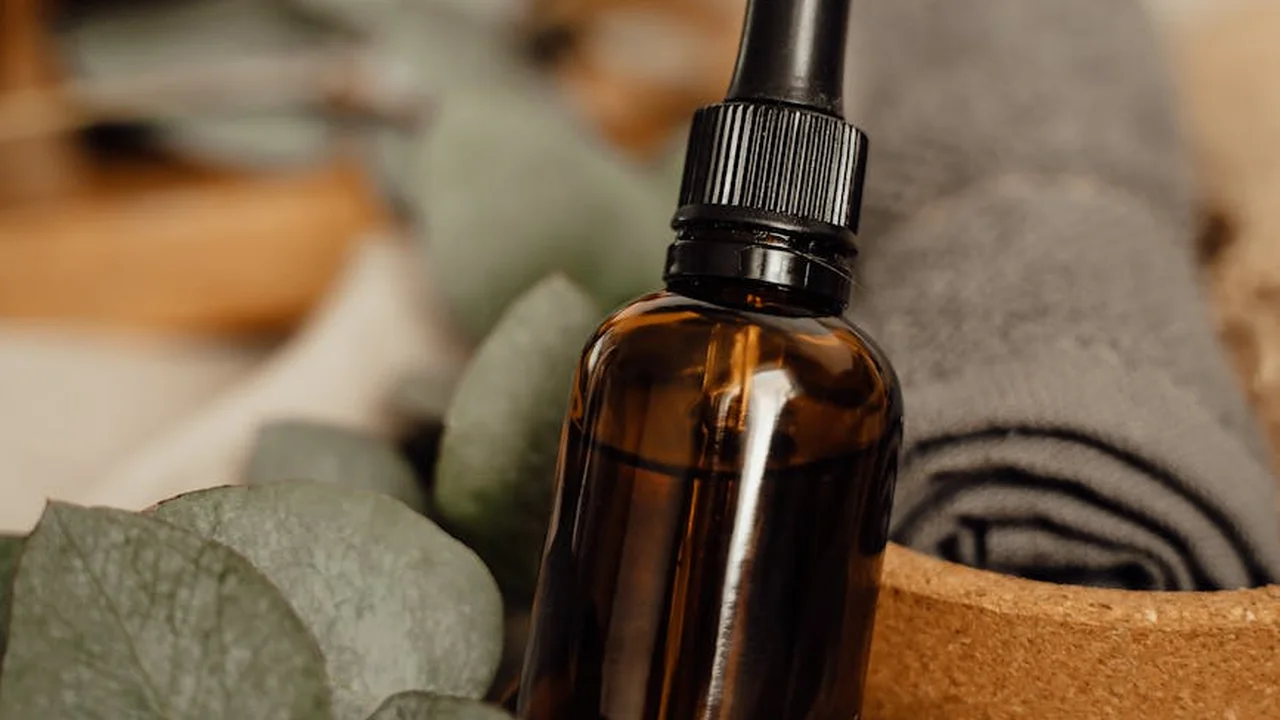
This oil is pressed from the kernels of apricots. It has a light, almost silky texture that sinks right in. I often describe it as a lighter cousin of almond oil, feeling similar but more fluid and less likely to sit on the skin.
Apricot kernel oil has a comedogenic rating of 2. This places it in the low-to-moderate range for clogging pores. Understanding these ratings helps you compare other carrier oils when creating blends. You can explore which carrier oils are comedogenic, as well as essential oils, and how that affects pore clogging.
A rating of 2 is generally safe for most people, especially those with normal, dry, or combination skin. You should use caution if your skin is very oily or severely acne-prone, as it could contribute to congestion.
For acne-prone skin, its rating of 2 is often balanced by its high linoleic acid content, which can help regulate oil. For oily skin, its lightweight nature makes it a candidate, but always patch test first. For wrinkles, this rating means it can deliver vitamins without typically feeling heavy or greasy.
The Surprising Benefits of a Rating of 2
A rating of 2 does not mean an oil is bad. For apricot kernel oil, it means it can offer nourishment without overwhelming your skin. Here is what it brings to your routine.
- Rich in Vitamins: It is packed with vitamins A and E. Vitamin A supports skin cell renewal, which is a plus for addressing fine lines.
- Lightly Moisturizing: It hydrates without a heavy, greasy finish. This makes it a great fit for daily use on the face and body.
- Soothing: The oil has a gentle, calming effect on the skin. It can soften and comfort areas that feel irritated or dry.
- Gentle Makeup Remover: Its light texture effectively dissolves makeup and sunscreen without a harsh tug on your skin.
I keep a bottle by the sink for a 60-second facial massage before cleansing. It’s a simple way to pamper my skin and lift away the day.
How to Use Apricot Kernel Oil Without Clogging Pores
The key is how you apply it. Smart use makes all the difference for keeping your skin clear and happy.
Always, always perform a patch test first. This is your best defense against a bad reaction. Follow these steps.
- Wash and dry a small area of skin, like behind your ear or on your inner arm.
- Apply a dime-sized amount of pure apricot kernel oil.
- Wait for 24 to 48 hours.
- Check for any redness, itching, or new bumps. If your skin is clear, you can likely use it on your face.
If the patch test goes well, here are my favorite ways to use it.
- As a Cleansing Oil: Massage a quarter-sized amount onto dry skin for one minute. Then, emulsify with water and rinse. It lifts dirt and makeup beautifully.
- Mixed with a Moisturizer: Add two or three drops to your palm with your usual lotion. Mix them together and then apply. This dilutes the oil for lighter hydration.
- Applied to Damp Skin: After washing, pat your face until it’s slightly wet. Press a few drops of oil into your skin. This helps seal in moisture.
If you have oily skin, avoid using it too heavily. Do not layer it under rich, occlusive creams, as this can trap the oil and lead to clogged pores.
Apply apricot kernel oil early in your routine, right after cleansing or toning. Using it on clean, preferably damp, skin allows it to absorb properly before you add any other products.
| Oil | Typical Comedogenic Rating | Quick Profile & Best For |
|---|---|---|
| Jojoba Oil | 2 | Not a true oil but a liquid wax ester that closely mimics skin’s natural sebum. It feels light and balancing. |
| Grapeseed Oil | 1 | This oil has a dry, matte finish. I use it in my summer serum blends for its gentle astringent quality. |
| Sunflower Oil (High Linoleic) | 0-2 | A light, affordable workhorse. It soothes and supports the skin barrier without feeling greasy. |
| Safflower Oil (High Linoleic) | 0 | Extremely light and fast-absorbing. It’s a fantastic, non-pore-clogging base for almost any skin type. |
The feel of an oil on your skin often tells you more than its number. If it sinks in quickly and leaves no heavy film, it’s usually a safe bet for finicky pores.
Nourishing Mid-Weights (Comedogenic Rating: 2-3)
These oils bring more rich nourishment to the table. They have a bit more body, which makes them perfect for skin that needs deeper hydration or has lost some of its natural plumpness.
| Oil | Typical Comedogenic Rating | Quick Profile & Best For |
|---|---|---|
| Sweet Almond Oil | 2 | This is a classic, slightly nutty oil with a soft, silky feel. It’s wonderful for gentle massage and calming normal to dry skin. |
| Argan Oil | 0-2 | Rich in vitamin E, it absorbs surprisingly well for its golden color. I reach for it when my skin feels parched or looks dull. |
| Borage Seed Oil | 2-3 | This is a specialist, not a daily moisturizer. It’s incredibly high in GLA for calming inflammation. I add a few drops to a carrier oil for targeted support. |
Mid-weight oils are my go-to for nighttime routines or for giving normal, dry, or mature skin a comforting glow. They feel like a treat without being overwhelming.
Oils to Use with Caution on the Face (Higher Comedogenic Rating: 4-5)
This is where personal experience really matters. Many of these are fantastic oils, but their molecular structure makes them more likely to sit heavily in facial pores.
| Oil | Typical Comedogenic Rating | Quick Profile & Best Use |
|---|---|---|
| Coconut Oil | 4 | A solid favorite, but not for most faces. It’s a supreme body moisturizer, hair mask, and makeup remover for resilient skin. |
| Wheat Germ Oil | 5 | Extremely rich and thick. I use a tiny amount in body balms for its vitamin E punch, but I keep it far from my face. |
| Cocoa Butter | 4 | A wonderful, occlusive butter for healing very dry skin on elbows and feet. On the face, it can easily lead to clogged pores. |
These heavier oils have important roles in body and hair care, just not typically as a facial moisturizer. If your facial skin tolerates coconut oil, that’s great, but many find it causes breakouts.
Two other common questions come up here. Is canola oil comedogenic? Yes, it typically has a rating of 4-5. It’s a food-grade oil, not one I recommend for skin care due to its processing and high likelihood of clogging pores.
Is carrot seed oil comedogenic? This needs a crucial distinction. Carrot seed *essential oil* (highly concentrated) is not rated. The *carrier oil*-often called carrot seed infusion or carrot root oil-is typically made by infusing roots in a base oil and can have a high comedogenic rating based on that base. I use the essential oil sparingly in blends for its earthy scent, not as a primary facial moisturizer.
Choosing Your Oil Based on Your Skin Type
Let’s move from theory to practice. A rating is just a number until you see how it works with your unique skin. Here is my personal, hands-on guidance for different skin types.
If You Have Oily or Acne-Prone Skin
I understand the hesitation. Putting oil on oily skin feels counterintuitive, but the right oils can actually help. Your best friends are oils with a comedogenic rating of 0 to 2.
Hemp seed and grapeseed oil are staples on my shelf for this. They feel light, absorb quickly, and won’t sit heavily on your skin.
I often recommend using these oils as a cleanser first, not a moisturizer.
This is the oil cleansing method. Massage a light oil onto dry skin to dissolve sebum and sunscreen, then wipe it away with a warm, damp cloth. It cleans without stripping.
Keep your routine simple. After cleansing, you might find you need no moisturizer at all, or just a single drop of oil patted onto damp skin.
If You Have Dry or Mature Skin
Your skin will thank you for richer oils. You can tolerate and truly benefit from oils with ratings of 2 or 3.
Think of oils like apricot kernel or even a little rosehip seed oil. They offer a silky slip and deliver deep nourishment.
My favorite trick for sealing in moisture is to layer. Apply a light layer of your facial oil to damp skin, then follow with your regular cream or a richer balm.
This sandwich technique locks hydration in place for hours, which is exactly what dry skin craves.
If You Have Combination or Sensitive Skin
This requires a bit of a targeted approach. You get to play zone defense with your skincare.
Focus lightweight oils only on areas that feel dry or tight, like your cheeks and neck. Often, your T-zone won’t need any extra oil at all.
This is where a gentle, high-linoleic oil like apricot kernel shines as a starting point. It’s typically well-tolerated and soothing.
Always, always patch test a new oil for a few days before using it on your full face.
I test everything on the inside of my forearm. Your face is more sensitive, so this simple step saves a lot of potential trouble.
Beyond the Rating: Smart Practices for Clear Skin
Knowing a number is a great start. But using that knowledge well is what makes the difference.
Here’s how I work with oils to support clear, happy skin without guesswork.
The Non-Negotiables: Patch Testing and Dilution
Even a 0-rated oil can cause a reaction on your unique skin. Skipping a patch test is a gamble I never take.
A simple patch test is the single most important step before using any new botanical oil on your face. I do this for every new bottle that comes onto my apothecary shelf.
Here’s my foolproof method.
- Mix a tiny drop of the new oil with a bit of a carrier oil you already trust, like jojoba.
- Apply this blend to a discreet patch of skin. I use the inside of my elbow or behind my ear.
- Leave it alone for 24-48 hours. No washing that spot.
- Watch for any redness, itching, bumps, or swelling. If nothing happens, you’re likely good to go.
Patience is your friend here. A reaction can sometimes be delayed.
Dilution is your other best friend, especially with potent essential oils. For instance, carrot seed essential oil is wonderful, but it’s far too strong to use neat.
Always dilute essential oils in a carrier oil before applying them to your skin to avoid irritation or sensitization. I keep a small bottle of pre-diluted carrot seed oil (just a few drops in an ounce of apricot kernel oil) ready for my evening routine. Knowing the correct dilution ratios is crucial for ensuring safety and effectiveness.
Reading Your Product Labels Like a Pro
When you buy a product that lists an oil, you need to know its real role.
Look for your chosen botanical oil, like apricot kernel, high in the ingredient list (ideally within the first five). Ingredients are listed in order of concentration. If it’s last, you’re getting just a whisper.
Be wary of the term “non-comedogenic” on a bottle. It sounds official, but it’s not a regulated guarantee.
“Non-comedogenic” is a marketing term, not a standardized claim backed by consistent testing. A company can put it on any formula. Trust the ingredient list more than this phrase.
Finally, scan the entire list. A product might feature a lovely low-rated oil at the top but contain common pore-cloggers further down. To steer your picks, look for non comedogenic oils that won’t clog pores. They help you find skincare that stays clear without sacrificing nourishment.
Check for heavier ingredients like certain silicones (ending in -cone or -xane) and waxes further down the list, as they can congest some skin types. I’ve seen many moisturizers with a great first oil undermined by comedogenic fillers.
Straight Talk on Specific Oils: Myths and Facts
Let’s get clear on a few oils that often cause confusion. I keep these notes in my own formulation journal.
Is Black Seed Oil Comedogenic?
Black seed oil typically has a comedogenic rating of 2 to 3. This means it can clog pores for some people if used heavily or undiluted.
I love this dark, pungent oil for its potent properties, but I treat it like a powerful herbal extract. I would never use it neat all over my face as a daily moisturizer. Instead, I use a single drop diluted in a light carrier oil for targeted care, or mix it into a face mask for a short treatment.
Its strength is better suited for supporting overall wellness or for occasional, focused skin support.
Can Jojoba Oil Actually Unclog Pores?
This is a popular theory because jojoba is a liquid wax ester, very similar to our skin’s own sebum. The idea is that it can “trick” your skin into producing less oil, potentially helping pores clear out. People also wonder about the best uses of jojoba oil for the face, hair, and scalp. It can act as a lightweight moisturizer for the skin and a conditioning option for hair and scalp, depending on your routine.
In my experience, jojoba is a brilliant, lightweight moisturizer for many. Whether it unclogs pores is deeply personal and depends on your unique skin chemistry. For some, it balances everything beautifully. For others, it just sits on top of the skin. Understanding its comedogenic potential across different skin types can help you decide if it’s right for you. I’ll dive into how pore-clogging risk varies with skin type in the next part.
If you want to test it, try a few drops on a clean jawline for a week. Watch how your skin responds. It’s a staple on my shelf, but it’s not a guaranteed pore solution for everyone.
The Truth About Coconut Oil and Acne
We have to be direct here. Fractionated or virgin, coconut oil has a high comedogenic rating of 4. It is very likely to clog pores for many people, especially on the face.
I do not recommend coconut oil for facial acne-prone skin, period. Some people also use coconut oil as a facial moisturizer cleanser, especially on drier or non-acne-prone skin. It remains fantastic for cooking, hair conditioning, or as a body butter for rough elbows and feet. The skin on our body is generally less prone to clogging.
Also, remember that eating coconut oil is different from putting it on your skin. Dietary fats work internally and don’t directly cause topical acne in the same way.
Your Personal Oil Exploration: A Final Thought
Think of comedogenic ratings as a reliable map, drawn from good science and observation.
Your own skin, with its unique texture and history, is the actual territory you are exploring. A rating can point you toward a promising path, but only your experience tells you if the road is clear.
I keep several oils with different ratings on my shelf because my skin’s needs change with the seasons, my stress levels, and even my diet.
Start Small and Take Notes
My best advice is to begin with the smallest bottle you can find. A one-ounce bottle of apricot kernel or jojoba oil can last for many tests.
Pair your new oil with a simple skin journal-just a few notes in your phone or on a scrap of paper make all the difference.
Try this approach for two weeks:
- Apply a few drops of the new oil to clean, damp skin on one area (like your cheek or jawline).
- Note the date, the oil, and how your skin feels right away (e.g., “light, absorbs fast”).
- Check in the next morning. Write one word: “clear,” “soft,” or “congested.”
This simple record turns guesswork into knowledge. You might find that a “2” rated oil feels perfect for you, while a “0” rated oil somehow doesn’t agree.
Curiosity, Meet Care
The world of botanical oils is a generous one, full of textures and scents that can truly nurture your skin.
I invite you to approach it with a curious mind and a careful hand. Listen to what your skin tells you more than what any chart dictates.
On my own shelf, apricot kernel oil sits right next to thicker shea butter. I use them for different reasons, on different days. Your perfect combination is waiting for you to find it, one small bottle at a time.
Your Questions, Gently Answered
Do dermatologists trust comedogenic ratings for oils like apricot kernel?
Many dermatologists see ratings as a helpful initial filter but stress they are not an absolute law for your skin. Your personal reaction, which is why they always recommend a patch test, is the most critical factor.
I see conflicting reports on Reddit-some say apricot oil broke them out, others swear by it. Who’s right?
Both experiences can be valid, which perfectly illustrates that your unique skin chemistry is the final judge. A rating of 2 suggests low risk for most, but individual sensitivity varies, making a personal patch test your most reliable guide.
Can apricot kernel oil help with wrinkles if it has a comedogenic rating of 2?
Absolutely. Its rating means it can deliver wrinkle-fighting vitamins A and E effectively without typically feeling heavy or greasy. Its high linoleic acid content supports skin barrier health, which is foundational for maintaining a plump, youthful appearance.
Final Thoughts on Your Skin’s Oil Journey
Let a oil’s comedogenic rating be your starting map, but your own skin’s reaction is the true territory. I always recommend pairing this knowledge with a simple patch test-it turns guesswork into a confident first step.
I share more from my apothecary shelf on the Botanical Oils blog, where we explore oils for every part of life. Trust this guidance, then trust yourself as you blend these botanicals into your daily care.
Industry References
- Apricot Kernel Oil – Soapers Supplies
- Major Beauty Benefits of Apricot Oil – Puristry
- Apricot Oil For Skincare – Skincare Ingredient | Epicuren Blog
Noemi is an accomplished wellness researcher, nutrition care guide and body care expert. She has years of experience in formulating various oil combinations for full body wellness including face, hair, body care, essential oils and cooking oils. She works as a bio-formulator working with oil chemistry and analyzing the best formulations when it comes to your needs. Feel free to reach out to get your oil needs sorted.