
How Many Drops of Essential Oil Belong in Your Diffuser?
Staring at your diffuser, wondering if ten drops is too much or too little? I’ve sorted this out for my own home, and I’m here to share the simple, reassuring ratios that work.
My biggest piece of advice is to start low-you can always add another drop, but you can’t take it out. Here’s exactly what we’ll cover:
- The foundational water-to-oil ratio I use in my ultrasonic diffuser.
- How to adjust for room size, from a cozy bedroom to an open living area.
- Why your diffuser type changes the math, and what to do about it.
- My safety checklist for homes with kids, pets, or sensitive noses.
The Essential Oil Diffuser Ratio Quick Snapshot
Let’s clear up the numbers first. I keep this little cheat sheet taped inside my apothecary cabinet because it’s easy to forget.
Your diffuser type is the biggest factor in how much oil to use. Most of us have ultrasonic diffusers, so we’ll start there. If you’re wondering how to choose the best essential oil diffuser for your home, the next steps will guide you.
| Diffuser Type | Typical Water Capacity | Standard Drop Range | Special Notes |
|---|---|---|---|
| Ultrasonic (Most Common) | 100ml – 500ml | 3-10 drops total | Uses water. The mist carries both water and oil. Start with fewer drops in smaller units. |
| Nebulizing (No Water) | N/A | See device manual | Diffuses pure oil in short bursts. Potent and direct. Use for shorter intervals, often 15-30 minutes. |
| Heat / Evaporative | N/A or small pad | 1-3 drops | Gentle, passive diffusion. No water dilution means the aroma is subtler but purer. |
So, for that common question: in a standard 100ml ultrasonic diffuser, I typically recommend starting with 3 to 5 drops of oil. It’s essential to ensure the oils are compatible with your ultrasonic diffuser to avoid any damage.
My own 200ml bedroom diffuser gets 4 to 6 drops, never more. It’s plenty.
Finding Your Perfect Scent Strength: Room Size and Personal Preference
The numbers on the chart are your foundation. Now, we build your personal recipe on top of that.
Think of your diffuser like a speaker. A small speaker in a closet is loud. That same speaker in a gymnasium gets lost.
For a cozy space like a home office or bedroom, stick to the lower end of the drop range for your diffuser’s size.
In my own small office, I use a 100ml diffuser with just 3 drops of lavender. It creates a soft, comforting cloud. Lavender is one of the best scents for focus and reducing stress at work.
For a large, open living area or kitchen, you can move toward the middle or higher end of the range.
You might use 6-8 drops in a 300ml diffuser placed centrally. The goal is a gentle background scent, not an overwhelming wave.
Your nose is the ultimate guide. Some people adore a strong aromatic presence. Others, or pets in the home, can be very sensitive.
I always add oils one drop at a time. You can add more later. You can’t take it out once it’s misting.
Oil potency varies wildly. A single drop of peppermint or eucalyptus radiates much farther than a drop of sweet orange.
For those sharper, cooler oils, I often halve my usual number of drops. For softer citrus or floral notes, I might use the full amount.
It’s a conversation between you, the oil, and the room. Start quiet. You can always turn up the volume.
The Safe Circle: Diffusing Around Children, Pets, and Sensitive People
What is a safe ratio for diffusing oils around children or pets? My rule is simple and firm.
Start with half the standard adult dosage, or even less.
When little lungs or sensitive systems are involved, less is always, always more. Think of it like seasoning a family meal-you can always add a pinch more, but you can’t take it out once it’s in the air.
Gentle Oils for Gentle Spaces
For children, I stick to a short list of mild oils known for their calming, gentle nature.
- Lavender: A classic for a reason. Its soft, floral-herbal scent is wonderfully soothing.
- Mandarin or Sweet Orange: These citrus oils are bright and cheerful, without the sharpness of some others.
- Frankincense: I keep a small bottle of this on my apothecary shelf for creating a deeply peaceful atmosphere.
A Critical Note on Pets
Cats process oils very differently than we do. Oils high in phenols, like tea tree, oregano, and wintergreen, should never be diffused around cats. Their livers cannot metabolize these compounds effectively. For a complete safety guide on tea tree oil safety for cats and other pets, pet owners should consult trusted resources. This resource helps ensure safe use and quick action if exposure occurs.
For all pets, provide an easy escape route from the scented room. If they leave, let them.
The Non-Negotiables: Time and Air
The safest practice isn’t just about what you diffuse, but how you diffuse it. I follow two unbreakable rules in my own home.
First, diffuse intermittently. I set a timer for 30 minutes on, then give the air a break for at least 60 minutes. This prevents the aroma compounds from building up.
Second, always ensure the room is well-ventilated. A cracked window makes all the difference, allowing fresh air to cycle through. This practice respects everyone’s space, quietly supporting wellness without overwhelming it.
How Long Should Your Diffuser Run? Timing for Wellness and Atmosphere
With a standard dosage of 3-5 drops, I find 30 to 60 minutes is the sweet spot for most rooms.
This timeframe fills the space with a noticeable, pleasant aroma without becoming overwhelming.
That half-hour to an hour is usually perfect for shifting your mood or creating a calming evening ritual.
Think about your goal. Are you setting a momentary ambiance for reading or a meal? A short, 20-minute burst might be all you need.
For supporting clear breathing overnight, a different approach works. I use a diffuser with an intermittent setting and a single drop of a gentle oil like cedarwood or lavender.
For overnight use, less is always more-both in oil quantity and diffusion time.
Your body needs a break from constant scent. Just like you wouldn’t play loud music non-stop, don’t run your diffuser all day.
Continuous diffusion can lead to what we call olfactory fatigue, where you stop noticing the scent. Worse, it can increase your risk of developing a sensitivity to those lovely oils.
I run mine for an hour, then give the air-and my nose-a two-hour rest. It keeps the experience fresh and effective.
Common Mistakes and How to Avoid Them
Can you use too much oil? Absolutely. I’ve done it, and the results aren’t pleasant.
Overdoing it can cause headaches, mild nausea, or just an oppressive scent that chases you from the room.
Excess oil also leaves a sticky residue inside your diffuser, which is difficult to clean and maintain. For maximum scent, regular maintenance is key. A quick wipe and a deeper clean periodically keep the mechanism running smoothly and the fragrance strong.
Always add oils to the water in your ultrasonic diffuser, never directly to the dry well. Those devices are designed to vibrate water.
Putting in undiluted oil can damage the ceramic disc. I keep a small glass dropper by my diffuser to make this step easy and precise.
Please clean your diffuser. I do mine every few uses with a little white vinegar and a soft cloth.
Old oil residue will turn rancid and taint your next beautiful blend. A clean diffuser works better and lasts longer.
Finally, “natural” does not automatically mean “safe for unlimited use.” Some oils are very potent.
I love peppermint, but diffusing it heavily for hours could irritate your airways. Respect the power of these plant concentrates.
Start low, go slow, and listen to what your body tells you. That’s the best rule for any botanical practice.
Crafting Blends for Your Day: Simple Ratios for Wellness and Home
Knowing the safe number of drops is one thing. Using them to craft the atmosphere you want is where the real magic happens.
Think of your diffuser as a tool for your daily rhythm. Here are a few simple, safe blends I use regularly in my own home.
For a Peaceful Sleep
Nighttime blends should feel like a gentle, calming exhale. I keep a small amber bottle of this first blend right on my nightstand.
- The Classic Comfort: Add 3 drops of Lavender and 2 drops of Cedarwood to your diffuser’s water. Lavender soothes the mind, while Cedarwood adds a warm, woody blanket of scent that feels grounding.
- The Deep Rest Helper: Try 2 drops of Lavender, 2 drops of Frankincense, and 1 drop of Vetiver. Frankincense encourages deep, even breathing, and that single drop of earthy Vetiver is a powerful anchor for restless thoughts.
Diffuse this blend in your bedroom about 30 minutes before you plan to sleep to let the aroma settle in.
For Clear Focus
When you need mental clarity, you want scents that are bright, clean, and penetrating. Citrus and herbal notes are perfect here.
- The Herbal Lift: Use 2 drops of Rosemary and 3 drops of Lemon. Rosemary has a crisp, clarifying scent that many associate with memory, while Lemon provides a sunny brightness.
- The Clean Slate: Combine 2 drops of Peppermint, 2 drops of Sweet Orange, and 1 drop of Rosemary. This is my go-to for afternoon slumps. The Peppermint offers a cooling alertness without being harsh.
I run a focus blend in my home office while working; it creates a distinct “time to think” signal for my brain.
For Simple Home Freshening
You don’t always need a complex recipe. For a naturally fresh home, citrus oils are wonderfully effective and generally very safe.
- The Pure Sunshine: Simply add 4 drops of Sweet Orange oil. It smells clean and happy, great for kitchens or living areas.
- The Citrus Grove: Mix 2 drops of Grapefruit, 1 drop of Lime, and 1 drop of Bergamot (for a total of 4 drops). This blend has depth and vibrancy, cutting through cooking odors beautifully.
- The Simple Clean: 3 drops of Lemon and 1 drop of Tea Tree. Tea Tree adds a crisp, cleansing note that complements Lemon’s cheer.
These fresh blends are perfect for a quick 30-minute diffusion in a common area to reset the air.
Your Scent, Your Preference
Blending is a personal art. The “recipes” above are just friendly starting points.
If you love the sleep blend but wish it was a little sweeter, try swapping the Cedarwood for a drop of sweet Orange. If the focus blend feels too sharp, one less drop of Peppermint might be perfect for you.
The key is to experiment freely, but always stay within that safe total of 3-5 drops in your diffuser’s water tank. Your nose is your best guide. What smells inviting and supportive to you is the right blend for your space.
Other Options When You Don’t Have a Diffuser
A diffuser is a wonderful tool, but you don’t need a special device to enjoy aromatic oils.
Some of my most effective moments come from the simplest methods in my own home.
Making a personal inhaler is one of my favorite on-the-go tricks. You just need a small glass bottle or an empty essential oil inhaler tube. Drop 2 to 4 drops of your chosen oil onto the cotton wick inside, then snap the cap on. I keep a peppermint one in my bag for a quick, clarifying breath during a long day.
The classic bowl of steaming water is a timeless solution. Boil water, pour it into a heat-safe bowl, and add just 1 to 3 drops of oil. I often do this with eucalyptus when someone in the house feels stuffy. However, it’s just one method among many to use essential oils for purifying air and enhancing various environments.
Remember to place the bowl on a stable surface and keep your face at least a foot away from the gentle steam, closing your eyes to protect them.
For a slow, continuous release, try a cotton ball. Place a single drop of a calming oil like lavender on a cotton ball and set it on a shelf or near a room air vent. In the car, I sometimes tuck one into the cup holder.
The warmth helps the scent unfold without being overwhelming for the small space.
These alternative methods are more direct than a water-based diffuser. You will typically use far fewer drops because the aroma isn’t being diluted and dispersed by a mist over a large area. Start with one drop. You can always add another if you need more, but you can’t take it away once it’s in the air. Knowing the number of drops in a milliliter can help you measure more precisely.
Your Diffuser Questions, Answered Simply
What’s a good, simple ratio to remember for my ultrasonic diffuser?
For a standard 100ml ultrasonic diffuser, a perfect starting point is 3 to 5 drops of essential oil total. This creates a noticeable yet gentle aroma without overwhelming your space or your diffuser.
How do I adjust for a very small room versus a large, open one?
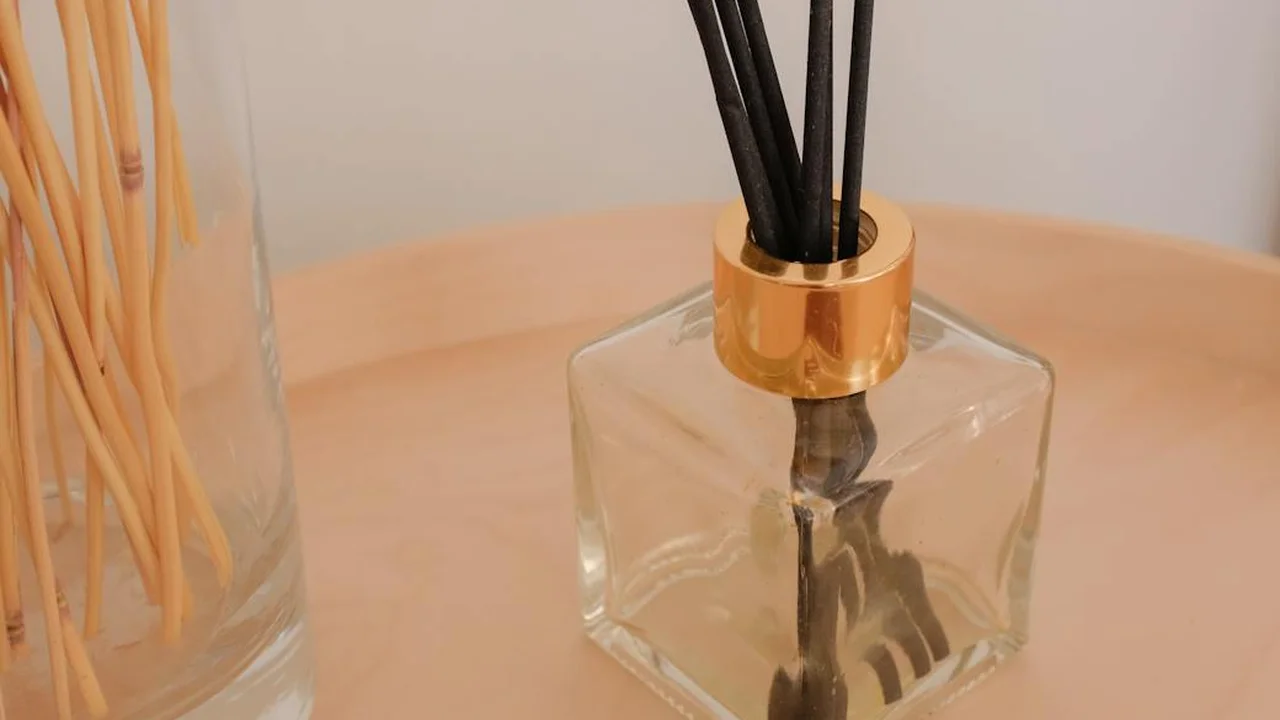
In a small room, use the lowest suggested drops (like 3 for 100ml) to prevent the scent from becoming too intense. For a large space, you can use the higher end of the range and ensure your diffuser has an adequate water capacity for the area. Additionally, you can explore essential oils with diffusers, diffuser reeds, or diffuser sticks, including tea tree oil as an alternative method.
What does “safe diffusing” really mean for my family?
Safe diffusing means using milder oils, drastically reduced amounts (often half the adult dosage), ensuring excellent ventilation, and always providing pets with an easy way to leave the scented room. Their comfort and safety are the ultimate guides.
What actually happens if I use too much oil?
Using excessive oil can lead to headaches, respiratory irritation, and a sticky residue that clogs your diffuser. More is not better-a subtle scent is both more pleasant and more effective for sustained wellness.
Is the oil ratio different for a nebulizing diffuser?
Yes, completely. Nebulizers diffuse pure oil without water, so they are far more potent. Always follow your device’s manual and use them for short intervals, typically 15-30 minutes at a time, in a well-ventilated space.
Stewarding Your Scented Space
Your most reliable rule is to begin with less oil than you think you need. This simple habit creates a foundation of safety and lets you gently discover what truly works for your home and wellbeing.
I hope you feel empowered to trust your own senses as you experiment. You can always return here for straightforward, trusted advice on using botanical oils for your body, skin, hair, and every corner of your life.
Expert Resources and Citations
- Ultrasonic Diffuser Drops – Custom Scent | The Aroma Labs
- How Many Drops of Essential Oil in a Diffuser? US Tips for Balanced Aromatherapy – Dukhni – Islamic Scents of Arabia الروائح الإسلامية العربية (USA)
- Diffuser Oil Drops
- What are the consequences of putting too many drops of essential oils into a diffuser or humidifier at once? How can this be avoided in the future? – Quora
Noemi Kamińska
Noemi is an accomplished wellness researcher, nutrition care guide and body care expert. She has years of experience in formulating various oil combinations for full body wellness including face, hair, body care, essential oils and cooking oils. She works as a bio-formulator working with oil chemistry and analyzing the best formulations when it comes to your needs. Feel free to reach out to get your oil needs sorted.