
What Is the Best Oil for Seasoning Cast Iron Cookware? (Avocado Oil vs. Other Options)
I see you there, eyeing your skillet and the bottle of avocado oil, wondering if it’s the right move. Let me share from my own kitchen: the “best” oil isn’t a single winner, but a choice based on how you cook and care for your pan.
I’ll cut through the confusion and show you how avocado oil compares to the other bottles in my pantry.
- Why smoke point matters most for seasoning
- A direct look at avocado oil’s pros and cons
- My go-to alternatives and when I use them
- My simple, reliable method for seasoning any cast iron
Why Your Cast Iron Pan Craves a Good Seasoning
Seasoning your cast iron is a lot like caring for a cherished wooden cutting board. You apply oil, and with a little warmth, it transforms. The oil doesn’t just sit on the surface. It bakes into the pores of the iron, building up a smooth, protective polymer layer with each application.
I love watching the change. That bare, gray metal takes on a deeper color, first amber then a rich black, until it has a glossy, almost glass-like finish. Running your fingers over a well-seasoned pan feels satiny, not sticky. This hardened layer is what gives cast iron its legendary non-stick superpowers.
Beyond the cooking joy, this layer is vital armor. It seals the iron away from air and moisture, which stops rust in its tracks. A well-loved skillet from my own shelf still looks new because of this simple, regular care.
The Botany of a Perfect Seasoning Oil: It’s All About Chemistry
Choosing an oil isn’t just about what’s in your cabinet. It’s about two simple botanical facts: smoke point and fatty acid composition. Get these right, and you build a tough, slick coating.
Think of oil polymerization like how some plant resins harden. Pine sap, for instance, starts gooey but cures into solid amber over time. Heat does the same thing to certain oils on your pan, turning them from liquid into a solid, bonded film.
For seasoning, you generally want an oil with a high smoke point and a high amount of unsaturated fats. The high smoke point lets you apply enough heat without burning. The unsaturated fats are eager to link up and form that strong, cross-linked polymer we’re after.
Understanding Smoke Point: Finding the Sweet Spot
A smoke point is simply the temperature where an oil starts to smoke and break down. You’ll see wisps and smell an acrid, burnt odor. For seasoning, hitting just below this point is perfect. Going far past it is a problem, as it causes oil to break down and degrade.
When oil burns, it can leave behind a tacky, uneven film or even a layer of carbon soot. You want a clean polymerization, not a smoky kitchen and a messy pan.
This is where a common question fits: should you apply oil before or after heating the pan? I always warm my pan first, just until it’s comfortable to touch. A warm surface helps the oil spread into a microscopically thin layer, which is key for a hard, smooth finish.
Fatty Acids: The Building Blocks of Your Seasoning Layer
Fatty acids are the molecules in oils that do the actual hardening. They come in types: polyunsaturated, monounsaturated, and saturated. Polyunsaturated fats, with their multiple double bonds, are the most reactive. They cross-link and solidify the fastest when heated.
Monounsaturated fats, like those in avocado oil, have one double bond and polymerize well, but a bit more slowly. Saturated fats are very stable and don’t link up easily; they’re less ideal for building a seasoning layer from scratch.
This is why traditional “drying oils” from plants like flax are seasoning legends. Flaxseed oil is packed with polyunsaturated fats, so it polymerizes intensely and quickly. In my apothecary, I respect it for this same transformative property.
Is Avocado Oil the Undisputed Champion for Seasoning?
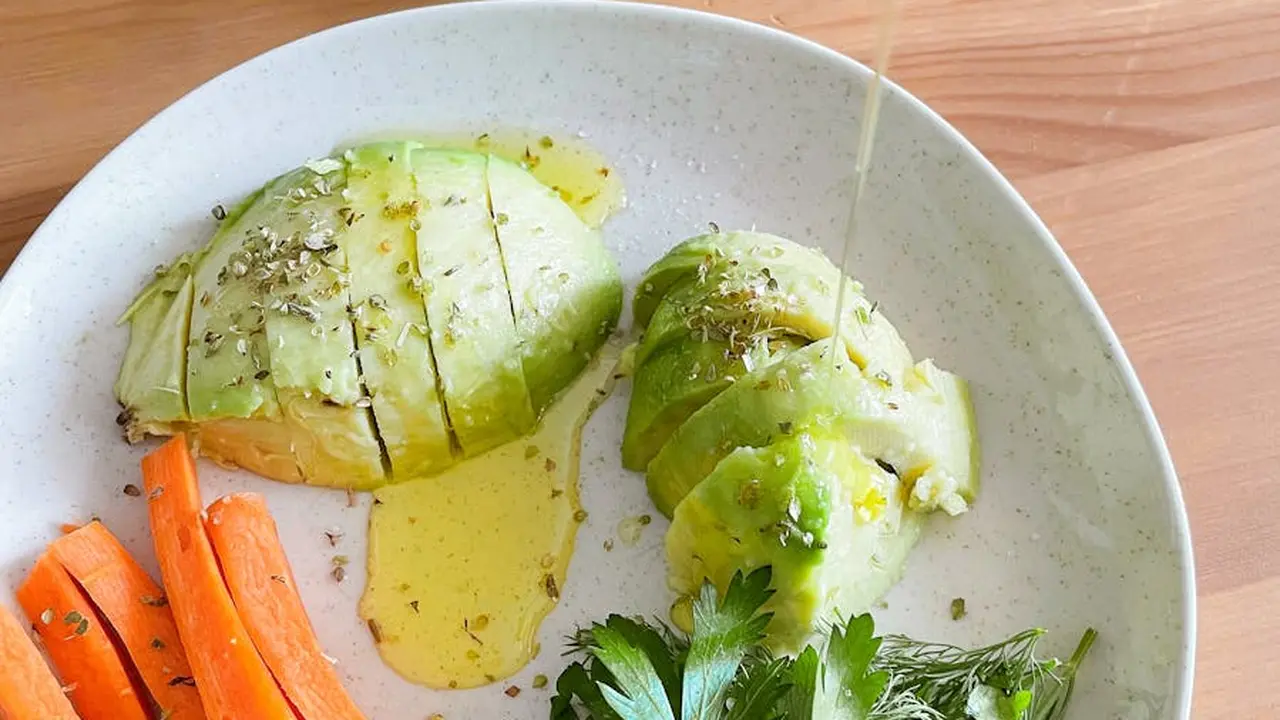
Can you season cast iron with avocado oil? You absolutely can. I do it regularly.
It excels for one main reason: its remarkably high smoke point. Refined avocado oil smokes at around 520°F. That’s much hotter than many kitchen oils. A higher smoke point means you can bake on that seasoning layer at a high heat without the oil burning away or turning gummy. It creates a solid foundation. This makes avocado oil ideal for high-heat cooking, frying, and baking. Plus, it offers healthy fats and a mild flavor that fits many recipes.
The science behind it is in its fat. Avocado oil is rich in monounsaturated fats. These fats are stable and polymerize beautifully. In simple terms, they bond together under heat to form that slick, hard, non-stick coating you want. It’s a durable finish.
On my own kitchen shelf, next to the stove, I keep a dedicated bottle of refined avocado oil just for my cast iron and carbon steel. It’s not the fancy, green, cold-pressed bottle I use for dressings. This is the workhorse.
The Practical Perks of Choosing Avocado Oil
Beyond the science, avocado oil is just easy to live with. It has a very neutral scent and flavor. Seasoning with avocado oil won’t leave a lingering taste or aroma on your pan that could transfer to your next batch of pancakes or cornbread. It plays well with all foods.
You can find it easily. Most well-stocked grocery stores carry it now. Look for “refined” or “high heat” on the label for seasoning purposes.
And yes, if you’re wondering about your griddle, the answer is the same. The material (cast iron or carbon steel) is what matters, not the shape. The process for seasoning a griddle with avocado oil is identical to seasoning a skillet. You just need to ensure you’re applying thin, even layers over the entire cooking surface.
My tip? After applying a tiny amount, use a fresh paper towel to try and wipe it all off. The microscopically thin layer that remains is the perfect amount for building seasoning.
My Step-by-Step Ritual for Seasoning with Avocado Oil
I keep a small bottle of high smoke point avocado oil in my kitchen cabinet just for this purpose. Here is my go to method, refined over many pans and years.
- Start with a bone dry pan. Wash your cast iron with hot water and a bit of soap if needed, then dry it completely. I pop mine on a low stovetop burner for a minute to evaporate every last bit of moisture.
- Apply a tiny amount of avocado oil. Pour about half a teaspoon onto a paper towel or soft cloth. Rub it over the entire surface, inside and out, including the handle.
- This is the most critical step: wipe it all off. Take a fresh, clean cloth and vigorously wipe the pan as if you are trying to remove every trace of oil you just put on. The pan should look almost dry, with just a faint, satiny sheen.
- Place the oiled pan upside down in a cold oven. This positioning catches any potential drips. Put a sheet of foil or a baking sheet on the rack below to catch drips.
- Heat the oven to 450°F (232°C) and bake for one hour. Let the pan cool down completely inside the turned off oven. This slow cooling is part of the polymerization process.
- Repeat. One layer is just a start. For a new or stripped pan, I always build up three to four of these thin, baked on layers. Patience here builds a foundation that lasts for years.
You are not frying the pan. You are creating a molecular shield. The goal is an impossibly thin film that the heat can fully transform.
Pro Tip: The “Wipe It Twice” Rule for a Perfect Coat
My secret for that dark, glassy finish is what I call the “wipe it twice” rule. After I apply the initial oil with one cloth, I always grab a second, clean cloth.
I oil a pan that is just warm to the touch, not hot. Then, I use that clean cloth to wipe it again, pretending I made a mistake and need to remove all the oil.
This final wipe is what prevents a sticky, gummy layer and is the real secret to a smooth, non stick surface. If your pan feels tacky after seasoning, it means too much oil was left on. That second wipe ensures the layer is microscopically thin, allowing for perfect polymerization. The result feels like slick pottery, not an oily pan.
A Quick Snapshot: Comparing Your Oil Options
| Oil | Best For | Note from the Shelf |
|---|---|---|
| Avocado Oil | Top-tier, durable seasoning | My first recommendation for its balance of performance and ease. |
| Flaxseed Oil | A hard, classic finish | Can be brittle and pricier; I use it sparingly for touch-ups. |
| Grapeseed Oil | A very good, accessible alternative | High smoke point makes it a reliable standby. |
| Coconut Oil | Moderate-heat seasoning | Answer “can i season cast iron with coconut oil” – yes, but may impart a slight scent. |
| Olive Oil | Quick maintenance coats | Address all “can i season with olive oil” keywords here: possible but requires more care due to lower smoke point. |
Avocado Oil: The Modern Favorite
I reach for avocado oil when I want a seasoning that feels confident and lasts. Its very high smoke point means it can handle the heat needed to polymerize into a strong, slick layer without burning. The result is a durable, non-stick surface that stands up to frequent cooking.
You get a glossy, tough finish that makes eggs slide right out, which is why it’s my first pick for a foundational season. From my shelf, I use a refined, high-heat version for this job, not the pricier culinary extra virgin kind.
Flaxseed Oil: The Traditionalist’s Choice
Flaxseed oil (sometimes called linseed oil) creates an incredibly hard, glass-like finish that many swear by. It dries and cures to a beautiful dark patina. This is the oil I see in vintage restoration guides.
That beautiful finish can become brittle over time, sometimes leading to flaking, especially with rapid temperature changes. Because of this and its cost, I keep a small bottle for specific touch-up projects rather than full pan overhauls.
Grapeseed Oil: The Reliable Workhorse
If I don’t have avocado oil handy, grapeseed is my next grab. It’s easy to find in any grocery store and has a high enough smoke point to build a robust seasoning layer. It performs predictably and well.
Think of grapeseed oil as your accessible, no-fuss alternative that will build a very good non-stick surface over a few rounds of seasoning. It’s the bottle that lives in my kitchen cabinet for both cooking and pan care.
Coconut Oil: The Moderate-Heat Option
Yes, you can season cast iron with coconut oil. It works best for pans you’ll use over medium heat, like for pancakes or grilled cheese. It will polymerize and create a usable seasoning coat, unlike some cooking oils that may not season cast iron properly.
The main consideration is that unrefined coconut oil can leave a subtle, sweet aroma in your pan for the first few uses. If that doesn’t bother you, it’s a fine choice. I prefer refined coconut oil for this to minimize any scent transfer. For skin, hair, and cooking, the key differences and benefits between virgin and refined coconut oil matter. Understanding them helps you choose the right oil for each use.
Olive Oil: For Maintenance Only
You can season with olive oil, but it requires a gentle hand. Its lower smoke point means it can get sticky or gummy if you apply too much or use too high a heat. It’s not ideal for building your base layers from scratch.
I use a tiny drop of olive oil solely for quick stovetop maintenance coats after cleaning and drying a well-seasoned pan. Warm the pan, apply a minuscule amount with a cloth, buff it in until it looks dry, and let it cool. This method keeps your existing seasoning in good shape.
Can I Season Cast Iron with Olive Oil? Straight Talk on Common Questions
This is the number one question I see, and my answer is a gentle “yes, but.” You can season with the olive oil from your kitchen shelf.
For a quick stovetop refresh after cooking, a drop of olive oil works beautifully. It’s a fine maintenance habit that keeps the surface happy.
I don’t recommend it for a major oven seasoning session, though. Extra virgin olive oil has a lower smoke point. In my experience, it can polymerize into a softer, sometimes slightly sticky layer compared to harder oils. For baking and everyday cooking, extra virgin olive oil can be a great option. Used in place of butter or other oils, it brings aroma and moisture to many recipes.
Think of it like a light lotion versus a heavy balm. Both moisturize, but one is more protective. Using olive oil won’t ruin your pan if you’re careful, but it may create a softer layer.
Other Quick Answers from My Countertop
Let’s clear up another search phrase: “cast iron oil not seed oil.” This is a common mix-up. Any food-grade fat can technically work.
Many top-performing choices, like flaxseed or grapeseed oil, are indeed pressed from seeds. Their high smoke points and fatty acid profiles help them build a tough, slick finish.
Finally, a fun note on “cast iron oil lamp.” This refers to using oil in a special lamp, not seasoning your cookware. I have one on my shelf that I use with refined coconut oil for a soft, smokeless light.
It’s a lovely, ancient use for botanical oils, but keep that oil for ambiance, not for your skillet.
Troubleshooting Your Season: Fixing Pooling, Stickiness, and Rust
Even with the best oil, a seasoning attempt can go sideways. This happens to everyone. The good news is that cast iron is incredibly forgiving. Every issue has a straightforward fix.
When Oil Pools in Your Pan
Finding thick, blotchy pools of oil after seasoning is a classic rookie move. I’ve done it myself. It means you used too much oil before putting the pan in the oven.
The oil couldn’t fully polymerize and instead baked into a gummy, uneven layer. It feels rough and looks splotchy.
To fix a pooled or blotchy season, you need to gently remove the sticky residue and start that layer again.
- Let the pan cool completely.
- Scrub the surface gently with coarse salt and a soft cloth, or use a mild abrasive like baking soda. Avoid harsh soaps or steel wool at this stage.
- Rinse and dry the pan thoroughly with heat.
- Apply the absolute thinnest layer of oil you can, as if you’re trying to wipe it all off. Then, bake it again.
Dealing with a Sticky Surface
A pan that feels tacky or sticky to the touch has the same root cause as pooling: too much oil. The polymer layer is incomplete and feels like resin or sap.
A sticky pan hasn’t been heated long enough or hot enough for the oil to fully cure. It won’t hurt you, but food will stick to it, and it can attract dust.
You can often fix this without a full re-scrub. Simply place the pan upside-down in your oven and run a seasoning cycle again. The extra heat can help complete the polymerization. After the cycle, if it’s still sticky, then follow the scrub and re-season steps above.
Repairing Minor Rust Spots
Seeing a hint of orange rust can be scary, but don’t panic. It’s just surface oxidation, often from storing a damp pan. This is the “cast iron pan repair” we can do at home.
Small rust spots are a simple fix that involves removing the rust and building the seasoning back over the bare metal.
Grab some fine steel wool or a dedicated rust eraser pad. Scrub the rusty area firmly until you see only smooth, grayish metal. You might remove the seasoning around the spot, and that’s fine.
Dry the pan immediately, apply a thin coat of oil to the entire cooking surface to prevent flash rust, and run a full seasoning cycle. The pan will be good as new, protected by a fresh layer of polymerized oil.
My Trusted Routine for a Pan That Lasts Generations
My approach is simple. I think of seasoning like building a relationship.
You start with a strong foundation using a reliable, stable oil, and then you maintain that bond with consistent, simple care.
For that crucial first seasonings, I reach for avocado oil or grapeseed oil from my kitchen shelf. Their high smoke points create a durable polymer layer. After that foundation is set, my maintenance oil is often whatever high-quality bottle I’m already using for cooking that week-a bit of olive oil, coconut oil, or more avocado oil.
My End-of-Cleaning Ritual
This is the secret. Consistency beats complexity every time.
After I wash and dry my pan, I place it back on the warm stove for a minute. This ensures every bit of moisture evaporates. Then, I take a pea-sized dab of my chosen oil on a folded paper towel.
Using tongs, I wipe that tiny amount over every surface, inside and out, until the pan looks almost dry.
This leaves a microscopic, perfectly thin layer ready to polymerize next time you cook. It prevents rust and builds the seasoning incrementally. I store my pan with the lid off, in a dry place.
The Joy of a Well-Loved Pan
If you follow these steps, something wonderful happens.
That matte black patina deepens. Food releases with a gentle nudge. Your pan becomes more non-stick and beautiful with each use.
With this minimal routine, your cast iron will not just last for years-it will evolve, becoming a more capable and cherished tool with time.
The best oil is ultimately the one you use regularly with care. Your patience and consistency are the real magic. If you’re curious about the healthiest cooking oils for everyday use, a quick guide can help. It can steer you toward options that fit your kitchen.
Your Curious Questions, Answered
How do I prevent oil from pooling during seasoning?
The secret is to treat your pan as if you made a mistake and need to wipe all the oil off. After applying oil with one cloth, use a second clean cloth to buff the surface until it looks nearly dry-this microscopic layer is what polymerizes perfectly.
My pan has a small scratch or rust spot. How do I repair it?
Think of this as a spot treatment for your pan’s protective skin. Gently scrub the affected area with fine steel wool until it’s smooth, then re-season the entire cooking surface to seamlessly blend and protect the repair.
Should I oil my pan when it’s cold or hot?
I always warm my pan first until it’s just comfortable to touch. A gently warmed surface helps the oil spread into that perfect, thin layer needed for a hard, smooth finish, not a sticky one.
Do I need to season the entire pan, including the bottom and handle?
Yes, give your entire pan a light coat. This holistic approach protects every bit of iron from moisture and rust, ensuring your cookware stays beautiful and functional for generations.
Is an “oil lamp” or “wall bracket” oil good for my cookware?
No, please keep those for ambiance and decor. Your skillet craves food-grade botanical oils that are safe to consume and designed to polymerize into a safe, non-stick cooking surface.
A Botanical Approach to Kitchen Care
Choosing a botanical oil like avocado for its high smoke point and reliable polymerization is the single most effective step for building a durable, non-stick foundation on your cast iron. This simple act brings the same principled, nurturing care we apply to body and wellness directly into our daily home rituals.
I share these methods from my own well-used kitchen shelf, and I hope you’ll continue to follow along here for more practical ways to integrate oils into every aspect of your life. Trust your hands and your instincts—whether you’re seasoning a pan, blending a serum, or performing oil cleansing. That personal confidence is where the real magic happens.
Industry References
- r/castiron on Reddit: So what’s the best oil for seasoning?
- Cast Iron Seasoning Oil – Field Company
- What oils should you use for cast iron cooking and seasoning? – Lodge Cast Iron
- Cast Iron Seasoning Oil | Clean, Season, & Protect
Noemi Kamińska
Noemi is an accomplished wellness researcher, nutrition care guide and body care expert. She has years of experience in formulating various oil combinations for full body wellness including face, hair, body care, essential oils and cooking oils. She works as a bio-formulator working with oil chemistry and analyzing the best formulations when it comes to your needs. Feel free to reach out to get your oil needs sorted.